Discover Mount Meru: Tanzania’s Hidden Gem
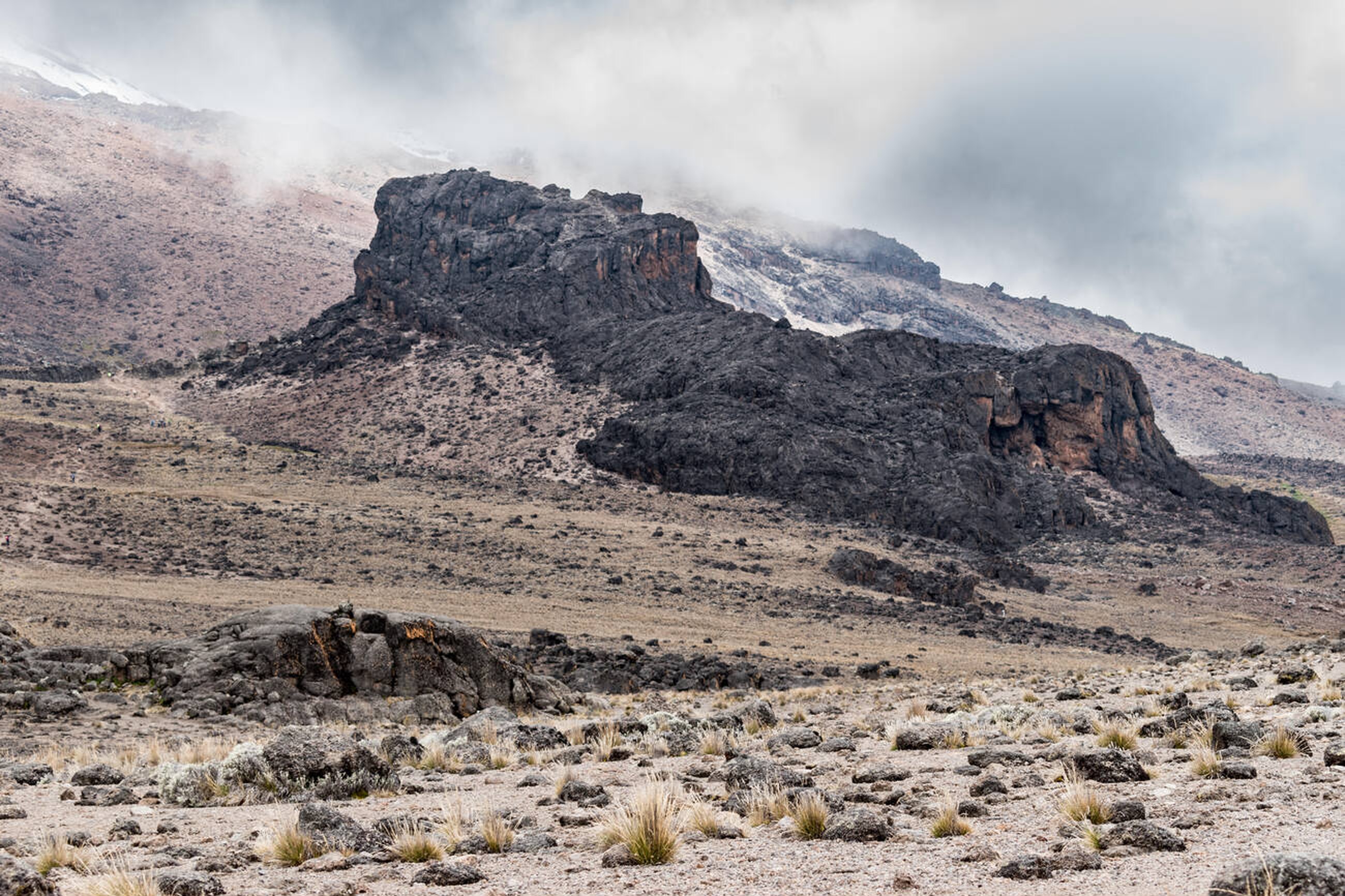
Mount Meru (4,566m/14,980ft), Tanzania’s second-highest peak and Africa’s fifth-tallest, is a dormant stratovolcano in Arusha National Park, just 70km (43 miles) west of Kilimanjaro. Often overshadowed by its neighbor, Meru offers a rewarding 3–4 day climb with lush forests, wildlife encounters, and panoramic views of Kilimanjaro. As a perfect acclimatization trek for Kilimanjaro, it’s moderately challenging and accessible for fit hikers. Kilisherpas Travel, with 20,000+ Kilimanjaro ascents since 2021, extends our expertise to Meru for a seamless adventure.
Why Climb Mount Meru?
- Acclimatization Boost: Prepares you for Kilimanjaro’s altitude with less crowding and shorter duration.
- Wildlife Richness: Hike past elephants, giraffes, buffalo, and birds in Arusha National Park.
- Diverse Landscapes: From rainforests to volcanic ridges and the Socialist Peak summit.
- Difficulty: Moderate for average hikers; no technical skills needed, but steep sections require endurance.
- Duration: 3–4 days (3 nights), with an armed ranger for safety.
Best Time: June–October or January–early March (dry season). Avoid March–May and November–December rains.
Mount Meru Climb Itinerary: 4 Days / 3 Nights
Duration: 4 days (3 nights)
Price: USD 1,200–1,500 (includes park fees, guides, ranger, meals, transfers from Arusha/Moshi; excludes gear rental)
Route: Momella (Southern) Route—the most popular, non-technical path.
Day 1: Arusha/Moshi to Miriakamba Hut
- Start: Transfer to Momella Gate (1 hour from Arusha).
- Hike: 5–6 hours (8km/5 miles, 1,000m gain) through grasslands and fig forests.
- Highlights: Giraffes, zebras, buffalo; possible black-and-white colobus monkeys.
- Overnight: Miriakamba Hut (2,514m/8,250ft).
Day 2: Miriakamba Hut to Saddle Hut
- Hike: 3–4 hours (5km/3 miles, 1,000m gain) through montane forest to the saddle.
- Highlights: Birdwatching (e.g., turacos), views of Meru’s ash cone.
- Optional: Afternoon acclimatization hike to Elephant Ridge.
- Overnight: Saddle Hut (3,570m/11,710ft).
Day 3: Saddle Hut to Socialist Peak and Descent
- Summit Push: Midnight start; 3–4 hours (3km/1.9 miles, 996m gain) to Socialist Peak (4,566m/14,980ft)—Meru’s summit, named for Tanzania’s 1961 independence.
- Highlights: Dawn views of Kilimanjaro, Arusha Plains, and Ngorongoro Crater. Crater rim exploration.
- Descent: 2–3 hours back to Saddle Hut, then 3–4 hours to Miriakamba (lunch en route).
- Overnight: Miriakamba Hut or Arusha hotel (optional).
Day 4: Miriakamba Hut to Arusha/Moshi
- Hike: 2–3 hours (5km/3 miles, 1,000m descent) to Momella Gate.
- Highlights: Final wildlife sightings; certificate from park authorities.
- End: Transfer to Arusha/Moshi (1 hour).
3-Day Option: Compress Days 3–4 into one long day (summit and full descent), but the 4-day version is recommended for better acclimatization and recovery.
Climbing Difficulty and Preparation
- Difficulty: Moderate to challenging; steeper than Kilimanjaro but shorter (total ~43km/27 miles). No technical climbing on Momella Route, but the summit push involves loose scree and exposure.
- Fitness: Average hikers with 2–3 months prep (cardio, leg strength, hikes with 10–15kg pack). See our Training Guide.
- Acclimatization: Ideal for Kilimanjaro; Meru’s elevation helps adjust to 4,500m+.
- Wildlife Note: An armed ranger accompanies all groups for safety amid buffalo and elephants.
Packing Essentials for Mount Meru
Pack for hot days (25–30°C) and cool nights (5–10°C), with rain possible:
- Clothing: Sun hat, sunglasses, long-sleeve shirts (x2), hiking pants (zip-off), fleece, rain jacket/pants, warm hat, gloves.
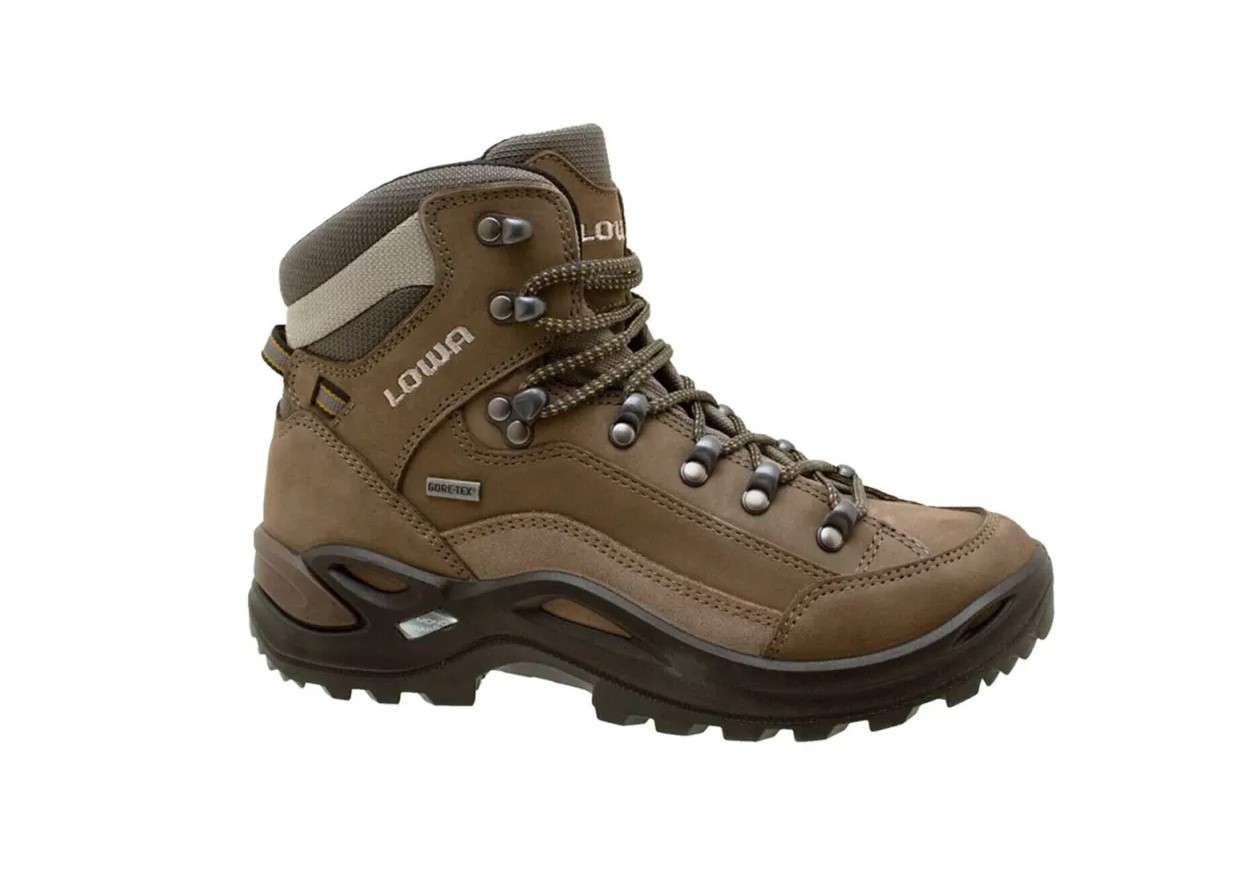
- Footwear: Hiking boots with ankle support, camp sandals, gaiters.
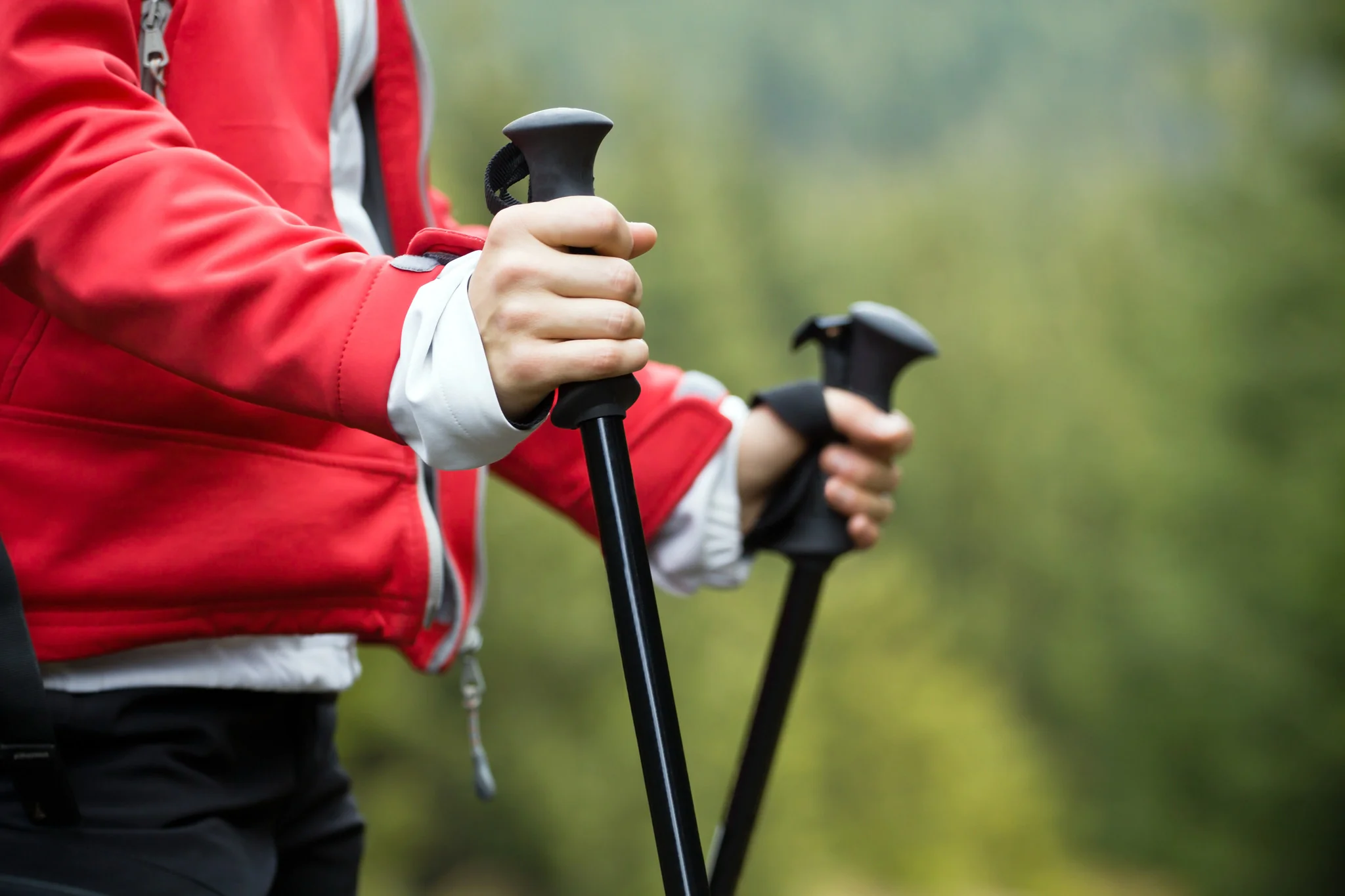
- Accessories: Head torch, buff, walking poles, 3L water capacity, snacks.
- Other: Sunscreen, insect repellent, first aid (blisters, meds).
Rentals available for sleeping bags/mats. Full list in our Packing Guide.
Costs and Logistics
- Price: USD 1,200–1,500 (4 days); includes park fees (~$200), ranger, meals, transfers.
- Group Size: 4–8 climbers; private options available.
- Permits: Required via Arusha National Park; handled by Kilisherpas Travel.
- Extensions: Combine with Kilimanjaro (3–4 days before) or Serengeti safari.
Why Kilisherpas Travel?
- Expert Guides: WFR-certified, 1:2 ratio, wildlife-savvy.
- Safety: Health checks, emergency oxygen, park ranger inclusion.
- Ethics: Supports local communities and conservation.
- Success: 95%+ summit rate, seamless integration with Kilimanjaro.
FAQ: Climbing Mount Meru
How difficult is Mount Meru?
Moderate; steeper than Kilimanjaro but shorter, suitable for fit beginners.
Best time to climb?
Dry seasons: June–October or January–March.
Can I see Kilimanjaro from Meru?
Yes, on clear days from Socialist Peak.
Is a ranger required?
Yes, armed ranger for wildlife safety.
Ready to Climb Mount Meru?
Mount Meru is a thrilling prelude to Kilimanjaro or a standalone adventure in Arusha National Park. Kilisherpas Travel ensures a safe, wildlife-filled trek. Book your 2025 climb or explore our hiking tours.