
Karatu
Karatu is located in northern Tanzania, between Lake Manyara National Park and the Ngorongoro Conservation Area, approximately a 2–3 hour drive from Arusha.

Discover the iconic Karatu, Tanzania
Karatu is a charming highland town located in Tanzania’s Arusha Region, approximately 150 km west of Arusha. Positioned between Lake Manyara and the Ngorongoro Conservation Area, it serves as a key gateway to some of Tanzania’s most iconic safari destinations, including the Serengeti National Park.
Set at an altitude of 1,400–1,600 metres, Karatu enjoys a pleasant climate and is surrounded by rolling hills, fertile farmland, and lush coffee plantations. The area is predominantly inhabited by the Iraqw people, offering visitors a unique opportunity to experience authentic local culture and traditions.
Karatu is well known for its coffee farm tours, where visitors can learn about the cultivation, harvesting, and roasting process. Cultural visits to nearby villages provide insight into traditional Iraqw homes, crafts, and daily life. The lively Karatu Market showcases local produce, spices, and handmade goods, giving a true taste of the region’s vibrant community.
With its strategic location, scenic beauty, and wide range of accommodations—from budget lodges to luxury retreats—Karatu is an ideal base for travellers exploring the northern safari circuit, as well as those seeking cultural and countryside experiences.
Safari Cost
Karatu is often included as part of northern circuit safari packages. Costs vary depending on accommodation standards and itinerary, making it a flexible option for all budgets.
Destination Map
What are the main attractions of the Karatu?
Coffee plantations and farm tours
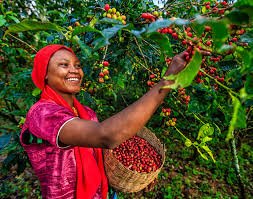
Karatu is surrounded by fertile highlands ideal for coffee cultivation. Visitors can explore local farms, learn about the coffee-making process from bean to cup, and enjoy fresh Tanzanian coffee.
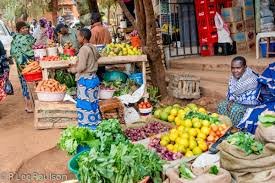
Karatu local market
colourfulA vibrant hub of daily life, the Karatu market offers a colorful experience with fresh produce, spices, and handmade goods, providing insight into the local culture and economy.
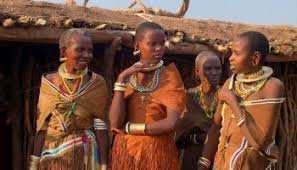
Iraqw cultural villages
Discover the traditions of the Iraqw people through guided village visits, where you can learn about their history, traditional homes, farming practices, and way of life.
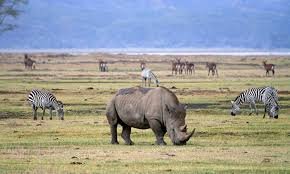
Nearby Ngorongoro Conservation Area
Just a short drive away, this UNESCO World Heritage Site is home to the famous Ngorongoro Crater, offering one of the best wildlife viewing experiences in Africa.
Lake Eyasi (Hadzabe and Datoga tribes)
Located near Karatu, Lake Eyasi provides a unique cultural experience with the Hadzabe bushmen and Datoga pastoralists, offering insight into ancient lifestyles and traditions.
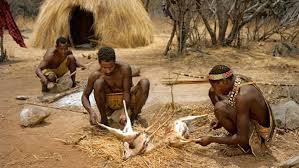
Scenic highland landscapes
The rolling hills, green valleys, and farmland surrounding Karatu create a peaceful and picturesque environment perfect for relaxation and exploration.
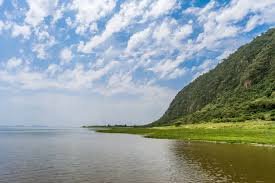
Activities in the Karatu
Coffee tours and tasting experiences
Take part in guided coffee tours to learn about cultivation, harvesting, and roasting, followed by tasting sessions of freshly brewed local coffee.
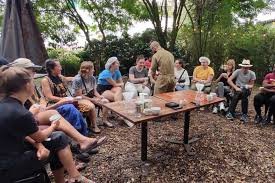
Cultural visits to Iraqw communities
Engage with local communities to experience authentic traditions, crafts, and daily life, offering a deeper understanding of the region’s culture.
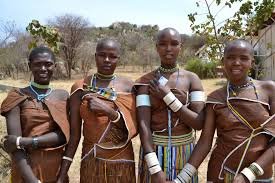
Guided village walks
Explore Karatu on foot with local guides, visiting farms, schools, and homes while interacting with residents and learning about rural life.
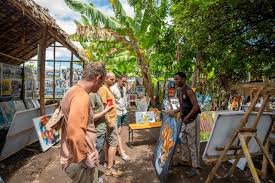
Cycling through the countryside
Enjoy scenic bike rides through the rolling hills and farmland, offering a relaxing way to experience the beauty of the highlands.
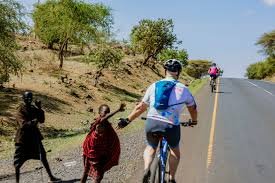
Day trips to Ngorongoro Crater
Embark on unforgettable day safaris to the Ngorongoro Crater, known for its dense wildlife population and breathtaking landscapes.
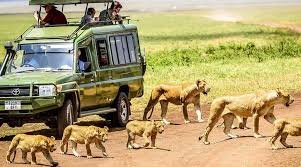
Visits to Lake Eyasi and local tribes
Travel to Lake Eyasi for cultural encounters with the Hadzabe and Datoga people, including traditional hunting demonstrations and cultural exchanges.
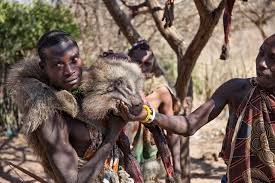
Animals in Karatu

Gazelle
Common

monkeys
Common

Impala
Common
Karatu itself does not host large concentrations of big game animals such as lions, rhinos, or large herds, as it is primarily a town and agricultural area.
History of Karatu
travellersKaratu has long been an agricultural hub inhabited by the Iraqw people, who migrated to the region centuries ago. Over time, it has developed into an important gateway town for tourism, supporting safari travelers heading to Ngorongoro and Serengeti.
Frequently Asked Questions about the Karatu
beingKaratu is known for its coffee farms, cultural experiences, and as a gateway to Ngorongoro Crater.
Yes, Karatu offers a wide range of accommodations and is conveniently located near major safari destinations.
Karatu is about 20–30 km from the Ngorongoro Conservation Area entrance.