Climbing Mount Kilimanjaro is an exhilarating adventure that pushes even the most experienced explorers to their limits. While meticulous planning and preparation are essential, safety should always remain a top priority.
At Kilisherpas Travel, we are committed to providing our clients with the highest level of safety through comprehensive emergency response and rescue protocols. In this guide, we’ll explore the critical aspects of Kilimanjaro rescue services, from medical emergencies and helicopter evacuations to insurance options and safety tips—so you can climb with confidence and peace of mind.
1. Kilimanjaro Rescue Team Services
The Kilimanjaro Search & Rescue (SAR) team comprises highly trained professionals dedicated to safeguarding climbers throughout their ascent. Their mission is to ensure the safety, health, and well-being of every adventurer, whether climbing for recreation, charity, or personal achievement.
Core Services:
Emergency Medical Assistance: The SAR team is equipped with medical supplies, oxygen, and stretchers to provide immediate treatment for altitude sickness, hypothermia, frostbite, or other medical emergencies. Their wilderness medicine training allows them to stabilise patients in remote locations until evacuation.
High-Altitude Porters & Guides: Experienced guides and porters assist climbers in reaching the summit, navigating challenging terrain, and implementing proper acclimatisation techniques to minimise altitude sickness risks.
Equipment & Logistics Support: The team supplies tents, sleeping bags, and cooking gear and coordinates transportation, permits, and local authority support to ensure a smooth, safe climb.
2. Kilimanjaro Helicopter Rescue: Rapid Evacuation When It Matters Most
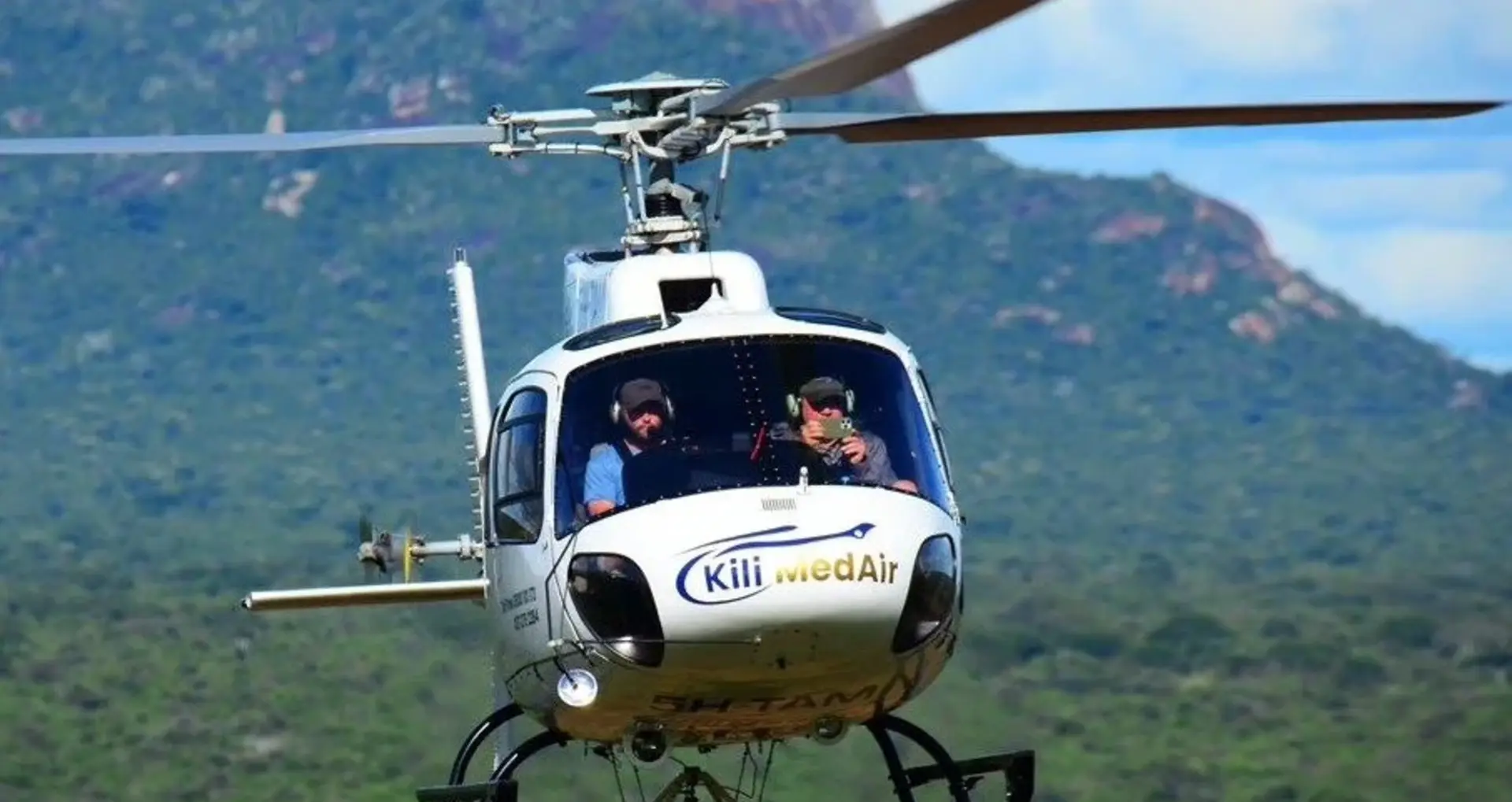
For severe injuries or medical emergencies, helicopter rescue provides a vital lifeline. Operated by Kilimanjaro SAR specialists, helicopter evacuations are reserved for critical cases where immediate transport to a hospital is necessary.
How It Works:
State-of-the-Art Medical Helicopters: Equipped with advanced medical equipment, these helicopters enable rapid medical interventions en route to nearby hospitals.
When to Use: Serious injuries, altitude-related illnesses like HAPE or HACE, or life-threatening emergencies warrant helicopter evacuation. Such services are typically covered by comprehensive travel insurance.
Insurance & Peace of Mind: Climbers are strongly advised to purchase Kilimanjaro-specific travel insurance that includes helicopter rescue coverage, ensuring financial protection and swift medical response if needed.
Note: Helicopter rescues are a last resort and should complement proper preparation, acclimatisation, and adherence to safety guidelines.
3. Preparing for Emergency Situations: Tips & Best Practices
Being prepared can significantly reduce risks during your Kilimanjaro climb. Here are essential tips:
Key Preparation Strategies:
Proper Acclimatisation: Gradually ascend to allow your body to adjust to high altitude, reducing the risk of AMS and other complications requiring rescue.
Health & Fitness: Undergo a medical evaluation before your climb. Share any pre-existing conditions with your tour operator.
Pack a First-Aid Kit: Include necessary medications, altitude sickness remedies, and supplies for common mountain injuries.
Carry a Personal Locator Beacon (PLB): A PLB device enables you to send distress signals with your location, expediting rescue in emergencies.
Stay Informed: Monitor weather conditions and follow your guides’ advice. Always stay within your physical limits.
Communication & Protocol:
Ensure your tour operator has a clear emergency communication plan with Kilimanjaro SAR.
Disclose any health issues to your guides before the climb.
Know your insurer’s rescue coverage and procedures.
4. The Importance of Travel Insurance for Kilimanjaro Climbing
Comprehensive travel insurance with rescue and evacuation coverage is vital. It covers helicopter evacuations, hospital stays, medical treatments, and emergency transportation, providing peace of mind during your ascent.
What to Look For:
Coverage for helicopter rescue and emergency medical treatment
Trip interruption or cancellation coverage
24/7 emergency assistance services
Clear claim procedures and reliable customer support
Cost & Purchase:
Prices typically range from $100 to $400 per person, depending on coverage levels.
It’s recommended to purchase insurance before departure, ensuring full coverage for the entire climb.
5. Final Tips: Stay Safe, Stay Prepared
Climbing Kilimanjaro is a rewarding journey that requires respect for nature and adherence to safety protocols. Always:
Follow your guides’ instructions
Prepare physically and mentally for high-altitude conditions
Carry appropriate gear and supplies
Ensure your insurance covers rescue and evacuation
Stay informed about weather and health risks
At Kilisherpas Travel, your safety is our priority. Our experienced team ensures all rescue protocols are in place, and we equip our climbers with the knowledge and support needed for a successful ascent.
Conclusion:
While Kilimanjaro’s breathtaking beauty offers unforgettable experiences, safety must never be overlooked. With expert rescue teams, modern helicopter evacuation services, and comprehensive insurance options, Kilisherpas Travel provides the security and confidence you need to focus on reaching the summit. Prepare wisely, climb responsibly, and enjoy your adventure of a lifetime.