The Great Wildebeest Migration is one of the most spectacular wildlife events on Earth. Every year, over 1.5 million wildebeest, together with hundreds of thousands of zebras and Thomson’s gazelles, undertake an epic journey across the Serengeti-Masai Mara ecosystem in search of fresh grazing and water.
At Kilisherpas Travel, we specialise in timing your safari perfectly so you witness this natural wonder at its most dramatic moments.
When to See the Great Migration (2026–2027)
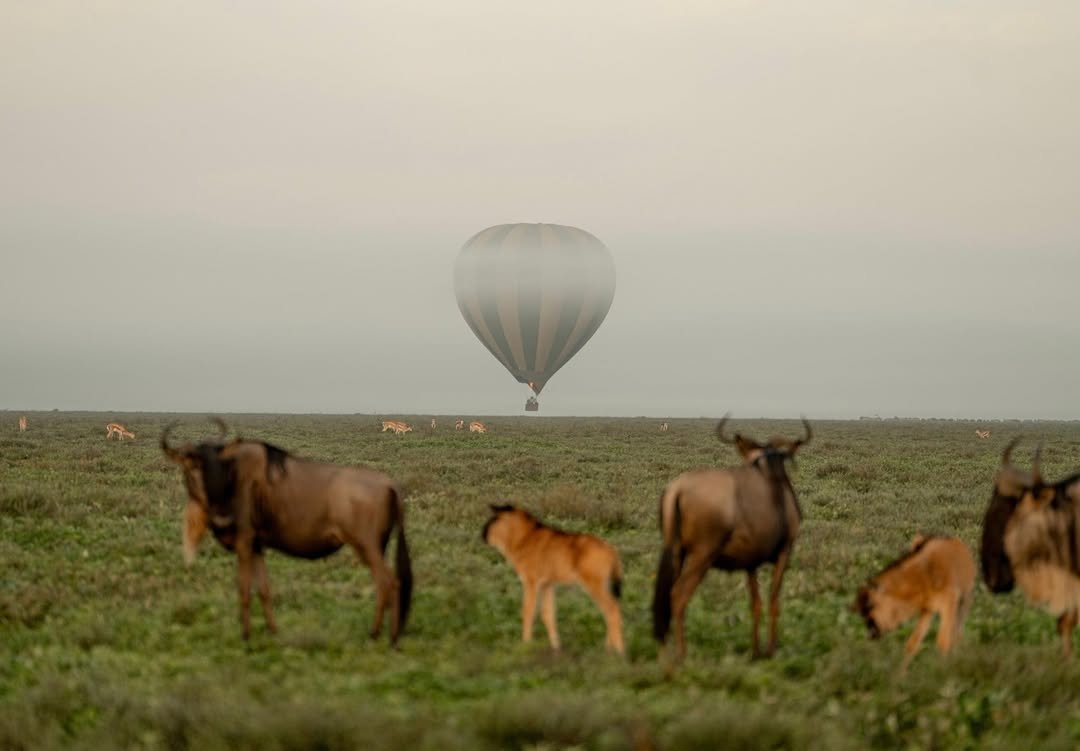
January – March: Calving Season
Location: Southern Serengeti & Ndutu Area
Highlights: Over 8,000 wildebeest calves born every day. This is peak predator season with lions, cheetahs, and hyenas hunting actively.
Best for: Dramatic predator-prey action and newborn wildlife photography.
April – May: Green Season Movement
Location: Central Serengeti
Highlights: Lush green landscapes after the long rains and significantly fewer tourists.
Best for: Peaceful safaris and stunning landscape photography.
June – July: Grumeti River Crossings
Location: Western Corridor (Grumeti River)
Highlights: The first major river crossings of the year begin.
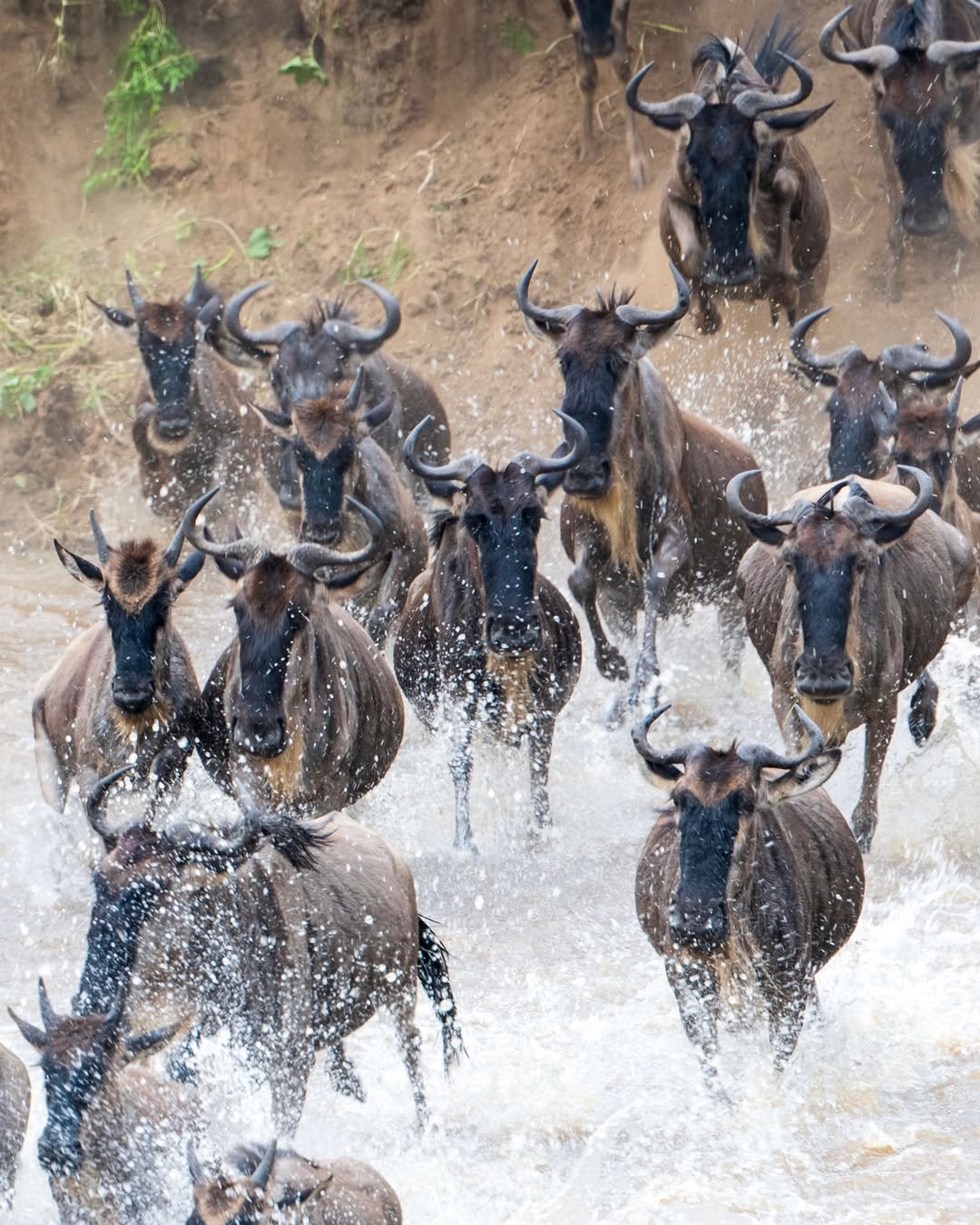
July – September: Mara River Crossings
Location: Northern Serengeti (Kogatende & Lamai areas)
Highlights: The most famous and dramatic river crossings featuring powerful currents and waiting crocodiles.
Best for: Heart-pounding action and iconic migration photographs.
October – December: Return South
Location: Moving from Northern to Central and Southern Serengeti
Highlights: Herds follow the short rains back to the southern plains.
Where to Go for the Best Experience
Choosing the right location is crucial for a successful migration safari:
Ndutu Area (Dec–Mar) — Best for calving season
Seronera (Central Serengeti) — Reliable wildlife viewing year-round
Western Corridor (May–June) — Excellent for Grumeti River crossings
Kogatende / Northern Serengeti (Jul–Sep) — Prime location for Mara River crossings
How to Experience the Great Migration
Choose the Right Safari Length We recommend a minimum of 7–10 days in the Serengeti to follow the migration effectively.
Stay in Strategic Locations Mobile tented camps and lodges positioned close to current herd movements offer the highest chance of great sightings.
Travel with Expert Guides Our local guides track daily herd movements using real-time reports and adjust your daily game drives accordingly.
Pro Tips from Kilisherpas Travel
Book 8–12 months in advance for peak season (July–September), especially for premium lodges near the Mara River.
Combine the Serengeti with Ngorongoro Crater for a complete safari experience.
Focus on early-morning and late-afternoon game drives when animal activity is highest.
Remain flexible — the migration depends on rainfall patterns and can shift slightly each year.
Why Choose Kilisherpas Travel for the Great Migration?
Local Tanzanian safari experts with up-to-date migration knowledge
Fully customized itineraries that follow the herds in real time
Professional, passionate guides with years of migration experience
Carefully selected lodges and mobile camps in prime locations
Commitment to responsible, low-impact wildlife viewing
Frequently Asked Questions (FAQs)
When is the best time to see the Great Migration in Tanzania?
For dramatic river crossings, July–September in the Northern Serengeti is ideal. For calving season and predator action, January–March in Ndutu is best.
Is the Great Migration guaranteed?
The migration is a natural event driven by rainfall, so it cannot be 100% guaranteed. However, our expert guides track movements daily to give you the highest possible success rate.
How many days do I need?
We recommend at least 7–10 days focused on the Serengeti.
What should I pack?
Neutral-coloured lightweight clothing, layers for cool mornings, binoculars, a good camera with a zoom lens, sunscreen, a hat, and a reusable water bottle.