Completing a Kilimanjaro expedition is an extraordinary achievement, but the journey doesn’t end at the summit. Proper tipping is essential to reward the dedicated guides, porters, cooks, and support staff who work tirelessly to make your adventure possible. However, navigating the appropriate amounts, ensuring your gratuity reaches the right hands, and safeguarding your tips from misappropriation can be challenging for many travellers. In this comprehensive guide, Kilisherpas Travel shares key insights on tipping etiquette, our transparent handling process, and how you can contribute fairly to the hard-working team supporting your climb.
1. The Tradition of Tipping on Kilimanjaro
Cultural and Mountain Tipping Customs
Tipping is a longstanding tradition in mountain climbing regions like Nepal, Peru, and Tanzania. It’s a gesture of appreciation for a well-organised expedition that involved extensive teamwork, physical effort, and care from the entire crew. While not mandatory, tips are considered a vital part of recognising the hard work of those behind the scenes.
Typical Tipping Ranges for Kilimanjaro
Based on industry standards and climber feedback, here are recommended tipping amounts:
Classic Kilimanjaro expedition: $250–$300
Premium Kilimanjaro expedition: $400–$600
The variation accounts for differences in equipment; luxury services (such as larger tents, better camping gear, and communication devices); and additional personnel involved, like extra porters and support staff.
2. Why Tipping Is a Crucial Part of Supporting the Local Community
Supporting Local Livelihoods and Fair Wages
The majority of Kilimanjaro’s workforce is composed of local Tanzanian men and women who rely heavily on their earnings from guiding, portering, cooking, and camp services. In the region between Arusha and Moshi, tourism provides vital employment opportunities, as alternative livelihoods such as farming and plantation work are limited.
The Dedication of Kilimanjaro Crew
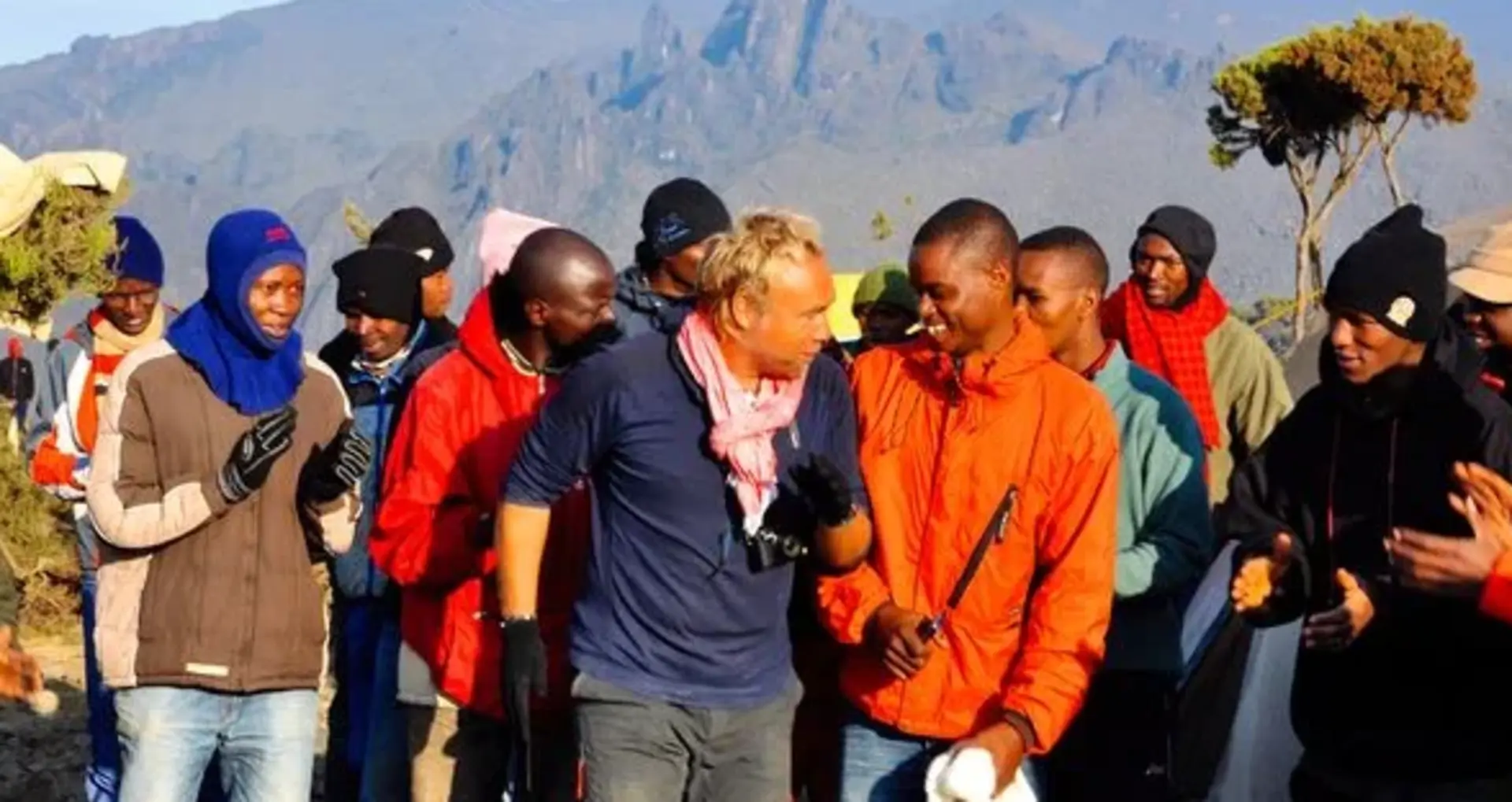
Porters carry heavy loads across demanding terrain, often in extreme weather conditions, and are responsible for water, food, and equipment logistics. Guides and cooks work tirelessly to ensure safety, comfort, and sustenance at every camp. Their efforts are physically taxing, underpaid, and sometimes underrecognised—making fair tips an important part of their income.
Our Commitment at Kilisherpas Travel
With over a decade of experience offering Kilimanjaro climbing packages, Kilisherpas Travel is proud to be the largest operator in Tanzania. We prioritise fair wages and transparent tip distribution, ensuring that every crew member receives their deserved compensation. Our wages are among the highest in the industry, and we do not deduct any tips for the company. We see tips as directly supporting our hard-working team, and we actively encourage clients to participate in this tradition.
3. How Kilisherpas Travel Handles Tips Transparently and Fairly
Transparent and Accountable Tip Management
To ensure fairness, all tips are collected in sealed envelopes at the end of the climb. Our guides, accompanied by a senior manager, oversee the process. The tips are then deposited into the crew’s bank accounts through secure transfers managed via NMB Bank—one of Tanzania’s leading financial institutions.
Fair and Equitable Distribution
Tips are distributed fairly among all crew members based on their roles and contributions. Our expedition manager assigns porters and guides according to a predetermined list, ensuring no favouritism. Large tips, such as the $35,000 received in a February 2022 expedition with 40 crew members, are fully distributed without deductions or commissions.
How to Confirm Your Tips Have Reached the Crew
Once tips are transferred, clients can request confirmation by contacting our office. We provide bank receipts and statements to verify the deposit. Our company maintains detailed records of all tip transactions, including copies of bank transfers and tip sheets, to ensure transparency and accountability.
4. Practical Tips for Tipping and Ensuring Fairness
How to Tip Properly
Amount: $250–$300 for a standard expedition; more if you wish to recognise exceptional service.
Method: Use US dollars (preferably new, unmarked bills no older than 2009), euros, or Tanzanian shillings.
Process: Fill out the official tip sheet, indicating amounts and the names of crew members you wish to thank. Seal the envelope and hand it to the chief guide. Our team will handle the rest transparently.
Additional Tips for a Fair Process
Avoid giving tips directly to guides, as this can lead to unfair distribution.
Specify individual crew members you want to recognize for their outstanding service.
Use the provided tip sheet to document your gratuity clearly.
5. How to Verify Your Tip Was Received Fairly
Ensuring Your Tips Reached the Crew
After the transfer, our bank confirms the deposit, and copies of receipts are available upon request. You may also contact our office for confirmation. We keep detailed records of all tip transactions, including bank transfer receipts and tip sheets, to maintain transparency.
Transparency and Accountability
Kilisherpas Travel is committed to ensuring your gratuity directly benefits the crew. We regularly audit our transactions and maintain documentation to confirm fair distribution. Your support makes a meaningful difference in the lives of our staff and their families.
Conclusion:
Tipping is a meaningful act of appreciation that directly supports the hard-working individuals who make your Kilimanjaro adventure possible. By following transparent practices and choosing responsible operators like Kilisherpas Travel, you help promote ethical tourism, uplift local communities, and ensure your gratitude is truly impactful.