One of the most common questions we receive at Kilisherpas Travel is: “When is the best time to go on safari in Tanzania?”
The honest answer is that there is no single perfect time, only the time that best matches your priorities. Tanzania delivers outstanding wildlife experiences year-round, with each season offering its own unique advantages.
Here’s a clear, practical guide to help you choose the ideal time for your Tanzania safari in 2026.
Understanding Tanzania’s Seasons
Tanzania has a tropical climate with two primary seasons:
Dry Season (June to October)
Wet Season (November to May), divided into short rains and long rains
These seasons significantly influence wildlife movement, vegetation, crowd levels, and safari prices.
Dry Season (June – October): The Classic Safari Experience
This is the most popular time for safari and for good reason.
Advantages:
Wildlife concentrates around rivers and remaining waterholes, making animals easier to spot
Excellent game viewing conditions with clear skies and good visibility
Cooler mornings and pleasant daytime temperatures
Prime period for the famous Great Migration river crossings
What to Expect:
Higher number of visitors (especially July–September)
Peak season rates at lodges and camps
Increased dust levels toward the end of the season
The dry season is ideal for first-time visitors and those who want the classic “golden savannah” safari experience.
Wet Season (November – May): Lush, Green & Underrated
The rainy season transforms Tanzania into a vibrant green paradise with dramatic skies and far fewer tourists.
Advantages:
Significantly fewer crowds and more private safari experiences
Lower prices and attractive lodge discounts
Stunning landscapes and beautiful photography opportunities
World-class birdwatching with migratory species
Excellent value for money
What to Consider:
Some roads may become muddy or temporarily challenging
Wildlife is more dispersed as water is plentiful
Occasional rainfall (usually short showers, often in the afternoon or at night)
For travelers seeking tranquility, lower costs, and lush scenery, the wet season offers exceptional value.
Month-by-Month Safari Highlights (2026)
January – March: Calving Season
Warm weather with mostly dry conditions
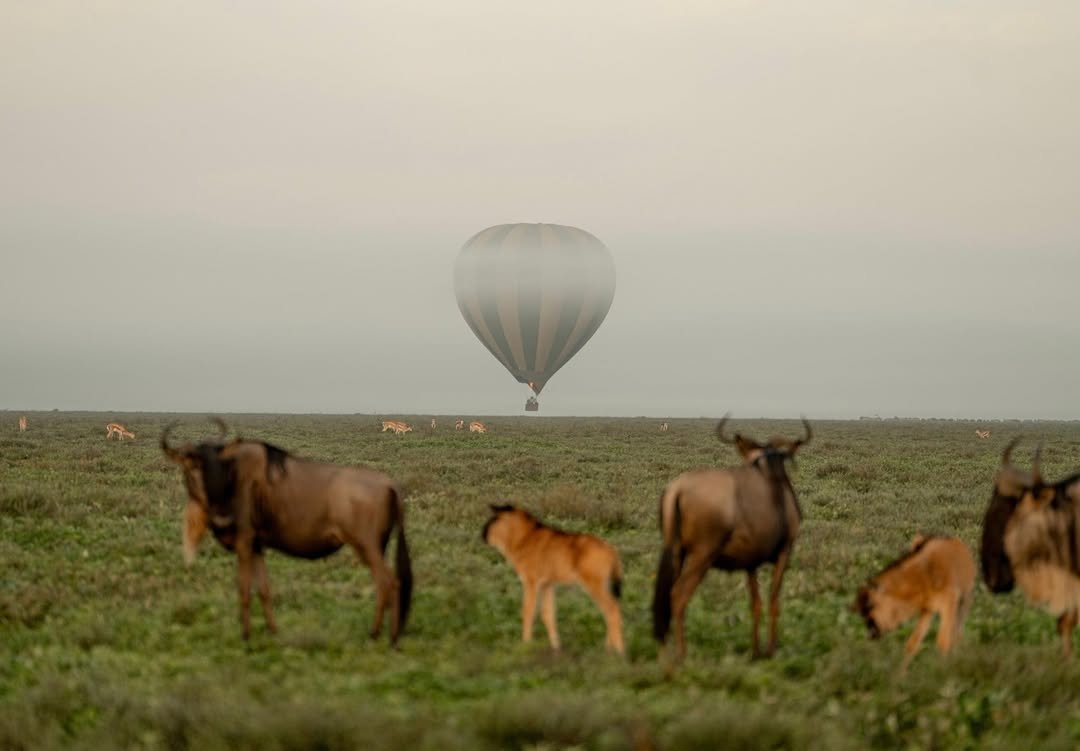
Massive herds of wildebeest and zebra giving birth in the southern Serengeti
High predator activity (lions, cheetahs, hyenas)
Excellent for wildlife photography and dramatic action
March – May: Long Rains
Lush, emerald-green landscapes
Very low tourist numbers
Best prices and special offers
Intimate, peaceful safaris
June – September: Peak Dry Season
Cool mornings, warm days
Outstanding wildlife visibility
Prime time for the Great Migration river crossings (especially July–August)
Most popular (and busiest) period
October – December: Short Rains & Shoulder Season
Fewer crowds than peak season
Beautiful flowering landscapes after the rains
Great balance between weather, wildlife, and value
Excellent shoulder-season option
The Great Migration: A Year-Round Spectacle
The Great Migration in the Serengeti is one of nature’s greatest shows and continues throughout the year:
February: Calving season in the southern Serengeti plains
May – June: Herds move toward the western corridor and Grumeti River
July – August: Dramatic Mara River crossings (the most famous scenes)
September – October: Herds spread into the northern Serengeti and Masai Mara
November – December: Return migration toward the southern plains
With the right guide and flexible itinerary, you can witness incredible migration action no matter when you travel.
How to Choose the Best Time for Your Safari
Here’s a quick decision guide:
Best for wildlife viewing & classic experience: June – October
Best for fewer crowds & lower prices: March – May
Best for photography & green landscapes: November – March
Best for Great Migration river crossings: July – August
Best overall value: October – December or March – May
Final Thoughts
Tanzania does not have a true “off-season” only different safari experiences. Whether you prefer the golden-dry landscapes of peak season or the lush, peaceful green season, every month offers something special.
At Kilisherpas Travel, we take time to understand your priorities whether you want to witness the Great Migration, enjoy a relaxed and affordable safari, or capture stunning photographs and recommend the perfect timing and itinerary for you.
Ready to Plan Your Tanzania Safari?
Let our experienced team design a safari at the ideal time for your goals, budget, and travel style.
Your perfect African adventure awaits, contact Kilisherpas Travel today.