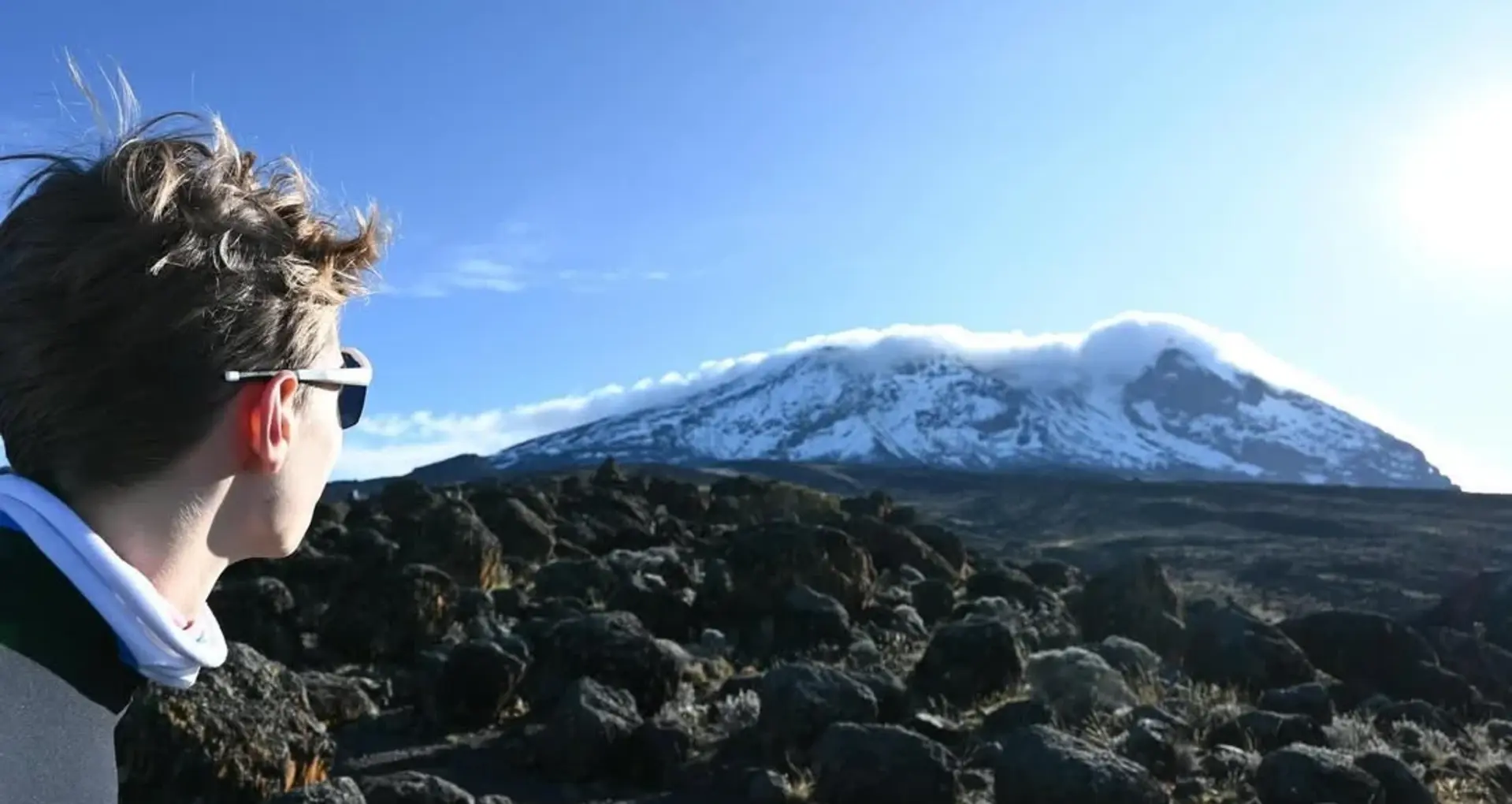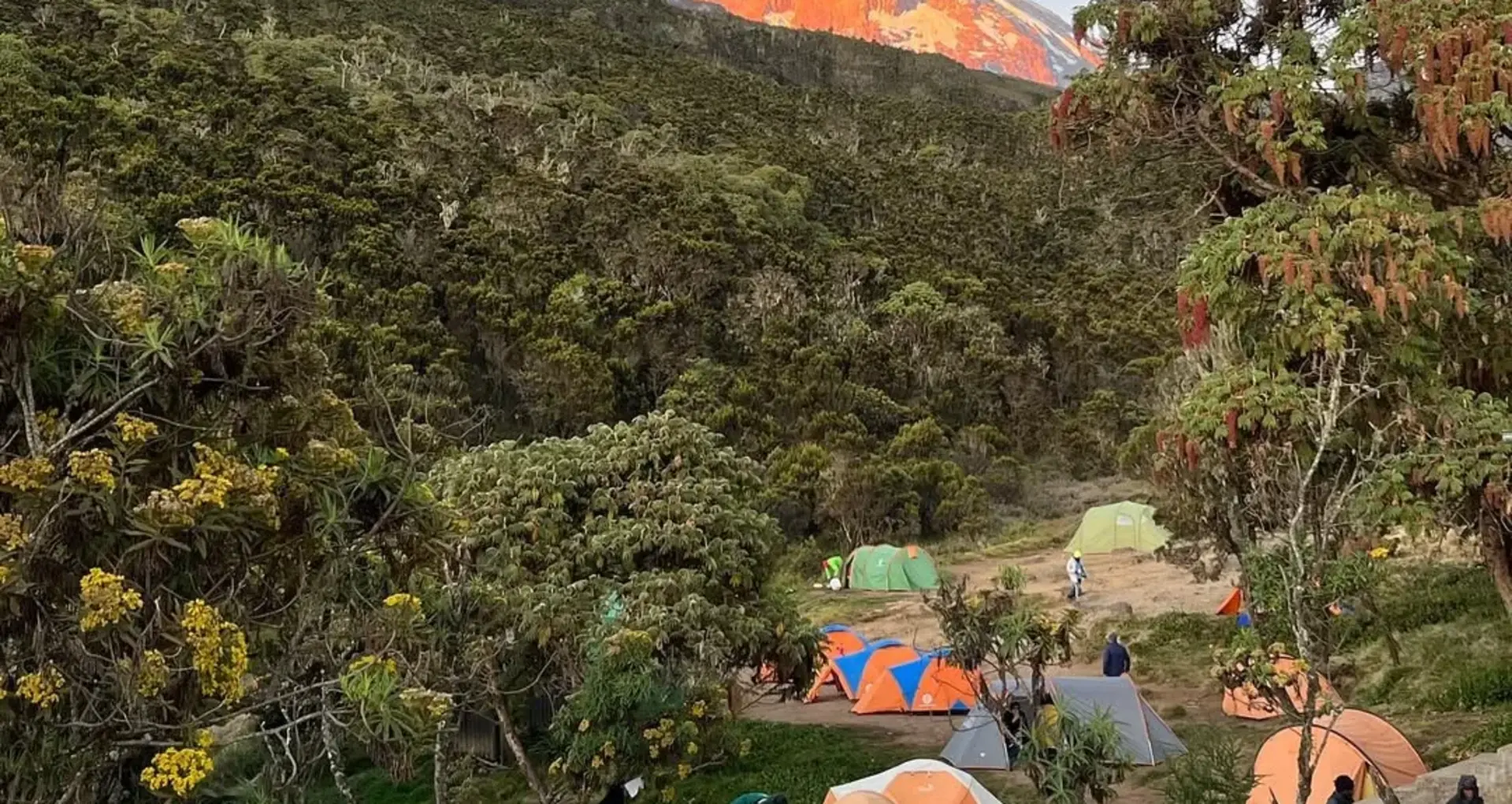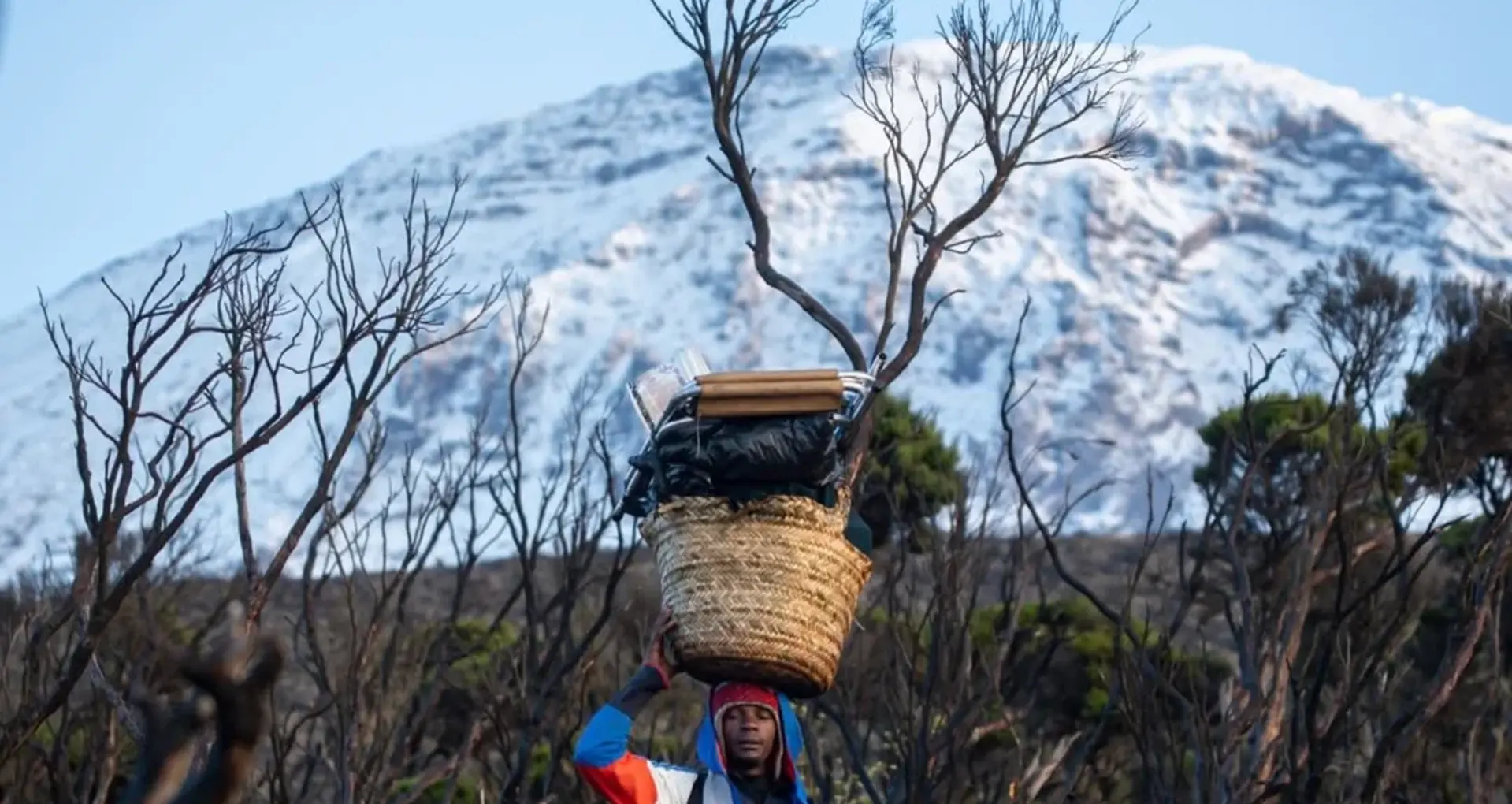
Scaling the majestic summit of Mount Kilimanjaro is an extraordinary achievement, made possible by the dedication, resilience, and tireless efforts of the incredible Kilimanjaro porters. These hard-working individuals are the backbone of every successful climb, carrying heavy loads, setting up camps, and ensuring your journey is safe, smooth, and memorable.
At Kilisherpas Travel, we deeply respect and honour these heroes, whose unwavering commitment makes your adventure possible.
1. Who Are Kilimanjaro Porters?
Kilimanjaro porters are local Tanzanian men and women who assist climbers by carrying gear, setting up camps, and providing essential support throughout the expedition.
Age Range: Most are between 18 and 40 years old, though some are older.
Gender: The majority are men, but women also play vital roles, demonstrating equal dedication and skill.
Background: Many start their careers as porters at 18, with some continuing into their 40s. Despite their demanding work, they display remarkable resilience and spirit.
2. Why Are Kilimanjaro Porters Essential?
Many climbers underestimate the critical role porters play in their ascent. Without them, reaching Kilimanjaro’s summit would be nearly impossible due to the mountain’s unpredictable weather, challenging terrain, and high altitude.
Key Reasons You Need Porters:
Weather and Climate: Kilimanjaro’s climate can change rapidly, requiring diverse gear to combat cold, heat, rain, and dust.
Heavy Gear: Camp setup involves carrying tents, cooking equipment, food supplies, and personal belongings.
Altitude Challenges: Carrying gear and personal items can be physically exhausting, especially as altitude sickness sets in.
Safety and Support: Porters also assist with water purification, meal preparation, and moral support, significantly boosting your chances of success.
3. What Do Kilimanjaro Porters Do?
Kilimanjaro porters undertake a range of vital tasks, including:
Carrying Equipment: They transport tents, sleeping bags, food, medical supplies, and waste.
Camp Setup: They establish and dismantle camps at the end of each trekking day, ensuring a comfortable resting place.
Providing Water & Meals: They purify water and assist with meal preparation, safeguarding your health.
Offering Moral Support: Their encouragement often makes the difference between reaching the summit and turning back.
Assisting at High Altitudes: When the altitude takes its toll, porters help with simple yet crucial tasks, providing reassurance and aid.
4. Ensuring Ethical Treatment and Fair Conditions
The Importance of Supporting Fair and Respectful Treatment
While we celebrate the dedication of Kilimanjaro porters, it is equally important to support organisations and operators that prioritize their well-being and fair treatment. Choosing responsible operators ensures that porters work under safe conditions, receive fair wages, and are equipped properly to do their demanding jobs.
Our Commitment at Kilisherpas Travel
We are proud to uphold the highest standards of ethics and fairness in supporting our porters. Our team ensures they are paid fair wages, provided with proper gear, and treated with dignity. Supporting responsible tourism not only benefits the local community but also enhances your trekking experience, knowing you contributed to ethical practices.
Important Tip: Always research and choose operators that demonstrate transparent and responsible practices in their treatment of porters and staff.
5. Weight Limits and Travel Light
How Much Can a Porter Carry?
In line with best practices, each porter carries a maximum of 15 kg (33 lbs), including personal gear such as clothes, sleeping bags, and accessories.
Personal gear: Should be packed in waterproof, soft-sided duffel bags or backpacks, which are easier for porters to carry.
Respect Limits: Some operators may carry heavier loads, but it’s crucial to insist on fair weight limits to prevent exploitation.
Tips for Travelers
Pack light and only bring essentials.
Use high-quality, lightweight gear to ease the load.
Respect the porters’ capacity to ensure their safety and well-being.
6. How Many Porters Do You Need?
The number of porters assigned depends on your luggage weight.
Typically, 2–3 porters are assigned per climber, especially when luggage exceeds 15 kg.
In the past, some climbers used only one porter, but modern standards advocate for more to ensure fair workload distribution and safety.
Tips on Tipping Kilimanjaro Porters
Tipping is customary and appreciated as recognition of their hard work.
Main Guide: $20–$25 per day
Assistant Guide: $15–$20 per day
Cook: $15 per day
Porter: $10 per day
Remember: These are guidelines; generous tips reflect appreciation for their dedication.
7. How We Care for Our Porters
At Kilisherpas Travel, we prioritize the well-being of our crew by:
Paying fair wages and providing adequate clothing and gear
Limiting loads to 15 kg per porter
Offering three nutritious meals daily
Facilitating transportation to and from park gates
Ensuring safe descents and medical care if needed
Providing training, educational opportunities, and equipment loans
Maintaining transparent tipping practices and fostering respectful relationships
8. Supporting Responsible Tourism and Environmental Protection
Our Environmental Commitments
Leave No Trace: All waste, including toilet paper and rubbish, is carried out from the mountain.
No Plastic: Disposable plastics are prohibited within Kilimanjaro National Park.
Eco-Friendly Practices: We promote biodegradable bags and responsible water use.
Community Engagement: We are members of Carbon Tanzania, offsetting our carbon footprint, and follow responsible tourism Tanzania standards.
Conclusion:
Kilimanjaro porters are the heart and soul of every successful ascent. Their dedication, strength, and resilience deserve recognition and respect. When you choose Kilisherpas Travel, you support fair treatment and ethical practices that uplift local communities and protect this natural wonder. Celebrate these extraordinary heroes and make your Kilimanjaro adventure truly meaningful.