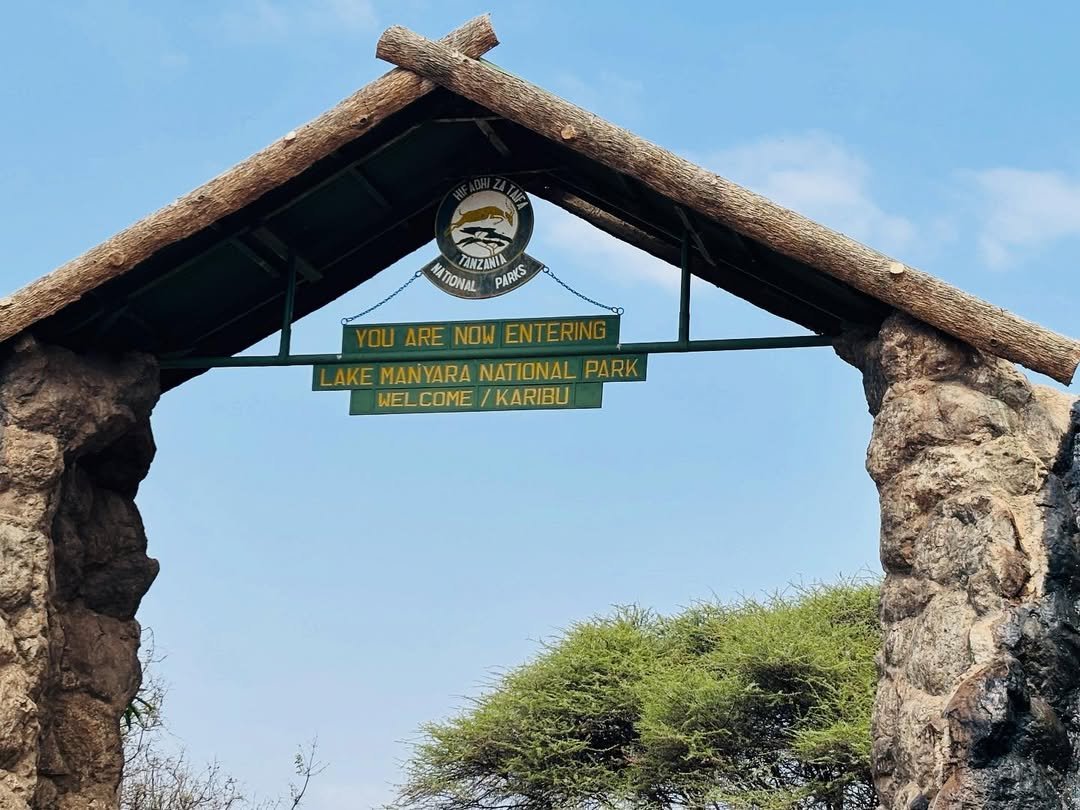
Lake Manyara National Park
Lake Manyara National Park is located in northern Tanzania, approximately 2 hours (120 km) west of Arusha, along the Great Rift Valley escarpment, near the town of Mto wa Mbu.

Discover the iconic Lake Manyara National Park, Tanzania
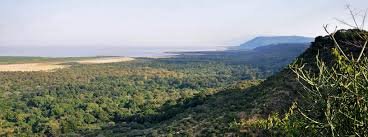
Lake Manyara National Park is a scenic gem located at the base of the Great Rift Valley escarpment in northern Tanzania. Despite its relatively small size, the park offers a rich diversity of landscapes, including lush groundwater forests, open grasslands, acacia woodlands, and the alkaline Lake Manyara itself.
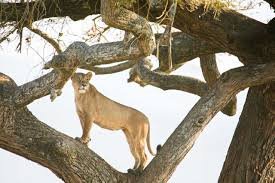
The park is famous for its tree-climbing lions, large troops of baboons, and impressive populations of elephants. The lake attracts thousands of flamingos and other bird species, making it a paradise for bird lovers.
With its breathtaking scenery and varied wildlife, Lake Manyara is an excellent introduction to Tanzania’s safari circuit and is often combined with visits to Ngorongoro Crater and Serengeti National Park.
Safari Cost
Safari costs vary depending on the season, accommodation level, and itinerary. Lake Manyara is typically included as part of a northern circuit safari package, making it a cost-effective destination.
What are the main attractions of the Lake Manyara National Park?
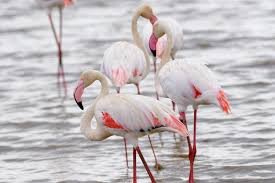
Lake Manyara (alkaline lake with flamingos)
The shallow alkaline waters of Lake Manyara attract thousands of flamingos and a wide variety of waterbirds, creating a stunning pink-hued shoreline during peak seasons.
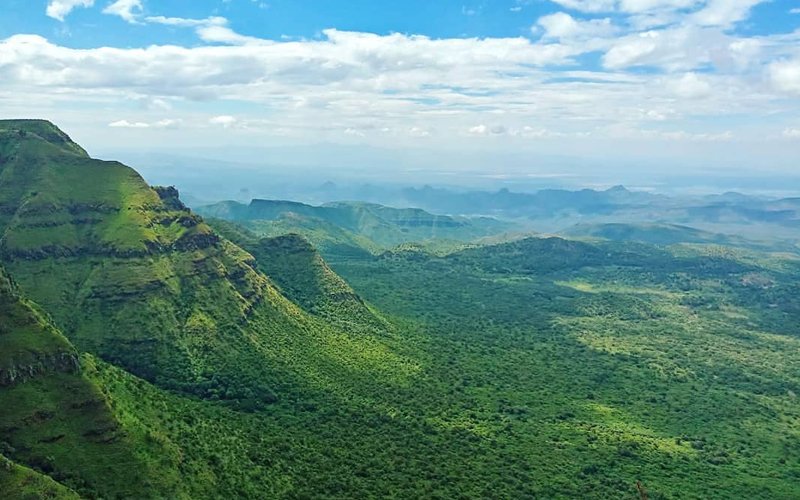
Great Rift Valley escarpment
A dramatic geological feature rising along the park’s western boundary, offering breathtaking views and a striking backdrop to the diverse landscapes below.
Groundwater forest
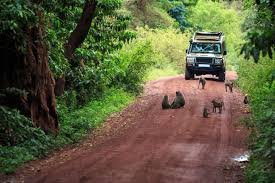
A lush, evergreen forest fed by underground springs, home to towering trees, playful monkeys, and large troops of baboons.
Tree-climbing lions
Lake Manyara is one of the few places in Africa where lions are known to climb trees, often seen resting on branches to escape the heat.
Hippo pools
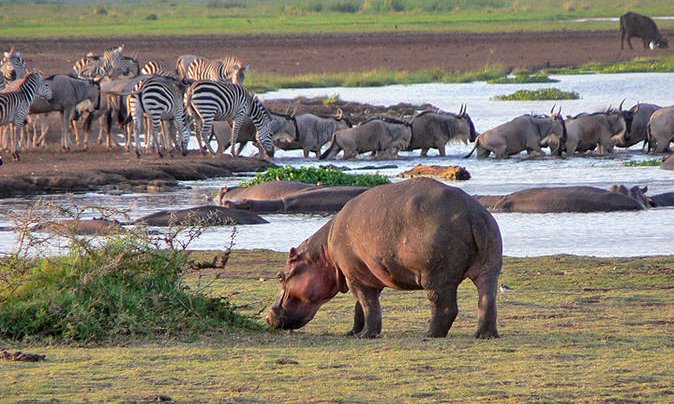
Popular viewing areas where visitors can observe hippos wallowing in the water, often accompanied by other wildlife gathering nearby.
Activities in the Lake Manyara National Park
Game drives
Explore the park’s diverse habitats on guided game drives, offering excellent opportunities to spot elephants, lions, giraffes, and more.
Bird watching
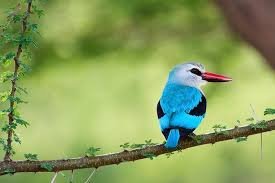
With over 400 bird species, Lake Manyara is a paradise for bird enthusiasts, especially known for flamingos, pelicans, and storks.
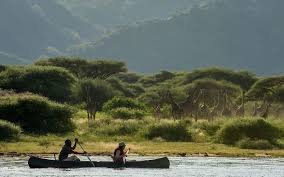
Canoeing (seasonal)
Enjoy a unique perspective of the park by canoeing along the lake’s edge, getting closer to wildlife and birdlife in a शांत natural setting.
Cultural tours in Mto wa Mbu
Visit the nearby village of Mto wa Mbu to experience local culture, traditional farming, and authentic Tanzanian life.

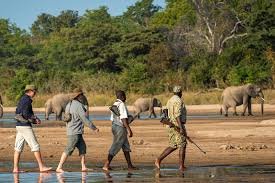
Walking safaris (with ranger)
Guided walking safaris allow you to explore the park on foot, offering a closer look at nature, tracks, and smaller wildlife.
Animals in Lake Manyara National Park

Elephants
Common

lions
Common

giraffes
Common

zebras
Common

hippos
Common


While Lake Manyara has diverse wildlife, it is not known for large populations of rhinos and has fewer predators compared to Serengeti National Park.
History of Lake Manyara National Park
Lake Manyara National Park was established in 1960 and is part of Tanzania’s northern safari circuit. The area has long been inhabited by local communities, particularly the Maasai, and remains an important ecological and cultural region.
Frequently Asked Questions about the Lake Manyara National Park
It is famous for its tree-climbing lions, large elephant herds, and abundant birdlife, including flamingos.
The park covers approximately 330 square kilometers, with about two-thirds of the area covered by the lake.kilometres,
The dry season (June to October) is best for wildlife viewing, while the wet season offers lush scenery and excellent birdwatching.