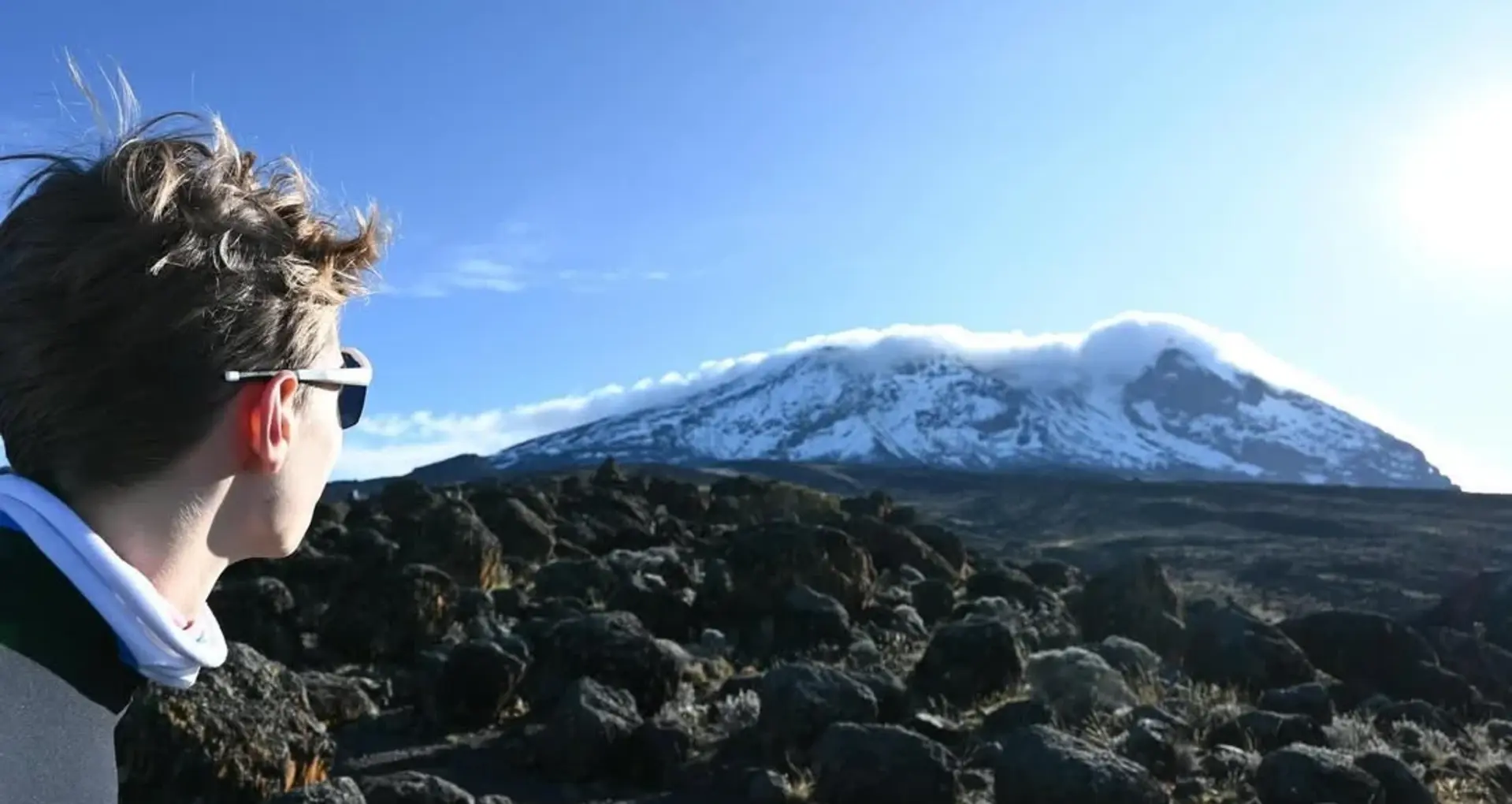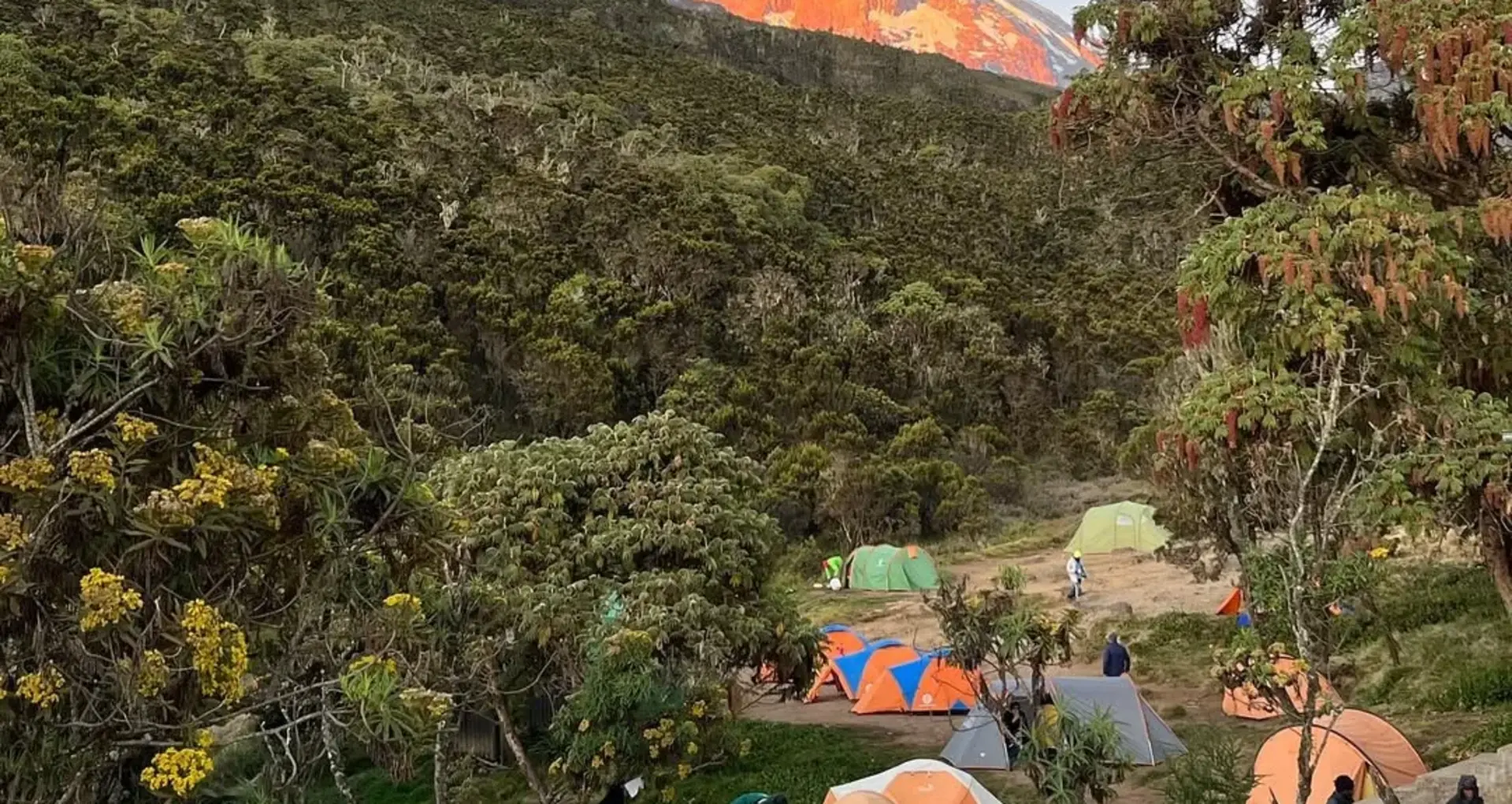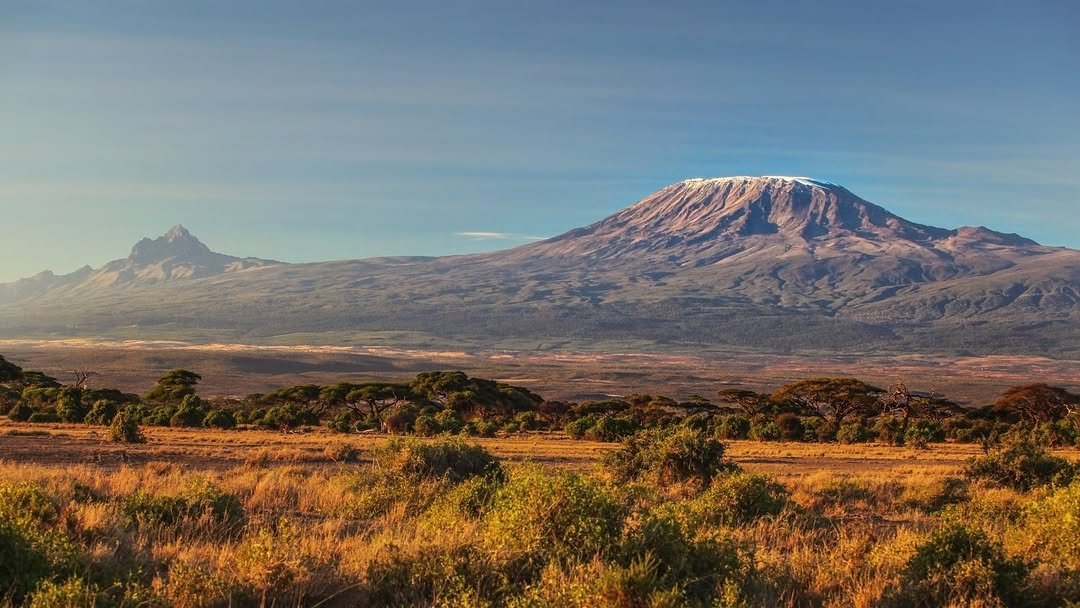
Climbing Mount Kilimanjaro is a bucket-list adventure that draws thrill-seekers and nature lovers from around the world. Despite its reputation as one of the most accessible high-altitude summits, reaching Uhuru Peak requires more than just enthusiasm; it demands proper physical and mental preparation. At Kilisherpas Travel, we believe that a well-structured training programme is key to ensuring your safety, comfort, and success on this extraordinary journey. In this guide, we outline essential workouts, nutritional strategies, and common pitfalls to avoid, empowering you to conquer Kilimanjaro with confidence.
What Level of Fitness Do You Need to Climb Kilimanjaro?
Understanding the physical demands of Kilimanjaro is fundamental to effective preparation. The trek is classified as moderately difficult, with gradual ascents and some steep sections that challenge endurance and strength. If you're able to comfortably run 10 km (6 miles) without stopping, you're generally ready for high-altitude trekking. However, it’s crucial to build strength in your legs, arms, shoulders, and core, as well as to prepare your ligaments, tendons, and joints for the rigours of the climb.
Weather considerations also influence difficulty. During Tanzania’s rainy season (April to early June), the trail becomes muddier and more treacherous, while the dry seasons (January-February and July-October) offer more favourable conditions. Regardless of your experience level, good physical shape is essential. Professional athleticism isn’t required, but consistent training is.
Types of Training for Kilimanjaro: Building Strength, Endurance, and Mental Resilience
Consistency is critical. Aim to train at least three times per week, combining aerobic (cardio) and strength exercises. Each session should begin with a warm-up and conclude with a cool-down to prevent injury and promote recovery.
Improving Endurance with Cardio Exercises
Activities such as swimming, cycling, brisk walking on an incline, or running on uneven terrain are excellent options. Incorporate interval training alternating between different intensities to boost stamina. Examples include:
Steady-state running: Maintain a pace where you can speak comfortably.
Tempo runs: Slightly faster pace, speaking only a few words at a time.
Sprints: Short, high-intensity bursts (30 seconds), followed by recovery walks (60 seconds). Aim for 80-90% effort during sprints.
Pro tip: Include one or two-day hiking trips in your training schedule. These simulate real trekking conditions, allowing you to test your gear, nutrition, and pacing while also aiding mental preparation.
Building Muscular Strength and Joint Stability
Strengthening key muscle groups reduces injury risk and improves overall trekking efficiency. Focus on:
Legs and stabilisers: Squats, lunges, calf raises, and side lunges. These enhance stability and endurance on uneven terrain.
Arms and shoulders: Push-ups, pull-ups, deadlifts, and core exercises like planks. These support your backpack and aid in using trekking poles effectively.
Additional advice: Consider weight training if you're experienced, but consult a personal trainer to avoid overtraining or injury.
Warm-Ups and Cool-Downs
Always begin workouts with dynamic stretches (leg swings, arm circles, and torso twists) and light cardio (e.g., jumping jacks or rope skipping). Spend 7-10 minutes post-exercise doing static stretching and breathing exercises to improve flexibility and promote recovery.
Sample Kilimanjaro Training Plan: 4-Week Program
Weeks 1-3: Focus on increasing duration and intensity. Week 4: Taper with lighter workouts to allow full recovery before your departure.
Weekly Workout Breakdown
Day 1:
5 min brisk walk (warm-up)
25 min steady jog or brisk walk
5 min cool-down
30 sec. plank
Day 2:
Warm-up: 10 min brisk walk
Strength circuit (3 sets of 30-60 seconds): squats, lunges, calf raises, push-ups, pull-ups, hanging from a pull-up bar
Light stretching
Day 3:
Rest or 60 min yoga focusing on back, legs, and core muscles
Day 4:
Warm-up: 5 min brisk walk
20 min interval running: 1 min fast, 2 min slow
5 min cool-down
3 sets of 30 sec side plank
Day 5:
30 min stair climbing or stepper exercise
Strength exercises: push-ups, inverted rows, Superman holds, planks
Day 6:
Rest or light activity such as swimming or gentle walking
Day 7:
40 min light jog or brisk walk
30 sec. plank
Long-Term Preparation and Mental Toughness
Begin your training 5-6 months before your trip, or even earlier if you lead a sedentary lifestyle. Gradually increase workout intensity and duration, listening to your body. The week before departure, reduce training intensity to allow full recovery.
Mental stamina is equally critical. During the climb, you’ll face moments of solitude and mental fatigue. Cultivating a positive mindset through visualisation, meditation, and mindfulness enhances resilience and enjoyment. Remember, Kilimanjaro is as much a mental challenge as it is physical.
Nutrition and Hydration Strategies for Success
Proper nutrition fuels your body for demanding physical activity. During the trek, hydration is vital. Aim to drink at least four liters of water daily, supplemented with electrolytes to replenish lost salts. Monitor your urine colour; darkening indicates dehydration.
Energy-boosting foods include easily digestible carbohydrates such as fruits, honey, and energy gels. Pack protein bars to support muscle recovery and maintain strength during long days. Test your nutrition plan during training to ensure it suits your digestion and taste preferences.
Common Mistakes to Avoid in Your Kilimanjaro Preparation
Overtraining before the trek: Pushing too hard can cause injuries or fatigue, impairing your performance.
Skipping training altogether: Long hikes and altitude adaptation require consistent effort to prevent muscle soreness and fatigue.
Neglecting gear testing: Break in your shoes, test your backpack, and try out your nutrition plan to prevent surprises on the mountain.
Ignoring medical advice: Consult a healthcare professional for a fitness check-up and altitude-related health considerations.
Climbing too fast: Ascend gradually to prevent altitude sickness. Take acclimatisation days seriously.
Starting your climb immediately after arriving: Allow your body time to adjust, and avoid rushing into strenuous activity right after flights.
Final Words: Embrace the Challenge
Climbing Kilimanjaro is a test of physical endurance, mental resilience, and character. With dedicated training, proper nutrition, and a positive mindset, you'll be well-equipped to reach the summit and enjoy the breathtaking views of Africa’s Roof. Remember, every step taken in preparation brings you closer to an unforgettable adventure. Let Kilisherpas Travel guide and support you on this journey; your unforgettable ascent awaits.