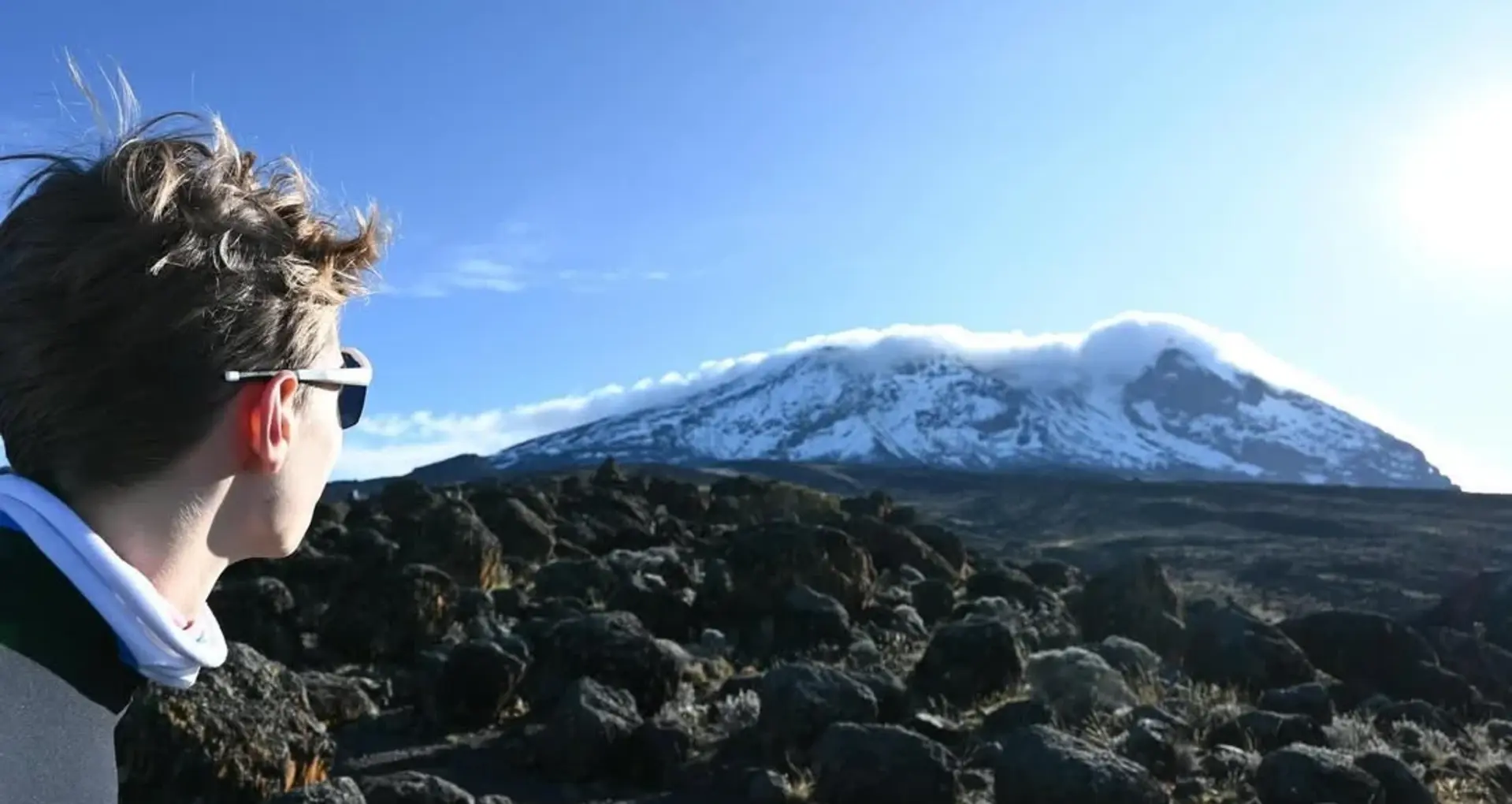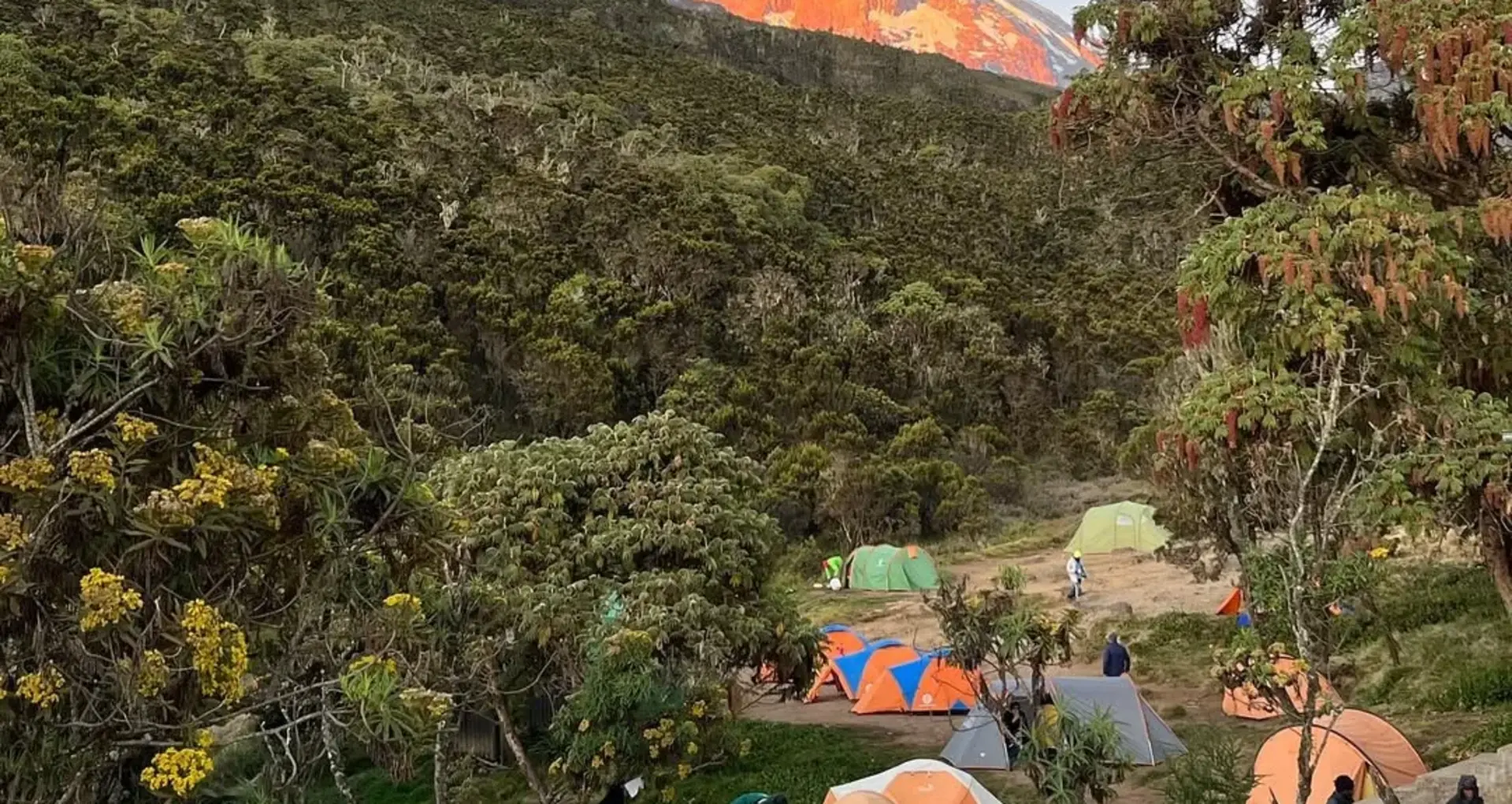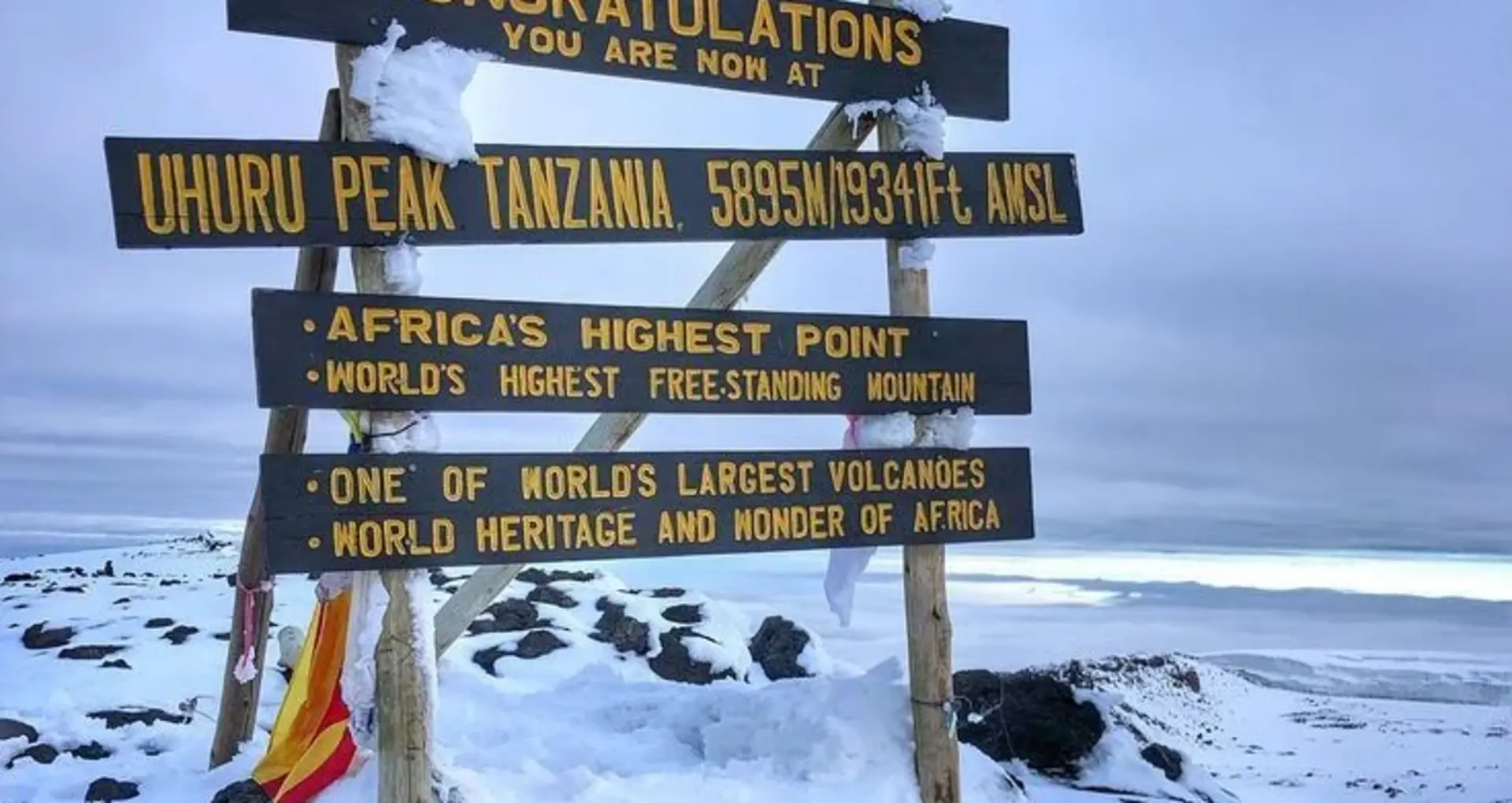
Climbing Mount Kilimanjaro is one of the most rewarding adventures in Africa, but many travellers wonder about the true cost of this iconic trek. The price varies widely depending on the operator, route, and level of comfort, making it essential to understand what’s included and what to expect for your investment. At Kilisherpas Travel, we’re committed to transparent, responsible, and high-quality expeditions. This guide breaks down the typical costs, what influences pricing, and how to choose a climb that balances safety, experience, and value.
1. Average Cost of a Kilimanjaro Climb
Budget, Standard, and Premium Options
Budget Climbs: USD 2,000–2,300 Often lack comprehensive safety measures, fair wages, and quality equipment.
Standard Expeditions: USD 2,500–3,500 Offer the best balance of safety, comfort, and value, with fair wages and proper gear.
Premium Climbs: USD 4,000–8,000+ Include luxury accommodations, upgraded gear, and personalised services.
Why the Cost Varies
The wide price range reflects differences in route length, comfort level, group size, and the quality of services. Choosing a responsible operator that adheres to Tanzanian regulations and KPAP standards ensures safety, fair wages, and environmental sustainability.
2. Why Is Climbing Kilimanjaro Expensive?
Major Cost Drivers
Mandatory Park Fees and Taxes: Every climber contributes to conservation and infrastructure through official fees set by TANAPA, including entrance, camping, rescue, and support team fees. These are non-negotiable and account for a significant part of the total cost.
Logistics and Support Staff: Since permanent camps are prohibited, all tents, food, fuel, and equipment must be carried up and down the mountain by porters. Responsible operators pay fair wages, comply with porter-to-client ratios, and invest in safety gear, which increases expenses.
Safety and Equipment: High-quality tents, oxygen systems, medical supplies, and communication devices are vital for safety and are costly to maintain and replace regularly.
Food and Supplies: Fresh ingredients, nutritious meals, and logistical support for transporting goods to high-altitude camps contribute heavily to costs.
Transportation: Airport transfers, ground transport, and fuel expenses in Tanzania are significant; fuel prices are notably high compared to Western countries.
The Cost of Ethical and Safe Climbing
Lower-priced operators often cut corners on safety, wages, and equipment, risking the well-being of climbers and staff. Responsible companies like Kilisherpas Travel prioritise ethical wages, safety protocols, and environmental sustainability, which naturally increases the price but guarantees a safer experience.
Kilimanjaro Park Fees Explained
Fee Type | Cost (USD) | Notes |
|---|---|---|
Conservation Fee | 70/day | Mandatory |
Camping Fee | 50/night | Most routes |
Hut Fee | 60/night | Marangu only |
Rescue Fee | 20 total | Does not include helicopter |
Team Fee | ~2 USD | Per crew member |
All fees are subject to 18% VAT.
Note: These fees are set and regulated by TANAPA and are non-negotiable. Additional fees apply for filming permits or special routes.
4. What Does Your Expedition Fee Cover?
Staff and Wages
Fair wages for guides, cooks, porters, and camp staff are essential to ethical climbing. Experienced guides with high safety standards increase a climber’s success rate and safety. Responsible operators adhere to KPAP standards—paying fair wages, providing proper gear, and maintaining safety protocols.
Equipment and Safety Gear
High-quality tents, oxygen systems, medical kits, and communication devices are crucial for safety. Regular maintenance and replacement of equipment are costly but vital.
Food & Logistics
Provisioning fresh, nutritious meals for the team, transporting supplies, and ensuring proper storage at high altitude adds to operational expenses.
Regulatory Compliance & Support
Expeditions include airport transfers, hotel stays, park entry, and support services—these are integral to a smooth, safe climb.
5. Additional Costs to Budget For
Flights to Tanzania: USD 800–2,000 depending on your departure country and season.
Visas: USD 50–100, depending on nationality.
Travel Insurance: USD 150–550, covering high-altitude trekking and emergency evacuation.
Tips: USD 250–600 per person, distributed among guides, porters, and support staff.
Equipment Rental or Purchase: Cost-effective for gear like sleeping bags, jackets, and trekking poles.
Hotel Nights Before & After Climb: Cost varies from USD 20 to 300 per night depending on hotel quality.
Vaccinations & Medications: Some travellers may need vaccinations or prophylactics like Diamox, adding a small extra cost.
6. Tips to Save Money Without Compromising Safety
Travel during the rainy season when operators often offer discounts.
Book flights early and look for deals; being flexible with travel dates saves money.
Join group climbs for shared costs—these are usually more economical than private expeditions.
Consider renting gear instead of buying, especially if you won’t use it again.
Stay in budget accommodations in Moshi or Arusha before and after your trek.
.
7. Choosing the Right Operator: Value vs. Cost
Responsible vs Budget Operators
Category | Budget Operator | Kilisherpas Travel Standard |
|---|---|---|
Wages | Very low | Fair & ethical |
Equipment | Old / worn | Modern, high-quality |
Safety Gear | Minimal | Full medical & oxygen |
Guides | Undertrained | Certified professionals |
Success Rate | Lower | High |
Remember: Choosing a responsible operator ensures your safety, supports local communities, and preserves the environment.
Conclusion:
Climbing Kilimanjaro is an investment in an unforgettable adventure. While responsible, high-quality expeditions cost more, they provide safety, comfort, and ethical support for the local staff and environment. At Kilisherpas Travel, we believe that responsible tourism is essential for a successful and meaningful climb. For detailed packages and personalised advice, contact us today and start planning your Kilimanjaro journey!