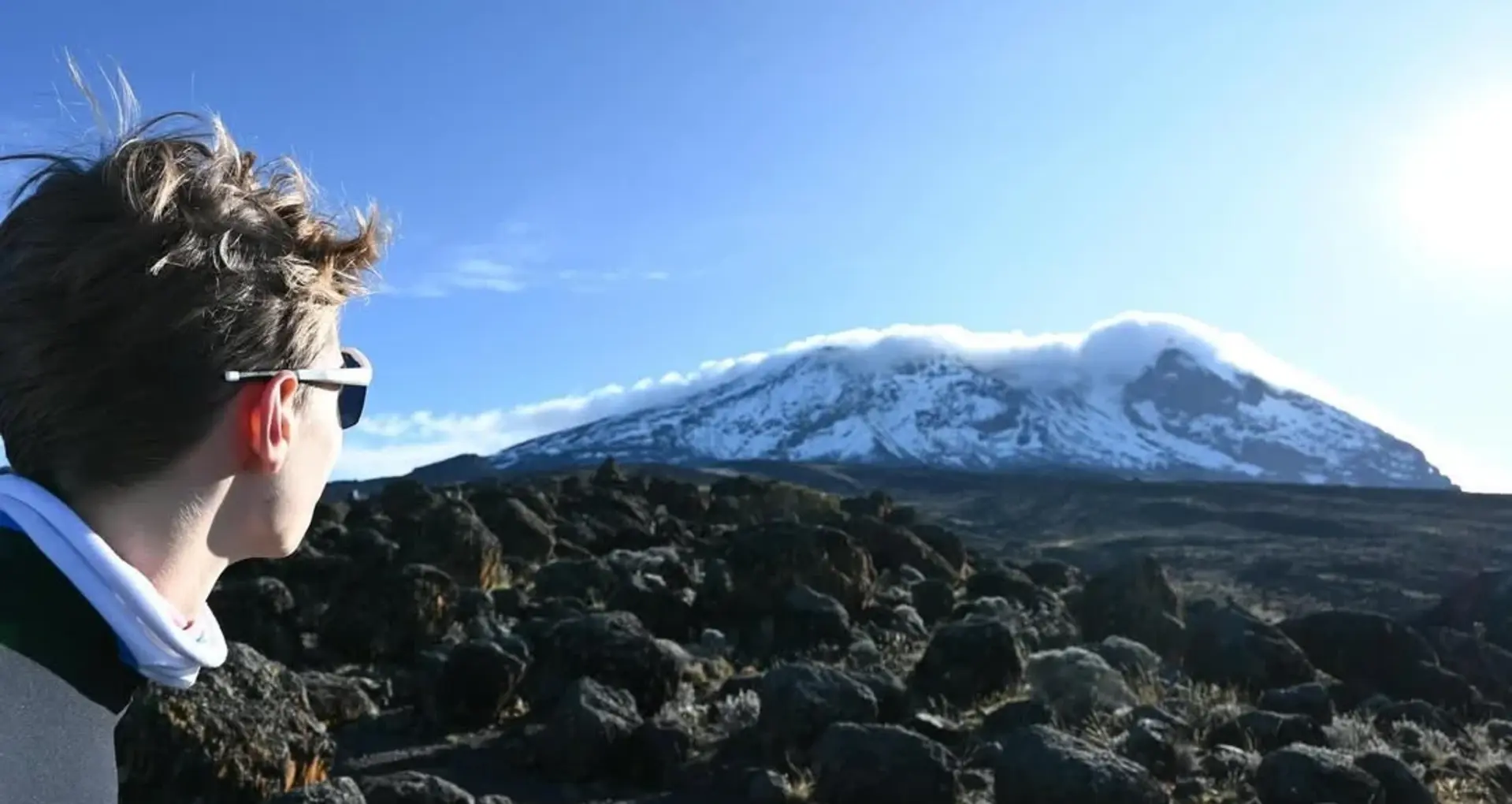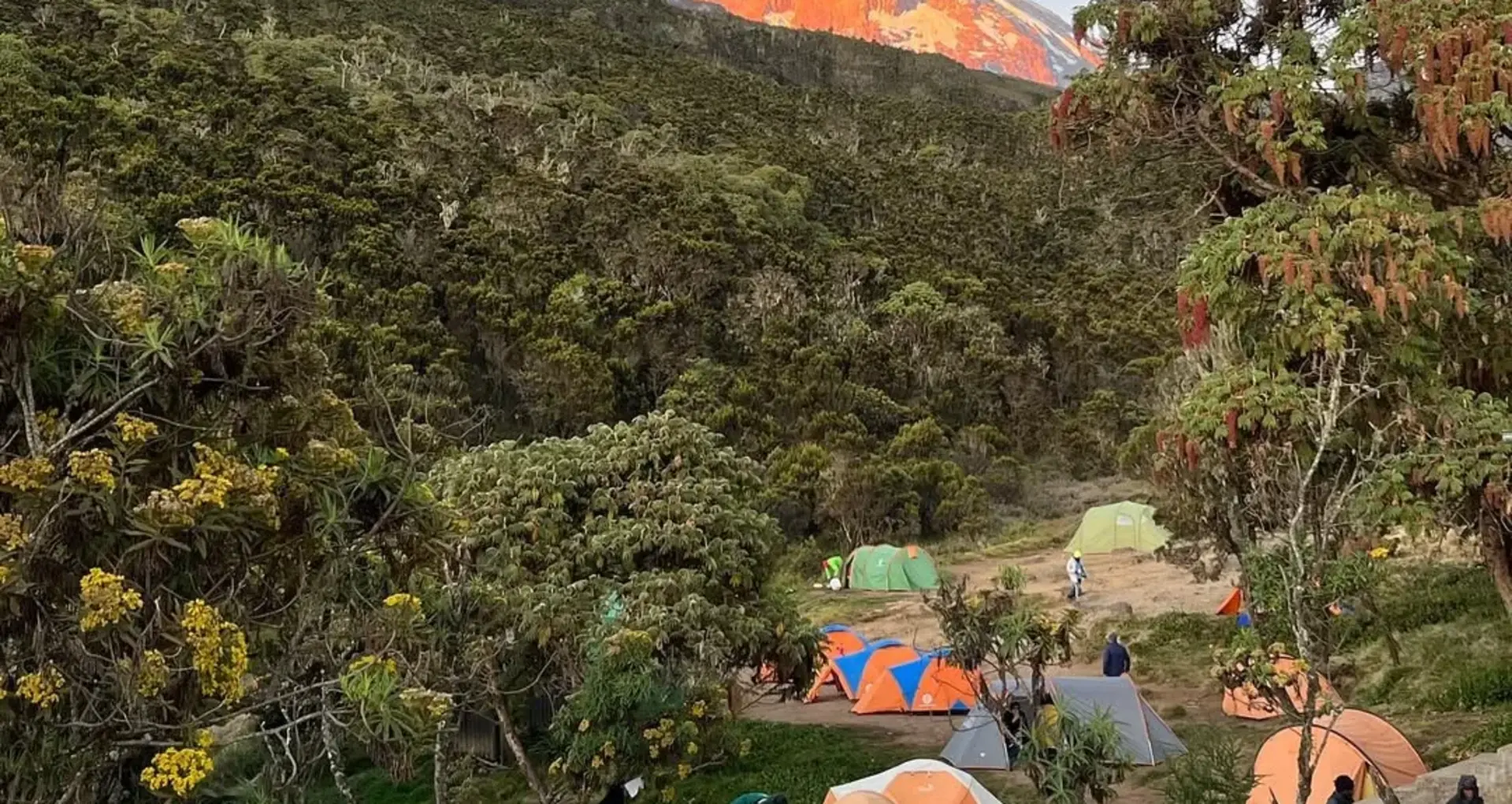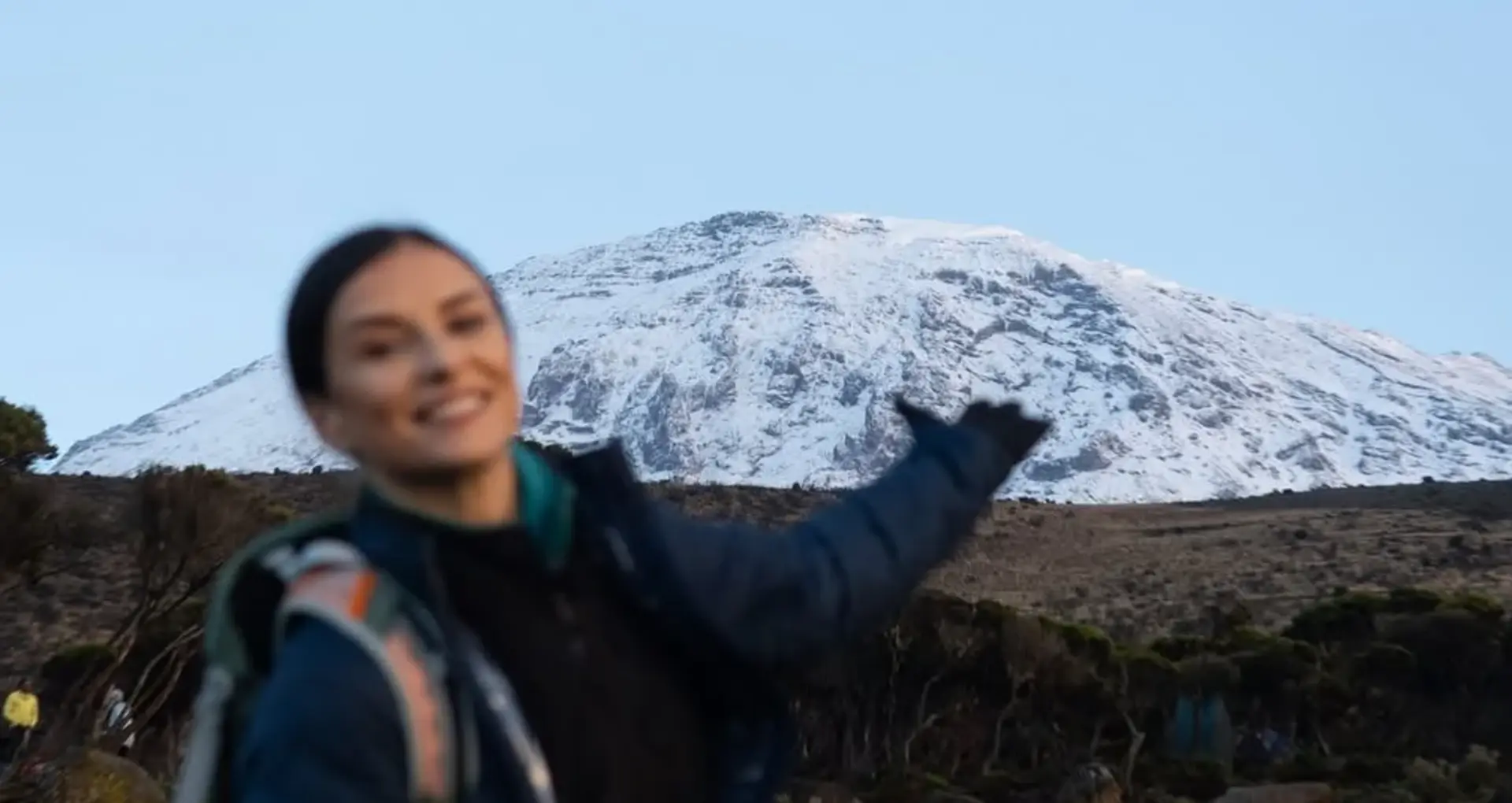
In November 2025, my partner Jack and I embarked on a journey to summit Mount Kilimanjaro, the world’s highest free-standing mountain. Like many first-time climbers, I devoured countless blogs, Reddit threads, and YouTube videos, eager to prepare. What I discovered was that many experienced climbers warned that Kilimanjaro is much tougher than it appears, debunking the myth that the climb is just a leisurely walk. Now, after completing the trek, I can honestly say that understanding what to expect beforehand makes all the difference. In this guide, I’ll share vital lessons and practical tips to help future trekkers prepare for this incredible adventure.
1. Arrive Early and Recover from Jet Lag
Travelling from Pittsburgh with layovers in New York, Amsterdam, and Istanbul, we knew that luggage delays could happen. So, we preemptively booked two extra nights in Tanzania. This turned out to be one of the best decisions—not because of luggage issues, but because it gave us time to recover from severe jet lag. The eight-hour time difference left us feeling groggy, and a day by the pool helped our bodies adjust. Arriving rested and refreshed meant we started the trek energised, making the experience far more enjoyable.
2. Choose Accommodation Close to Kilimanjaro
Most climbers stay in Arusha or Moshi before and after their trek, but staying closer to the mountain can significantly enhance your experience. Opting for a hotel near Kilimanjaro’s base allows for easier acclimatisation, less travel time, and more rest before the climb.
3. Opt for a Longer, Seven-Day or More Trek
Many first-timers underestimate the importance of acclimatisation. We selected the eight-day Lemosho route, which proved invaluable. The additional days allowed our bodies to adapt gradually, reducing altitude sickness. During the trek, we saw fellow climbers on shorter routes struggle with severe headaches and altitude sickness, especially at Barranco Camp. Slower, longer routes are safer and more enjoyable—they give your body time to adjust naturally.
4. Maintain a Steady, Slow Pace
The guiding mantra on Kilimanjaro is “pole pole”—Swahili for “slowly, slowly". This isn’t just advice; it’s a crucial strategy for success. Walking at a relaxed pace conserves energy, minimises altitude sickness, and allows time to appreciate the surroundings. Our guides emphasised the importance of teamwork and supported us in keeping a steady rhythm, which made the journey more comfortable and enjoyable.
5. Stay Hydrated
Hydration is vital for acclimatisation—fluids help your body transport oxygen efficiently. The recommended daily intake is about 3–4 liters (a gallon). Using a CamelBak makes it easy to sip regularly without stopping. To enhance hydration, I added electrolyte powders, which helped prevent muscle cramps and fatigue. Starting this habit before your trip ensures your body is prepared for the mountain’s dehydrating effects.
6. Prioritise acclimatisation hikes.
Our guides recommended short hikes after reaching each new camp: 'hike high, sleep low.' "These hikes, lasting around 30 minutes, significantly improved our acclimatisation and sleep quality. Don’t skip these; they help your body adjust and reduce the risk of altitude sickness. Leave your backpack behind and carry only water—these walks are manageable and beneficial.
7. Prepare the Right Gear
Invest in quality gear; your safety and comfort depend on it. A proper sleeping bag, durable boots, warm jackets, and rain gear are essential. Renting gear is a cost-effective option; we rented everything for $290 and used top-tier brands like Helly Hansen and Black Diamond.
Key gear tips:
Well-broken-in boots: Avoid new boots; break them in weeks before the climb to prevent blisters or toenail injuries.
UV-protective sunglasses: Protect your eyes from snow blindness with sunglasses rated UV 400 or higher.
A buff: Dust can be a nuisance, especially in the moorland zone—use a buff to cover your nose and mouth.
Dry clothes and extra boots: Keep a set of dry clothes for summit night, and bring backup boots if possible.
8. Pack Smart for Camp Life
Camp life is a big part of the Kilimanjaro experience. Here are essentials I recommend:
Comfortable slippers or Crocs: Perfect for relaxing after a long day in hiking boots.
Wet wipes and biodegradable towels: Staying clean is important; carry wipes in a sealed bag.
Dirty clothes bag: Keep soiled items separate for laundry afterward.
Earplugs: Noisy tents are common; earplugs help ensure restful sleep.
9. Mentally Prepare for Summit Night
Summit night is the most challenging part. We started around midnight, reaching Uhuru Peak at sunrise. It’s freezing, exhausting, and slow—expect to be on your feet for several hours. Support from guides, porters, and music helped us push through. I created a playlist that kept me motivated, with songs like “Thunderstruck” by AC/DC. Remember, the right mental attitude and good support are critical.
10. Get in Shape Before You Go
While you don’t need to be an elite athlete, good physical fitness makes a significant difference. Aim to do regular cardio—running, hiking, or walking at least 3 miles (5 km) comfortably. Training in advance will help conserve energy, recover faster, and enjoy the trek more fully.
11. Pack for the Summit
Bring a dedicated set of thermal underwear, thick socks, and a down jacket just for summit night. Keep these items dry and accessible. Also, fill your flask with hot water or tea to stay warm at high altitude. Extra snacks like energy bars, dried fruit, and chocolates are lifesavers—your body burns a lot of calories on Kilimanjaro.
Final Advice: Respect the Mountain and Enjoy the Journey
Kilimanjaro is a breathtaking, life-changing experience. While it’s demanding, proper preparation—physical, mental, and logistical—ensures your success and safety. Build your fitness, pack smart, choose a reputable operator, and take the time to enjoy every moment. The sunrise from Uhuru Peak is worth every effort, and the memories will stay with you forever.