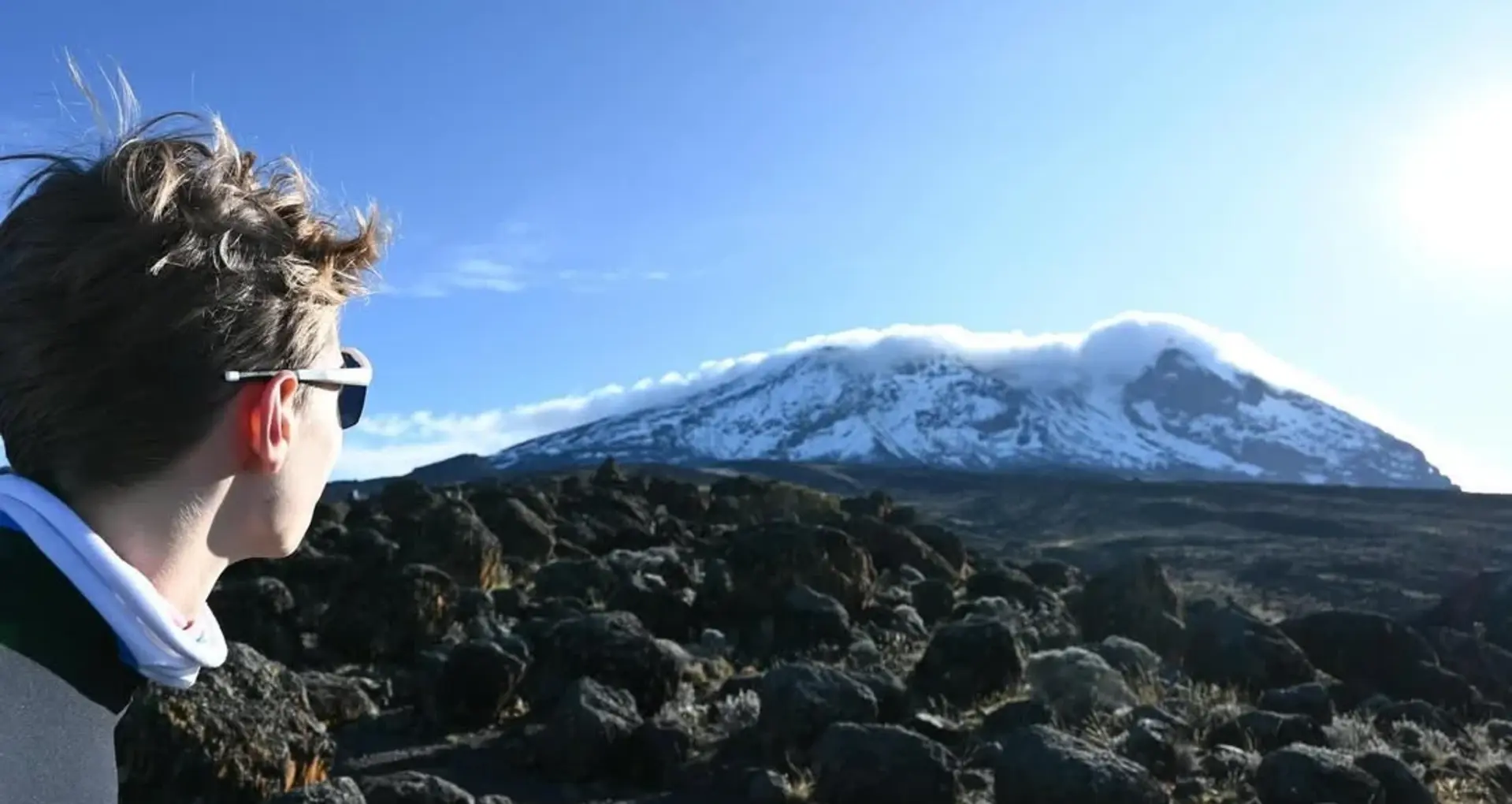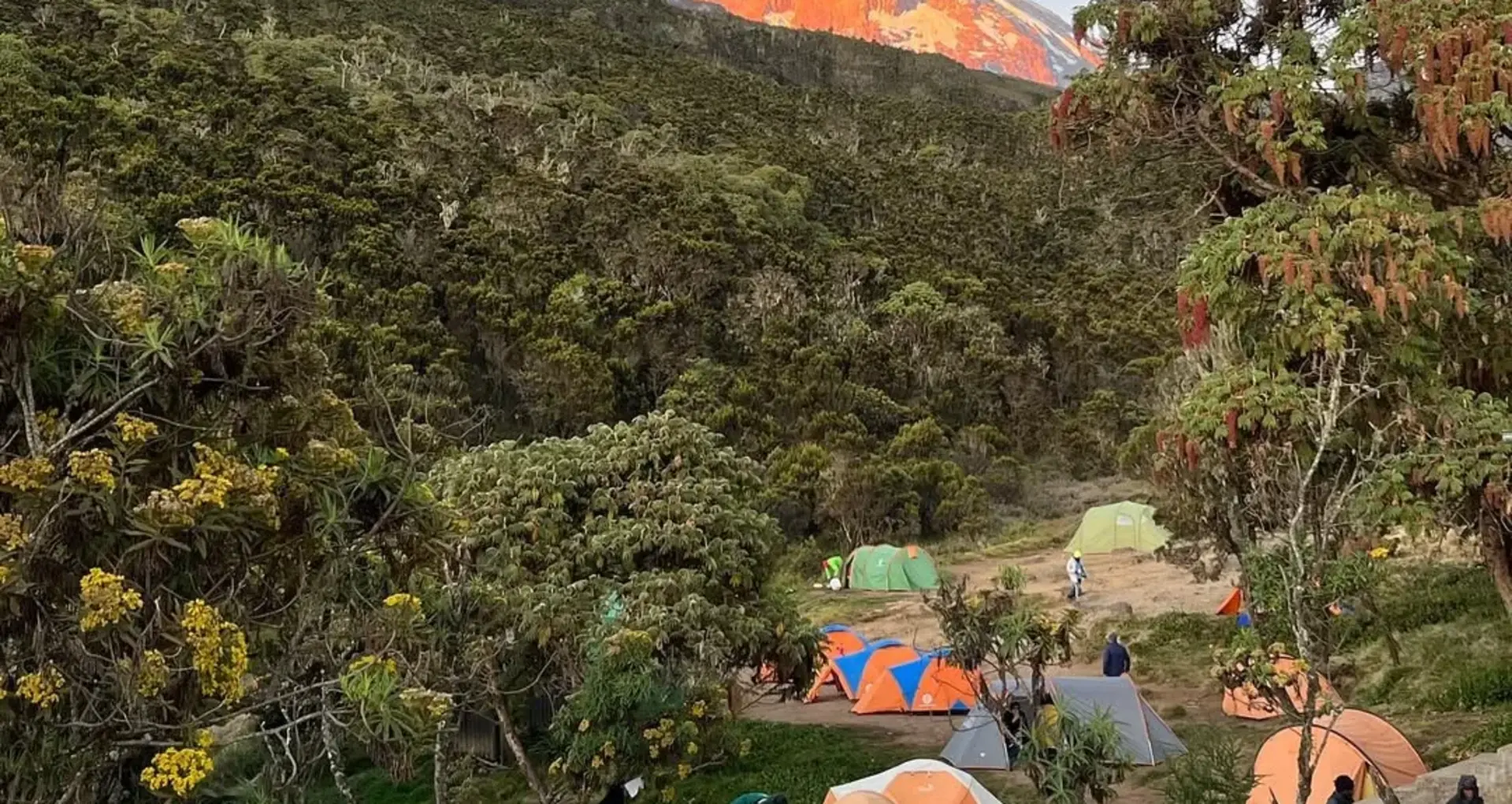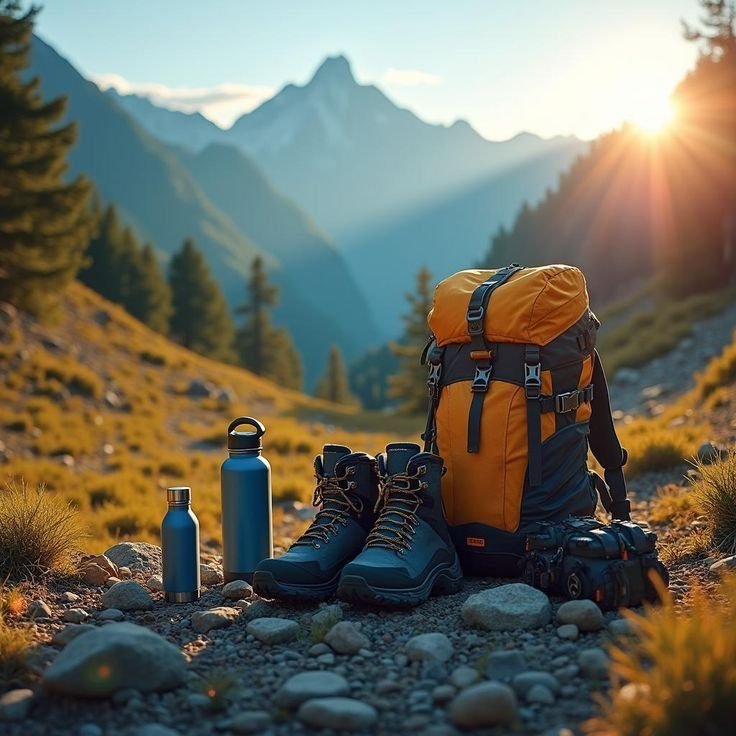
Climbing Mount Kilimanjaro is an extraordinary adventure, often considered the easiest of the “Seven Summits", but it’s far from a walk in the park. Proper planning and packing are crucial to a safe, successful ascent of Africa’s highest peak. With diverse climate zones, unpredictable weather, and extreme altitude, every piece of gear you bring can make the difference between a triumphant summit and a challenging ordeal. At Kilisherpas Travel, we’ve curated this comprehensive packing guide to help both novice and experienced climbers prepare effectively. Follow our expert recommendations to ensure your Kilimanjaro journey is comfortable, safe, and unforgettable.
Why Proper Packing Matters for Kilimanjaro
Despite its reputation, Kilimanjaro demands serious preparation. Many climbers underestimate the importance of the right gear, leading to discomfort, health risks, or even abandonment. From humid rainforest trails to icy summit conditions, your clothing and equipment must adapt to rapidly changing environments. Proper packing not only ensures your safety but also maximises your enjoyment of this once-in-a-lifetime experience.
Renting Equipment in Tanzania: An Economical and Convenient Solution
Opt for local gear rentals upon arrival in Tanzania to avoid the hassle and expense of travelling with bulky equipment. Kilisherpas Travel offers a wide selection of top-brand gear from The North Face, Marmot, Red Fox, and others – clean, well-maintained, and regularly refreshed. Renting is especially practical for first-time climbers or those unsure about investing in expensive gear that might only be used once.
Advantages of renting with Kilisherpas Travel:
Cost-effective, typically around USD 450-500 for complete gear sets
Access to high-quality equipment without the burden of extra luggage
Flexible options for all weather conditions and routes
Hassle-free process, with gear prepared and ready upon your arrival
Avoid Low-Quality Gear: Prioritize Safety and Comfort
Investing in reputable gear from trusted brands is essential. While you don’t need to buy the most expensive items, avoid extremely cheap gear that compromises safety, warmth, and durability. Quality gear ensures effective insulation, waterproofing, and support—crucial for high-altitude trekking.
Clothing Essentials for Kilimanjaro
Kilimanjaro traverses four distinct climate zones:
Tropical rainforest: humid, hot, and lush
Moorland and alpine zones: cooler, with variable weather
Arctic summit zone: icy, windy, and freezing temperatures
Your clothing must be layered, flexible, and capable of handling these drastic changes.
Jackets
Fleece Jacket (Insulation Layer):
A hooded fleece jacket made from Polartec-200 fabric is ideal. It provides warmth during chilly days and nights at lower altitudes. Recommended brands include The North Face, Red Fox, Mountain Hardwear, and Patagonia. Pack 2-3 fleece layers for versatility.
Warm Insulated Jacket:
For camp evenings and summit night, a hooded down or synthetic jacket rated to -15°C (5°F) is essential. Choose water-resistant models to withstand snow and rain. A quality down jacket with waterproof outer fabric offers superior warmth and protection.
Hard Shell Rain Jacket (Gore-Tex or similar):
Always pack a waterproof, windproof jacket for sudden rain or snow, especially at higher elevations. It serves as your third layer, protecting against wind and precipitation.
Trousers
Trekking Pants:
Durable, quick-drying trekking pants are suitable for most of the trek. They should be lightweight but sturdy enough for rugged terrain. Consider waterproof membrane pants or rain pants for wet conditions.
Warm Trousers/Ski Pants:
For summit night, wear insulated, windproof trousers that are water-resistant and lined with fleece. These should keep you comfortable in temperatures below -15°C (5°F).
Base Layers
Thermal Underwear:
Pack 2-3 sets of thermal base layers—lightweight for regular days and warmer wool for summit night. These are critical for maintaining core warmth.
Shirts:
Bring 3-4 moisture-wicking short-sleeve shirts and 2 long-sleeve shirts made of synthetic fabrics like polyester, nylon, or spandex. Avoid cotton, which retains moisture and can cause chills.
Essential Gear and Accessories
Bags & Backpacks
Daypack:
A lightweight, comfortable daypack (around 20-30 liters) with a rain cover, side pockets, and hydration compatibility. It carries daily essentials like snacks, a camera, sunblock, and extra layers.
Duffle Bag:
A large, water-resistant duffle (90-120 liters) for your main gear, carried by porters. Keep it under 15 kg, and pack valuables in dry bags for extra protection.
Dry Bags:
Use large dry bags inside your duffle to keep your gear safe from rain and moisture.
Water and Hydration
Water Bottles/Flasks:
Carry 1-2 durable, insulated water bottles (1-2 liters each) to prevent freezing and ensure hydration.
Hydration Bladder (Optional):
A high-quality, insulated hydration bladder is recommended for easy access to water during hikes. Ensure it’s compatible with your backpack.
Thermos:
Bring a thermos for hot drinks—tea or coffee boosts energy and morale.
Footwear and Socks
Hiking Boots:
High-quality, waterproof, and well-broken-in boots with ankle support are vital. Brands like La Sportiva, Zamberlan, The North Face, and Scarpa are trusted. Break in your boots with long hikes before the trip.
Sneakers (Optional):
For walking around camp or light trekking days, lightweight trekking sneakers can be convenient.
Trekking Socks:
Wool or synthetic socks (like Bridgedale) prevent blisters and wick moisture effectively.
Thermal Socks (Optional):
Extra warmth for summit night or cold weather.
Gaiters (Optional):
Protect your boots and pants from mud, snow, and rocks, especially during rainy seasons.
Headgear and Eye Protection
Sun Hat:
Wide-brimmed hat with neck protection to shield from sunburn.
Beanie:
A warm hat to keep your head and ears protected from cold.
Balaclava (Optional):
For wind and cold protection during summit night.
Neck Warmer (Optional):
Additional face and neck protection against cold and dust.
Sunglasses:
High UV protection, preferably with 3-4 layers of UV filtering. Reflective snow increases UV exposure—choose models from Julbo or Oakley.
Headlamp:
Essential for summit night and night-time camp navigation. Ensure it’s bright (>300 lumens) and has long-lasting batteries.
Gloves and Hand Protection
Light Inner Gloves:
Made of wool or synthetic materials for daytime warmth.
Insulated Outer Gloves or Mittens:
Waterproof and warm for summit night, capable of handling temperatures as low as -15°C (5°F).
Other Essentials
Sleep System:
Sleeping Bag: Rated for at least -10°C (14°F), preferably with a hood. Brands like Mountain Hardwear and The North Face are recommended.
Sleeping Bag Liner (Optional): Adds extra warmth.
Inflatable Pillow (Optional): For added comfort.
Personal Items:
Wet wipes, suncream, personal medications, and a small first aid kit.
Gadgets:
Camera, power bank (no outlets on the mountain), and e-reader or MP3 player for entertainment.
Gear Rental Options: Save Money and Space
If you don’t want to invest in gear you’ll only use once, Kilisherpas Travel offers a comprehensive rental service. We provide high-quality equipment from top brands at affordable rates, including sleeping bags, down jackets, trekking poles, and more. Renting is a cost-effective way to lighten your luggage and ensure you have reliable gear for your climb.
Final Tips for Packing Success
Test all gear before departure: Break in boots, wear layers, and check fit.
Pack versatile clothing: Layering is key to adapting to changing weather.
Keep essentials accessible: Use your daypack for daily items and dry bags for protection.
Prepare for emergencies: Carry extra batteries, medications, and a basic first aid kit.
Conclusion
Proper packing transforms your Kilimanjaro experience from a potentially uncomfortable challenge into an adventure of a lifetime. From durable footwear and technical clothing to reliable gear rental options, every item counts. Ready to start your journey? Contact Kilisherpas Travel today for expert advice, gear rental arrangements, and a seamless climbing experience. Your summit awaits!