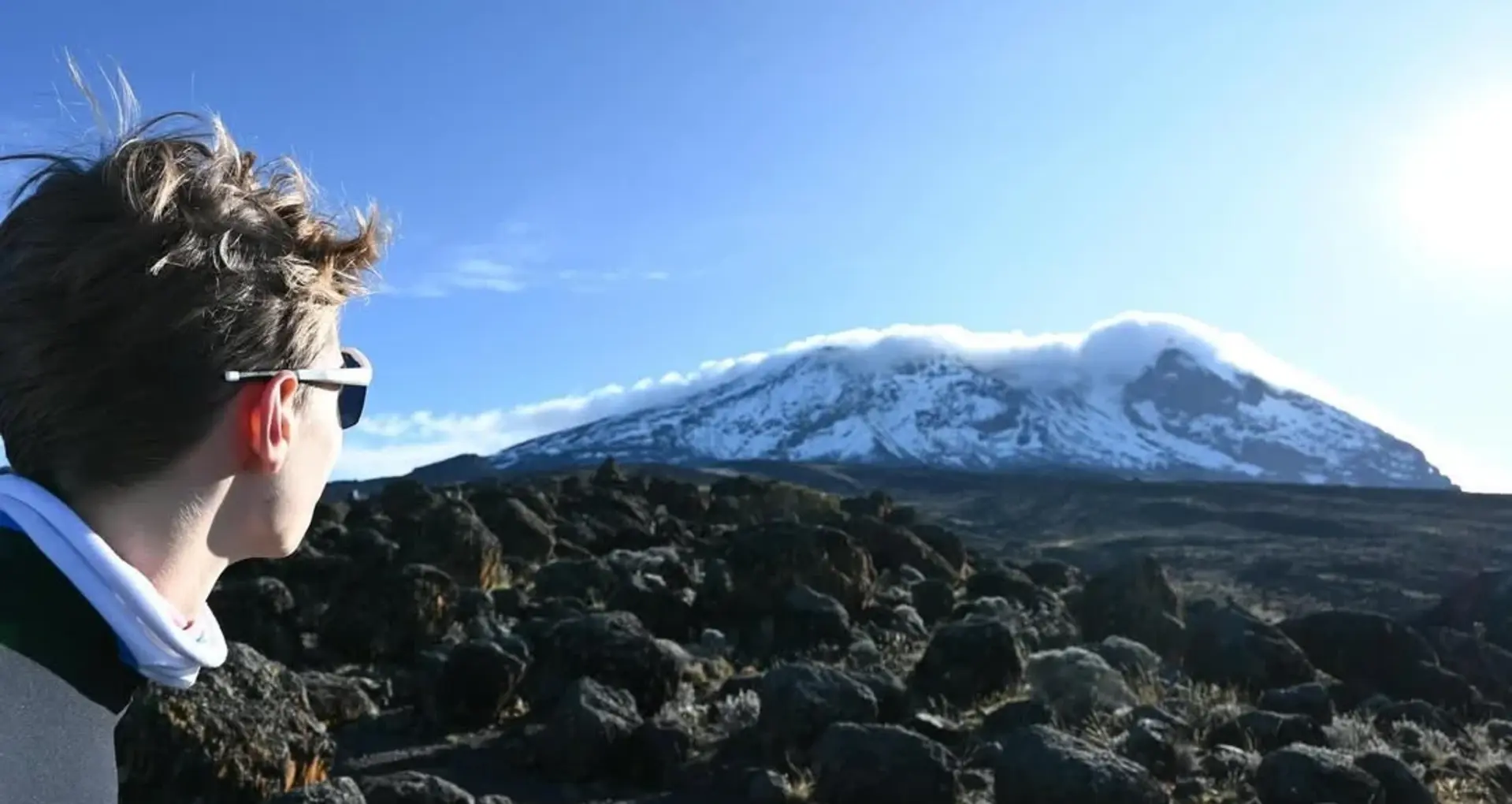
Mount Kilimanjaro offers a variety of routes, each with unique scenery, difficulty levels, and acclimatisation profiles. Choosing the right path is crucial for your success, comfort, and overall experience. At Kilisherpas Travel, we understand that every trekker has different preferences and fitness levels. This comprehensive guide details each of Kilimanjaro’s seven official routes to help you select the ideal one for your adventure.
Understanding Acclimatization Profiles
Why Acclimatization Matters
High-altitude acclimatisation is vital for reaching Uhuru Peak safely. Longer routes with more overnight camps and gradual ascents significantly improve your chances of success. Research shows that treks lasting seven days or more have a notably higher summit success rate than shorter expeditions.
Acclimatization Differences by Route
Routes like Lemosho, Machame, and Rongai—particularly their 7- and 8-day variations—offer the best acclimatisation profiles. Conversely, shorter routes such as Marangu and some six-day options are more physically demanding and carry a lower success probability unless you have prior high-altitude experience or have prepared extensively.
Which Experience Level Is Suitable for Each Route?
Beginners: We recommend the Lemosho (7-8 days), Machame (7 days), or Northern Circuit routes. These routes offer better acclimatisation, scenic diversity, and a higher chance of success.
Intermediate/Experienced Climbers: Climbers with prior high-altitude experience or acclimatisation can consider routes like Marangu or Rongai, but preparation with prior acclimatisation—such as summiting Mount Meru—is highly advised.
Scenic Highlights of Each Route
Scenic Diversity and Unique Landmarks
Lemosho Route: Begins on the lush Shira Plateau, offering panoramic views of the collapsed caldera, endemic flora, and wildlife. It’s one of the most scenic and least crowded routes, with excellent acclimatisation potential.
Machame Route: Starts in dense rainforest, passing through varied ecosystems, including the Barranco Wall—a striking rock formation that challenges trekkers with dramatic views.
Rongai Route: Approaches from the northern side, passing through coniferous forests, offering a more remote and tranquil experience.
Northern Circuit: The longest route, providing the most comprehensive experience, with views of the Kibo crater and a less crowded atmosphere.
Shira Plateau: Rich in endemic plants like dendrosenecio kilimanjari, with breathtaking vistas and a chance to see wildlife in the early stages of ascent.
Landmark Features
Barranco Wall: An iconic obstacle on Machame, Lemosho, and Umbwe routes, known for its dramatic climb and stunning views.
Shira Plateau: Offers panoramic vistas and unique flora, ideal for photography and nature lovers.
Trailhead and Crowd Levels
Popularity and Crowds
Marangu Route: The busiest, attracting about half of all Kilimanjaro trekkers, mainly due to its proximity to Moshi and the availability of mountain huts.
Machame Route: The second most popular, favoured for its scenic diversity and success rate, especially on 7-day itineraries.
Lemosho, Rongai, Umbwe, and Northern Circuit: Tend to be quieter, especially during off-peak seasons, providing a more solitary trekking experience.
Seasonality
Dry Season (Late December–Early March & Mid-June–Early October): Peak trekking times, with clear weather but busier trails.
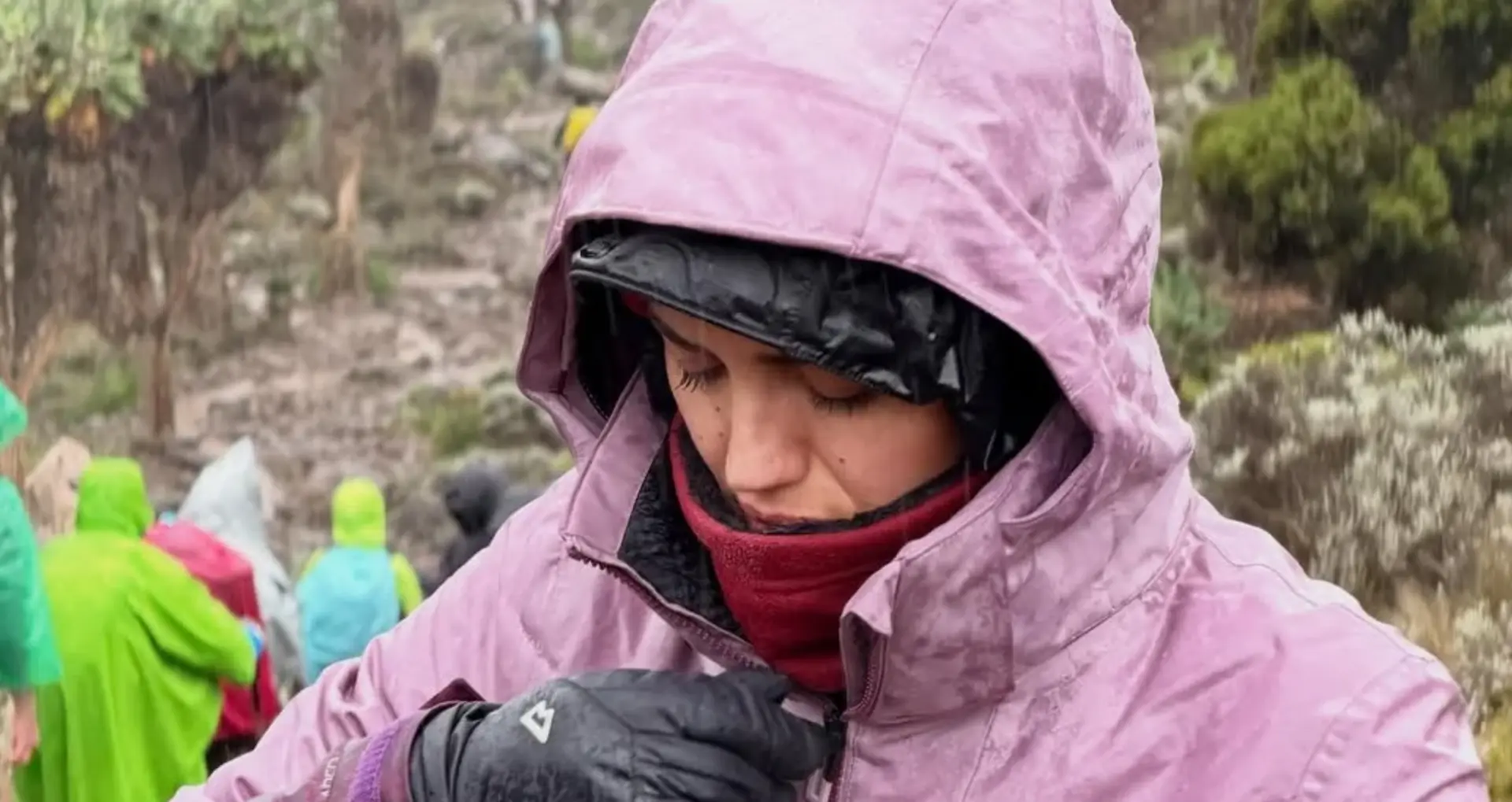
Rainy Season (Mid-March–June & October–November): Fewer hikers, especially on routes like Rongai and Marangu, which have hut accommodations providing better protection against rain.
Accommodation Styles
Tents vs. Huts
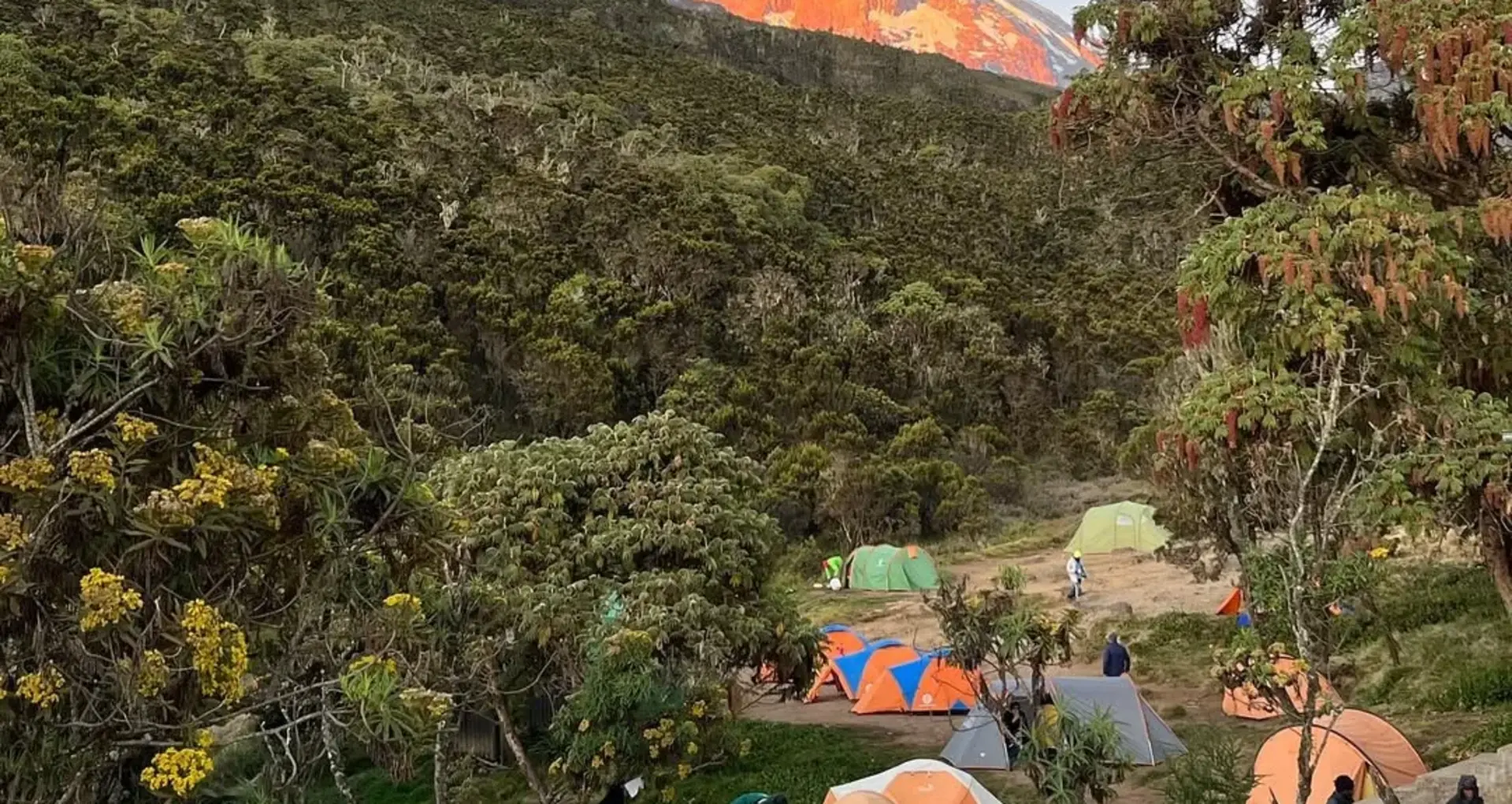
Tented Routes (Lemosho, Machame, Rongai, Northern Circuit, Umbwe): Sleep in mountain tents carried and pitched by porters, offering more flexibility and comfort, especially in bad weather.
Hut Route (Marangu): Sleep in shared wooden huts with dormitory-style beds, which are more protected from rain but can be noisier and more crowded.
Comfort and Extra Features
At Kilisherpas Travel, we enhance your experience with high-quality, insulated tents, nutritious meals, private toilets, and showers where permitted. While Marangu offers hut accommodations, we focus on providing the best possible tented experience for other routes, with optional single tents and spacious setups.
How to Choose the Right Route for You
Personal Preferences and Goals
Scenic routes with less crowding: Lemosho and Northern Circuit are ideal.
Shorter, more direct routes: Marangu (6 days), suitable for those on limited time or less concerned with acclimatization.
Remote and tranquil experience: Rongai offers solitude and magnificent landscapes.
Challenge and adventure: Umbwe is the most direct route, steep and demanding.
Experience and Preparation
Your prior hiking experience, health, and acclimatisation level should influence your choice. For first-timers, we recommend longer routes with better acclimatisation profiles, and for seasoned climbers, shorter routes or combining acclimatisation with climbing Mount Meru.
Final Thoughts: Making Your Choice
There is no one-size-fits-all answer. The best route depends on your fitness, experience, scenic preferences, and time constraints. Our expert team at Kilisherpas Travel is here to guide you through the decision-making process, ensuring you select the route that aligns with your goals and maximises your chances of reaching Uhuru Peak.
Remember: Proper acclimatisation, pacing, and preparation are more important than the route itself. Whichever path you choose, Kilisherpas Travel is committed to making your Kilimanjaro adventure safe, scenic, and unforgettable.