Embarking on a Kilimanjaro climb is an extraordinary adventure that combines breathtaking scenery with physical challenge. To help you prepare mentally and logistically, Kilisherpas Travel provides a detailed overview of what a typical day on the mountain looks like. From waking up to reaching new camps, every step is designed to maximize your safety, comfort, and acclimatization. Discover what to expect during your daily routine on Kilimanjaro and how to make the most of each day.
1. Early Morning Wake-Up & Preparation
Starting the Day
Your day begins between 6:00 am and 6:30 am, when your experienced mountain guide will wake you with a hot drink and warm water for washing. This invigorating start helps you shake off the cold and prepares you mentally for the day ahead.
Personal Preparation
After waking, you'll pack your personal belongings, organize your gear, and get ready for the trek. Proper packing and organization are essential to ensure a smooth and enjoyable climb.
2. Breakfast Time & Morning Briefing
Breakfast on Kilimanjaro
Between 7:00 am and 7:30 am, you'll enjoy a hearty breakfast at the campsite. This meal typically includes options like porridge, eggs, toast, and fresh fruits, providing vital energy for the day’s trek.
Daily Briefing & Health Check
While you eat, your guides and porters will organize the packing of your tent and supplies for the next camp. During or immediately after breakfast, your guide will brief you on the day's itinerary, including the planned route, expected weather conditions, and safety tips. This is also a perfect opportunity to ask questions or raise concerns about your health or equipment.
3. Starting Your Trek
Departure Time
Most treks begin between 8:00 am and 8:30 am. We recommend starting early because the cooler morning temperatures and higher energy levels will help you trek more efficiently and safely.
Trekking & Exploration
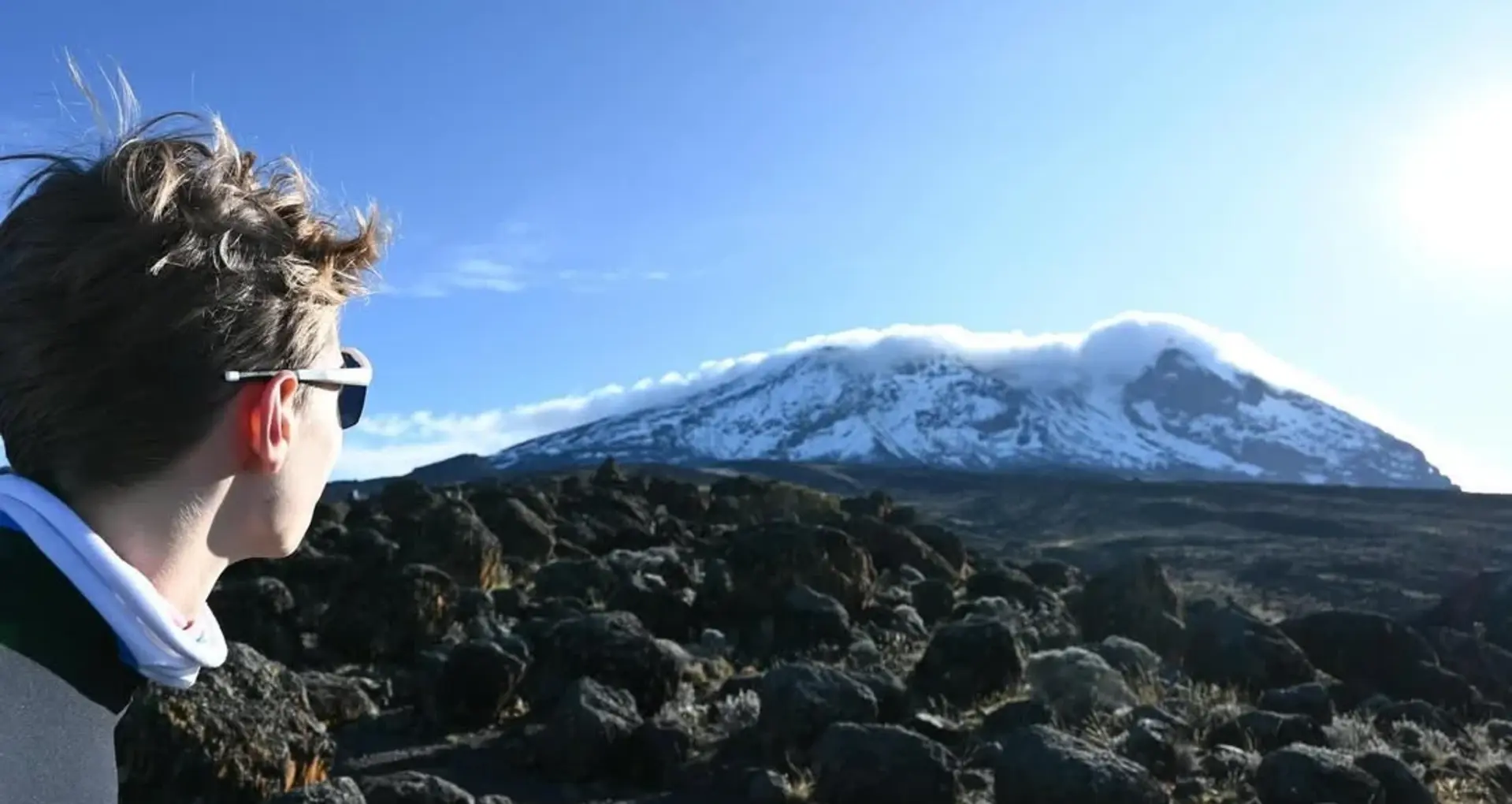
Once on the trail, you'll enjoy the stunning scenery of Kilimanjaro's diverse ecosystems. Your guide will lead the group, and your porters will set up the next camp along the route, ensuring everything is ready for your arrival.
4. Arriving at the Next Camp & Rest Breaks
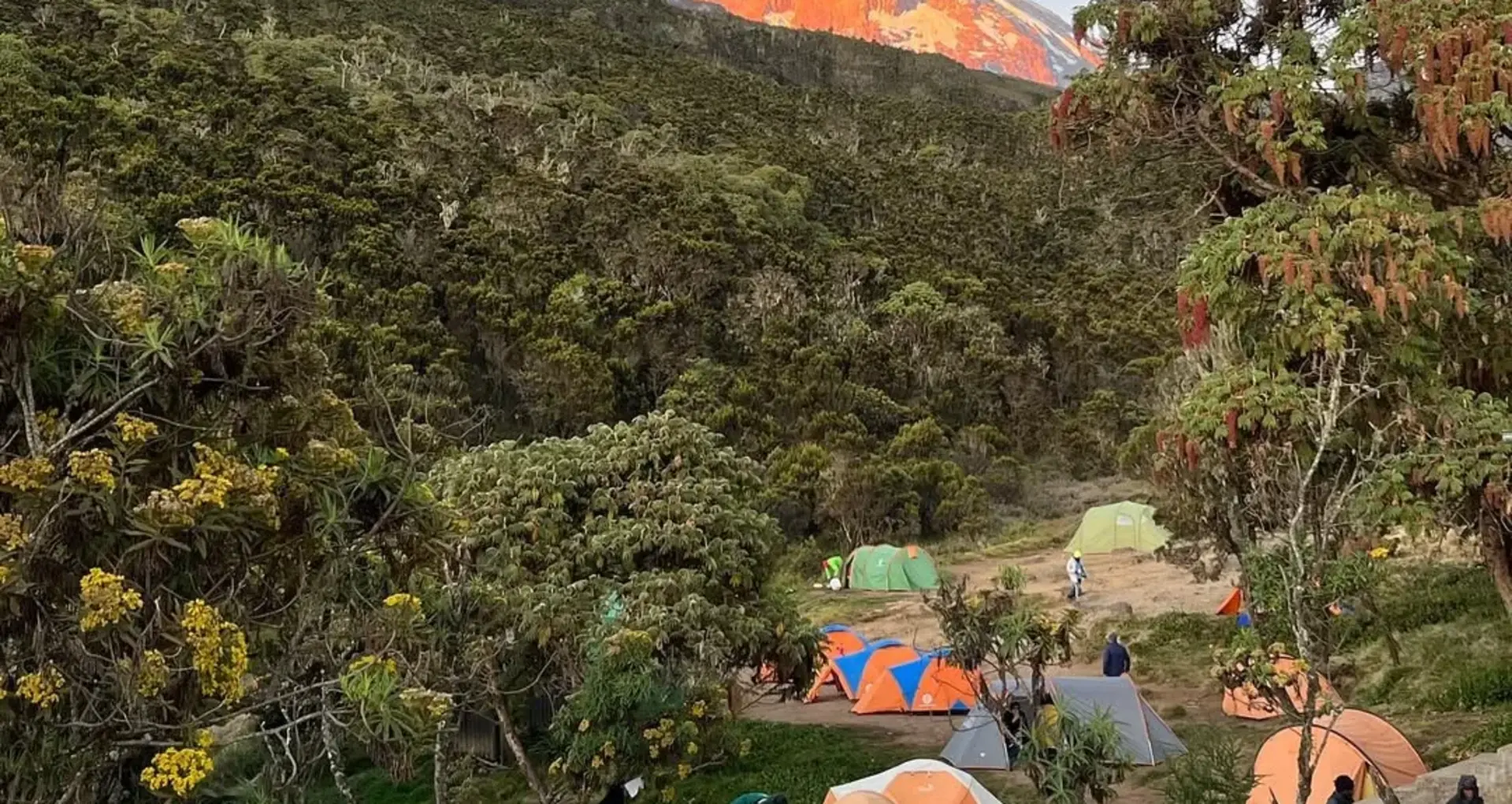
Camp Setup & Rest
Upon reaching your next campsite, you'll be greeted with hot water for a quick wash, along with hot drinks and snacks to refuel your body after the day's hike. This is also a good time to rest and acclimatize, which is crucial for your body's adaptation to higher altitudes.
Short Acclimatization Hike
Before dinner, many groups go on a brief acclimatization trek — a short hike to a slightly higher altitude. This helps your body adjust and prepares you for the summit push.
5. Evening & Dinner
Dinner & Debriefing
After a day of trekking, you'll gather for a nourishing dinner. This meal typically includes a variety of local and international dishes, designed to replenish your energy reserves. Your guides will hold a debriefing session, discussing the day’s progress, challenges faced, and plans for the next day.
Sharing Experiences
Evenings are a great opportunity to share your experiences with fellow climbers, ask questions, and relax before resting for the next day’s adventure.
6. Preparing for the Next Day
Rest & Sleep
Getting adequate rest is vital to your success on Kilimanjaro. The mountain’s altitude can affect sleep quality, so ensure you sleep well and stay hydrated. Your guides will advise on sleep strategies and help you manage altitude-related discomforts.
Night Routine & Hydration
Remember to drink plenty of water and avoid alcohol or caffeine, which can dehydrate you further and impair acclimatization.
Conclusion:
Your daily routine on Mount Kilimanjaro is carefully structured to optimize your energy, safety, and acclimatization. From early mornings to restful nights, each day is a step toward conquering Africa’s highest peak. At Kilisherpas Travel, we are dedicated to ensuring your experience is not only adventurous but also safe, comfortable, and memorable. Prepare for an unforgettable journey—your summit awaits!