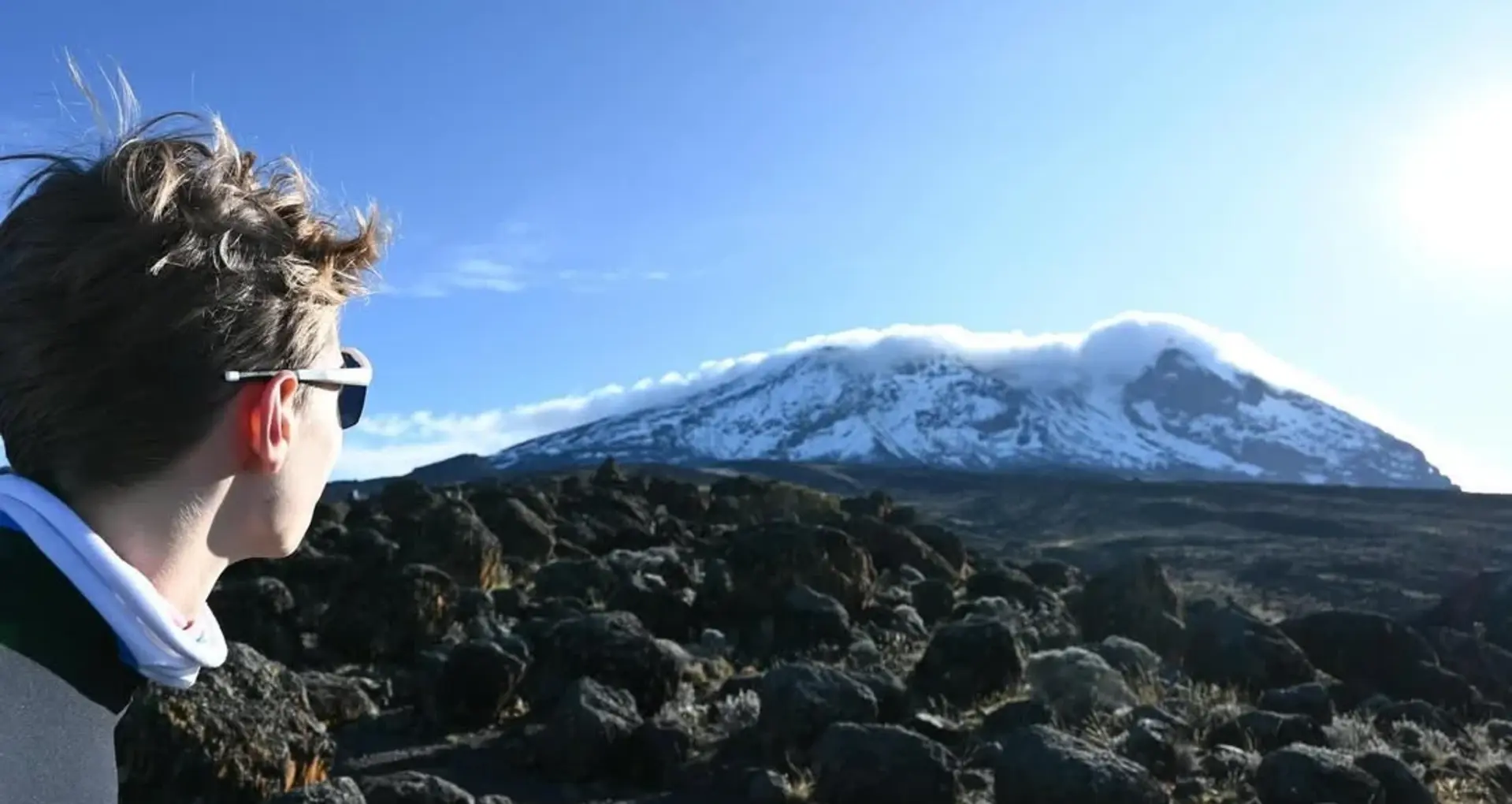
Climbing Mount Kilimanjaro is often described as a bucket-list achievement—an incredible feat of endurance and determination. But just how difficult is it to conquer Africa’s highest peak? At Kilisherpas Travel, we understand that many aspiring climbers are curious about the challenges involved and what it takes to reach the summit. In this guide, we explore the physical, mental, and logistical aspects of climbing Kilimanjaro, helping you assess the difficulty level and prepare accordingly for this life-changing adventure.
1. The Reality of Climbing Kilimanjaro: A Challenging but Achievable Goal
The High Rate of Success and Failure
Recent studies show that over 50% of individuals attempting Kilimanjaro experience altitude sickness, and just over 65% manage to reach Uhuru Peak—the summit. The mountain’s extreme altitude, combined with factors like fitness levels and mental resilience, contributes to these statistics. Many climbers find the journey physically demanding, especially during the summit night, which is often considered the most challenging part of the trek.
Why is Kilimanjaro difficult?
While the trails are generally not technically difficult—no ice axes or ropes are required—the mountain’s altitude is the main obstacle. At 19,341 feet (5,895 meters), the thin air poses significant risks, and acclimatisation is critical. The combination of altitude, weather conditions, and physical endurance determines how hard the climb will be for each individual.
2. Is Kilimanjaro a Technical Climb?
Short answer: No. Kilimanjaro is a “walk-up” peak, meaning it requires no technical mountaineering skills. You won’t need ropes, harnesses, or specialised equipment—just good hiking boots, appropriate clothing, and a determined mindset. This accessibility makes it popular among trekkers with varied experience levels, but it doesn't diminish the mountain’s physical and mental demands.
3. The Biggest Challenge: Altitude and Acclimatization
Why Altitude is the Main Difficulty
The primary challenge is dealing with the reduced oxygen levels—about 49% less oxygen at high altitudes—and the risk of altitude sickness. Proper acclimatisation, slow pacing, and hydration are essential to prevent serious health issues. The longer the route (6+ days), the better your chances of acclimatising effectively.
Tips for Managing Altitude
Walk slowly: The Swahili word "pole pole” (slowly, slowly) is the mantra for ascent. Keep your pace slow to conserve energy and improve acclimatisation.
Use medication: Some climbers take Diamox (prescription required) to aid acclimatisation.
Stay hydrated: Drink plenty of water to help your body adjust and recover.
Take rest days: Longer routes with more days on the mountain allow your body to adapt better.
4. How Does Fitness Affect the Difficulty?
You don’t need to be an elite athlete, but a reasonable level of fitness is essential. The trek involves walking for several hours each day, often uphill with a loaded backpack. Being physically prepared helps you recover faster, reduces fatigue, and makes the experience more manageable.
Preparing Physically
Incorporate cardio, strength, and endurance training into your routine before the climb.
Practice walking with a weighted pack.
Gradually increase your hiking distances to build stamina.
For detailed training plans, consult our comprehensive guide on how to train for Kilimanjaro.
5. Sleeping and Camping Challenges on the Trail
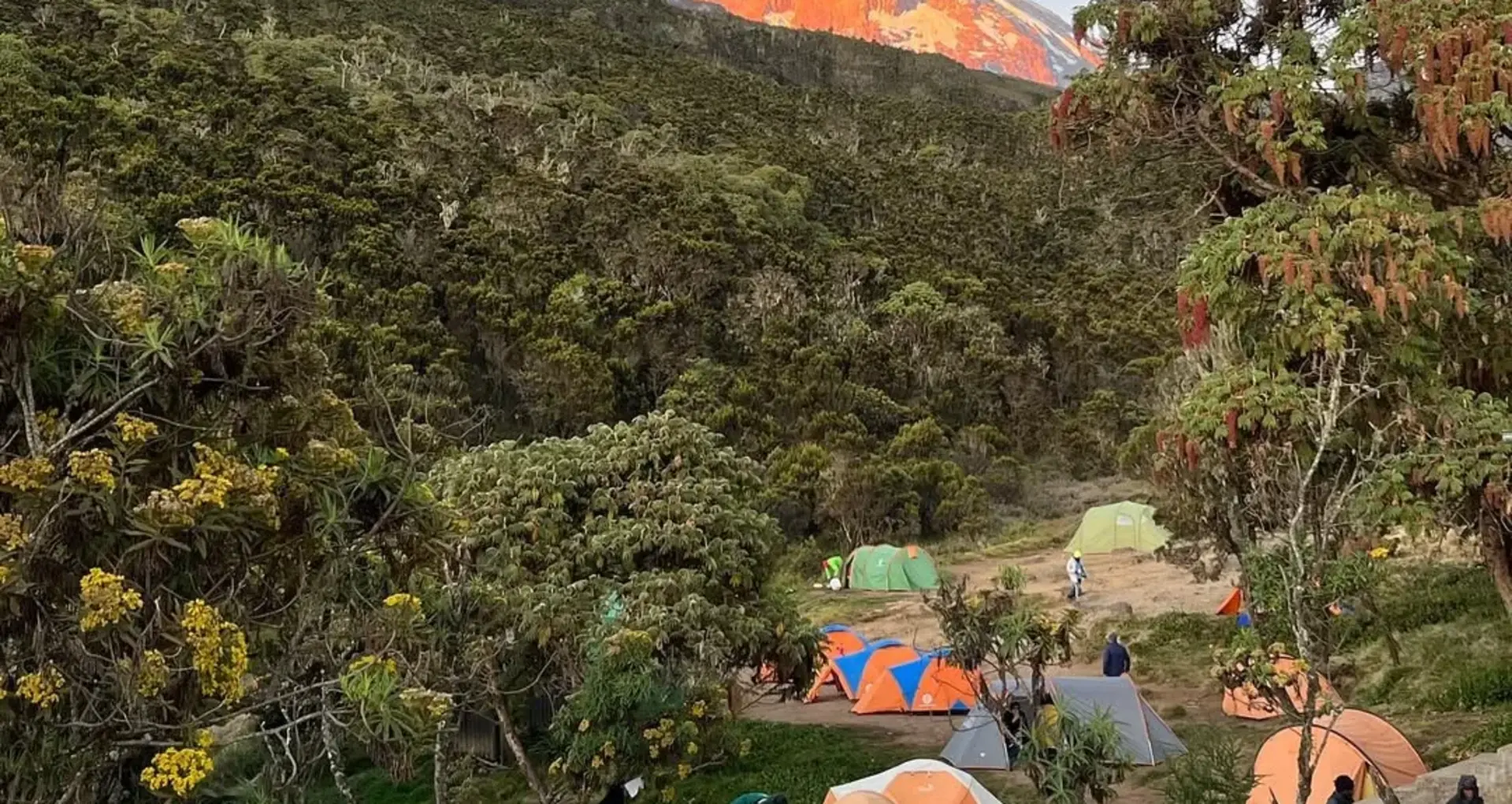
If you’re accustomed to sleeping in a comfortable bed, camping on Kilimanjaro can be a shock initially. While our team provides quality sleeping mats and warm sleeping bags, sleeping in tents at high altitude can be uncomfortable for some.
Tips for Better Rest
Consider sleeping in huts if you choose the Marangu route—these offer shelter from rain and mud.
Practice sleeping in a tent beforehand—try camping in your backyard or during a weekend trip.
Focus on maintaining good hygiene and staying warm at night.
6. Weather and Temperature: Additional Challenges
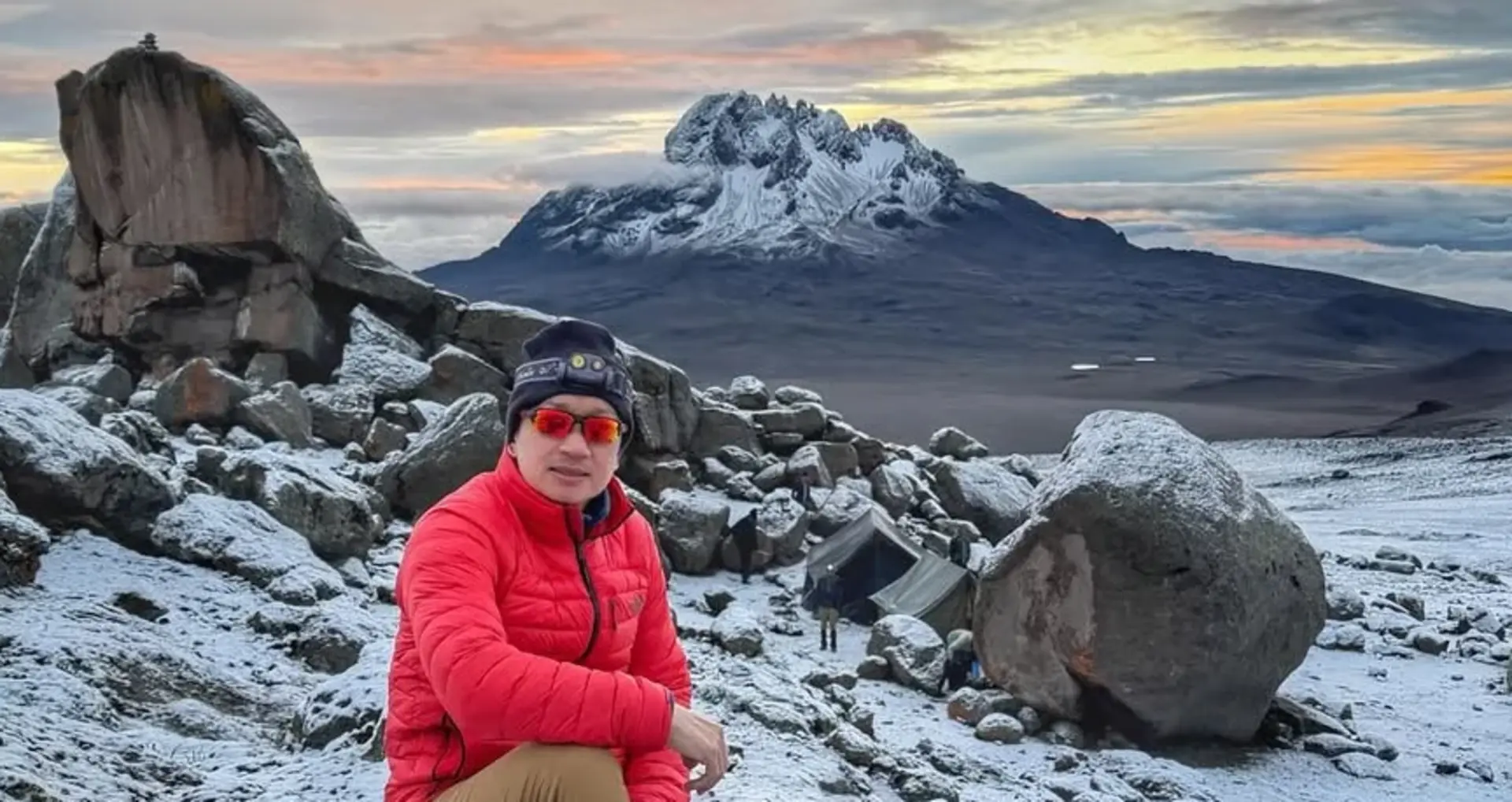
Kilimanjaro’s weather is unpredictable. Nights can be extremely cold, especially above 4,000 meters, with temperatures dropping well below freezing. Wind chill and rain can also add difficulty.
Pack Accordingly
Use layered clothing, including moisture-wicking base layers, insulating mid-layers, and waterproof outer shells.
Bring thermal gloves, hats, and gaiters for protection against cold and mud.
7. Health & Medical Considerations
Pre-existing health conditions can make the climb more difficult. Always consult your doctor before attempting Kilimanjaro, especially if you have respiratory or cardiovascular issues.
Stay Healthy on the Mountain
Maintain good hygiene to prevent infections.
Follow your guide’s medical advice and report any symptoms of altitude sickness early.
Ensure your guide team is experienced and trained in high-altitude medicine.
8. The Role of Your Guide and Mental Toughness
A knowledgeable, experienced guide can be the difference between success and failure. They monitor your health, advise on pacing, and provide encouragement.
Mental Resilience is key.
The mental challenge of Kilimanjaro is often underestimated. Summit night, with its cold, fatigue, and long uphill slog, tests your emotional endurance. Remember your “why”—your motivation will carry you through the toughest moments.
9. Gear and Preparation
Proper gear makes a significant difference. Invest in quality hiking boots, waterproof clothing, and layered outfits. Break in your boots beforehand, and practise carrying a weighted pack.
Our Tips:
Use rental gear if needed—our team at Kilisherpas Travel offers high-quality equipment rentals.
Practice your layering system and pack your gear strategically.
10. Is Kilimanjaro Hard or Not?
Ultimately, the difficulty of climbing Kilimanjaro varies per individual. It’s physically demanding but not technically complex. Success depends on your fitness, preparation, and mental resilience. Many climbers find it to be the hardest thing they've ever done—yet also one of the most rewarding.
At Kilisherpas Travel, we believe that with the right approach, support, and mindset, anyone motivated can reach the summit. Ready to start your Kilimanjaro adventure? Contact us today for personalised advice and expert support.