A safari in Tanzania is a dream trip for many travellers. From the endless plains of the Serengeti to the dramatic Ngorongoro Crater, having the right camera gear will help you capture stunning photos of wildlife, landscapes, and unforgettable moments.
Whether you’re a beginner using your smartphone or a serious photographer, this practical guide from Kilisherpas Travel will help you choose the best camera equipment for your safari.
1. Choosing the Best Camera for Safari
DSLR Cameras (e.g. Canon 90D, Nikon D750, Canon 5D Mark IV)
Excellent image quality and long battery life
Huge selection of lenses and accessories
Heavier and bulkier
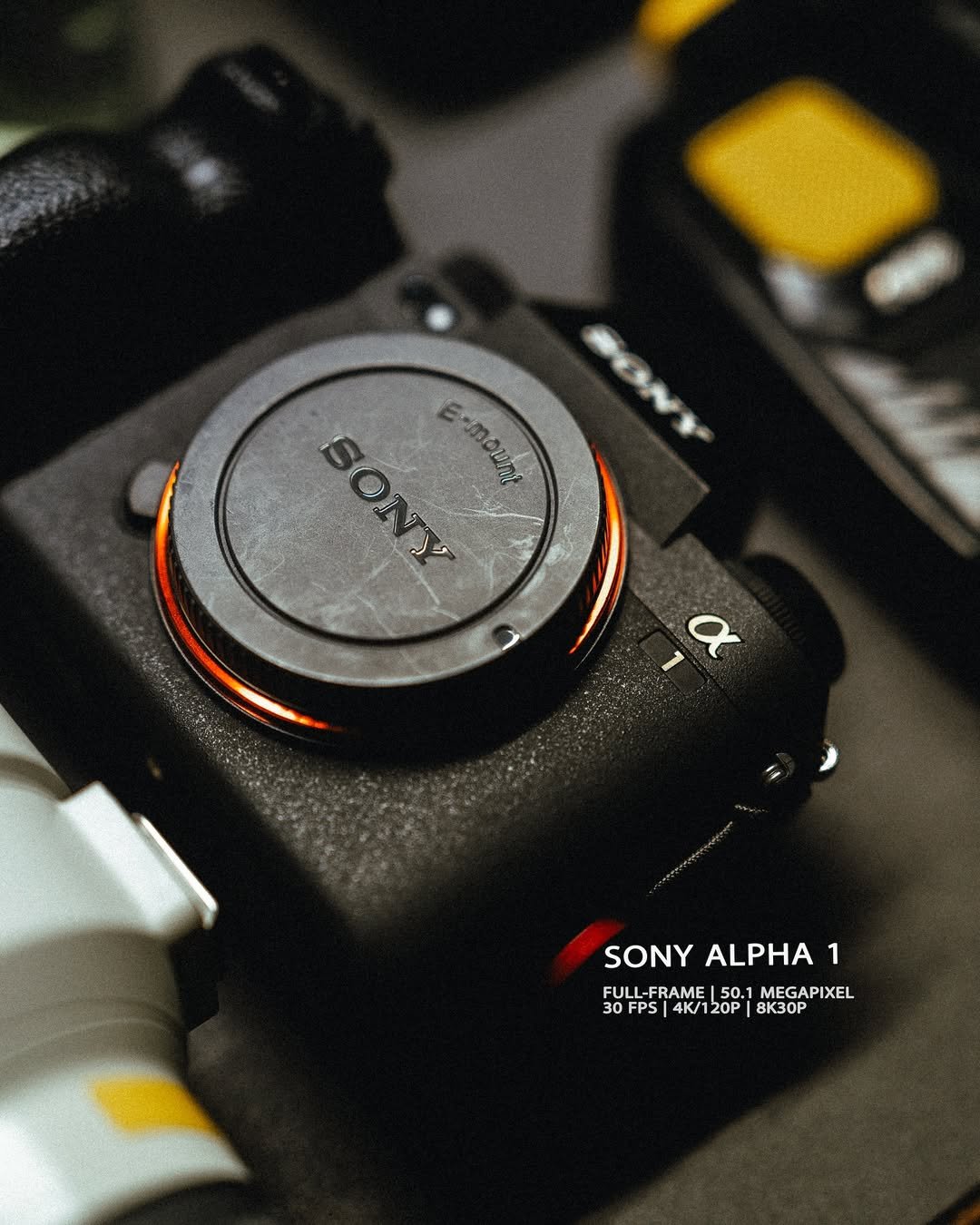
Mirrorless Cameras (e.g. Sony A7 IV, Canon R6, Nikon Z6 II)
Lighter and more compact
Faster autofocus and silent shooting (perfect for wildlife)
The electronic viewfinder shows real-time exposure
Bridge Cameras (e.g. Sony RX10 IV, Nikon P1000)
Built-in superzoom lens (up to 125x zoom)
Convenient – no need to change lenses
Smaller sensor, so image quality is not as high as DSLR or mirrorless
Pro Tip: For serious safari photography, choose a camera with fast continuous shooting (at least 5–10 frames per second) and good low-light performance. Mirrorless cameras are currently the most popular choice for many safari travellers.
2. Best Lenses for Safari Photography
Telephoto Zoom Lenses (Most Important)
100–400mm or 200–600mm zoom lenses are ideal
Perfect for photographing distant animals like lions, leopards, and cheetahs
Flexible — you can zoom in for close-ups or pull back for wider shots
Prime Telephoto Lenses
400mm, 500mm, or 600mm prime lenses
Give sharper images and perform better in low light
More expensive and less flexible than zoom lenses
Wide-Angle Lenses
16–35mm or 24–70mm lenses
Great for capturing vast Serengeti landscapes, dramatic sunsets, and animals close to the vehicle
Budget Tip: A single 100–400mm zoom lens offers the best balance of reach, flexibility, and weight for most safari-goers.
3. Essential Camera Accessories for Safari
Bean Bag – The most useful item! Provides stable support when shooting from a safari vehicle.
Monopod – Lightweight and quick to use.
Memory Cards – Use fast UHS-II cards (128GB or larger) and always bring spares.
Extra Batteries – At least 2–3 extra batteries, plus a car charger or power bank.
Lens Filters – A UV filter for dust protection and a polarising filter for better skies.
Rain Cover / Dust Protection – Essential in Tanzania’s dusty parks and during rain.
External Hard Drive – For daily photo backups.
4. Best Compact Cameras (If You Want to Travel Light)
Sony RX100 VII – Compact with a useful 24–200mm zoom
Canon PowerShot SX70 HS – 65x optical zoom
Panasonic Lumix FZ2500 – Good zoom and manual controls
Smartphone Tip: Add a clip-on telephoto lens (like Moment or Olloclip) to improve your phone’s zoom capability.
5. Tips for Night & Low-Light Photography
Early morning and late evening game drives often have beautiful light. Use higher ISO settings (1600–6400), fast lenses (f/2.8 or f/4), and a beanbag or tripod for sharp shots.
Final Thoughts
The best camera gear for a Tanzania safari depends on your budget and photography goals. For most travellers, a mirrorless or DSLR camera paired with a 100–400 mm zoom lens and a beanbag will give you excellent results.
Pack light, protect your gear from dust, and focus on enjoying the moment — the best photos often happen when you’re fully present in the wild.
Ready for your dream Tanzania safari?
Our team at Kilisherpas Travel will help you plan an unforgettable journey with plenty of time for photography.