A Tanzania walking safari is one of the most intimate and rewarding ways to experience the African wilderness. Instead of observing wildlife from the safety of a vehicle, you step into the bush on foot, guided by expert trackers who bring the savannah to life through every footprint, birdsong, and rustle in the grass.
At Kilisherpas Travel, we believe walking safaris offer a deeper connection with nature – awakening your senses and creating memories that last a lifetime. Whether you’re tracking elephants in Tarangire, exploring hidden valleys in the Serengeti, or walking through acacia woodlands near Lake Manyara, a walking safari in Tanzania, delivers raw adventure, education, and pure wilderness magic.
This 2026/2027 guide explores the best destinations, what to expect, how to prepare, and why a walking safari should be part of your Tanzania journey.
Why Choose a Walking Safari in Tanzania?
Walking safaris stand apart from traditional game drives because they slow everything down. You become part of the ecosystem rather than an observer. Every step reveals hidden details:
Fresh animal tracks and what they tell us about recent movements
Medicinal plants and their traditional uses
Subtle bird calls and insect activity that support the entire food chain
The rhythm of the wind, scents of the bush, and changing light across the landscape
Tanzania is particularly well-suited for walking safaris thanks to its incredible diversity of habitats — from vast open plains and volcanic highlands to riverine forests and seasonal wetlands. Many areas remain pristine with minimal vehicle traffic, offering an authentic and immersive experience.
Walking safaris are ideal for travellers seeking:
Deeper wildlife knowledge
A sense of adventure and mindfulness
Fewer crowds and more personal encounters with nature
Memorable family or solo experiences that go beyond standard game drives
Best Destinations for Walking Safaris in Tanzania
Serengeti National Park
While famous for game drives and the Great Migration, designated walking zones (especially near the Grumeti River and remote kopjes) allow you to follow ancient game paths on foot. Walking here offers a profound sense of scale and the chance to track predators or observe herbivores up close in their natural rhythm.
Tarangire National Park
A walking safari favourite, Tarangire boasts huge elephant herds, ancient baobab trees, and dramatic seasonal wetlands. On foot, you can learn about elephant family dynamics, track their movements, and appreciate the cultural significance of the mighty baobabs. It’s one of the most rewarding parks for immersive walking experiences.
Ngorongoro Conservation Area & Crater Highlands
Guided walks on the crater rim or in the highlands provide stunning views and a mix of forest and open terrain. These walks often include cultural interactions with Maasai communities.
Lake Manyara & Arusha National Park
These offer gentler walking options with excellent birdlife, monkeys, and forest trails — perfect for families or those combining a walking safari with a Mount Meru climb.
Other Special Areas: Remote concessions and community-managed lands near the Serengeti and Tarangire often provide exclusive walking safari experiences with an even greater wilderness feel.
What to Expect on a Tanzania Walking Safari
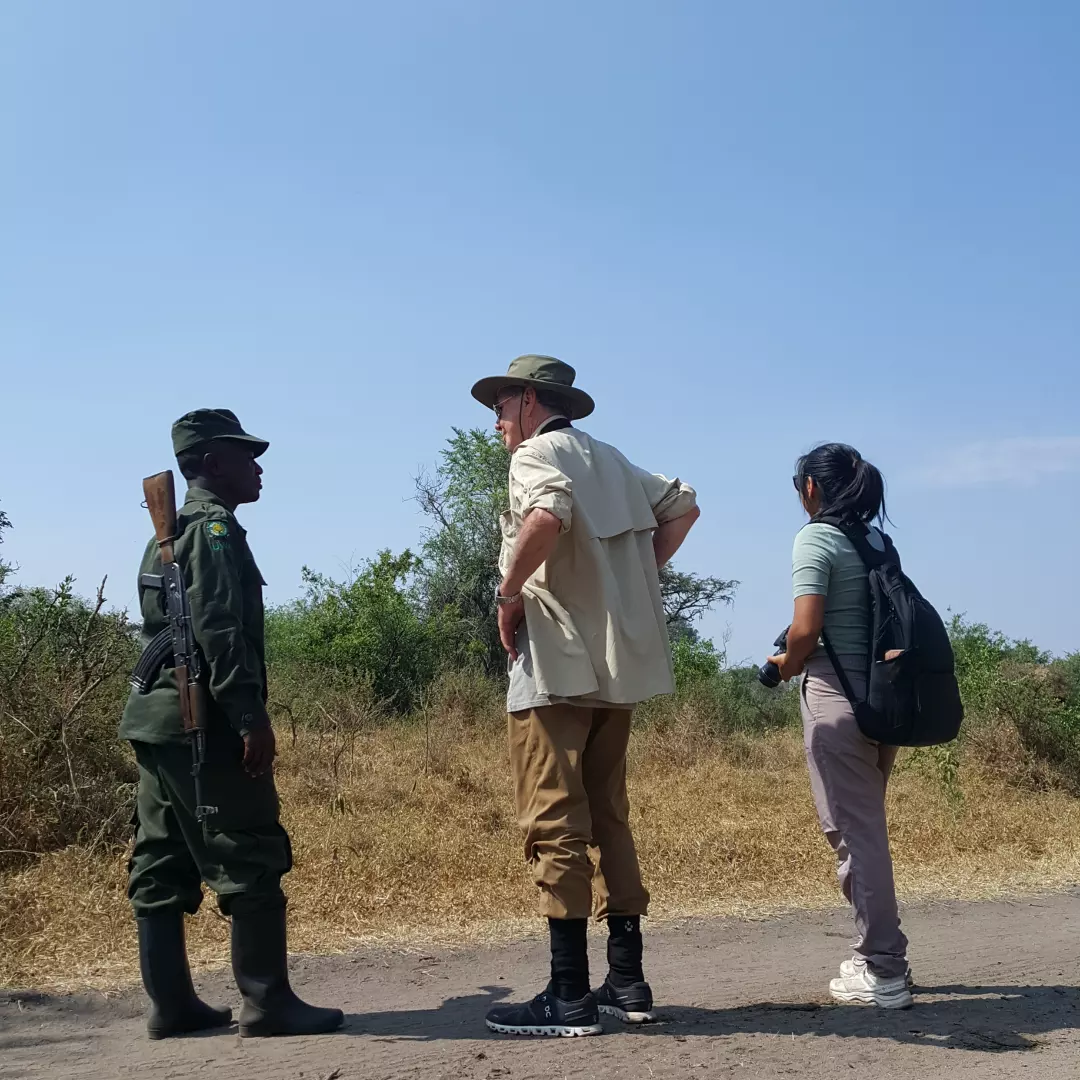
Walking safaris are guided by highly trained professionals who carry rifles for safety and possess deep knowledge of animal behaviour, tracking, and bushcraft.
Typical Structure:
Early morning starts (cooler temperatures and higher animal activity)
Briefing on safety, hand signals, and walking etiquette
Walking in single file, staying alert and quiet
Frequent stops to examine tracks, plants, droppings, and birdlife
2–5 hours of walking per session (with breaks)
Bush breakfast or scenic rest stops in beautiful locations
Encounters with wildlife are respectful and cautious. Your guide constantly reads animal body language to ensure safe distances. The most memorable moments often come from simply watching animals behave naturally without the noise of engines.
Walking safaris encourage mindfulness — you feel the ground beneath your feet, notice subtle changes in the environment, and truly absorb the sights, sounds, and smells of the African bush.
How to Prepare for Your Walking Safari
Physical Preparation
Moderate fitness is recommended. Most walks are not extremely strenuous, but you’ll be on uneven terrain for several hours. Regular walking or light hiking in the months before your trip helps.
Essential Gear:
Comfortable, broken-in walking shoes with good grip
Lightweight, neutral-colored clothing (khaki, olive, beige)
Wide-brimmed hat and sunglasses
High-SPF sunscreen and insect repellent
Reusable water bottle
Binoculars and lightweight camera
Small daypack
Mindset:
Approach the experience with curiosity rather than expectation. Walking safaris are about observation, learning, and presence — not ticking off the Big Five.
Why Choose Kilisherpas Travel for Your Walking Safari?
We design personalised walking safari experiences that match your fitness level, interests, and group size. Our advantages include:
Highly experienced walking guides and trackers
Private or small-group options for a more intimate feel
Safe, well-planned routes with excellent safety protocols
Combination itineraries (e.g., walking safari + Mount Meru climb + classic game drives)
Eco-friendly camps and lodges in exclusive wilderness areas
We focus on responsible tourism that supports conservation and local communities while delivering unforgettable adventures.
Best Time for Walking Safaris in Tanzania (2026/2027)
June to October (Dry season): Excellent visibility, shorter grass, and wildlife concentrated around water sources — ideal for most walkers.
November to May (Green season): Lush landscapes, newborn animals, and abundant birdlife, though trails can be muddier.
Final Thoughts
A Tanzania walking safari is more than just another activity — it is a transformative journey into the heart of the wild. It reconnects you with nature, sharpens your senses, and leaves you with a profound appreciation for Africa’s wilderness.
Whether you add a few walking days to your Serengeti safari, combine it with a Mount Meru trek, or dedicate your entire trip to immersive bush walks, this experience will become one of the highlights of your Tanzania adventure.
Ready to step into the African wilderness on foot?
Contact the team at Kilisherpas Travel today to design your perfect 2026/2027 Tanzania walking safari experience – tailored to your pace, interests, and dreams.