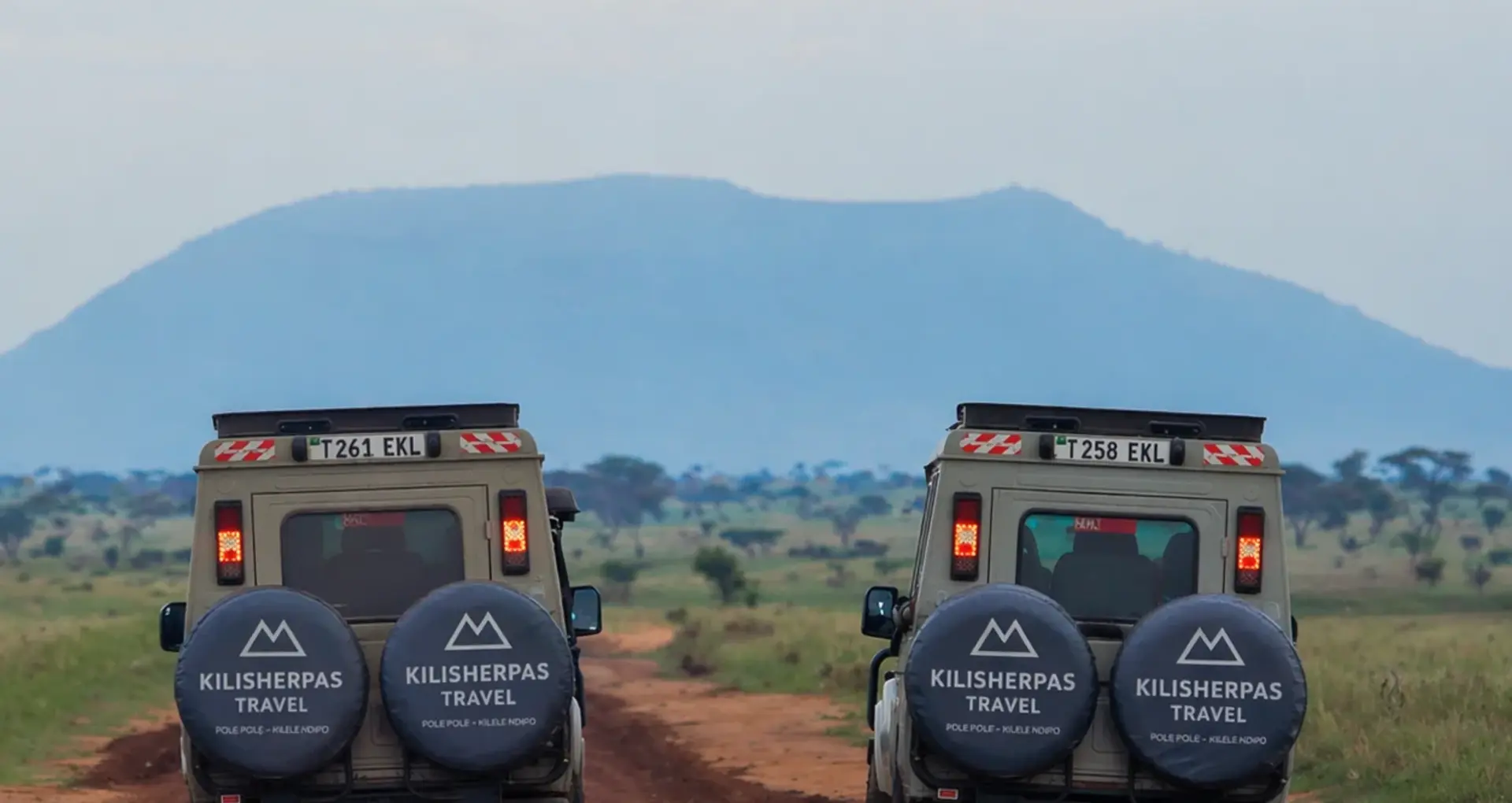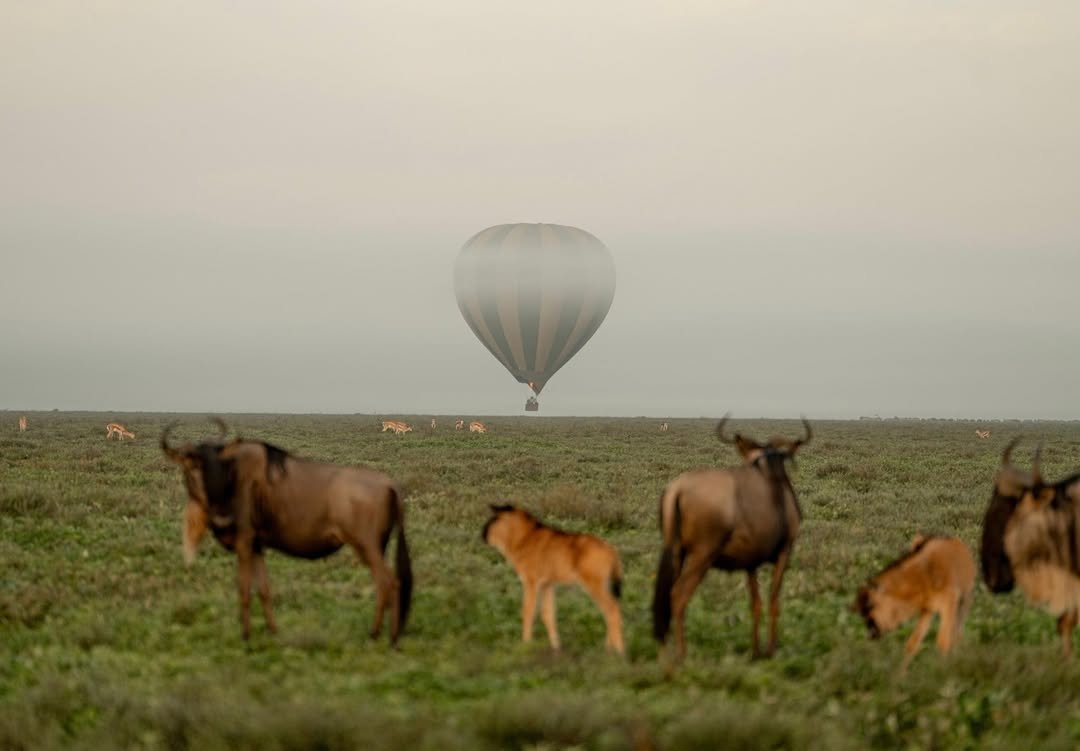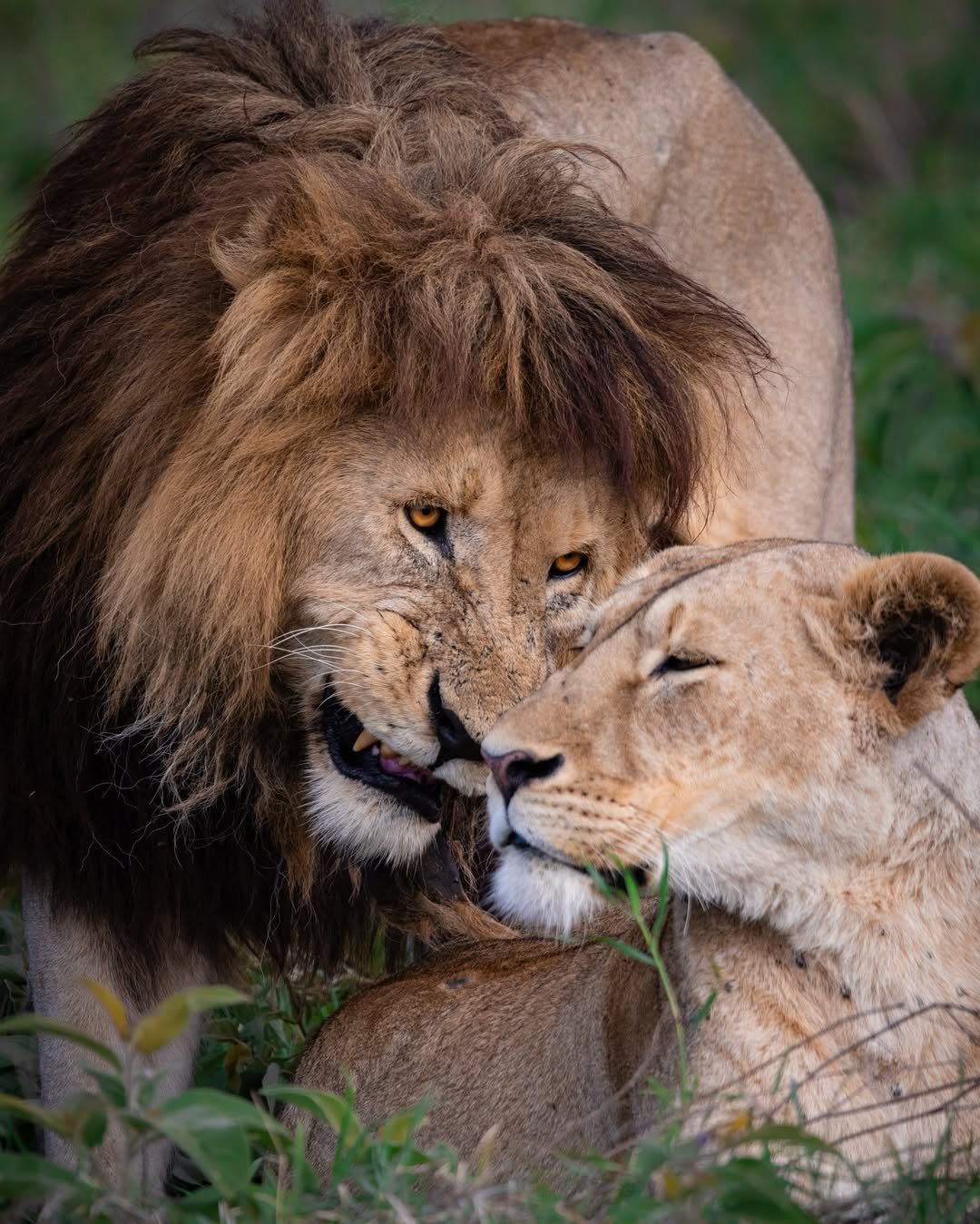
A safari in Tanzania is a dream adventure for many - the chance to witness the Great Migration in the Serengeti, spot the Big Five in Ngorongoro Crater, or relax after climbing Mount Kilimanjaro or Mount Meru. However, even experienced travellers can make avoidable mistakes that diminish the quality of their trip.
At Kilisherpas Travel, we have helped thousands of guests enjoy stress-free, unforgettable safaris. This 2026/2027 guide highlights the most common safari mistakes to avoid in Tanzania so you can plan smarter, travel smoother, and create memories that last a lifetime.
1. Poor Planning and Research
One of the biggest mistakes is underestimating Tanzania’s size and diversity. Many travellers try to squeeze too many parks into too few days, resulting in exhausting long drives and limited time with wildlife.
Common Errors:
Booking too many destinations in a short itinerary
Ignoring migration patterns and seasonal wildlife movements
Not researching park fees, internal flight schedules, or road conditions
Solution: Allow enough time in each park (minimum 2–3 nights in Serengeti). Work with an experienced operator who understands real-time migration movements and can build a balanced, logical route.
2. Misunderstanding Seasonal Differences & Wildlife Patterns
Many visitors assume wildlife viewing is the same year-round. In reality, the best time to witness the Serengeti wildebeest migration, calving season, or river crossings depends heavily on rainfall and grass growth.
Frequent Mistakes:
Expecting river crossings in February (calving season)
Choosing the dry season for lush photography
Booking without checking current migration updates
Tip:
Jan–Mar: Calving in southern Serengeti/Ndutu
Jul–Oct: Mara River crossings in northern Serengeti
Shoulder seasons (Apr–Jun, Nov) often offer great value and fewer crowds
We track migration patterns daily and adjust itineraries accordingly.
3. Packing Incorrectly for Safari Conditions
Packing mistakes can turn a comfortable safari into an uncomfortable one.
Common Packing Errors:
Bringing bright or dark clothing (attracts insects or stands out)
Forgetting layers for cold morning game drives (especially in Ngorongoro)
Bringing hard-shell suitcases (not suitable for small aircraft or safari vehicles)
Overpacking or underpacking for temperature changes and dust
Recommended Packing:
Neutral colors (khaki, olive, beige, brown)
Lightweight, breathable layers
Comfortable closed-toe walking shoes
Wide-brimmed hat, sunglasses, high-SPF sunscreen
Binoculars, reusable water bottle, insect repellent
Soft duffel bags are preferred for domestic flights and safari vehicles.
4. Choosing the Wrong Safari Style or Operator
Not all safaris are created equal. Some travellers book shared group tours when they need private experiences, or vice versa.
Frequent Mistakes:
Selecting the cheapest operator without checking reviews or credentials
Booking open-sided vehicles in parks where they are not permitted
Choosing fixed itineraries that don’t match your interests or fitness level
Solution: Choose a reputable, licensed operator with excellent reviews, transparent pricing, and experienced guides. Private or small-group safaris often provide better wildlife sightings and flexibility.
5. Underestimating Costs and Hidden Fees
Many travellers are surprised by additional expenses such as
National park fees (especially Ngorongoro and Serengeti)
Tips for guides and drivers
Alcoholic drinks and premium lodge extras
Internal flights or extra activities (balloon safari, walking safari)
Tip: Work with a transparent operator who provides a clear, all-inclusive quote upfront.
6. Ignoring Health, Safety & Travel Insurance
Skipping proper health preparation or travel insurance is one of the riskiest mistakes.
Essential Preparations:
Consult a travel clinic for vaccinations and malaria prophylaxis
Purchase comprehensive travel insurance (including medical evacuation)
Stay hydrated and use insect repellent
7. Overlooking Cultural Respect & Park Regulations
Dressing too revealingly in villages or non-tourist areas
Using drones without permits (prohibited in most parks)
Feeding animals or driving off-road
Respecting local customs and park rules ensures a positive experience and protects Tanzania’s natural heritage.
How Kilisherpas Travel Helps You Avoid These Mistakes
We take the stress out of planning by offering the following:
Personalized itineraries based on your interests, budget, and travel dates
Real-time migration tracking and flexible scheduling
Transparent pricing with no hidden fees
Experienced, English-speaking guides and drivers
Full support with health, packing, and cultural advice
Whether you’re planning a family safari, a luxury experience, a Mount Meru climb combined with safari, or a cultural-focused journey, we ensure every detail is taken care of.
Ready to plan a stress-free, unforgettable Tanzania safari?
Contact Kilisherpas Travel today. Let our experts help you avoid common mistakes and create the perfect 2026/2027 Tanzania adventure.