Kosovo Camp on Kilimanjaro: Essential Guide to Africa’s Highest Campsite and Summit Strategy
Kilimanjaro, Africa’s tallest mountain and the world’s highest free-standing peak, attracts thousands of adventurers each year. Among its many logistical facets, campsites play a crucial role in shaping your summit experience. While most climbers are familiar with the well-known Barafu Camp, Kosovo Camp—located at 4,870 metres (15,978 feet)—stands out as Kilimanjaro’s highest campsite. Its strategic location, unique advantages, and logistical considerations make it an important part of any serious ascent plan. In this comprehensive guide, Kilisherpas Travel explores everything you need to know about Kosovo Camp, comparing it with Barafu and sharing expert insights to optimise your trek.
What Is Kosovo Camp?
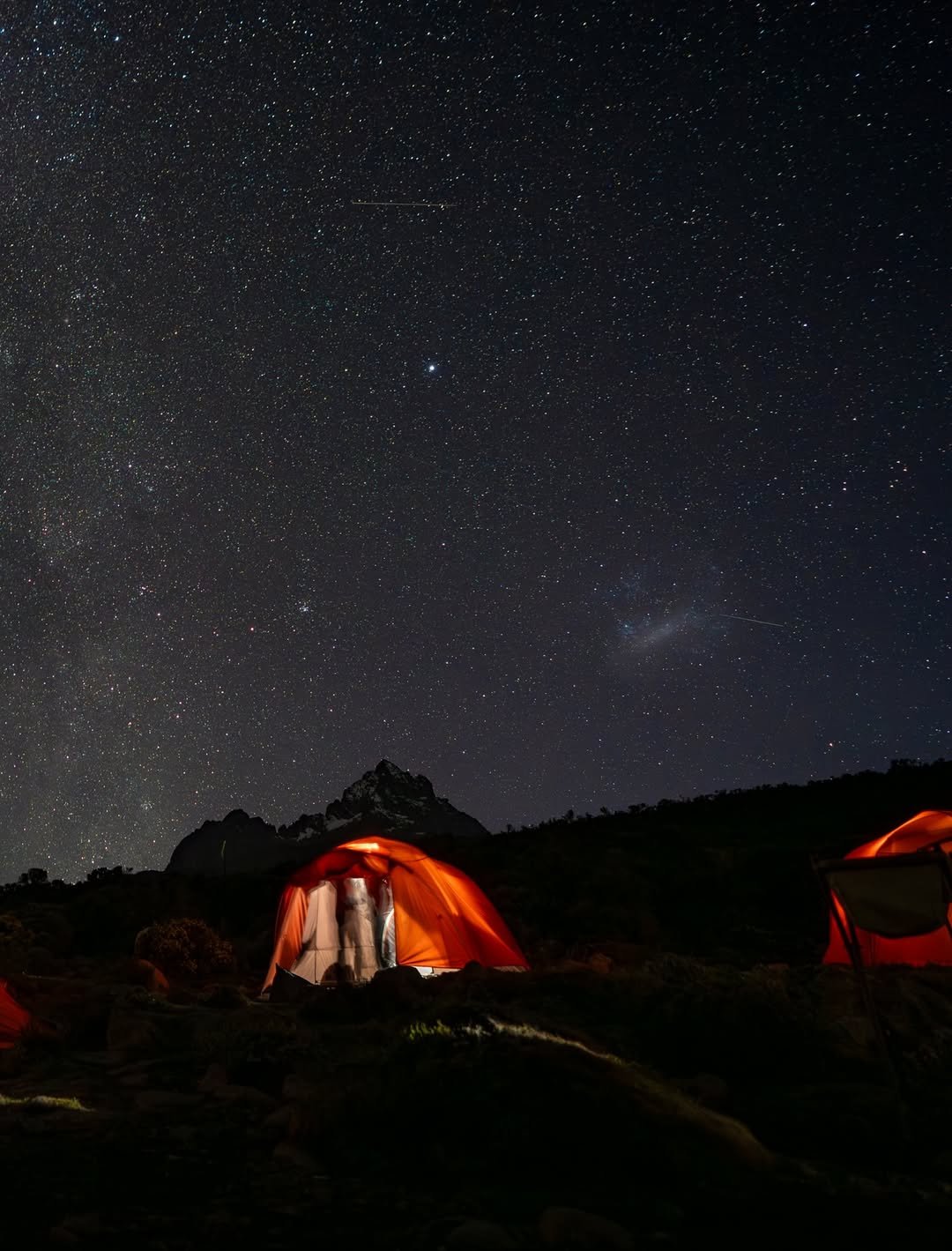
Kosovo Camp is situated in Kilimanjaro’s arctic zone—an exposed, windswept area near the summit at 4,870 metres. It often serves as a waypoint for climbers heading toward Uhuru Peak via routes such as Machame, Lemosho, and Umbwe. While traditionally used as a brief rest stop, some expeditions choose to spend the night here instead of at Barafu, depending on their itinerary and acclimatisation strategy.
Location & Altitude
Kosovo Camp: 4,870 meters (15,978 feet)
Barafu Camp: 4,680 meters (15,354 feet)
Kosovo is approximately 200 meters (656 feet) higher than Barafu, placing it deeper into the mountain’s icy, high-altitude zone.
Comparing Kosovo and Barafu Camps
Usage & Role in the Ascent
Barafu Camp: The primary overnight camp for most climbers before the summit push. It has more established facilities and is the traditional base for the final ascent at night.
Kosovo Camp: Used as a strategic stop or alternative overnight site, especially for climbers on longer itineraries or those seeking a quieter resting place. Some expeditions skip Barafu altogether and go directly to Kosovo for a shorter, more challenging acclimatisation.
Advantages of Staying at Kosovo
Less Crowded: During peak season, Barafu can host hundreds of climbers and support staff, making it busy and noisy. Kosovo, by contrast, remains relatively uncrowded, offering a more peaceful and restful environment.
Easier Rocky Pass: The rocky pass between the camps is easier to traverse during daylight, reducing stress and risk during summit night.
Reduced Distance to Summit: Staying at Kosovo shortens the final summit approach by roughly 15%, conserving energy for the crucial last ascent.
Costs and Logistical Considerations
Mandatory Fees: Starting in 2024, Kilimanjaro National Park introduced a mandatory fee of $100 USD plus 18% VAT per person for overnight stays at Kosovo, totalling approximately $118 USD per night. This fee is an important budget consideration for climbers.
Limited Facilities: Kosovo offers only one toilet—typically reserved for the mountain crew. Climbers must bring portable toilets, which adds to the logistical and cost considerations.
Altitude & Acclimatisation: Climbing an additional 200 meters from Barafu to Kosovo can impact acclimatisation, especially in shorter, six-day itineraries. Many guides recommend resting at Barafu to optimise acclimatisation before the final summit attempt.
Expert Insights and Recommendations
Based on over a decade of organising Kilimanjaro expeditions, Kilisherpas Travel emphasises that the choice of camp has minimal impact on the overall success rate if proper acclimatisation and planning are followed. The decision should depend on your itinerary length, experience, and preference.
Longer [7-8 day] climbs: Staying at Kosovo offers extra rest and a quieter environment, helping acclimatisation.
Shorter [6-day] climbs: It’s generally advisable to stay at Barafu to limit altitude gain and reduce risks associated with rapid ascent.
Tips for a Successful Summit
Prioritise proper acclimatisation regardless of camp choice.
Prepare for additional costs if staying at Kosovo, including park fees and portable toilets.
Consult with your guide or tour operator to tailor your itinerary for safety and comfort.
Conclusion
Kosovo Camp is a valuable logistical option for seasoned climbers and longer expeditions seeking a quieter, higher-altitude resting point before the final ascent. While it involves additional costs and logistical considerations, its advantages in terms of crowding and strategic positioning can significantly enhance your summit experience. Whether you choose to spend the night at Kosovo or stick with the traditional Barafu, the key to success lies in proper planning, acclimatisation, and guided support.
Ready to conquer Kilimanjaro? Learn more about high-altitude acclimatisation and expert trekking tips with our informative videos and guides. Contact Kilisherpas Travel for personalised expedition planning.