Introduction: Two Legendary Safari Destinations
When planning an African safari, two destinations consistently stand out as world-class wildlife icons: Serengeti National Park in Tanzania and the Masai Mara National Reserve in Kenya.
Both are part of the same vast ecosystem, famous for the Great Wildebeest Migration, Big Five sightings, and dramatic predator-prey encounters. However, each offers a slightly different safari experience in terms of landscape, wildlife density, cost, and overall adventure style.
At Kilisherpas Travel, we break down the key differences to help you choose the perfect safari destination—or even combine both for the ultimate East African experience.
1. Location: Tanzania vs Kenya Safari Experience
Serengeti National Park (Tanzania)
Located in northern Tanzania on the famous Serengeti Plains
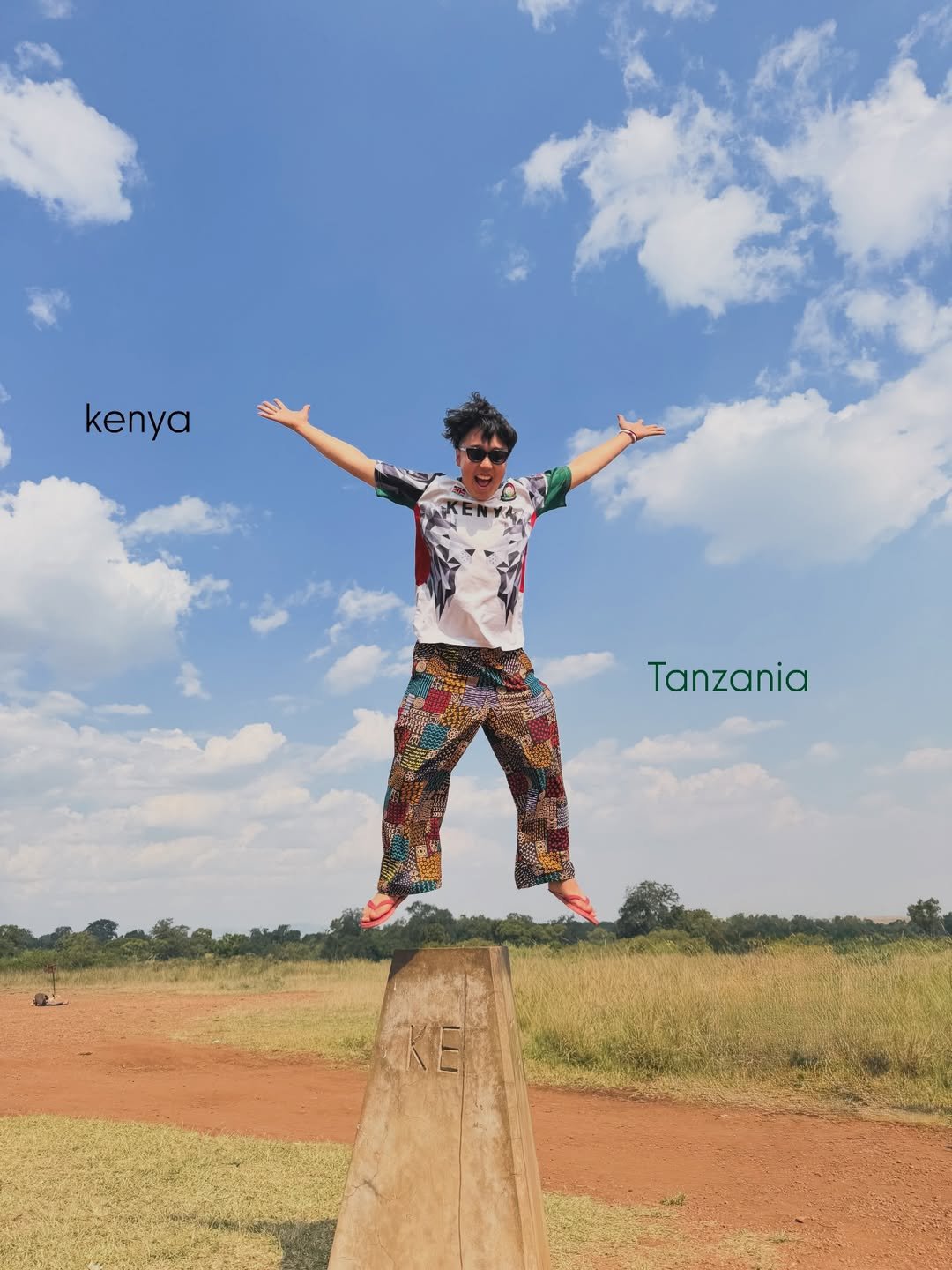
Borders Kenya to the north
Northwest of the Ngorongoro Conservation Area
Part of a larger safari circuit including Tarangire and Ngorongoro
Masai Mara National Reserve (Kenya)
Located in southwestern Kenya
Directly borders the Serengeti ecosystem
Around 224 km from Nairobi (Kenya’s capital)
Both parks sit within the Mara–Serengeti ecosystem, one of the most biodiverse wildlife regions in Africa.
2. Size and Landscape Diversity
Serengeti: Vast and Endless
Covers approximately 14,763 km² (5,700 sq miles)
One of the largest and most iconic safari parks in Africa
Features endless savannahs, rocky kopjes, rivers, woodlands, and open plains
Masai Mara: Smaller but Concentrated Wildlife
Covers approximately 1,510 km² (580 sq miles)
Easier to navigate in a short time
Dense wildlife concentration in a smaller area
The Serengeti offers a more expansive safari experience, while Masai Mara offers intense wildlife viewing in a compact area.
3. The Great Wildebeest Migration Experience
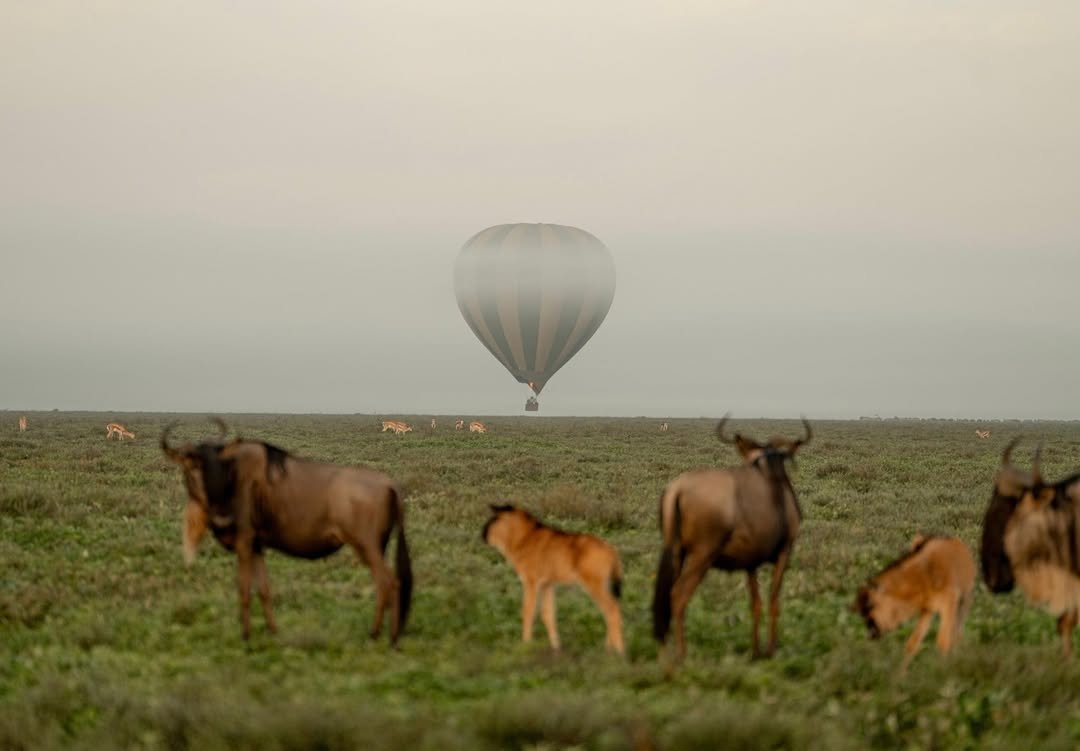
The Great Migration is the highlight of both destinations, where millions of wildebeest, zebras, and gazelles move across the ecosystem following rainfall patterns.
Migration Timing Breakdown
September – October: Best viewing in Masai Mara (Kenya)
November – March: Herds move into Southern Serengeti (Ndutu area)
February – March: Calving season in Serengeti plains
April – June: Herds move through central and western Serengeti
July – August: Dramatic Mara River crossings in Northern Serengeti
Key Insight
Most of the migration takes place in the Serengeti (November–August)
Masai Mara offers the most concentrated action during September–October
The most dramatic moment—the Mara River crossing—can be seen from both sides of the border.
4. Wildlife and Big Five Safari Experience
Serengeti Wildlife Advantage
Home to the Big Five: lion, leopard, elephant, buffalo, rhino
Extremely high predator density
Excellent leopard sightings, especially in Seronera Valley
Nearby Ngorongoro Crater increases chances of seeing all Big Five in one trip
Masai Mara Wildlife Strength
Famous for large lion prides
Excellent cheetah sightings
Dense wildlife visibility year-round
If your priority is Big Five diversity, Serengeti combined with Ngorongoro is unbeatable.
If your focus is big cats, Masai Mara is exceptional.
5. Landscapes: Which is More Beautiful?
Serengeti Landscapes
Vast endless plains (“Siringet” meaning endless plains in Maasai language)
Acacia forests
Rivers and kopjes
Rolling golden savannahs
Masai Mara Landscapes
More hilly terrain
Smaller but lush grasslands
Scattered trees creating “spotted” scenery (“Mara”)
The Serengeti offers iconic, cinematic African landscapes, while Masai Mara offers a more compact and green safari environment.
6. Culture and Local Communities
Both destinations offer rich cultural experiences with the Maasai people, one of East Africa’s most iconic tribes.
Experiences include:
Traditional Maasai villages
Cultural dances and ceremonies
Interaction with local communities near conservation areas
Insights into traditional pastoralist lifestyle
The Ngorongoro Conservation Area in Tanzania is one of the best cultural extension points when visiting Serengeti.
7. Birdwatching Experience
Serengeti (Winner for Birding)
Over 500 bird species recorded
Best during November–April (breeding and migration season)
Proximity to Lake Victoria adds aquatic bird diversity
Masai Mara
Excellent birding from November–April
Slightly fewer species than Serengeti
Serengeti offers a richer birdwatching experience overall.
8. Cost Comparison: Serengeti vs Masai Mara
Masai Mara (Kenya)
$100 (low season)
$200 (high season)
Children (9–17): $50
Children under 9: free
12-hour park entry rule applies
Serengeti (Tanzania)
$60 (low season)
$70 (high season)
Children (5–15): $20
VAT: 18% applies
Concession fees apply for lodges inside the park
Masai Mara was previously cheaper, but recent price increases mean both destinations are now relatively similar in cost depending on travel style.
9. Accessibility: How to Get There
Serengeti
Flights from Arusha or Kilimanjaro International Airport
Airstrips: Seronera, Kogatende, Lobo, Grumeti
Masai Mara
Flights from Nairobi (Wilson or JKIA)
Airstrips: Keekorok, Mara North, Musiara, Ol Kiombo
Both parks are easily accessible by air, making fly-in safaris very popular.
10. Final Verdict: Which Safari is Better?
Choose Serengeti if you want:
Vast landscapes and endless plains
Longer migration viewing season
Strong Big Five diversity
Combination with Ngorongoro Crater
Deep wilderness safari experience
Choose Masai Mara if you want:
High concentration of big cats
Shorter safari itinerary
Easy access from Nairobi
Peak migration river crossings in September–October
Best Option: Combine Both
For the ultimate African safari experience, combining Serengeti, Masai Mara, and Ngorongoro offers unmatched wildlife diversity and migration viewing opportunities.
Conclusion
Serengeti and Masai Mara are both extraordinary safari destinations with unique strengths. The Serengeti stands out for scale, diversity, and long migration visibility, while Masai Mara delivers intense wildlife encounters and dramatic river crossings.
Kilisherpas Travel recommends either destination depending on your travel goals – or ideally both for a complete East African safari journey.