Planning the perfect safari in Tanzania starts with choosing the right time. The Serengeti National Park offers world-class wildlife viewing throughout the year, but each season brings a different experience from the drama of the Great Migration to peaceful, crowd-free game drives.
At Kilisherpas Travel, we help you select the ideal timing based on your priorities: dramatic river crossings, calving season, big cat sightings, photography, or a more private safari.
Best Times to Follow the Great Migration (2026–2027)
The Great Wildebeest Migration is a rain-driven cycle. Here’s a clear breakdown of where the herds will be:
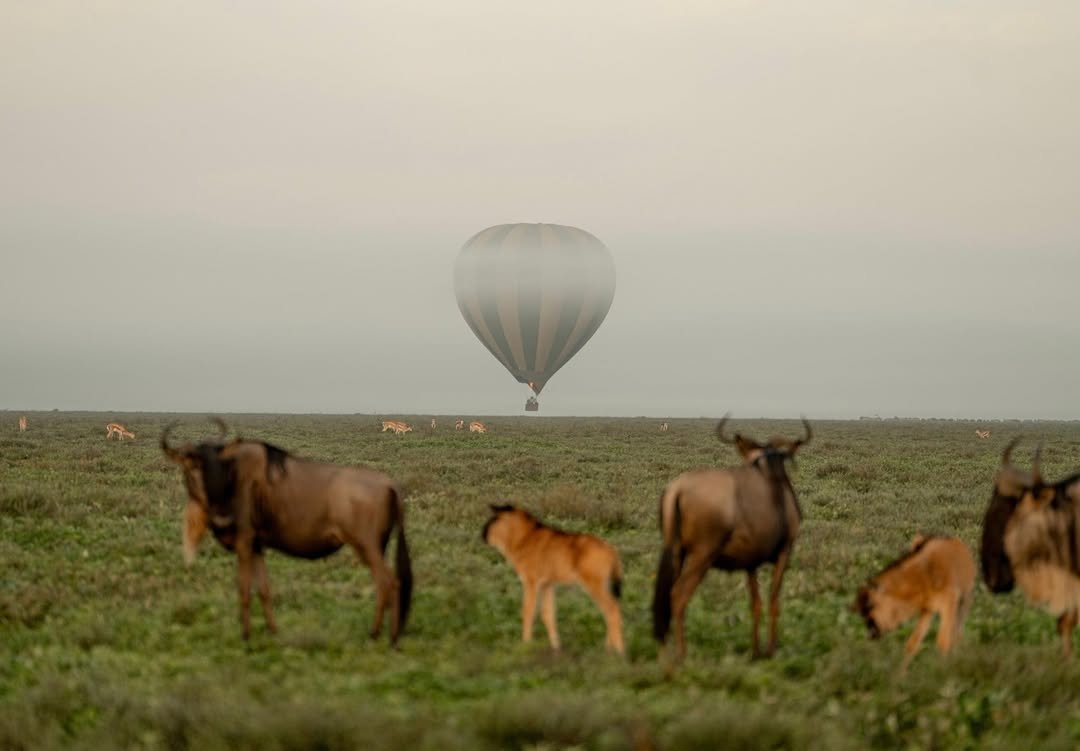
December – March: Calving Season (Southern Serengeti)
Location: Ndutu Plains and Southern Serengeti
What to See: Thousands of wildebeest calves born daily (peak in January–February)
Why Visit: Intense predator action (lions, cheetahs, hyenas), beautiful green landscapes, and fewer crowds than the north
April – June: Western Corridor & Grumeti River
Location: Western Serengeti
What to See: Large herds moving westward with early river crossings
Why Visit: Fewer tourists, excellent value, and varied scenery
July – October: Mara River Crossings (Northern Serengeti)
Location: Northern Serengeti (Kogatende & Lamai areas)
What to See: Iconic, dramatic river crossings with crocodiles
Why Visit: The most famous and photogenic moments of the migration
November: Short Rains & Southern Return
Location: Central to Southern Serengeti
What to See: Herds beginning their return south with dramatic skies
Why Visit: Low crowds, lush scenery, and better prices
Beyond the Migration: Year-Round Wildlife in Serengeti
The Serengeti is excellent even when the migration is not at its peak:
Big Cats: Lions, leopards, and cheetahs can be seen throughout the year
Birdlife: Over 500 species — best from November to May
Resident Wildlife: Elephants, giraffes, buffalo, and hippos are present year-round
Scenery: Golden plains in the dry season vs vibrant green landscapes in the wet season
How to Avoid Crowds in Serengeti
For a more peaceful and exclusive experience:
Travel during shoulder seasons (March–May or November)
Explore remote areas such as the Western Corridor or Eastern Serengeti
Choose smaller, intimate camps instead of large lodges
Opt for early morning and late afternoon game drives
Dry Season vs Wet Season: A Comparison
Dry Season (June – October)
Pros: Excellent wildlife visibility, reliable sunny weather, prime time for Mara River crossings
Cons: Higher number of visitors and peak season prices
Wet / Green Season (November – May)
Pros: Calving season (Jan–Feb), fewer crowds, lower prices, lush landscapes, outstanding photography and birdwatching
Cons: Occasional rain (especially March–May) and some roads may be muddy
Why Travel with Kilisherpas Travel?
Local Tanzanian safari experts with real-time migration knowledge
Fully customized itineraries tailored to your interests
Professional, experienced guides who track herd movements daily
Handpicked lodges and mobile camps in the best locations
Commitment to responsible and low-impact safari experiences
Whether you want to witness the heart-pounding Mara River crossings or enjoy a tranquil calving season safari, we will design the perfect Serengeti experience for you.
Ready to plan your Serengeti safari?
Contact Kilisherpas Travel today for expert advice and a personalised 2026–2027 itinerary.