Africa is a continent of staggering beauty and raw power home to landscapes and wildlife spectacles that continue to amaze travellers, scientists, and nature lovers alike. In 2013, a panel of global experts selected the Seven Natural Wonders of Africa, celebrating the continent’s most extraordinary natural phenomena.
From Tanzania’s iconic peaks and craters to vast deserts, mighty rivers, and incredible wildlife migrations, these wonders showcase Africa at its most magnificent. Yet the list only scratches the surface. Beyond the official seven lie countless other breathtaking sites that make Africa truly unforgettable.
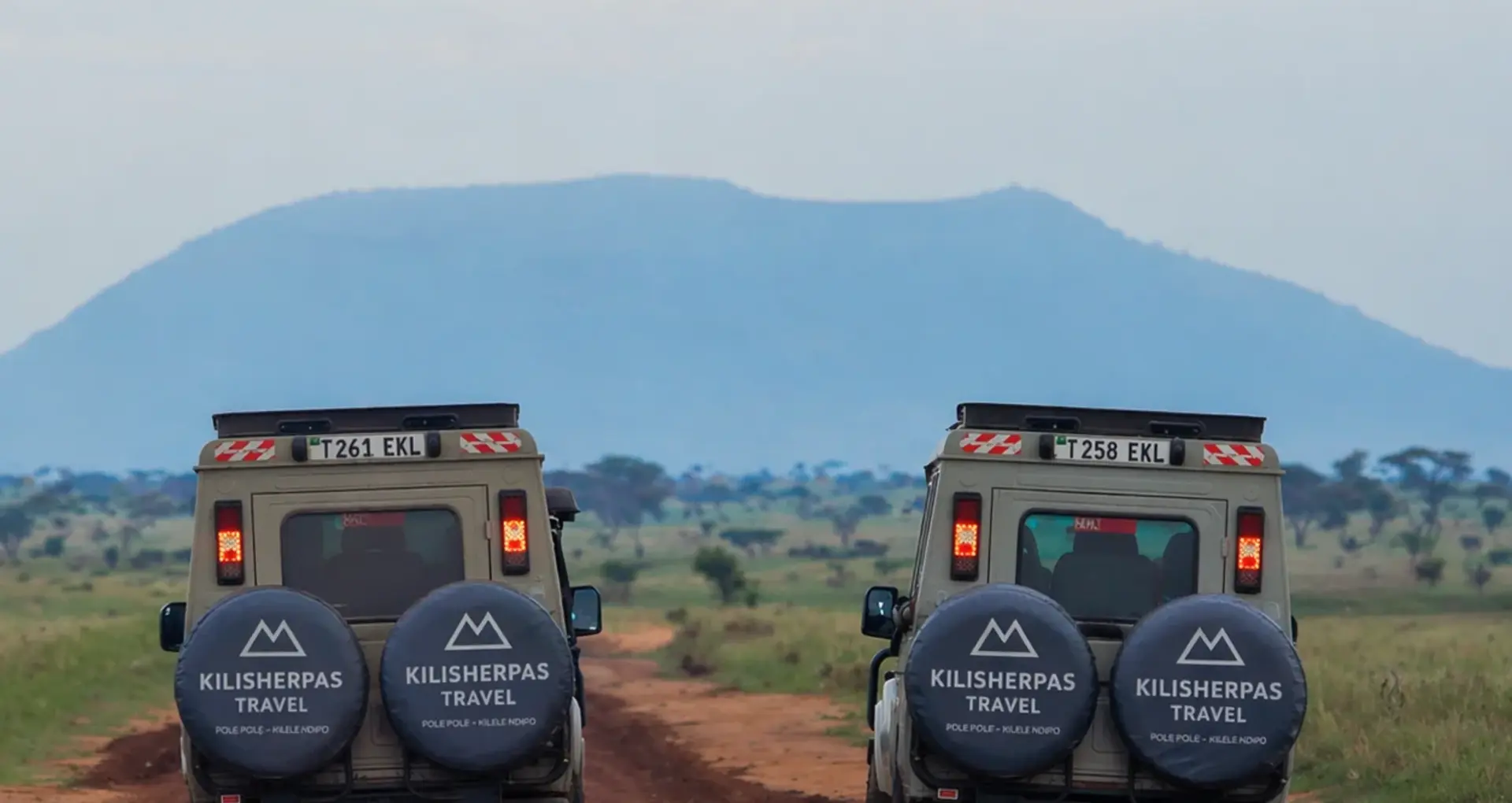
At Kilisherpas Travel, we specialise in bringing travellers face-to-face with these natural masterpieces — whether on a classic Northern Circuit safari, a Mount Kilimanjaro or Mount Meru climb, a visit to Lake Natron, or a Zanzibar extension. Here’s your complete 2026/2027 guide to Africa’s greatest natural wonders.
The Seven Natural Wonders of Africa
These seven sites were chosen for their uniqueness, scale, beauty, and ecological importance:
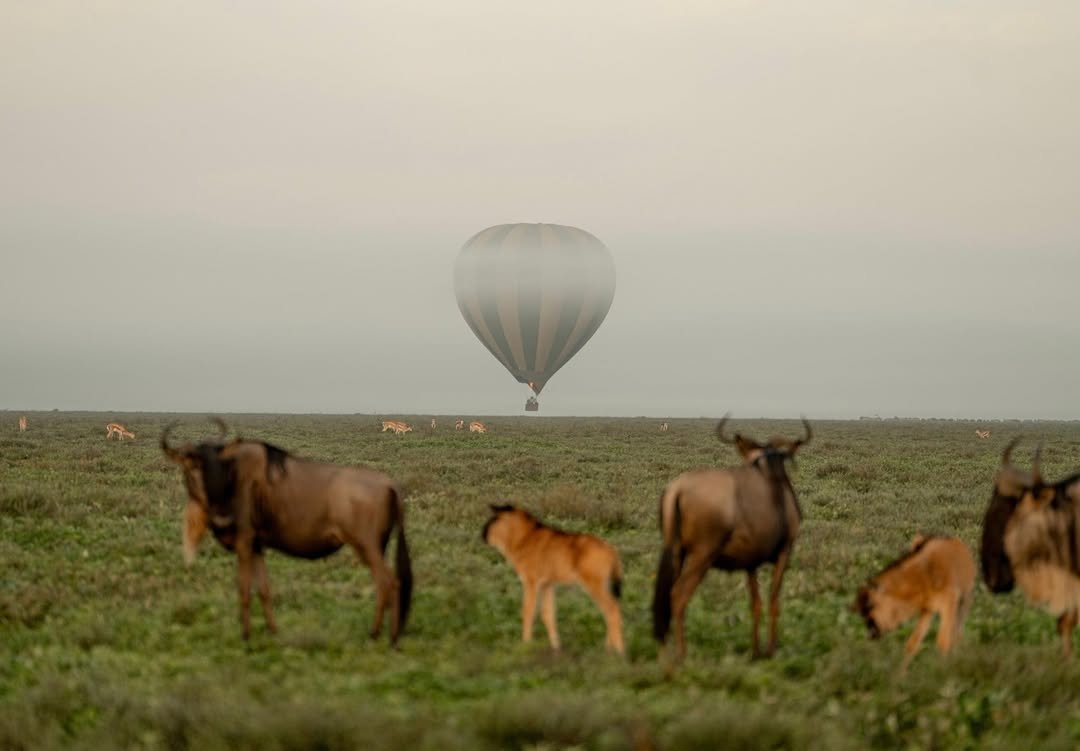
The Great Migration (Serengeti & Maasai Mara) Often called “the greatest show on Earth", this annual movement of over two million wildebeest, zebras, and gazelles — followed by predators — spans Tanzania’s Serengeti National Park and Kenya’s Maasai Mara. Driven by seasonal rains, it features dramatic river crossings, predator hunts, and the birth of thousands of calves. No other land migration on the planet matches its scale.
Ngorongoro Crater (Tanzania) The world’s largest intact volcanic caldera forms a natural amphitheatre teeming with life. Its 600-metre-high walls enclose a lush floor with Lake Magadi (a flamingo hotspot), grasslands, and forests. Home to over 25,000 large mammals — including the Big Five — it is often nicknamed “Africa’s Garden of Eden” or the world’s largest natural zoo. It also hosts the critically endangered Mduma’s shrew.
Red Sea Coral Reefs: Stretching along the coasts of Egypt, Eritrea, and Sudan, these vibrant reefs support an astonishing diversity of marine life, including species found nowhere else. Snorkellers and divers encounter clownfish, turtles, stingrays, sharks, and colourful coral gardens in warm, clear waters - making it one of Africa’s top underwater wonders.
Mount Kilimanjaro (Tanzania), Africa’s highest mountain and the world’s tallest free-standing peak, rises dramatically from the surrounding plains. This dormant volcanic giant features three cones, glaciers near the summit, and unique afro-alpine vegetation (giant groundsels and lobelias). No technical climbing skills are required, making the “Roof of Africa” accessible to fit adventurers.
Sahara Desert The world’s largest hot desert spans multiple countries and features shifting sand dunes, rocky plateaus, mountains, and life-sustaining oases. Daytime temperatures can exceed 50°C, yet the Sahara supports unique wildlife (fennec foxes and snakes) and nomadic cultures. Camel treks, stargazing under pristine skies, and ancient rock art draw adventurers from across the globe.
Nile River Traditionally considered the world’s longest river, the Nile sustains millions of people and rich ecosystems across 11 countries. Its source traces back to the Kagera River feeding Lake Victoria in Tanzania. Iconic Nile cruises in Egypt reveal ancient temples and pyramids, while the river supports hippos, crocodiles, and diverse birdlife.
Okavango Delta (Botswana) The largest inland delta on Earth, the Okavango fans out into the Kalahari Desert without reaching the sea. This maze of channels, lagoons, and islands creates a wildlife paradise. During the flood season, visitors explore by mokoro (traditional canoe), spotting elephants, lions, leopards, zebras, and abundant birds.
Other Extraordinary Wonders of Africa
Africa’s natural wonders extend far beyond the official seven:
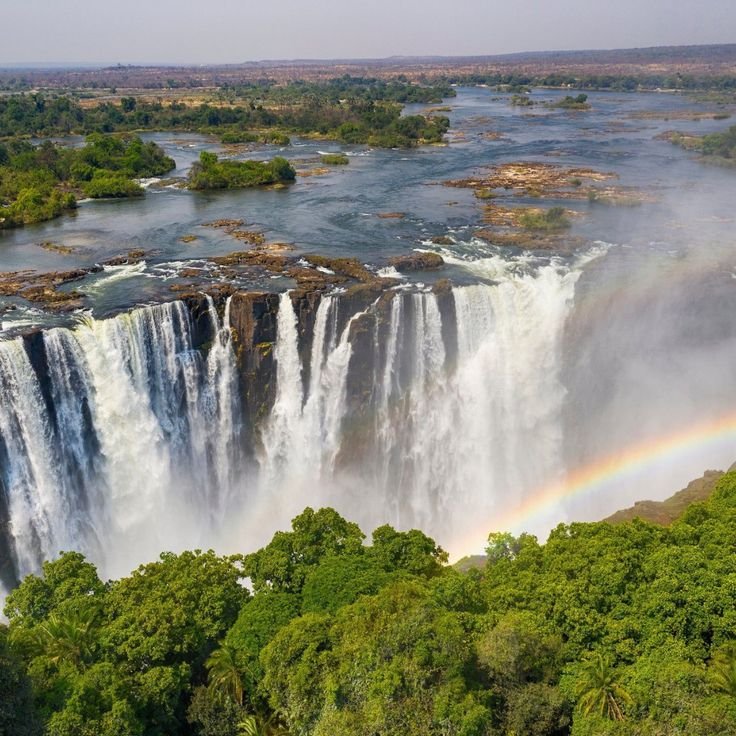
Victoria Falls (Zimbabwe/Zambia) — “The Smoke That Thunders” — where the Zambezi River plunges over 100 metres across a nearly 2 km wide curtain, creating massive mist clouds. Adventurous visitors can swim in Devil’s Pool during low water.
Lake Victoria — Africa’s largest lake, shared by Tanzania, Uganda, and Kenya. It resembles an inland sea with islands, unique fish species (including massive Nile perch), hippos, crocodiles, and birdlife. It forms a key source of the Nile.
Lake Natron (Tanzania) — A surreal alkaline lake with blood-red waters caused by Spirulina algae. It hosts up to 80% of the world’s lesser flamingos during breeding season. Framed by the active Ol Doinyo Lengai volcano, it offers one of Africa’s most otherworldly landscapes.
Fish River Canyon (Namibia) — Africa’s largest canyon (160 km long), often compared to the Grand Canyon. Multi-day hikes reveal dramatic cliffs, hot springs, and desert wildlife.
Table Mountain (South Africa) — The iconic flat-topped mountain overlooking Cape Town offers panoramic views and rich biodiversity. It was named one of the New7Wonders of Nature.
Why Tanzania Stands Out Among Africa’s Wonders
Tanzania alone hosts or borders several of these wonders: Mount Kilimanjaro, the Serengeti Great Migration, Ngorongoro Crater, and Lake Natron. The country also offers easy access to Mount Meru for acclimatisation, authentic Maasai culture, and tanzanite gemstones.
Combining these with a Serengeti safari, Lake Manyara game drives, or a Zanzibar beach extension creates the ultimate African itinerary.
Plan Your African Wonders Adventure with Kilisherpas Travel
Whether you dream of witnessing the Great Migration, standing on the summit of Kilimanjaro, exploring the flamingo-filled shores of Lake Natron, or combining multiple wonders, Kilisherpas Travel crafts personalised, responsible journeys.
Our expert guides, comfortable lodges, and focus on sustainable tourism ensure you experience Africa’s natural splendours safely and meaningfully.
Ready to witness the Wonders of Africa?
Contact the team at Kilisherpas Travel today to design your perfect 2026/2027 safari, mountain climb, or multi-country adventure.