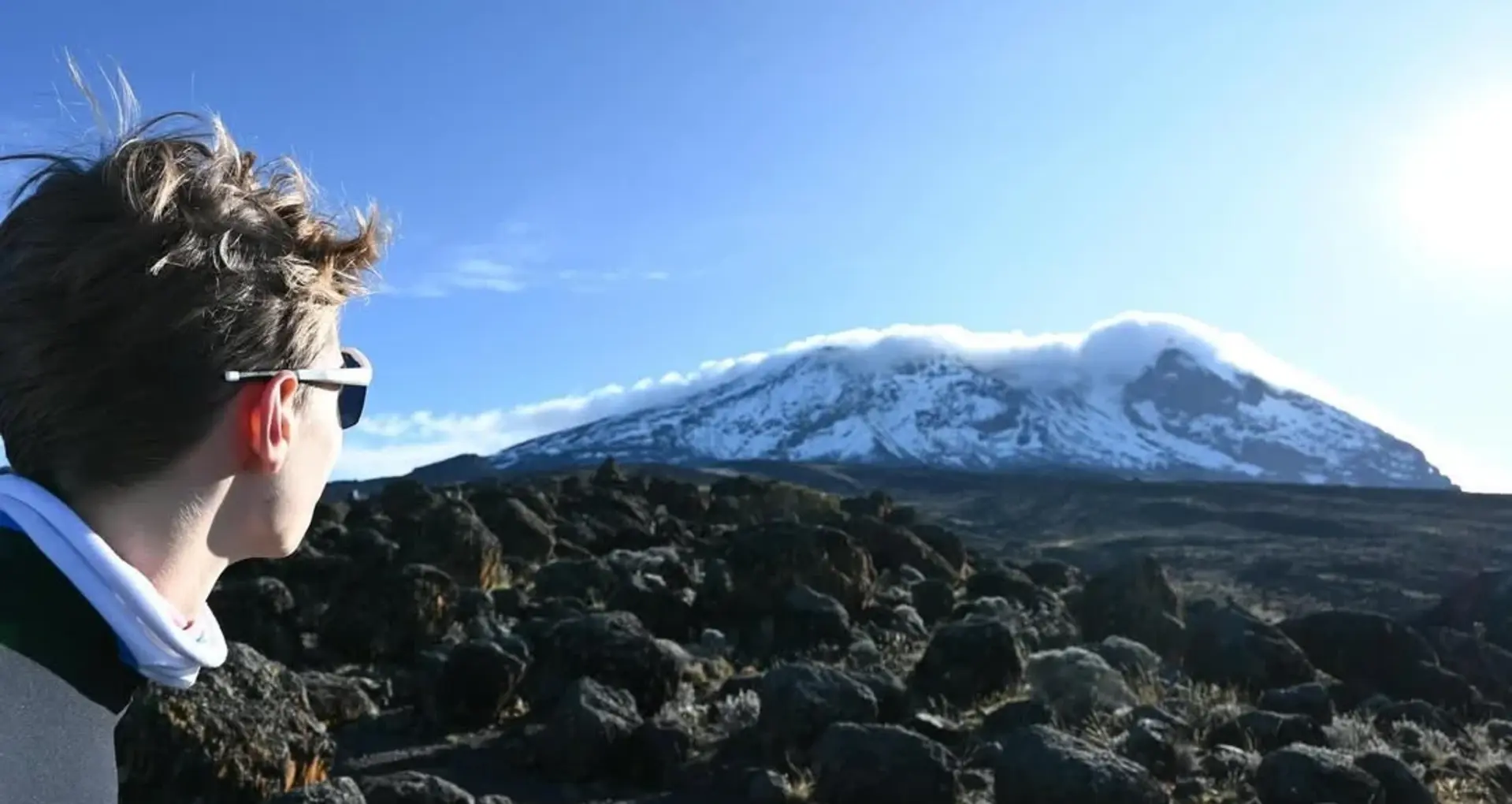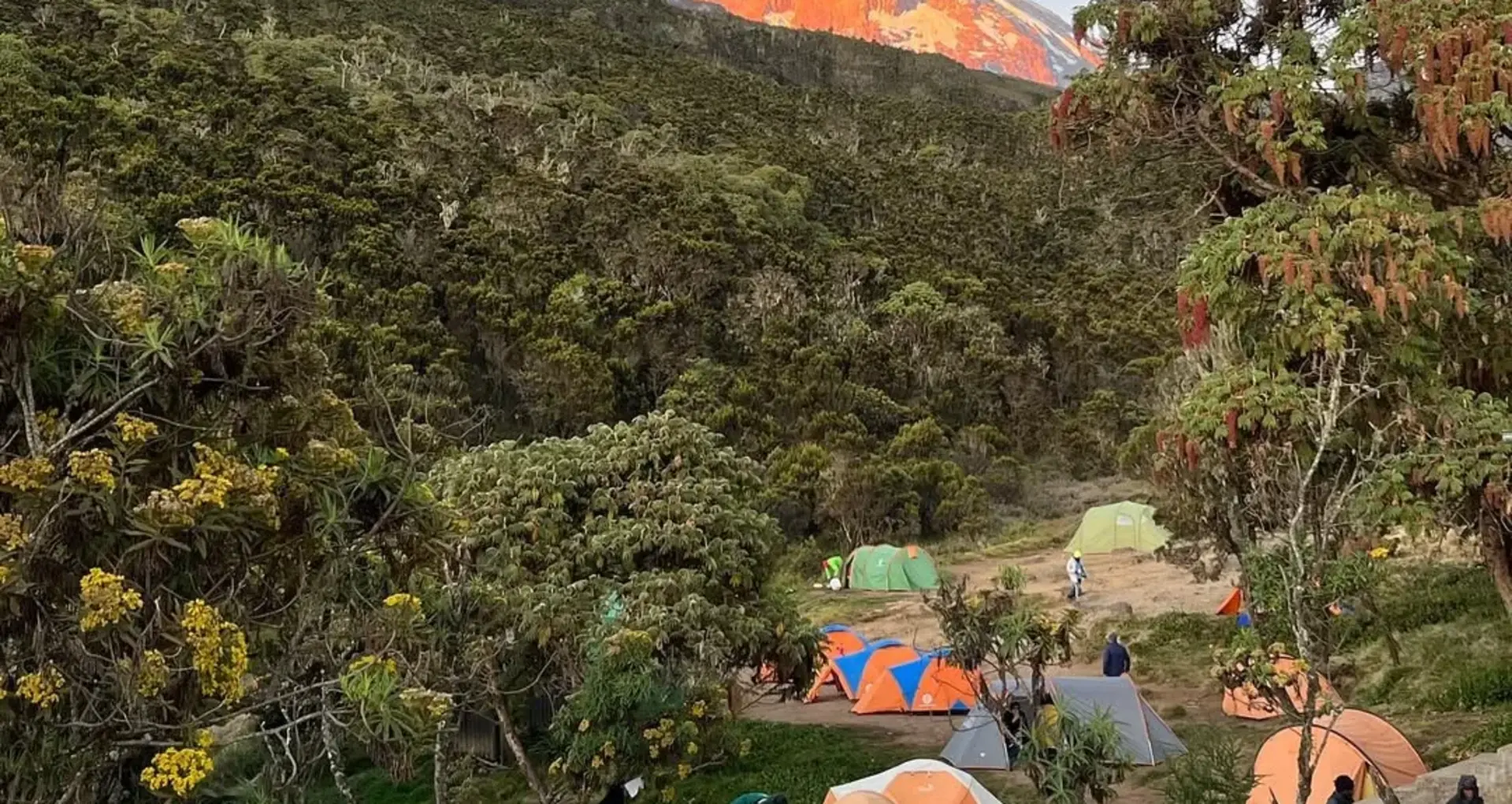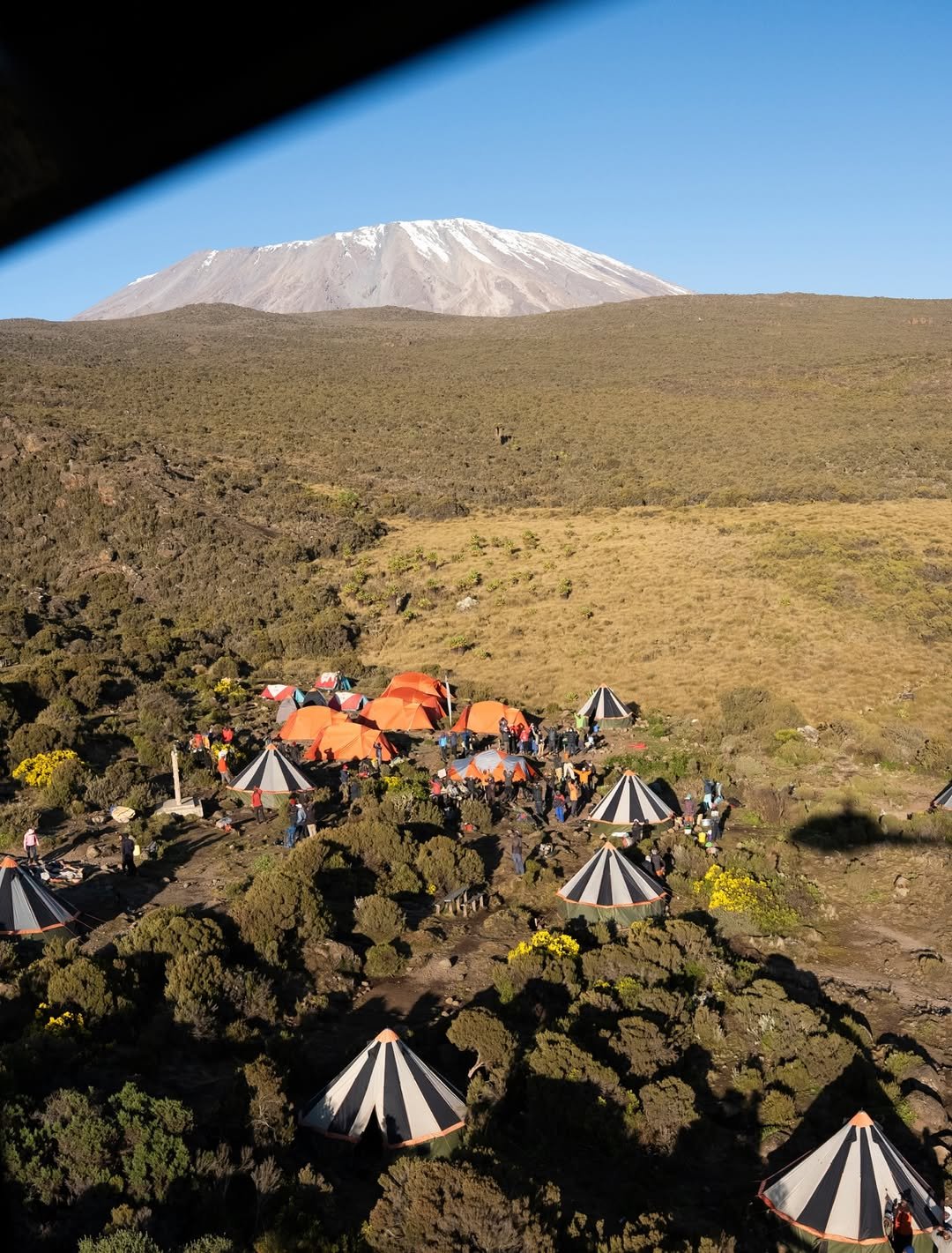
Mount Kilimanjaro, often called "The Roof of Africa", stands majestically as the continent's highest peak at 5,895 meters (19,341 feet). Known worldwide as a symbol of adventure and natural beauty, Kilimanjaro attracts thousands of trekkers each year. Despite its popularity, many intriguing facts about this iconic volcano remain lesser-known. From its geological features to astonishing records, here are 16 fascinating facts that reveal the true wonder of Kilimanjaro.
1. Kilimanjaro Is the Tallest Free-Standing Mountain in the World—With a Twist
Kilimanjaro proudly bears the title of the "world’s highest free-standing mountain". Unlike mountain ranges like the Himalayas, it rises alone, isolated by miles of surrounding plains. However, the truly tallest mountain in the world is Mauna Kea in Hawaii, measuring 10,205 metres (33,484 feet) from base to summit—most of which lies beneath the Pacific Ocean. This makes Mauna Kea the highest overall, although Kilimanjaro remains the highest free-standing volcano.
2. Its Summit Is Closer to Space Than Everest’s
When measured from Earth's centre, Kilimanjaro's summit is actually further from the Earth's core than Mount Everest. Everest is about 1,720 meters (5,643 feet) closer to Earth's center because Earth bulges at the equator. Interestingly, Chimborazo in Ecuador, due to the planet's equatorial bulge, has the farthest point from Earth's centre, making Kilimanjaro the highest point relative to Earth's shape.
3. The Fastest Climb Was Under 5 Hours
In 2014, Swiss-Ecuadorian athlete Karl Egloff set the record for the fastest ascent, conquering Kilimanjaro in just 4 hours and 56 minutes—an incredible feat considering most climbers take around 6 days. This record highlights the extraordinary speed and physical prowess of elite athletes.
4. A Journey Through Multiple Climate Zones
Climbing Kilimanjaro is like traversing multiple worlds:
Cultivation Zone: Lowlands with farms and villages.
Rainforest Zone: Dense tropical forests teeming with wildlife.
Heather and Moorland Zone: Unique giant groundsels and lobelias.
Afro-alpine Desert: Rocky, mossy, and nearly devoid of plant life.
Arctic Summit: Glaciers, snow, and icy craters at the peak.
This layered environment makes Kilimanjaro a natural ecological marvel.
5. The Glaciers Are Disappearing Rapidly
Once covering 12 square kilometers at the start of the 20th century, Kilimanjaro’s glaciers have shrunk to about 2 square kilometers today. Climate change and deforestation accelerate their retreat, and scientists predict the glaciers may vanish entirely within 20-30 years if current trends continue. Witnessing these glaciers is becoming an increasingly rare opportunity.
6. Home to Africa’s Tallest Tree
Discovered only in 2016, the tallest tree in Africa—an Entandrophragma excelsum—grows on Kilimanjaro’s southern slopes. It measures a towering 81.5 meters (267 feet), showcasing the mountain’s ecological diversity even at high altitudes.
7. The Endemic Kilimanjaro Groundsel
This unique plant, Dendrosenecio kilimanjari, resembles a giant candelabra and is found nowhere else in the world. Growing up to 10 meters (33 feet), it has adaptations like water-storing leaves to survive the harsh high-altitude environment.
8. Endemic Flora and Fauna Abound
Kilimanjaro hosts many endemic species, including the Kilimanjaro White-eye, a small bird with a distinctive white ring. Other endemic animals include the Kilimanjaro Impatiens, the giant lobelia, and the elusive Abbott’s duiker, a rare antelope recently captured on camera traps.
9. A Plane Crash That Became a Historic Site
In 1955, a Douglas DC-3 aircraft crashed into Kilimanjaro's Mawenzi peak during cloudy conditions, killing all 20 onboard. The wreckage remains on the mountain’s slopes and is a sombre reminder of the mountain’s perilous reputation. Few expeditions visit this site, preserving its untouched, haunting presence.
10. Kilimanjaro Doesn’t Rise Like Olympus Over the Serengeti
Famous from the song "Africa" by Toto, the lyric “Kilimanjaro rises like Olympus above the Serengeti” is poetic but inaccurate. The Serengeti is over 230 km away, and Kilimanjaro is not visible from there. The imagery is symbolic rather than literal, illustrating the mountain’s grandeur.
11. It’s a Dormant Volcano with the Potential to Erupt Again
Kilimanjaro is a stratovolcano with three cones: Shira, Mawenzi, and Kibo. While Shira and Mawenzi are extinct, Kibo is dormant. Its last eruption was about 150,000 years ago. Deep beneath the surface, geothermal activity persists, but the likelihood of an eruption remains minimal.
12. The Highest-Altitude Football Match
In 2017, women athletes played football at an altitude of 5,714 meters (18,746 feet) inside Kilimanjaro’s crater—setting a Guinness World Record. The game was played with a flour-marked field and trekking poles as goalposts, showcasing human resilience in extreme conditions.
13. Over 50,000 Climbers Conquer Kilimanjaro Annually Since 1889
The mountain's popularity surged after the first successful ascent by Hans Meyer and Ludwig Purtscheller in 1889. Today, more than 60,000 climbers attempt Kilimanjaro each year, drawn by its accessibility and legendary status. The climb's history is rooted in exploration and determination.
14. Uhuru Peak’s Name Changed Post-Independence
Originally called Kaiser Wilhelm Peak, the summit was renamed Uhuru Peak (“Freedom Peak” in Swahili) after Tanzania gained independence in 1962. Other camps and features on the mountain were similarly renamed to shed colonial-era names.
15. The Meaning Behind “Kilimanjaro”
The origin of the name is debated. The most accepted theory combines Swahili “kilima” (mountain or hill) and Maasai “njaro” (water or source), reflecting Kilimanjaro’s role as the headwaters for major rivers. Some suggest it means “Shining Mountain” due to its snow-capped summit.
16. You Can Only Climb It From Tanzania
While stunning images of Kilimanjaro are often captured from Kenya’s Amboseli National Park, the actual climb begins exclusively in Tanzania, either from the southern or northern routes. The mountain’s beauty is best experienced firsthand by those who undertake the ascent.
Conclusion
Kilimanjaro is more than just Africa’s highest peak; it’s a mountain of contrasts, history, and natural wonder. From its geological origins and ecological marvels to its record-breaking feats and cultural significance, Kilimanjaro continues to inspire adventurers worldwide. Whether you’re an aspiring climber or a curious traveller, understanding these facts deepens your appreciation for this extraordinary mountain.
Ready to explore Kilimanjaro’s majestic landscapes? Join Kilisherpas Travel for guided expeditions that bring you face-to-face with Africa’s towering giants – an experience of a lifetime.