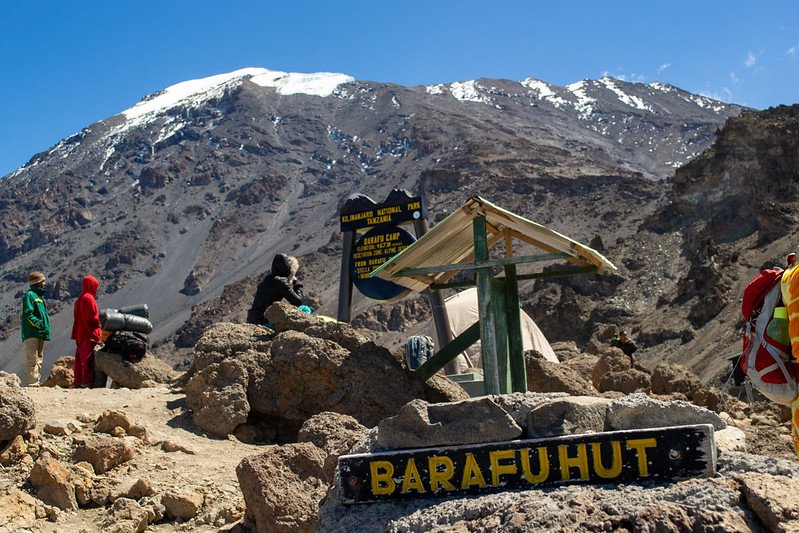
For mountaineers tackling Mount Kilimanjaro, reaching Barafu Camp marks a pivotal milestone. Known as the “Ice Camp,” Barafu Hut is the last resting point before the ultimate ascent to Uhuru Peak—the highest point in Africa. Sitting at an altitude of 4,673 meters (15,330 feet) within the Afro-alpine Desert Zone, this camp is both an operational staging ground and a test of endurance. Proper preparation for the harsh conditions at Barafu is essential for a successful summit. In this guide, Kilisherpas Travel provides all the vital insights you need to navigate the final stage of your Kilimanjaro adventure.
Location and Significance of Barafu Camp
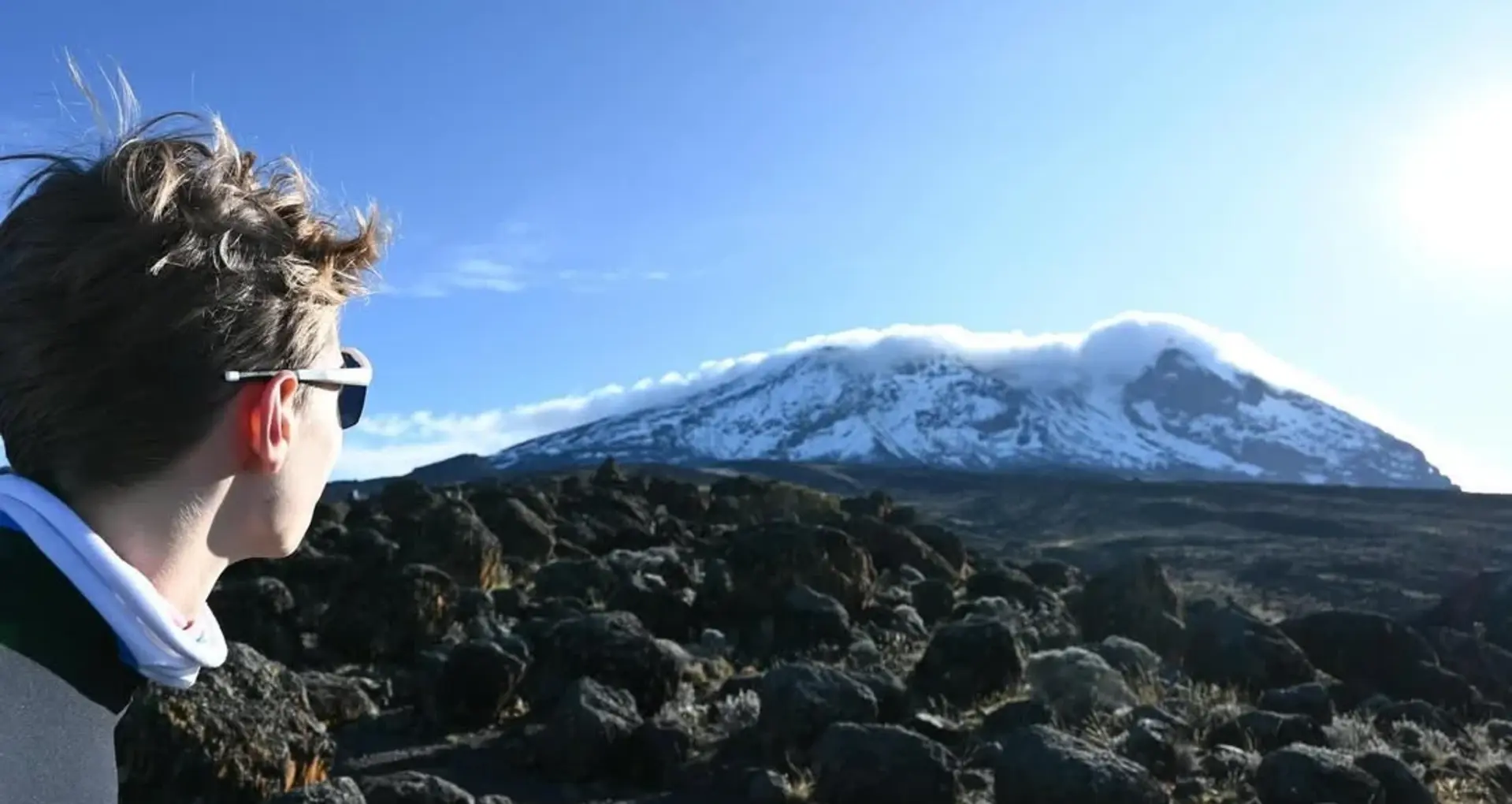
Situated on the southeastern slope of Mount Kilimanjaro’s volcanic cone Kibo, Barafu Camp’s coordinates are approximately 3° 5'58.89"S, 37°22'41.41"E. Its name, meaning “ice” in Swahili, reflects the icy terrain that characterized the site during early ascents. Today, it remains a stark, windswept environment, offering panoramic views of the surrounding glaciers and the mountain’s summit.
Why is Barafu Camp Important?
Final Resting Point: The last overnight camp before the summit attempt.
Preparation Hub: Climbers rest, hydrate, and mentally prepare for the grueling night climb.
Strategic Location: Close enough to the summit (approximately 5 km away) to enable an early start.
Routes Leading to Barafu Camp
Three main routes lead climbers to Barafu Hut, each offering unique scenic experiences and acclimatization profiles:
Lemosho Route
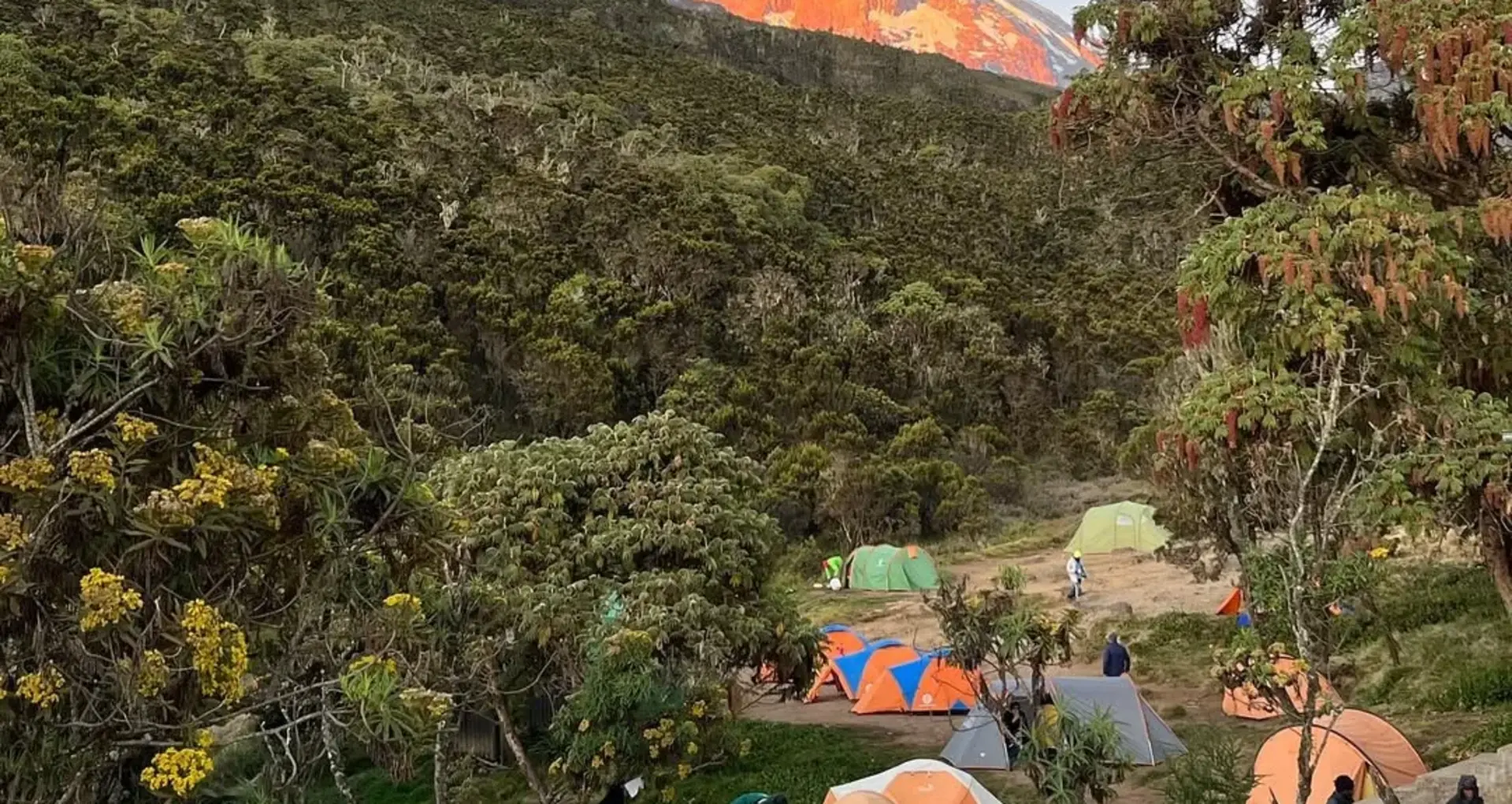
Renowned for its gradual ascent and high success rate, the Lemosho route begins in lush rainforest and gradually ascends through alpine zones. Notable highlights include Cathedral Point at 3,872 meters, typically reached on day two or three.
Machame Route
Popular among adventurers for its scenic diversity, Machame begins in dense tropical forest and passes through the Shira Plateau and Barranco Wall. The route is challenging but rewarding, offering stunning panoramic views.
Umbwe Route
The steepest and most direct, Umbwe is less crowded and suited for experienced climbers. It features a more aggressive ascent profile, passing through all climatic zones before merging with the Machame and Lemosho routes.
How to Reach Barafu Camp
Regardless of the route, climbers ascend from Karanga Camp, which serves as an overnight stop on some routes like Lemosho and Machame. The approach involves trekking over varied terrains, with the final ascent to Barafu typically taking 4–6 hours.
Distance from Barafu to Uhuru Peak
The final push from Barafu to Uhuru Peak covers approximately 5 kilometres (3.1 miles), but it is the most physically demanding part of the expedition. Climbers depart around midnight, ascending roughly 1,200 meters (3,937 feet) in 6–7 hours, often reaching the summit around dawn.
Summit Day Essentials
Start Time: Around midnight for optimal weather and temperature conditions.
Journey: About 16 kilometers (10 miles) of strenuous trekking, with a steep ascent.
Return: After summiting, climbers descend back to Barafu for a brief rest before continuing to Millennium Camp.
What Is the Difficulty of Summit Night?
Climbing Kilimanjaro is considered accessible for many beginners, but summit night is undeniably tough. Expect cold temperatures, high altitude, and fatigue. Proper acclimatisation, training, and mental preparation are crucial. Kilimanjaro Sherpas' travel specialised training programmes help climbers prepare physically and mentally for this challenge.
Weather Conditions at Barafu Camp
The Swahili name “Barafu” translates to "ice", a nod to the icy terrain that once extended lower down the mountain. Today, the environment remains cold and exposed, with temperatures ranging between 4°C to -15°C (39°F to 5°F), depending on the season.
Conditions You Should Prepare For
Extreme Cold: Layered clothing, thermal gear, and insulated sleeping bags rated for -15°C are essential.
Wind Exposure: Strong gusts are common, requiring windproof outer layers.
Minimal Shelter: The camp features only tents; all gear and supplies are carried in.
Travel tip: Always pack warm clothing, including hats, gloves, and thermal layers, and rent or purchase high-quality gear through Kilisherpas Travel to ensure comfort and safety.
Is Barafu Camp Safe?
While the environment at Barafu Camp can seem stark, safety is a priority for experienced operators like Kilisherpas Trave. The key factors include the following:
Qualified Guides & Support: Each group is guided by trained professionals with experience in high-altitude trekking.
Health & Emergency Preparedness: We provide first aid kits, oxygen systems, and emergency protocols, including Wilderness First Responder-certified guides.
Fair Treatment & Ethical Practices: Our partners are members of the Kilimanjaro Porters Assistance Project, ensuring fair labour practices and safety standards.
Tips for Safe Climbing
Hydrate adequately and avoid alcohol or smoking before the climb.
Listen to your guides and communicate any symptoms of altitude sickness immediately.
Use supplemental oxygen if needed, and adhere strictly to safety instructions.
Conclusion
Barafu Camp stands as a critical waypoint in the journey to Kilimanjaro’s summit. Its rugged terrain and extreme altitude demand respect, preparation, and the right support. With proper gear, expert guidance, and mental resilience, climbers can conquer the final ascent and enjoy the unparalleled achievement of standing atop Africa’s highest peak.
Ready for your Kilimanjaro adventure?Join Kilisherpas Travel for a safe, expertly guided expedition to the Roof of Africa, and make your mountain dreams a reality.