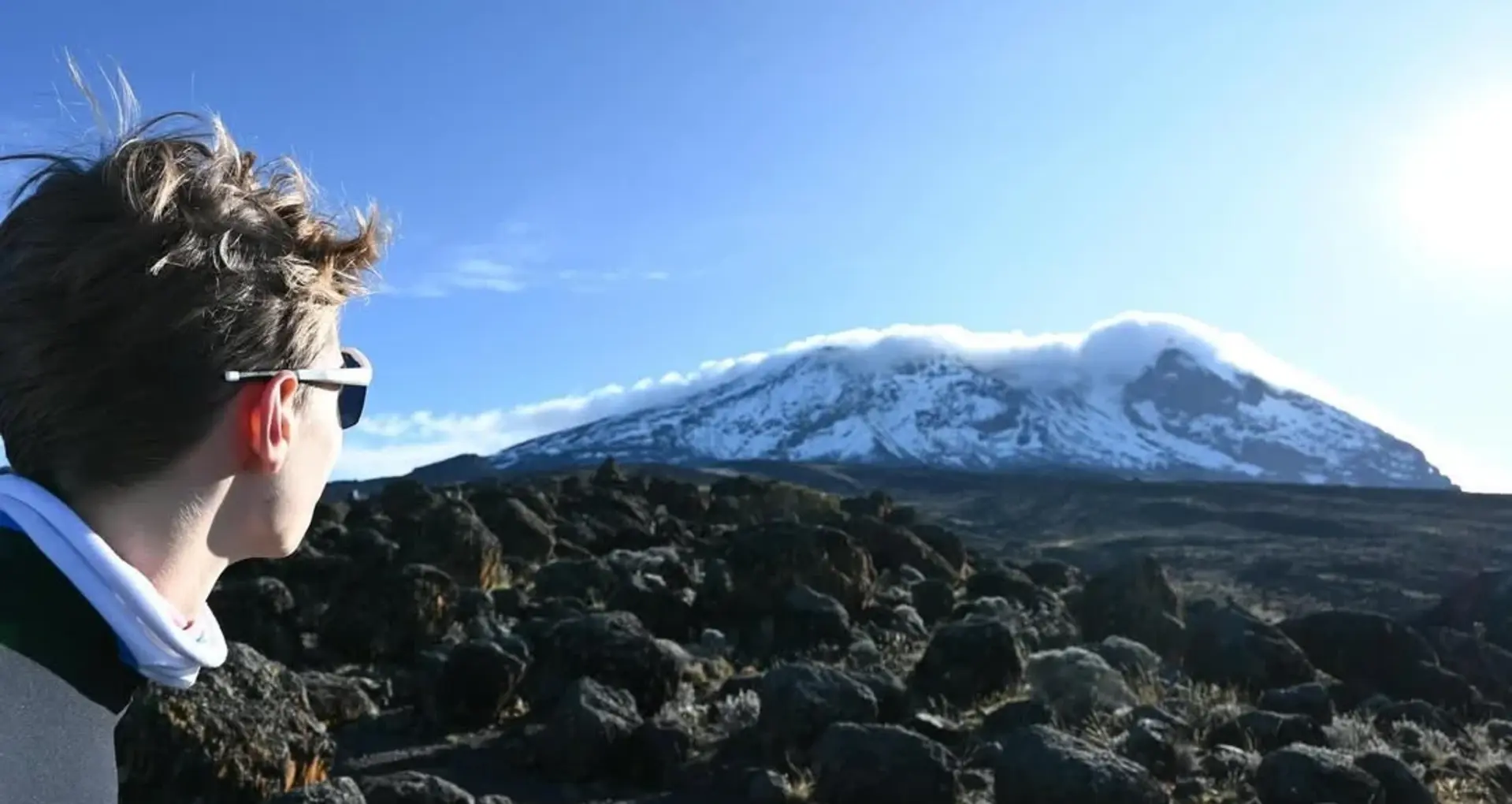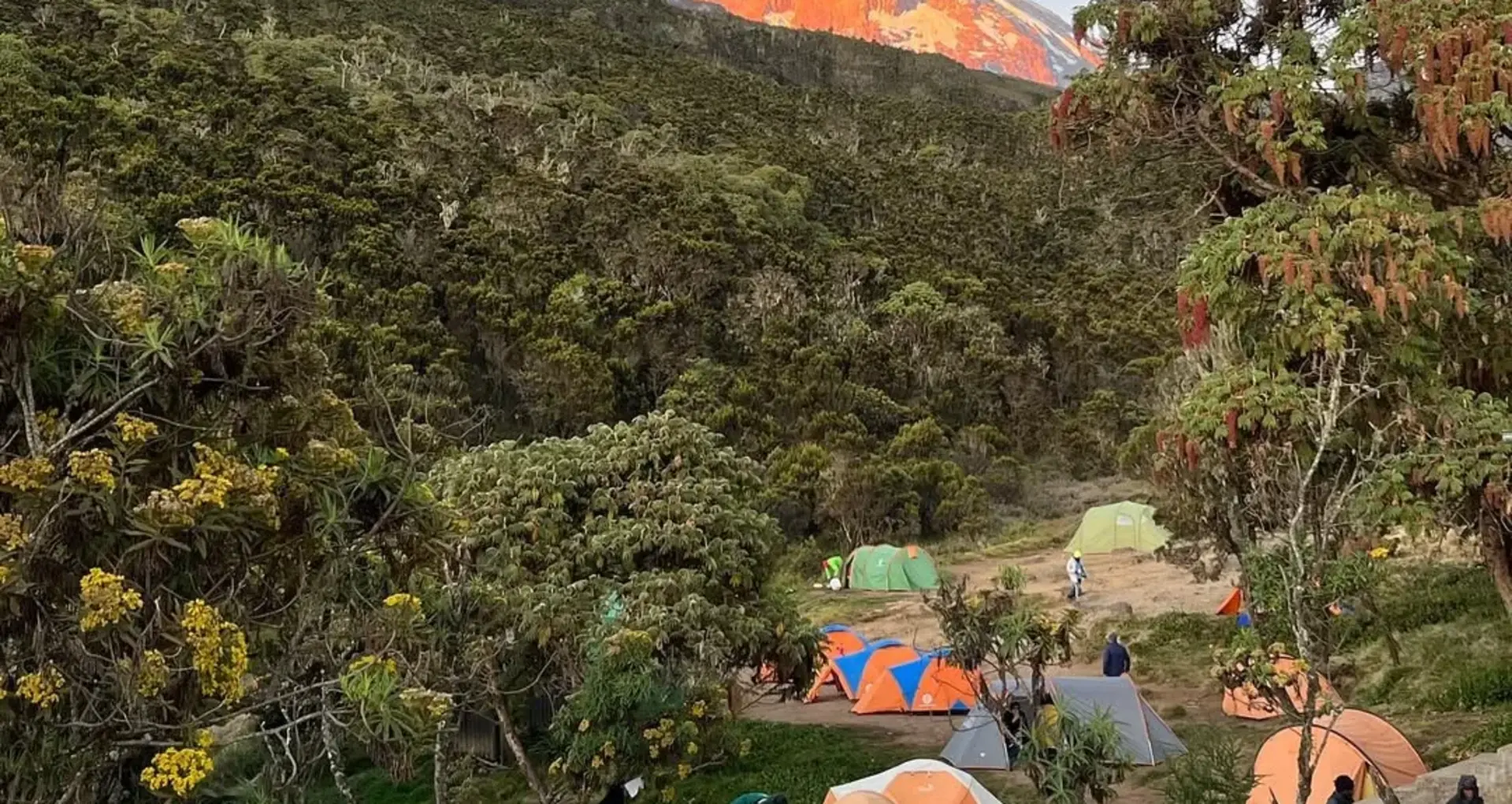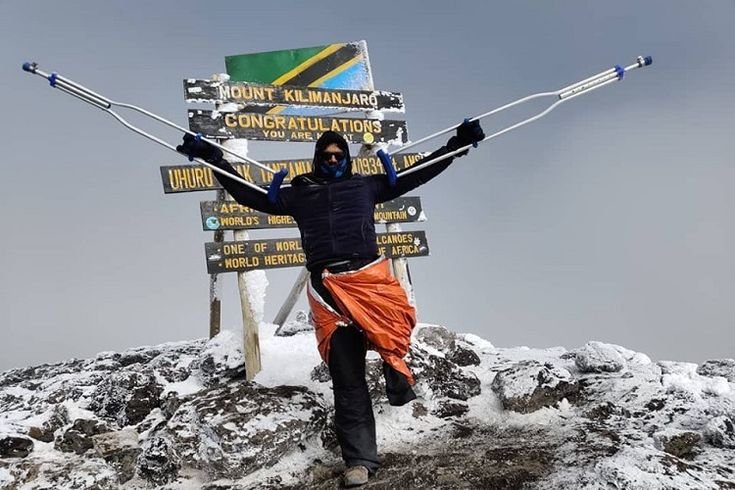
Climbing Mount Kilimanjaro is a profound challenge that tests physical endurance, mental strength, and determination. For many, reaching the summit of Africa’s highest peak (5,895 m / 19,341 ft) is a life-changing achievement. What makes it even more inspiring is that this mountain is accessible to people with a wide range of abilities – including those with disabilities.
At Kilisherpas Travel, we have supported climbers with visual impairments, hearing loss, amputations, and mobility challenges on successful Kilimanjaro expeditions. With proper preparation, experienced guides, and the right mindset, the “Roof of Africa” can be reached by almost anyone who is determined.
This 2026/2027 guide shares real stories of remarkable climbers and explains how we prepare safe, inclusive expeditions for people with disabilities.
Inspiring Real Stories of Climbers with Disabilities on Kilimanjaro
Blind Climbers – From First Attempts to World Records
In February 1969, a team of seven blind travellers, supported by four guides and porters, made history by attempting to climb Kilimanjaro. Although harsh weather stopped them short of Uhuru Peak, they reached the summit plateau (Stella Point or Gilman’s Point). This early expedition demonstrated that visual impairment does not prevent reaching high altitudes.
Forty years later, in 2009, a group of eight blind climbers, accompanied by 17 assistants, successfully summited Uhuru Peak. They set two world records: the largest group of visually impaired people to reach the summit and the youngest blind climber — 13-year-old Max Ashton.
Bernard Goosen – First Man in a Wheelchair on Kilimanjaro
South African Bernard Goosen, born with cerebral palsy, reached Uhuru Peak in 2003 using a specially reinforced wheelchair. He repeated the feat in 2007, reducing his time from nine days to six. His story inspired many and showed that with determination and adapted equipment, wheelchair users can conquer Africa’s highest mountain.
Erica Davis – First Paraplegic Woman on Kilimanjaro
In 2010, Erica Davis, paralysed from the waist down after a spinal condition, summited Uhuru Peak with minimal assistance. Using a custom-built wheelchair with reinforced wheels and frame, she completed most of the route independently. Her journey was documented in the film Through the Roof, and she became a powerful symbol of resilience.
Kyle Maynard – Summited Without Prosthetics
Born with a condition that resulted in congenital amputations, Kyle Maynard reached Uhuru Peak in 2011 without prosthetics or a wheelchair. He used custom protective pads and sheer willpower, crawling and pulling himself forward on the most difficult sections. His climb was a testament to human determination.
Spencer West – Climbed Mostly Using His Hands
In 2012, Spencer West, who lost both legs below the pelvis as a child, climbed Kilimanjaro to raise funds for clean water projects in East Africa. He completed about 80% of the route using his hands, with assistance from friends on the steepest parts. The team reached the summit after seven challenging days.
How Expeditions Are Prepared for Climbers with Disabilities
At Kilisherpas Travel, every expedition for climbers with disabilities is planned individually. There is no “one-size-fits-all” approach. We assess each person’s abilities, needs, and goals to create a safe and empowering experience.
Key Preparation Steps:
Detailed Assessment We discuss the climber’s specific condition, previous experience, fitness level, and any medical considerations. This helps us recommend the most suitable route and support level.
Route Selection
Kilema Route (also called the Bicycle Route): Often preferred for wheelchair users due to its gentler gradients in many sections.
Rongai Route: Frequently recommended for climbers with prosthetics or limited lower-limb mobility because it has fewer technically demanding sections like the Barranco Wall.
Specialized Equipment
Custom wheelchairs with reinforced frames and mountain-ready wheels
Specialized prosthetics designed for rugged terrain
Additional support gear (harnesses, trekking poles adapted for specific needs)
Team Composition Every expedition includes experienced, licensed guides trained in wilderness first aid. We provide extra porters and assistants when needed, while always respecting the climber’s desire for independence.
Safety & Medical Support
Daily health monitoring (oxygen saturation, symptoms of altitude sickness)
Extra oxygen supplies and Diamox (when appropriate)
Radios and satellite phones for constant communication
Emergency evacuation plans, including access to Kili MedAir helicopter services in Moshi
Pace & Support Philosophy We prioritise safety while encouraging as much independence as possible. Climbers with disabilities are treated as equal team members. Assistance is provided only when requested or when clearly necessary for safety.
Important Considerations
Acclimatisation: We recommend longer itineraries (8+ days) to allow proper adaptation to altitude.
Fitness Preparation: Even with support, a reasonable level of core strength and cardiovascular fitness is important.
Medical Clearance: A thorough medical check-up and consultation with a doctor familiar with high-altitude travel is essential.
Mindset: The mental strength and positive attitude of the climber often play the biggest role in success.
Why Climb Kilimanjaro with Kilisherpas Travel?
We have years of experience supporting climbers with diverse abilities. Our team is committed to:
Personalized, respectful support
High safety standards
Professional, licensed guides and porters
Sustainable and inclusive tourism practices
Many of our clients with disabilities describe their Kilimanjaro climb as one of the most empowering experiences of their lives.
Final Thoughts
Climbing Kilimanjaro with a disability is challenging – but entirely possible. The mountain does not require you to be a professional athlete; it asks for determination, preparation, and the right support team.
Real stories from blind climbers, wheelchair users, and amputees prove that the “Roof of Africa” is accessible to anyone with the will to try.
Ready to write your own Kilimanjaro story?
Contact Kilisherpas Travel today. We will design a safe, personalised, and fully supported expedition tailored to your unique needs and goals for 2026/2027.