Dreaming of conquering Africa’s tallest mountain but worried about the weather? Many travellers assume that the dry season is the only suitable time to climb Kilimanjaro. The truth is, with proper preparation, climbing during the rainy season can be a rewarding and less crowded adventure. Kilisherpas Travel explores everything you need to know about trekking Kilimanjaro during wet months—from weather patterns and benefits to practical tips for a safe and enjoyable ascent.
1. Understanding Kilimanjaro’s Climate and Seasons
The Tanzanian Seasons Explained
Unlike temperate climates with four predictable seasons, Tanzania’s weather is dominated by tropical monsoon patterns. The country’s climate is divided into four distinct blocks based on rainfall:
Short Rains (Late October to Mid-December): Warm, with occasional showers, usually in the late afternoon or evening.
Hot Season (Late December to Mid-March): Dry, sunny, and warm, ideal for most outdoor activities.
Long Rains (Late March to Early June): Colder, with frequent, sometimes heavy showers.
Cool Dry Season (Mid-June to October): Clear skies, cooler temperatures, little to no rain—peak trekking season.
Weather Variability on Kilimanjaro
Kilimanjaro’s high altitude creates unpredictable weather patterns. While Tanzania’s lower altitudes follow the general seasonal trends, mountain weather can change rapidly, with rain, fog, and clouds appearing unexpectedly. Even during the dry season, light rain or fog can occur, and during the rainy months, rain can be heavier and more persistent.
2. When Does the Rainy Season Occur?
The primary rainy periods are:
Long Rains: Late March through early June
Short Rains: Late October through mid-December
During these times, rain showers are common, but they typically occur in the afternoons or at night, leaving mornings relatively clear for trekking. However, weather conditions can vary—rains might start earlier or last longer than expected.
Note: Rain can be unpredictable, and even in the dry season, sudden weather changes are common. Always prepare for wet conditions regardless of the season.
3. Benefits of Climbing Kilimanjaro During the Rainy Season
Unique Natural Beauty
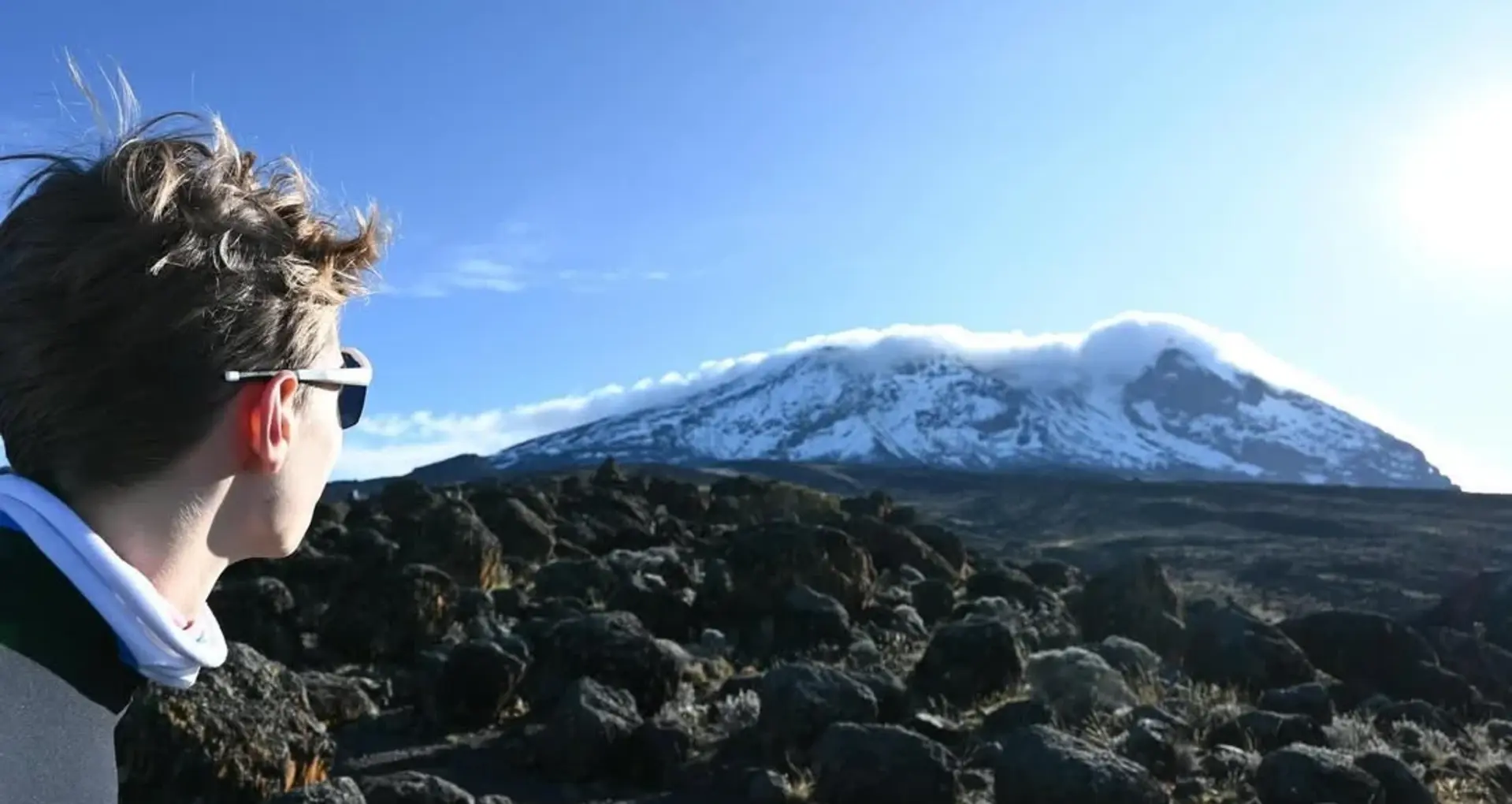
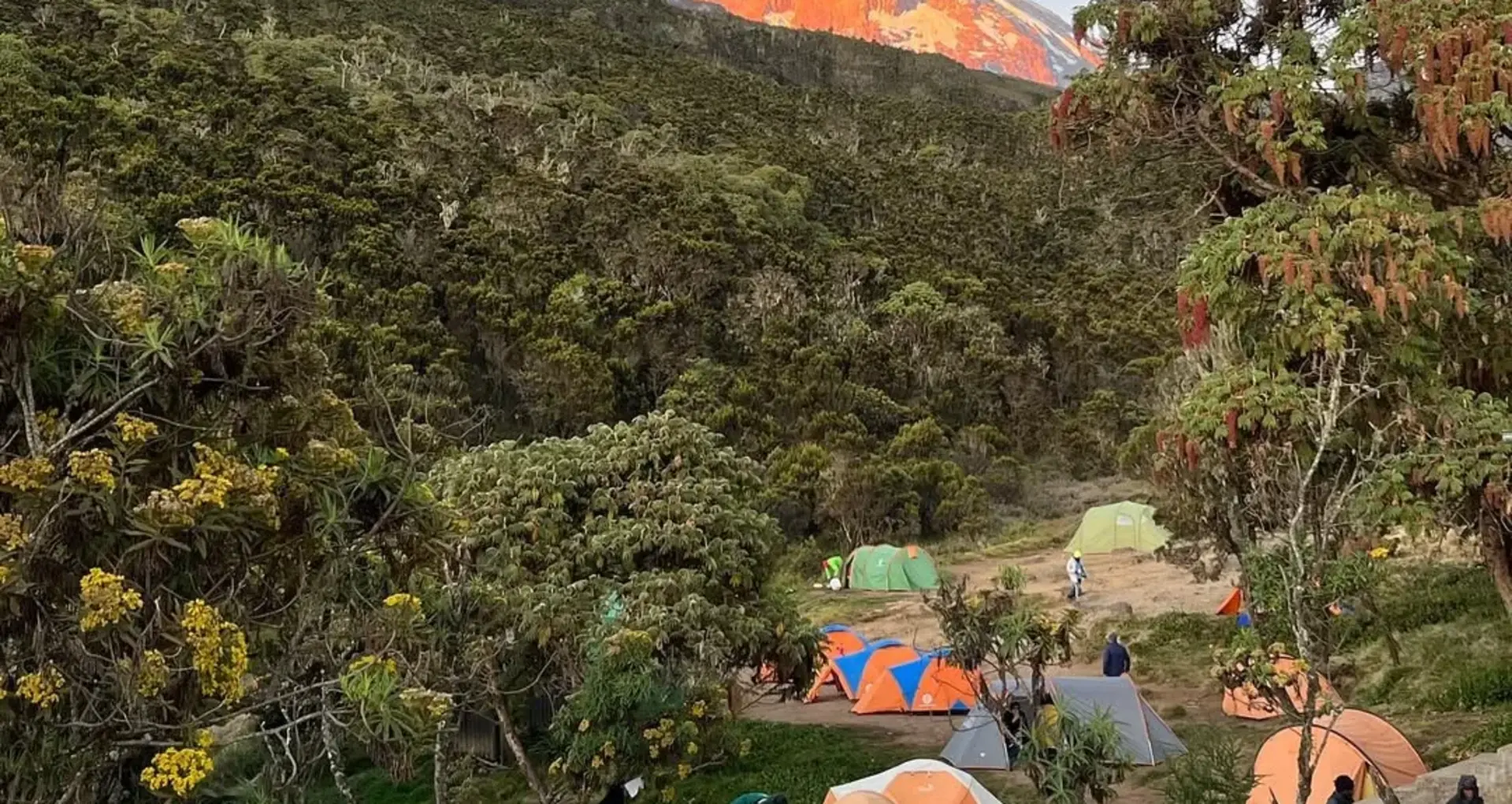
Kilimanjaro transforms into a lush, vibrant landscape during the rainy months. The slopes are covered in thick, green vegetation, and the mountain’s summit is often capped with more snow—perfect for dramatic photos. Post-rain, the scenery becomes exceptionally lively, with waterfalls, blooming flowers, and a chorus of birdcalls adding to the mountain’s allure.
Fewer Crowds
One of the most significant advantages of trekking during the rainy season is the reduced number of climbers. At Kilisherpas Travel, we see 20-30 times fewer hikers compared to peak dry months, meaning you can enjoy a more secluded, peaceful experience. Campsites and routes are quieter, and you’re more likely to have the entire route to yourself.
Cost Savings
Our seasonal discounts make rainy season climbs more affordable. This is an excellent opportunity for budget-conscious adventurers to experience Kilimanjaro without the crowds and at a lower price. Plus, you can use saved funds to extend your trip with additional activities like safaris or a relaxing beach stay in Zanzibar.
Photography Opportunities
While fog and clouds can obscure views, the occasional clear skies during inclement weather create dramatic, moody photographs. The contrast of lush greenery and snow-capped peaks under dramatic skies offers a unique photographic experience.
4. Challenges of Climbing Kilimanjaro in the Rain
Muddy Trails and Slippery Surfaces
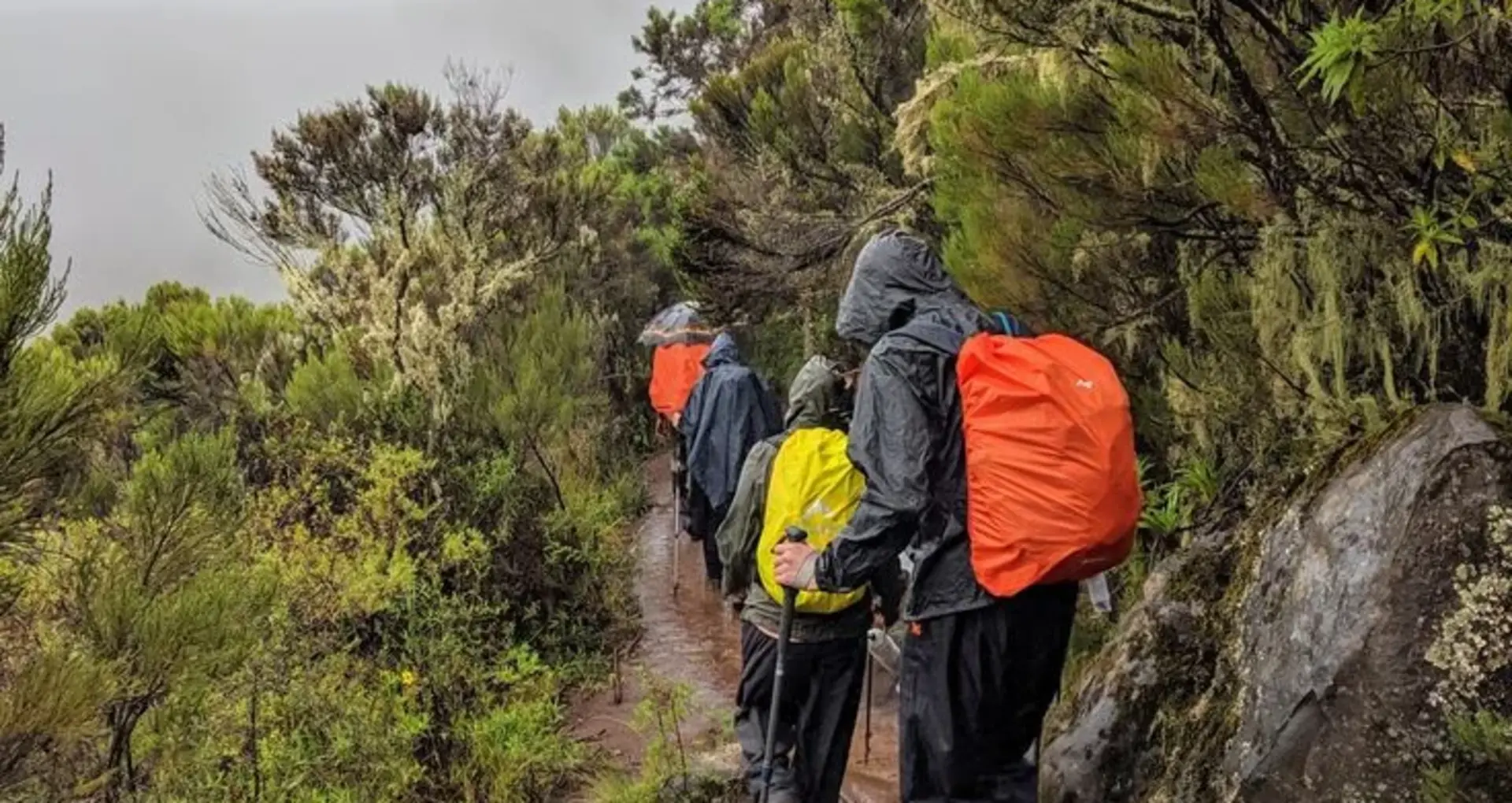
Expect muddy, slippery paths—especially in lower sections and on exposed routes. Proper footwear and waterproof gear are essential for safety and comfort.
Fog and Reduced Visibility
Persistent fog and cloud cover can limit views and make navigation more challenging. This can affect your overall experience, especially if clear summit photos are a priority.
Unpredictable Weather
The weather on Kilimanjaro can change unexpectedly. Rain may start early or last longer, and cold temperatures can add to the challenge, especially at higher altitudes.
5. Practical Tips for a Successful Rainy Season Climb
Gear Up Properly
Waterproof clothing: Invest in a high-quality, breathable rain jacket and rain pants with a hood.
Layering: Use moisture-wicking base layers, insulating mid-layers, and waterproof outer layers.
Footwear: Waterproof hiking boots with good grip are a must.
Accessories: Bring gloves, a hat, and gaiters to protect against rain and mud.
Route Recommendations
Marangu Route: Known as the “Coca-Cola Route", it features huts instead of tents, offering shelter from rain. The huts are built on stilts, keeping you dry and comfortable.
Rongai Route: Less rocky and with fewer steep sections, this route is easier to climb in bad weather and also offers camping options.
Prepare for Flexibility
Weather can be unpredictable, so remain flexible with your schedule. Be prepared for possible delays or route adjustments.
Hire Experienced Guides
Professional guides are skilled at handling mountain weather and can adapt plans for safety and comfort.
6. Final Thoughts: Is Rainy Season Climbing Right for You?
Climbing Kilimanjaro during the rainy season offers a distinctive experience—fewer crowds, lush scenery, and incredible photographic opportunities. However, it requires proper gear, flexibility, and a willingness to embrace wet conditions. For seasoned trekkers comfortable in unpredictable weather, it can be an unforgettable adventure. For first-timers seeking a more predictable journey, the dry season remains the most popular choice.
At Kilisherpas Travel, we specialise in customising climbs to meet your preferences and safety needs—whether during the dry or rainy months. Contact us today to find out more about our routes, discounts, and expert support for your Kilimanjaro expedition.