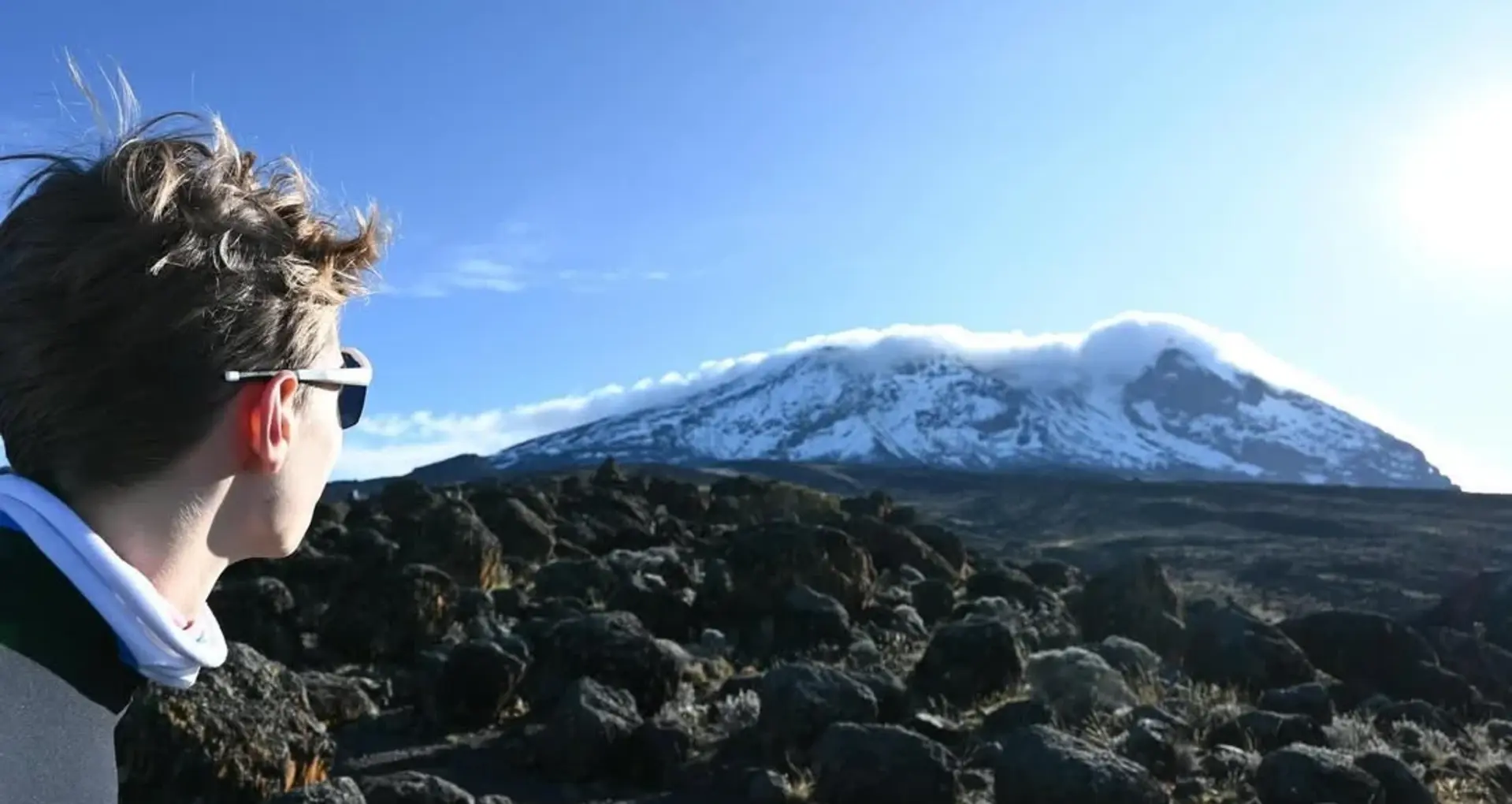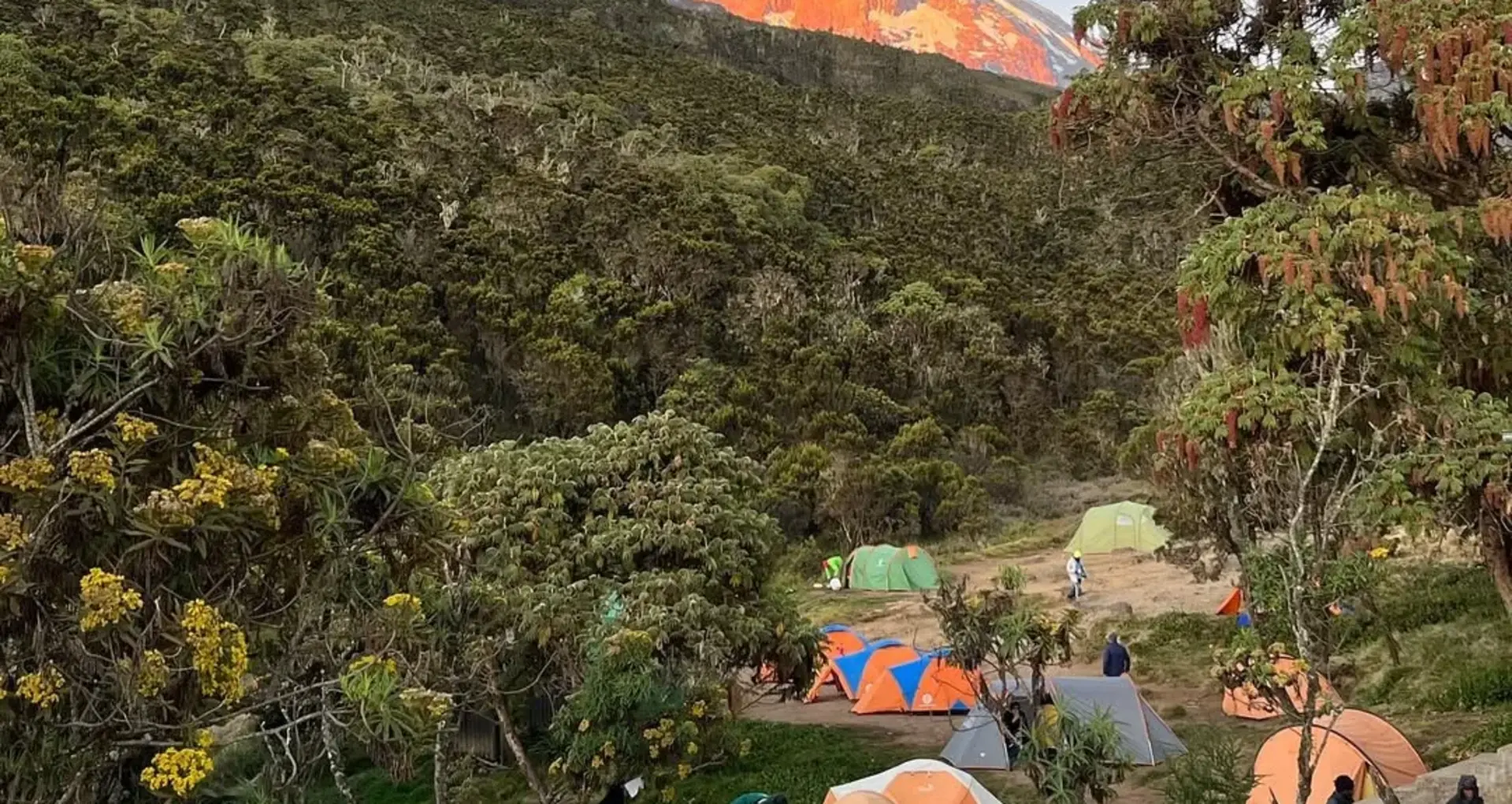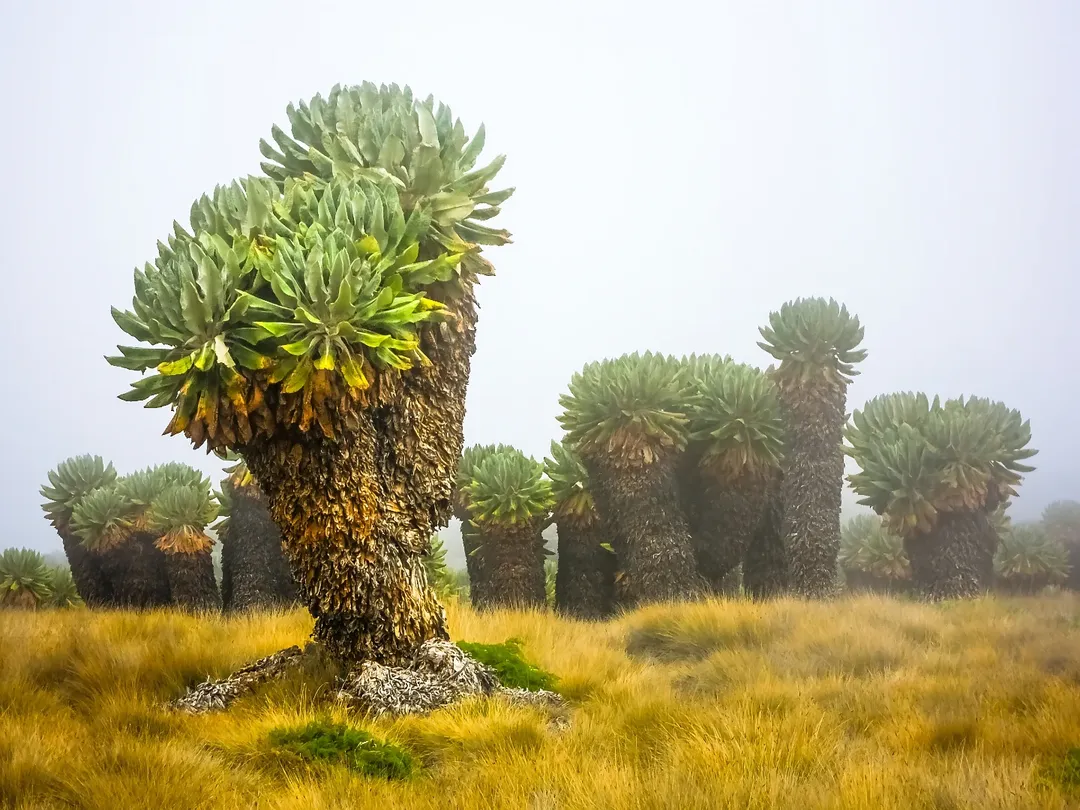
Rising dramatically from the slopes of Africa’s highest peak, Mount Kilimanjaro, is a plant species unlike any other Dendrosenecio kilimanjari, commonly known as the Kilimanjaro giant groundsel. Endemic to Kilimanjaro’s alpine zones, this extraordinary plant has adapted to survive in one of the world’s most extreme environments. As a natural symbol of Kilimanjaro’s unique ecosystem, Dendrosenecio kilimanjari captivates travellers, botanists, and nature enthusiasts alike. In this article, Kilisherpas Travel takes you on a journey through the remarkable world of this endemic flora and shares the best spots to witness its majestic presence during your Kilimanjaro adventure.
The Symbol of Kilimanjaro’s Endemic Plants
Dendrosenecio kilimanjari is rapidly becoming an emblem of Kilimanjaro’s extraordinary biodiversity. Thriving on slopes between 2,800 and 4,000 metes, these plants exemplify evolution’s incredible ingenuity in adapting to high-altitude, harsh conditions. Their striking appearance and resilience make them one of the most recognisable features of the mountain’s alpine landscape.
A Personal Perspective
While I don’t hold a formal botany degree, my eight years living in Tanzania and multiple Kilimanjaro climbs have deepened my appreciation for the mountain’s endemic flora. My passion for these plants inspired me to read extensively books like "Adventure Tourism: Environmental Impacts and Management" by David Huddart and Tim Stott and "Alpine Plant Life" by Christian Körner, further enriching my understanding of Kilimanjaro’s natural wonders.
What is Dendrosenecio kilimanjari?
Previously classified as Senecio kilimanjari, this plant has undergone recent taxonomic reclassification, now placed in the genus Dendrosenecio. Despite the name change, it remains the same awe-inspiring species.
Appearance and Growth
Size: These are robust, tree-like plants that can reach up to 10 meters (32 feet) tall with thick, upright stems and a crown of dense, green leaves at the top.
Leaves: The large, tightly packed leaves serve as insulation against cold nights and harsh weather, many of which are hundreds of years old.
Flowers: Contrasting with their sturdy trunks, delicate flower stalks emerge from the crown, adding a touch of beauty to their formidable forms.
Growth Rate and Lifespan
Slow Growers: Growing only 3-5 centimetres per year, these groundsel are slow but steady.
Age: Many specimens are centuries old, with some existing since before the first recorded ascent of Kilimanjaro in 1889.
Adaptations and Environmental Significance
Dendrosenecio kilimanjari has evolved remarkable survival strategies.
Insulating Dead Leaves: The folding dead leaves create a protective layer, shielding the core from freezing temperatures.
Water Storage: Their thick stems function as water reservoirs, vital during dry spells.
Sunlight Maximisation: The vertical growth reduces surface exposure to the cold while maximising sunlight absorption.
Symbiotic Relationships: Pale grey lichens often grow on these plants, indicating pristine, pollution-free air—a natural marker of Kilimanjaro’s clean environment.
Why Are They Limited to Specific Elevations?
These groundsel thrive specifically between 2,800 and 4,000 meters due to optimal moisture, temperature, and radiation conditions. The warm, moist air from the Indian Ocean rises and cools, creating rainfall that sustains these plants. They cannot survive in the colder, drier alpine or arctic zones above 4,500 meters, where conditions become inhospitable.
Where to See Dendrosenecio Kilimanjari During Your Kilimanjaro Climb?
If you’re planning a Kilimanjaro trek, certain routes present better opportunities to witness these iconic plants:
Lemosho Route
Highlights: Begins on the mountain’s western slopes, offering a peaceful and gradual ascent.
Where to Spot: Between Shira 2 Camp and Barranco Camp (around 3,800–4,000 meters), trekkers will encounter towering groundsels.
Additional Sightings: Near Cathedral Peak, the highest point on the western side, these plants are a familiar sight during acclimatisation hikes.
Machame Route
Highlights: Known for its scenic diversity, starting in lush rainforest and ascending to alpine zones.
Where to Spot: Along the trail from Shira to Barranco Camp, particularly on the third day of the seven-day trek, hikers see the groundsels in their natural habitat.
Marangu Route
Highlights: The "Coca-Cola" route, distinguished by its use of the same trail for ascent and descent.
Where to Spot: Near Horombo Camp, where the plants flourish at the transition zone between montane forest and moorland.
Why Don’t They Grow on the Northern Slopes?
The northern routes—Rongai and Northern Circuit—are drier, receiving five times less rainfall than the southern and western slopes. The Dendrosenecio kilimanjari depends on consistent moisture and cooler, humid conditions, making it unlikely to survive in these arid environments.
The Remarkable Survival Strategies of Dendrosenecio kilimanjari
These endemic plants have perfected adaptations to thrive in Kilimanjaro’s extreme environment:
Insulation: Dead leaves fold around stems, creating natural insulation.
Water Retention: Thick stems store water, helping plants endure droughts.
Sun Exposure: Upright growth minimises cold exposure while capturing sunlight.
Mutualism: Lichens on their surface aid in moisture retention, indicating a pristine environment.
Other Fascinating Flora of Kilimanjaro
While Dendrosenecio kilimanjari is the star of Kilimanjaro’s flora, the mountain hosts a rich tapestry of plant life:
Red Hot Poker (Kniphofia): Bright red-orange, flame-like flowers along various routes.
Giant Lobelia: Tall, rosette-shaped plants resembling guards of the alpine world.
African Blood Lily: Dramatic red blossoms adding vivid colour to the landscape.
Viola emini: Delicate purple flowers thriving in sheltered spots.
Hebenstretia dentata: White flowering perennials with clusters of blooms.
Tussock Grasses: Sturdy patches providing shelter and food for mountain wildlife.
Impatiens kilimanjari: Vibrant red and yellow tube-shaped flowers along trails.
Protea kilimandscharica: Large, bowl-shaped yellow blossoms supporting local ecosystems.
Best Seasons to Observe Mountain Flora
Plan your trek during the second half of December for a bloom of wildflowers, especially since the southern hemisphere’s seasons are reversed.
Conclusion
Mount Kilimanjaro’s endemic flora, especially the majestic Dendrosenecio kilimanjari, embodies the mountain’s resilience and natural beauty. These plants are not only a visual delight but also a testament to the mountain’s ecological uniqueness. As you ascend Kilimanjaro with Kilisherpas Travel, your guides will be eager to share their knowledge of these extraordinary plants, enriching your adventure and deepening your connection to this pristine environment.