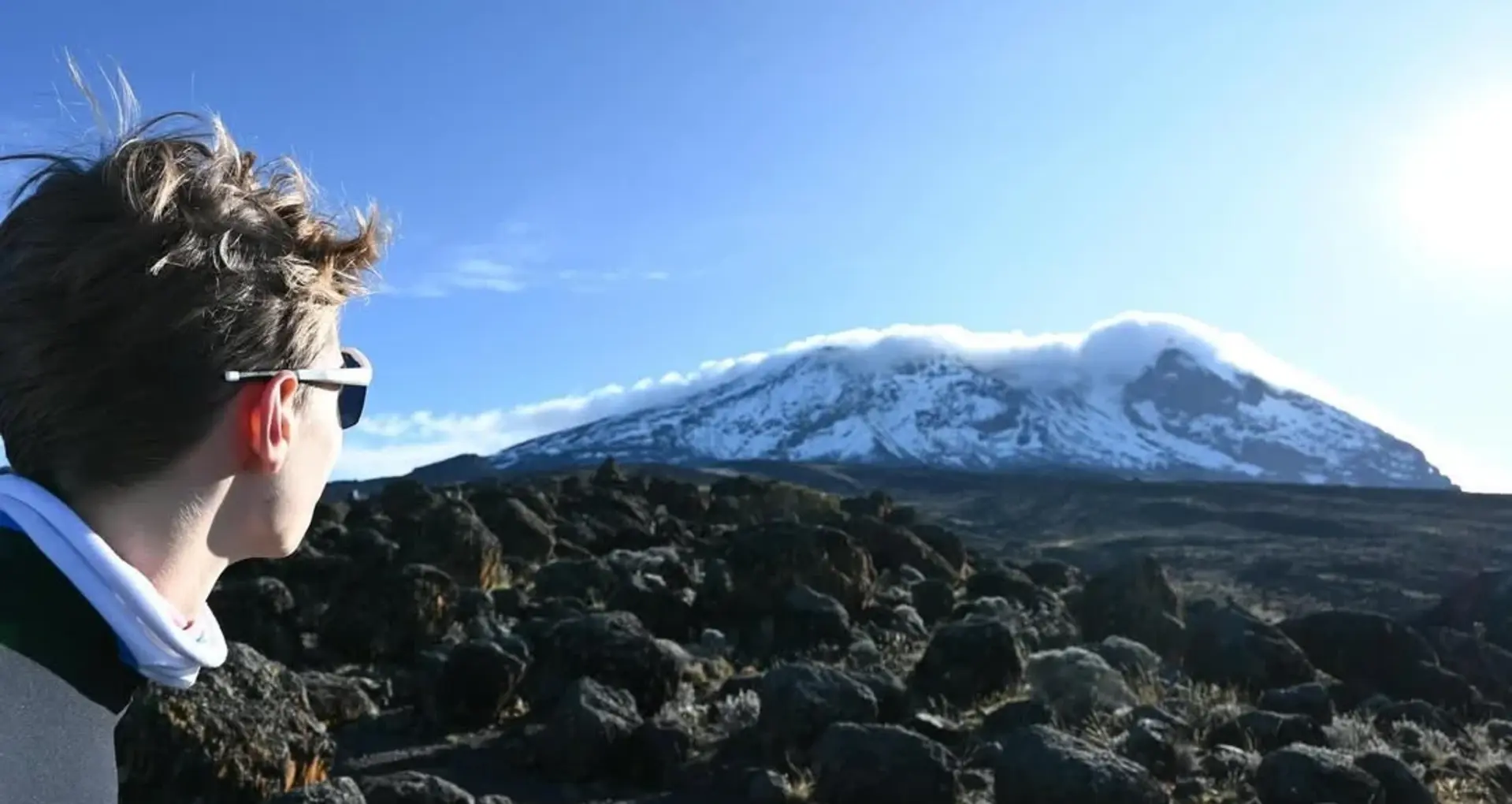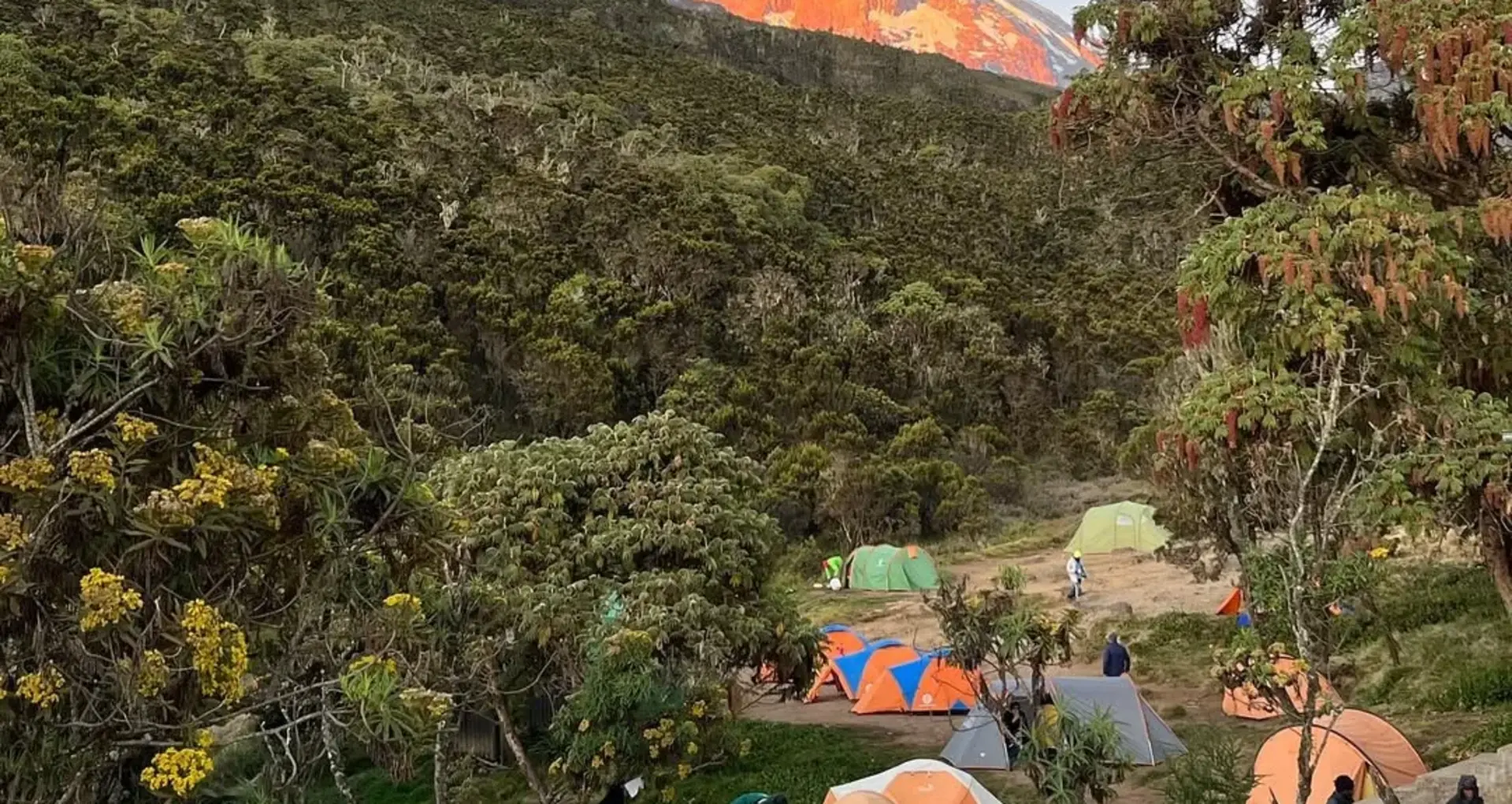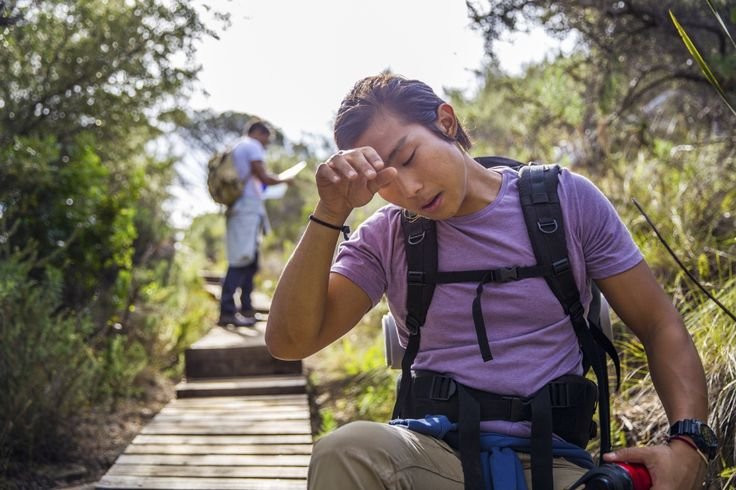
Climbing Mount Kilimanjaro is an extraordinary adventure that attracts thrill-seekers and nature lovers from around the world. Standing at 5,895 meters (19,341 feet), Kilimanjaro’s majestic summit offers unparalleled panoramic views and a sense of achievement. However, the extreme altitude presents a significant challenge: altitude sickness. To help climbers safely reach the “Roof of Africa", many turn to Diamox—a medication proven to support acclimatisation and reduce symptoms. In this comprehensive guide, Kilisherpas Travel explores what Diamox is, how it works, when and how to use it, and practical tips to ensure your ascent is both safe and enjoyable.
Understanding Altitude Sickness on Kilimanjaro
Why does altitude sickness occur?
As you ascend Kilimanjaro, the air becomes progressively thinner—meaning less oxygen is available for your body. At sea level, oxygen levels are optimal, but at 3,500 meters (11,483 feet) and above, oxygen availability drops significantly. The U.S. Centers for Disease Control and Prevention (CDC) reports that atmospheric oxygen decreases to approximately 69% of sea-level levels at 3,000 meters, with blood oxygen saturation dipping to 88–91%. While some bodies adapt naturally, rapid ascents or insufficient acclimatisation can trigger symptoms such as headaches, nausea, dizziness, fatigue, and sleep disturbances.
Key points about altitude sickness:
Mild symptoms can appear as low as 2,000 meters (6,562 feet).
Most climbers start feeling effects above 3,000 meters.
The body can usually acclimatise up to 4,000 meters with proper strategies.
Beyond that, supportive measures are essential.
How Kilisherpas Travel Supports Safe Ascent
The importance of acclimatization strategies
To minimise risks, Kilisherpas Travel emphasises a slow, deliberate ascent, maintaining hydration, and listening to your body. We recommend itineraries of at least seven days, allowing ample time for acclimatisation. Professional guides are trained to monitor your health, advise on pacing, and suggest breaks.
Role of Diamox in altitude adaptation
While proper planning is key, many climbers use Diamox (acetazolamide) to further support their journey. This medication accelerates acclimatisation and reduces the likelihood of altitude sickness symptoms, making the climb safer and more comfortable.
What is Diamox and How Does It Help?
Introduction to Diamox,
Diamox, known generically as 'acetazolamide', was initially developed as a diuretic but has become a cornerstone in altitude medicine. It’s widely used by climbers, trekkers, and mountaineers heading to high elevations, including Kilimanjaro.
Mechanism of action
Diamox works by inhibiting enzymes involved in respiration, which decreases the formation of carbonic acid. This prompts your body to breathe more deeply and frequently—enhancing oxygen intake. Additionally, it helps regulate sleep by stabilising breathing patterns, reducing nighttime disturbances common at high altitudes.
Practical benefits of Diamox
Speeds up acclimatisation process
Alleviates symptoms like headache, nausea, dizziness, and fatigue
Improves sleep quality during ascent
Supports overall safety and comfort on Kilimanjaro
When and How to Take Diamox
Timing and dosage
The recommended protocol is to start Diamox one day prior to ascent—taking 125 mg twice daily (morning and evening)—and continue throughout the climb. This preemptive approach maximises its protective effects.
Starting after symptoms appear
While it’s possible to begin taking Diamox once symptoms develop, this is considered treatment rather than prevention. Starting early is strongly advised by international health organisations for optimal effectiveness.
Additional tips
Always consult with a healthcare provider before use, especially if you have underlying health conditions.
Maintain adequate hydration—at least 4 liters (1 gallon) daily—since Diamox’s diuretic effect increases urination.
Follow your guide’s instructions on pacing and hydration.
Potential Side Effects and Precautions
Common mild side effects
Increased urination
Tingling or numbness in fingers and toes
Mild digestive discomfort, nausea, or loss of appetite
Altered taste sensations
Sleep disturbances or dizziness
Serious considerations
Do not use if allergic to sulfonamides
Avoid if pregnant or planning pregnancy without medical advice
Contraindicated for individuals with kidney, liver, or adrenal gland issues
Always discuss with a healthcare professional if unsure
Monitoring and safety
Most side effects are mild and resolve after discontinuation. Proper medical guidance ensures safe use, especially for those with pre-existing conditions.
Alternatives to Diamox for Altitude Sickness
Other medications and methods include:
NSAIDs (e.g., ibuprofen): Reduce headache and inflammation but are less effective than Diamox.
Herbal remedies (e.g., Ginkgo biloba): Research results are mixed; not widely recommended.
Oxygen supplementation: Used in severe cases or for pre-acclimatisation but not for routine prevention.
Hypoxic training: Simulates high altitude before the climb; suitable for elite climbers.
Dexamethasone: Emergency treatment for severe altitude sickness, not for routine prevention.
Final Tips for a Safe Kilimanjaro Ascent
Plan your itinerary carefully, allowing sufficient acclimatisation days.
Follow your guide’s instructions on pacing and hydration.
Use Diamox responsibly, under medical supervision.
Recognise early symptoms of altitude sickness—headache, nausea, fatigue—and communicate with your team immediately.
Remember: The ultimate goal is to enjoy the breathtaking views of Kilimanjaro’s summit while prioritising your health and safety. With proper preparation, support, and preventive measures like Diamox, your adventure can be both triumphant and safe.
Conclusion:
Diamox is a valuable tool in the modern climber’s arsenal against altitude sickness, significantly enhancing safety and comfort on Kilimanjaro. However, it should complement, not replace, proper acclimatisation strategies. At Kilisherpas Travel, we are committed to providing expert guidance and tailored itineraries to ensure your ascent is memorable, safe, and rewarding.
Call to Action:
Ready to conquer Kilimanjaro? Contact Kilisherpas Travel today to book your expert-led expedition and discover the perfect route for your adventure!