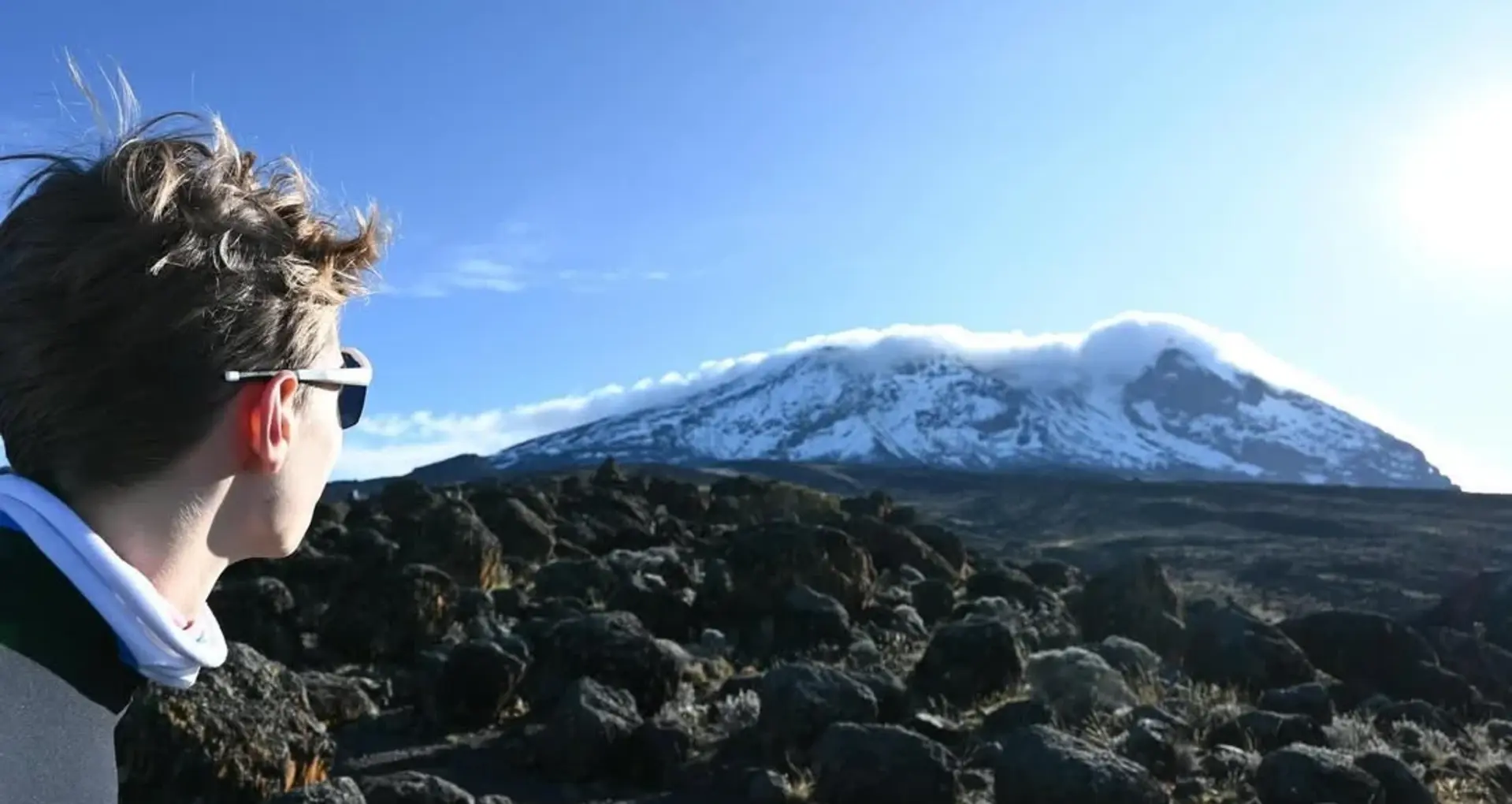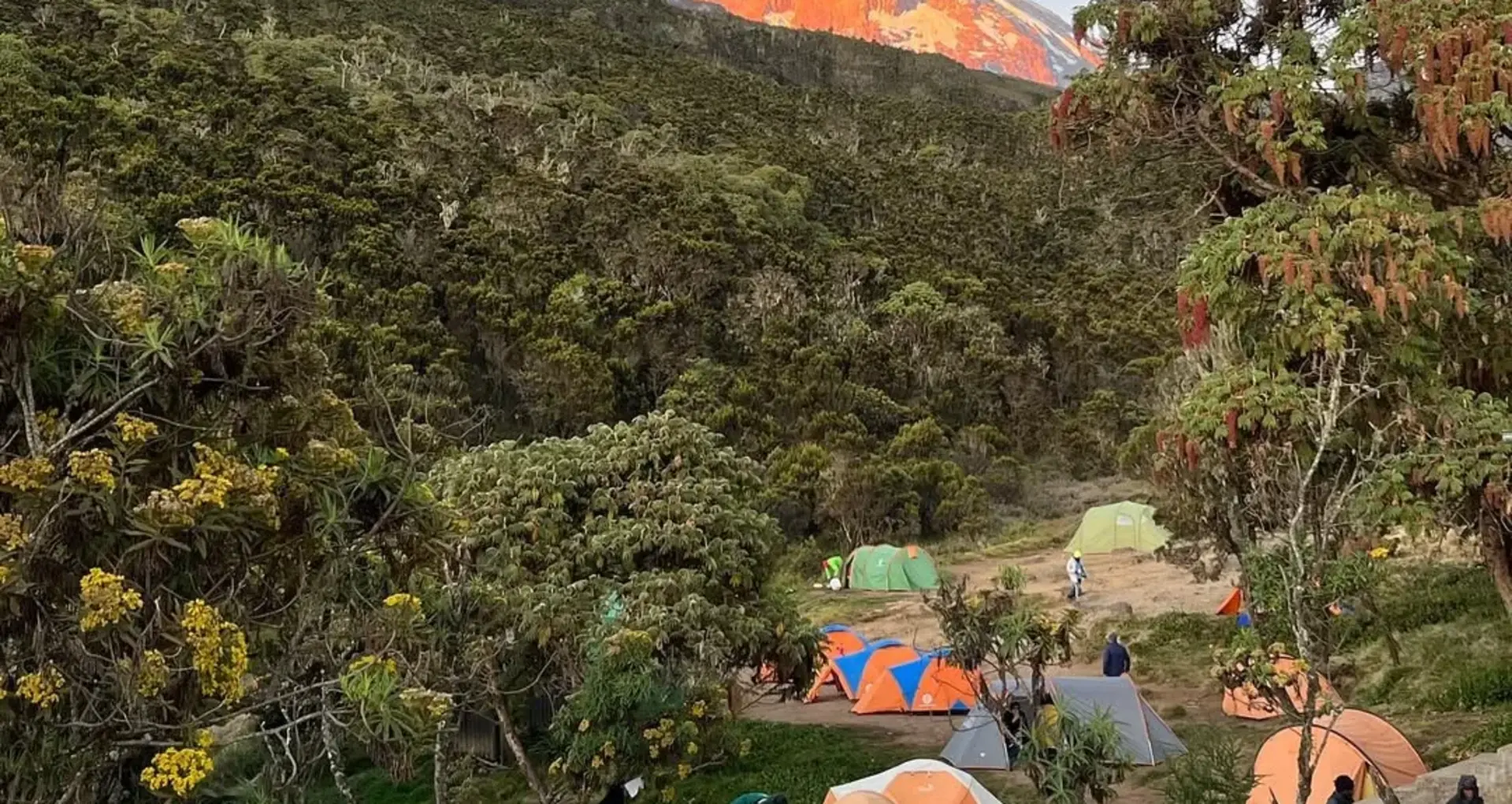
Mount Kilimanjaro is renowned worldwide as Africa’s highest peak and a symbol of natural wonder. While most climbers aim for the iconic Uhuru Peak, fewer are aware of the mountain’s fascinating volcanic features, particularly the Reusch Crater, a lesser-known but remarkable part of Kilimanjaro’s volcanic history. Inside the main crater, a smaller, enigmatic crater bears the name of Richard Reusch, a legendary mountaineer and missionary whose life story is intertwined with the mountain’s history. At Kilisherpas Travel, we invite you to explore this hidden volcanic marvel and uncover the inspiring story of Richard Reusch, a man whose passion for Kilimanjaro left an indelible mark.
What Is Reusch Crater?
Reusch Crater is an inner crater located within Kilimanjaro’s largest volcanic caldera, Kibo. It measures approximately 820 meters (0.51 miles) across and is nestled inside the broader Kibo Crater, which spans about 2.5 kilometres (1.55 miles) in diameter. Unlike the main crater, Reusch Crater is seldom visible from the summit, making it a true hidden gem for adventurous trekkers.
The Geology of Kilimanjaro’s Craters
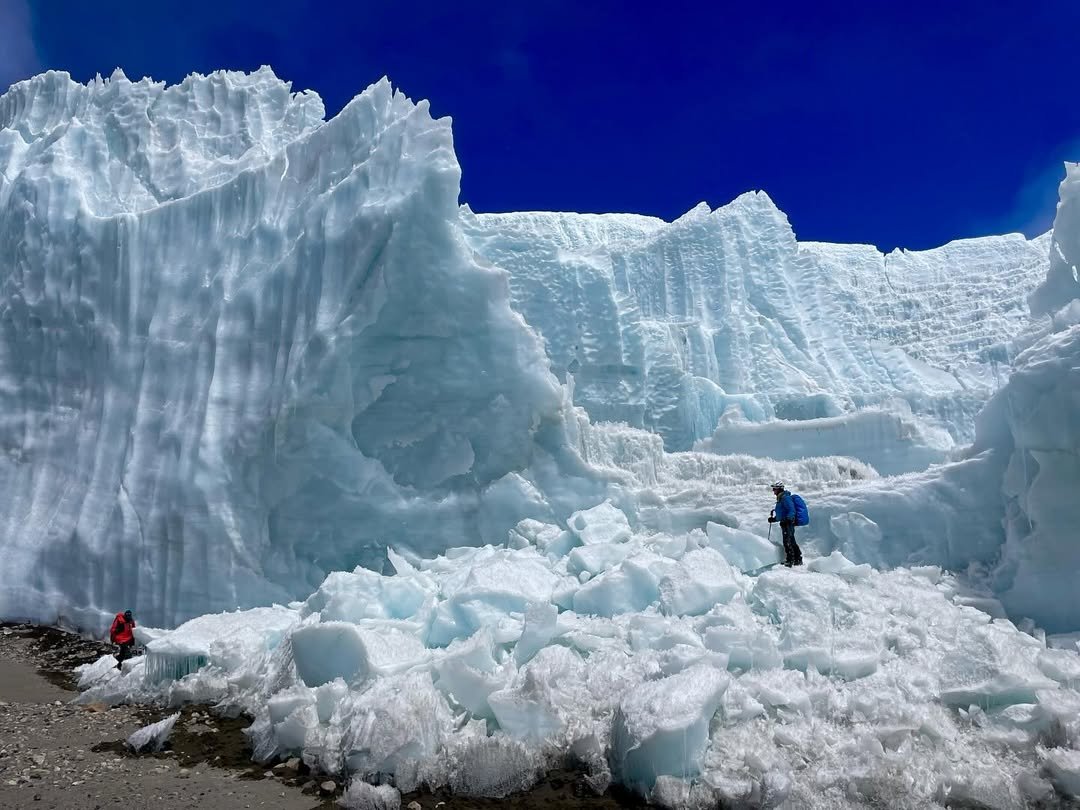
Kilimanjaro is a dormant stratovolcano formed by three major cones: Shira, Mawenzi, and Kibo. The main crater, Kibo, contains several concentric craters, including the Inner Cone and Reusch Crater. The walls of Reusch measure up to 100 meters (328 feet), and the crater hosts glaciers and volcanic remnants, including the famous Furtwängler Glacier.
Who Was Gustav Otto Richard Reusch?
The Reusch Crater is named after Gustav Otto Richard Reusch, a remarkable German mountaineer, missionary, ethnographer, and explorer. Born in 1891 in the Russian Empire, Reusch’s life was a blend of adventure, faith, and scientific curiosity. His multiple expeditions to Kilimanjaro and his deep connection with the mountain earned him a special place in its history.
Reusch’s Contributions and Achievements
Climber: Successfully summited Kilimanjaro over 25 times, with at least 40 expeditions and up to 65 attempts.
Discoverer: First to find a frozen leopard carcass at high altitude, inspiring Ernest Hemingway’s story "The Snows of Kilimanjaro".
Missionary and Ethnographer: Served as a Lutheran missionary, studying Maasai culture and Islam, and translating the Bible into Swahili.
Explorer: Participated in rescue missions on Ruwenzori and contributed to scientific research about Kilimanjaro’s volcanic activity.
His dedication to Kilimanjaro’s exploration and his humanitarian efforts make his legacy enduring.
Why Was the Inner Crater Named After Reusch?
In 1954, the inner crater within Kibo was officially named Reusch Crater in honour of Richard Reusch’s extensive mountaineering achievements and his impact on the mountain’s history. This recognition commemorates his pioneering spirit; his scientific discoveries, including the famous frozen leopard; and his role in establishing the first expedition routes and climbing tradition on Kilimanjaro.
The Ash Pit and Its Mysteries
At the centre of Reusch Crater lies the “Ash Pit", a deep, approximately 200-metre (656-foot) deep depression. Named after a scientist, J.H. Ash, who studied the crater in 1943, the Ash Pit features sulphur vapours and a temperature of around 78.5°C (173.3°F). Despite the name, it contains no active volcanic activity today but remains a captivating reminder of Kilimanjaro’s volcanic past.
Visiting Reusch Crater: An Adventure for Explorers
While most climbers focus on reaching Uhuru Peak, adventurous travellers can include a descent into Reusch Crater during their Kilimanjaro trek. After ascending to the summit, you can trek down to the crater rim, explore the inner crater, and even walk into the Ash Pit, a journey that adds approximately two hours to your climbing day.
How to Experience Reusch Crater
Guided Tours: Reusch Crater can be visited as part of a longer expedition, typically combined with a descent from the summit.
Best Routes: The Lemosho, Machame, and Northern Traverse routes offer access to the crater area.
Tips: Ensure proper acclimatisation and consult with experienced guides like Kilisherpas Travel to safely include this extraordinary feature in your itinerary.
The Significance of Reusch’s Legacy
Richard Reusch’s life was a testament to adventure, faith, and exploration. His numerous ascents, scientific discoveries, and missionary work have left a lasting imprint on Kilimanjaro’s history. His story exemplifies the spirit of exploration and the profound connection between humans and nature’s most majestic landscapes.
Conclusion
The Reusch Crater remains one of Kilimanjaro’s best-kept secrets, an awe-inspiring, scientifically significant feature that embodies the mountain’s volcanic origins and Reusch’s adventurous spirit. For intrepid explorers, visiting the crater offers a rare glimpse into Kilimanjaro’s inner workings and the remarkable life of a man who dedicated his life to understanding and experiencing this extraordinary mountain.
At Kilisherpas Travel, we are passionate about helping travellers uncover Kilimanjaro’s hidden treasures responsibly and sustainably. Ready to explore the mountain’s volcanic heart and its legendary stories? Contact us today to plan your unforgettable Kilimanjaro expedition.