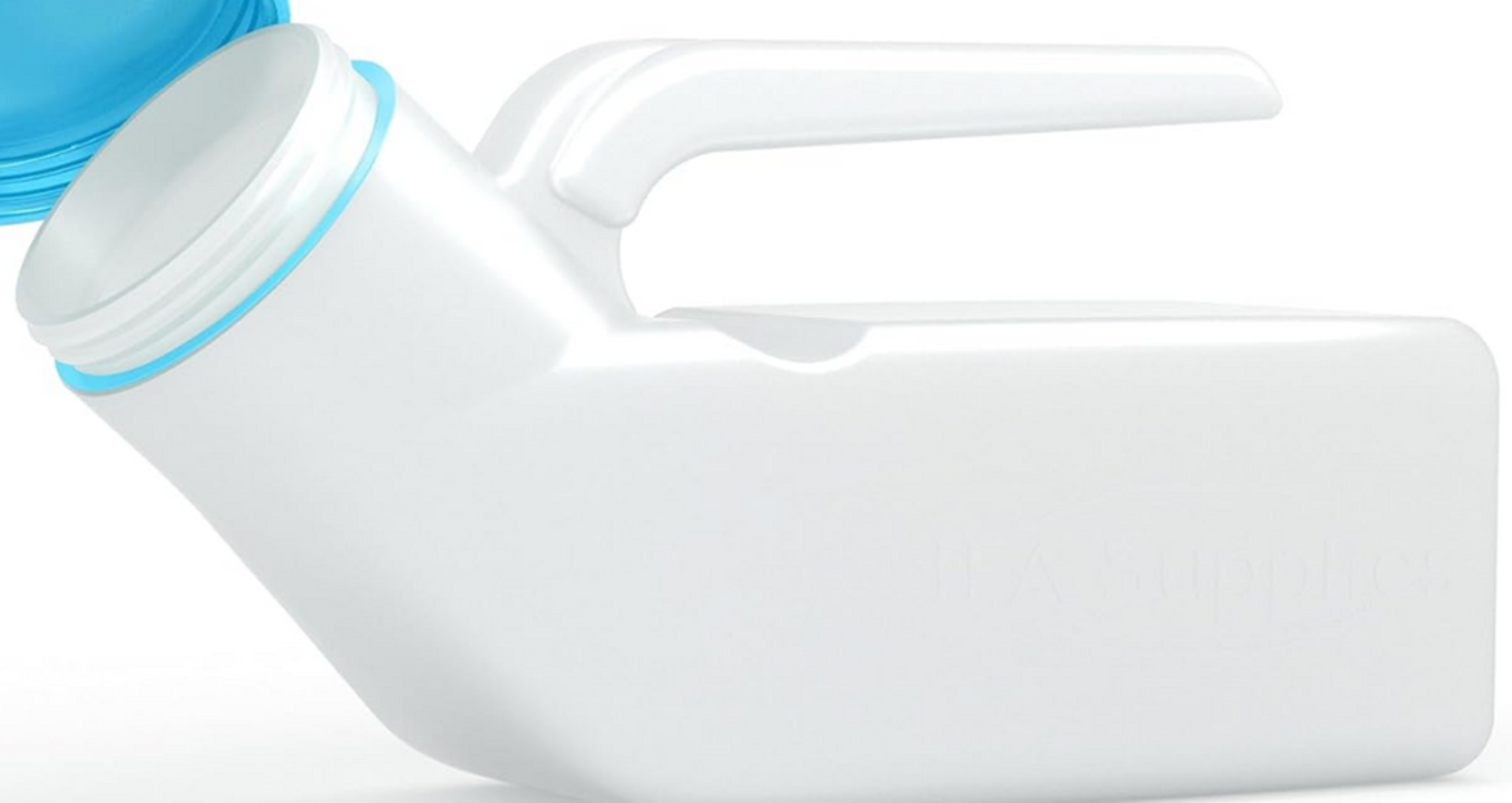
Climbing Mount Kilimanjaro is a once-in-a-lifetime adventure, and comfort during the trek can greatly enhance your experience. One common question among trekkers is whether to bring a portable urinal bottle for nighttime use. While the idea of avoiding cold, dark walks to the camp toilet sounds appealing, the practicalities and safety considerations are equally important. At Kilisherpas Travel, with over a decade of guiding Kilimanjaro expeditions, we offer insights into whether you need a pee bottle, alternative options, and how to choose the best product for your needs.
Is a Portable Urinal Bottle Necessary on Kilimanjaro?
Our Stance at Kilisherpas Travel
Based on our 7 years of organizing successful Kilimanjaro climbs, we believe that most trekkers can comfortably manage without a personal urinal bottle. Nights on Kilimanjaro are not as cold or harsh as some imagine, and the mountain’s camp facilities—especially portable toilets—are conveniently located just a short walk from tents.
The Risks of Spilling and Comfort
Spilling urine inside your tent can ruin your gear and sleeping bag, causing discomfort and hygiene issues. Therefore, unless you have specific medical needs or personal preferences, we recommend renting a portable biotoilet instead. These are maintained regularly, placed close to your tent, and are a more hygienic, convenient solution.
Cost and Rental Options
In the 2025–2026 season, renting a portable bio-toilet costs approximately $250 USD, which can be shared among 1–2 climbers to reduce costs. Many climbers find this to be a worthwhile investment in comfort and peace of mind.
The Experience of Using Pee Bottles in the Mountains
What Climbers Say
Most Kilimanjaro climbers prefer not to carry a urine bottle, especially if good toilet facilities are available nearby. For example, Georgia Fowkes, a travel blogger based in Tanzania, recounted her experience during a rainy season climb: “We had portable toilets close to the tents, and I managed perfectly without a pee bottle. It was surprisingly comfortable.”
Public vs. Private Toilets
Camp toilets can be public and often poorly maintained, requiring a walk of 50–300 metres (150–900 feet). Many climbers find this inconvenient, especially in bad weather. Renting a private biotoilet next to your tent significantly enhances comfort, hygiene, and privacy.
When Might a Portable Urinal Be Helpful?
Advantages of Using Urinal Bottles
Stay Warm: No need to leave the tent in freezing conditions, heavy rain, or wind.
Sleep Continuity: Wake up multiple times at night? A bottle allows you to stay in your warm sleeping bag and minimise disruption.
Avoid Public Toilets: For those uncomfortable with outdoor or shared toilets, a personal urinal provides privacy.
Who Benefits Most?
People who wake frequently during the night (especially if taking Diamox, which can increase urination).
Those with medical conditions that make walking outside difficult or uncomfortable.
Travellers seeking maximum convenience and privacy.
Disadvantages and Challenges of Using Pee Bottles
Space and Practicality
Gear Space: Foldable models take up minimal room but still require packing space.
Learning Curve: Proper technique is essential, especially for women, to avoid spills. Practice is highly recommended before the trek.
Maintenance: The bottle must be emptied, cleaned, and dried daily to prevent odours and spills.
The Risk of Spills
Most issues stem from improper use, which can lead to urine spills inside the tent, contaminating gear and sleeping bags. Dmitry Andreichuk, head of Kilisherpas Travel’s mountain department, emphasises that spills are common and can cause significant damage, advising climbers to consider whether the convenience outweighs these risks.
Missing the Starry Sky Experience
Many climbers cherish the opportunity to step outside under the beautiful Milky Way and the breathtaking African night sky. Using a bottle inside the tent means missing this experience entirely.
How to Choose the Best Urinal for Kilimanjaro
Tips for Selecting a Portable Urinal
Wide Opening: Ensures easy use, especially for men.
Capacity: At least 1 liter (34 fl oz)—more if you tend to wake multiple times.
Secure Lid: Screw-on lids prevent leaks.
Foldable or Soft Material: Saves space and is easier to use in confined spaces.
Distinct Design: Different from drinking bottles to prevent confusion in the dark.
Additional Accessories: Feminine funnels or extension tubes improve usability for women.
Recommended Models Based on User Feedback
Nalgene Canteen: Widely praised for its wide opening, flexible material, and reliable screw lid. Available in 32 oz and 48 oz sizes. Price: ~$19 USD.
HydraPak Stash: Foldable, compact, and made of thermoplastic polyurethane. Great for saving space. Availability varies.
Leetye Mei: Foldable, 750 ml capacity, suitable for all genders. Price: ~$10 USD.
Shewee Extreme: A female-specific funnel and extension kit, highly popular among women travellers. Price: ~$18 USD.
Freshette Pee Funnel: Silicone funnel with tube, ideal for women. Price: ~$24 USD.
Practical Tips for Using a Pee Bottle on Kilimanjaro
Practice Beforehand: Try using it standing, kneeling, and lying down at home.
Mark Your Bottle: Use tape or different coloured caps to distinguish it from drinking bottles.
Hygiene: Always clean and disinfect after use. Carry wipes or disinfectant if possible.
Disposal: Never pour urine into streams or water sources. Empty bottles into designated toilets or at least 60 meters (200 ft) away from water sources.
Conclusion: To Bring or Not to Bring?
At Kilisherpas Travel, we advise most trekkers to prioritise comfort with a private bio-toilet or using the camp facilities. Portable urinal bottles can be useful for medical reasons or personal preference, but they require practice, care, and awareness of the risks. Whatever your choice, preparation and hygiene are key to a safe, enjoyable Kilimanjaro adventure.
We look forward to guiding you on your journey to Africa’s rooftop—whether that includes a pee bottle or not.