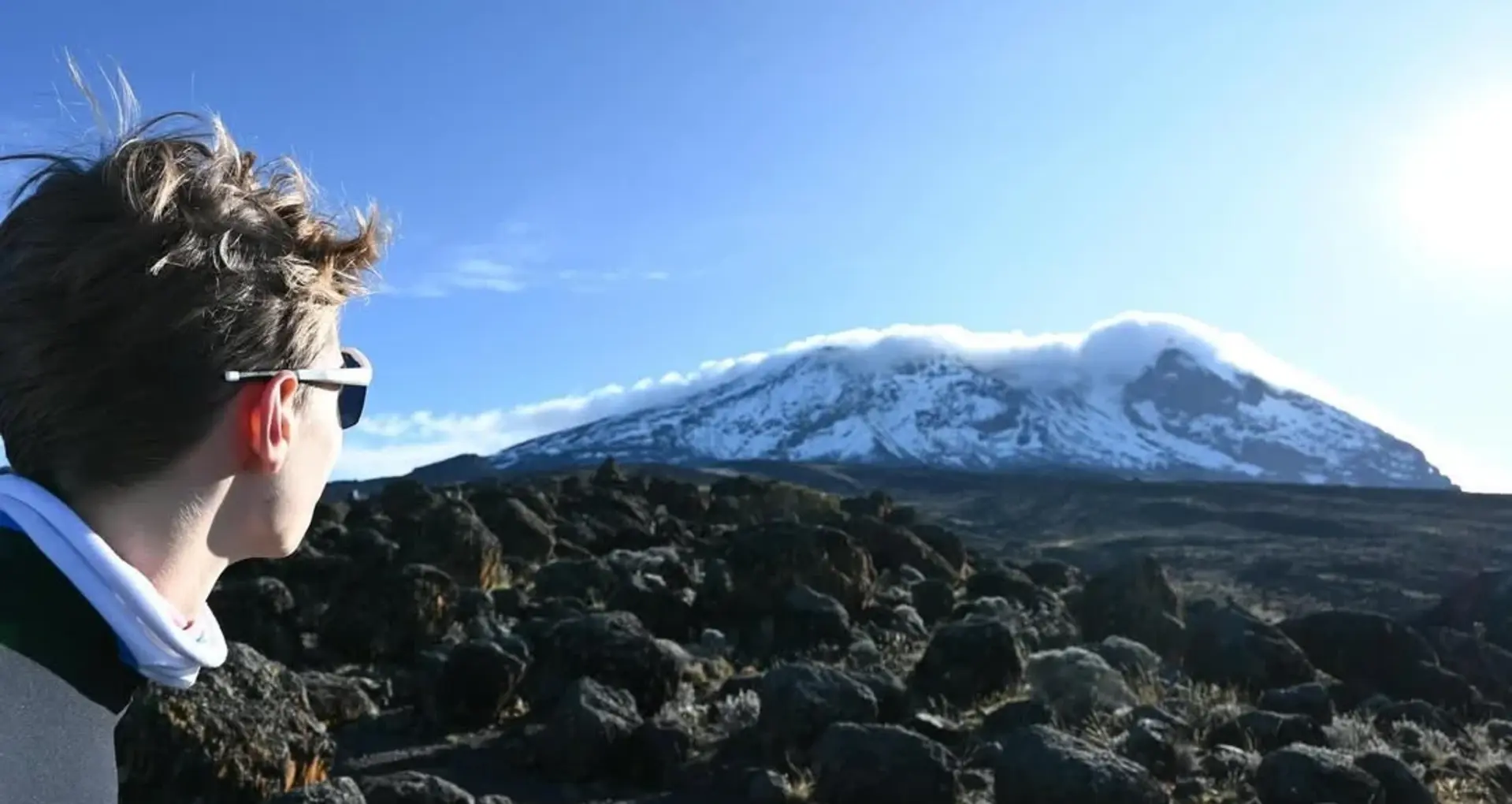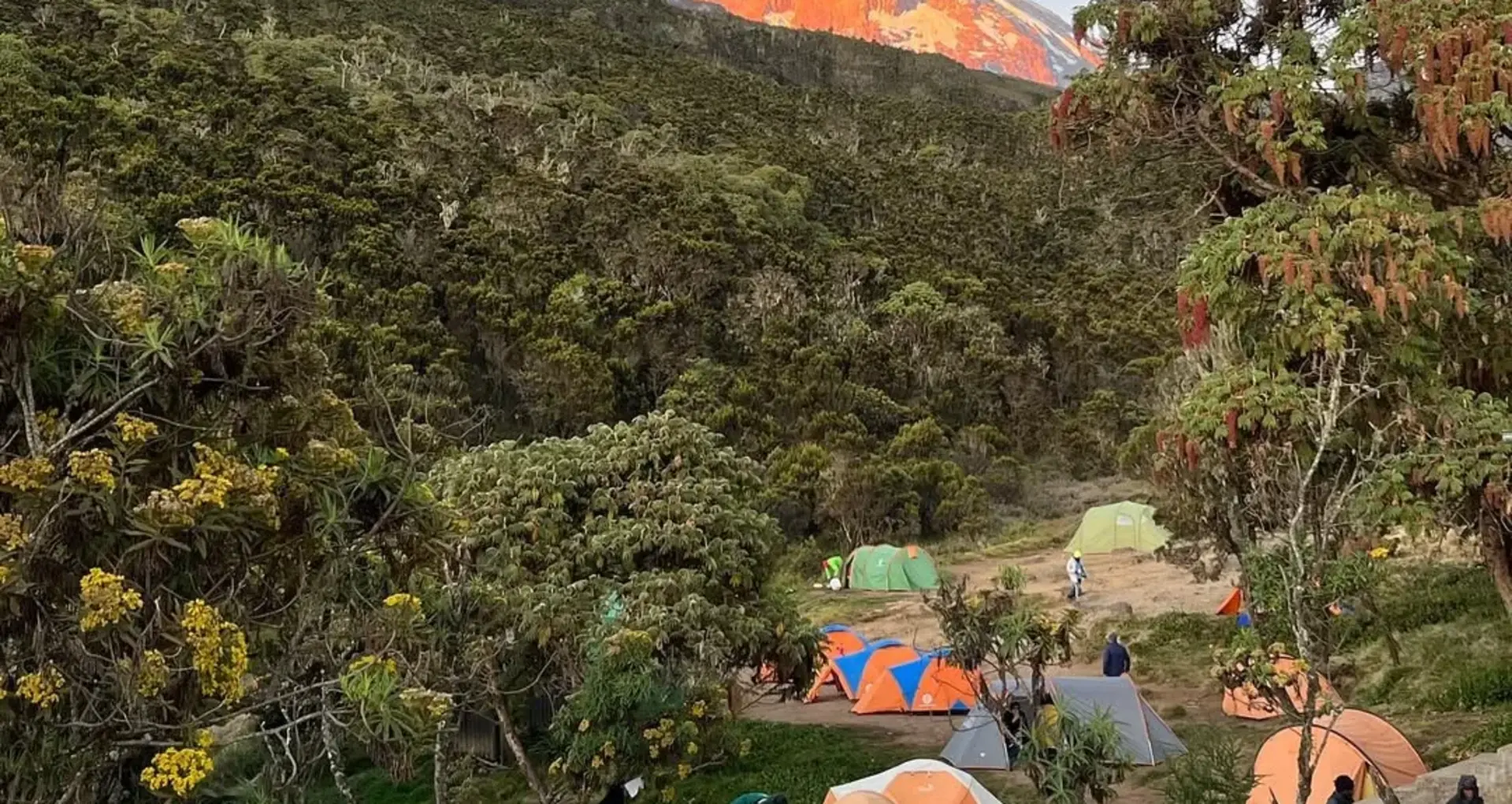
Climbing Mount Kilimanjaro, Africa’s highest peak, is a remarkable achievement that attracts adventurers from around the world. A common question among prospective climbers is whether supplemental oxygen is necessary for the ascent. While Kilimanjaro’s summit reaches 5,895 meters (19,341 feet), most healthy climbers can acclimatise naturally without relying on oxygen cylinders. At Kilisherpas Travel, we prioritise safety and preparedness, and in this guide, we’ll explore the role of supplemental oxygen, how the body adapts at high altitude, and best practices to ensure a successful, safe climb.
Understanding Oxygen Levels and Acclimatization on Kilimanjaro
The Atmosphere at High Altitude At Kilimanjaro’s summit, each breath contains about half as much oxygen as at sea level. Despite the atmospheric composition remaining constant (around 21% oxygen), the atmospheric pressure drops significantly with altitude, reducing the amount of oxygen the lungs can absorb.
At 3,000 meters (9,843 ft): About 71% of sea-level oxygen absorption.
At 5,895 meters (19,341 ft): Approximately 49% of sea-level oxygen absorption.
Who Is Genetically Adapted?
Only about 1.1% of the world's population, such as residents of Tibet, the Himalayas, and the Andes, have genetic adaptations allowing them to thrive at high altitudes. Most others experience symptoms of altitude sickness as the body struggles to adjust to reduced oxygen levels.
Does Kilimanjaro Require Supplemental Oxygen?
The Role of Bottled Oxygen
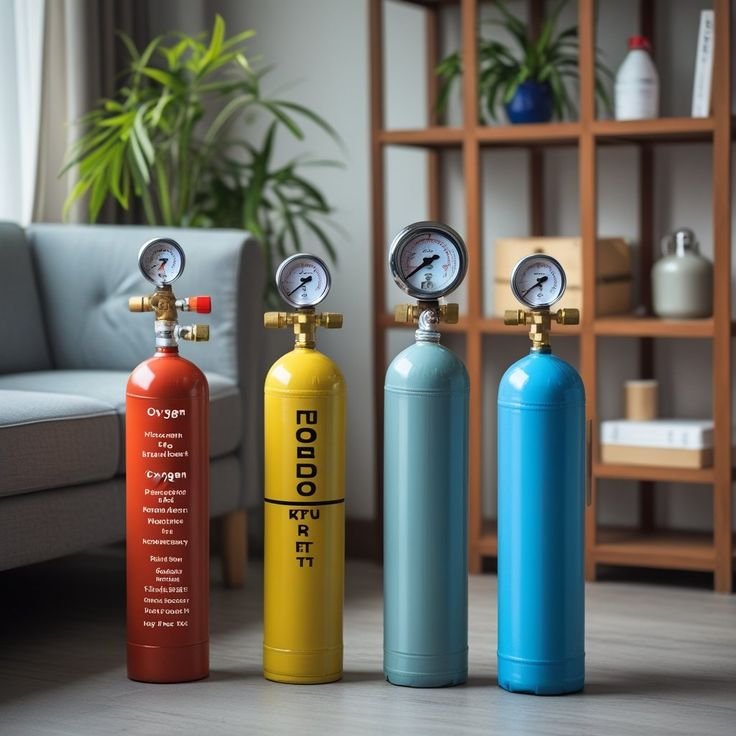
Contrary to popular myth, climbers do not typically use supplemental oxygen continuously on Kilimanjaro. Instead, oxygen cylinders serve as a safety backup and emergency aid, used selectively to improve comfort and manage altitude symptoms.
During acclimatisation: Oxygen can be administered in camps to help rest and recover overnight.
In emergencies: It becomes vital for stabilising a climber’s condition during evacuation.
Why Not Use Oxygen All the Time?
Continuous reliance on bottled oxygen can mask symptoms of altitude sickness, leading climbers to push beyond safe limits. This can be dangerous, as feeling better does not always mean the body is fully acclimatised. Overuse may encourage faster ascents, increasing the risk of severe altitude sickness.
Our Approach at Kilisherpas Travel
We stock over 500 oxygen systems—more than any other operator—ready for use when needed. Our guides are trained to utilise oxygen strategically, both for symptom relief and emergencies, ensuring your safety without masking warning signs.
How the Body Adapts and Signs of Altitude Sickness
Normal acclimatisation processes
As you ascend, your body reacts by:
Breathing deeper and more rapidly
Increasing heart rate
Experiencing mild symptoms such as headaches, fatigue, or disturbed sleep
These symptoms are normal and typically resolve with rest and gradual altitude gain. It’s important to listen to your body and communicate with your guide.
Recognizing Dangerous Symptoms
Signs of altitude sickness worsening include:
Severe headache
Nausea or vomiting
Confusion or disorientation
Severe shortness of breath at rest
Any of these symptoms require immediate action. Notify your guide right away. Early intervention can prevent progression to life-threatening conditions like pulmonary or cerebral oedema.
How to Minimize the Need for Supplemental Oxygen
Slow and Steady Ascent
The most effective way to prevent altitude sickness is to ascend gradually, following the Swahili word “pole pole” (“slowly slowly"). This allows your body time to adapt and reduces the risk of severe symptoms.
Recommended itinerary: At least 7 days for most routes, particularly Lemosho, Machame, and Northern Circuit, which offer better acclimatisation profiles.
Acclimatization Strategies
Climb high, sleep low: Incorporate hikes that take you above your sleeping altitude and return to lower camps.
Adequate hydration: Drink 3-4 litres of water daily to combat dehydration, which exacerbates altitude symptoms.
Proper nutrition: Focus on carbohydrates to provide energy with less oxygen demand.
Medications
Diamox (acetazolamide): A medication that can reduce symptoms and speed acclimatisation when taken under medical supervision. Consult your doctor before use, as it may have contraindications.
Final Thoughts: The Safety of Kilimanjaro’s Ascent
Is Supplemental Oxygen Necessary?
In most cases, healthy climbers do not need continuous oxygen on Kilimanjaro, thanks to proper planning, pacing, and acclimatization. However, oxygen remains a vital safety tool used selectively to aid recovery or during emergencies.
Our Commitment at Kilisherpas Travel
Our expert guides are trained wilderness first responders, equipped with advanced medical kits, and prepared to administer oxygen when necessary. The safety protocols we follow ensure that every trek is conducted with the highest standards, prioritising your well-being.
Key Takeaway:
Focus on a well-paced, carefully planned ascent, listen to your body, and trust experienced guides. Supplemental oxygen supplements your journey but is rarely required for healthy, well-prepared climbers.acclimatisation.