Climbing Mount Kilimanjaro is a remarkable adventure, but altitude sickness remains a common concern for many trekkers. One frequently debated solution is the use of Diamox (acetazolamide), a medication believed to aid in acclimatisation and prevent altitude-related illnesses. At Kilisherpas Travel, with years of experience guiding climbers to Uhuru Peak, we’ve compiled the latest clinical research and practical insights to help you understand whether Diamox is a worthwhile aid on your Kilimanjaro journey.
Understanding Altitude Sickness on Kilimanjaro
What Is Altitude Sickness?
Altitude sickness occurs when your body struggles to adapt to decreasing oxygen levels as you ascend to higher elevations. It’s a normal physiological response, indicating your body’s attempt to acclimatise, but symptoms can range from mild discomfort — such as dizziness, shortness of breath, or palpitations — to severe conditions like pulmonary or cerebral oedema, which require immediate evacuation.
When Does It Occur?
Symptoms can appear at various altitudes, typically from around 6,561 ft (2,000 m). Most climbers start noticing effects at 9,842 ft (3,000 m) or higher, often during the early stages of Kilimanjaro’s ascent, such as on the Lemosho route, which begins at 11,482 ft (3,500 m).
How the Body Adapts
The body gradually adjusts through acclimatisation, which involves increasing red blood cell production, adjusting breathing patterns, and other physiological changes. A longer trek (7 days or more) significantly improves your chances of acclimatising effectively, reducing the risk of severe altitude sickness.
Strategies for Acclimatization and Prevention
The Most Effective Method: Slow and Steady
The key to a successful ascent is gradual acclimatisation—climbing slowly, taking regular rests, and spending multiple nights at different altitudes. Techniques such as short daytime hikes at higher elevations and returning to lower camps at night help the body adapt.
Hydration, Nutrition, and Rest
Proper hydration (at least 4 liters of water daily), balanced high-calorie nutrition, and ample sleep are crucial. Avoid alcohol and stress, both of which hinder the acclimatisation process.
Pharmacological Support: The Role of Diamox
Medications like Diamox are often used as prophylactics or treatments for altitude sickness. But how effective are they? Let’s explore.
What Is Diamox?
Overview:
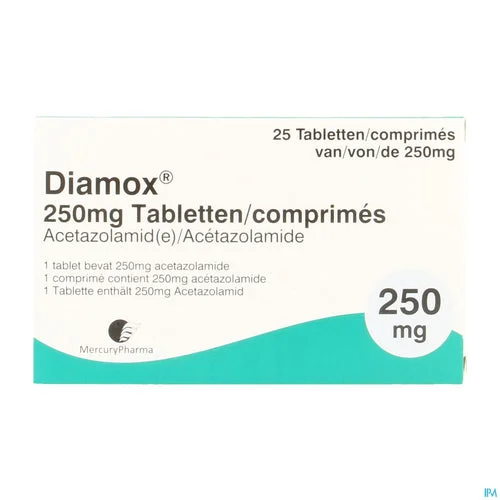
Diamox (acetazolamide) is a carbonic anhydrase inhibitor that helps regulate acid-base balance by increasing breathing rate, thereby improving oxygenation at high altitudes.
How It Works:
By reducing carbonic acid levels, Diamox stimulates breathing, helping the body adapt more quickly to lower oxygen levels. It’s also prescribed for conditions like glaucoma and cerebral oedema, making it a versatile drug.
Side Effects and Considerations:
Common side effects include increased urination (due to its diuretic effect), tingling sensations, and, in rare cases, nausea or digestive discomfort. It’s important to be aware of contraindications, such as kidney or liver disease, and consult with a physician beforehand.
When and How to Use Diamox for Kilimanjaro
Prophylactic or On-Demand?
Diamox can be used preventively starting a day before the ascent or when symptoms appear. The decision should be personalised, ideally discussed with a healthcare professional.
Recommended Dosage
Based on clinical research and our experience at Kilisherpas Travel, the optimal dose for altitude prevention is 125 mg twice daily—once in the morning and once in the afternoon. For heavier individuals (over 80 kg), doses can be increased up to 250 mg twice daily but not exceeding 500 mg per day.
Timing of Administration
Begin taking Diamox about 24 hours before starting the climb, and continue throughout the ascent. It’s included in the standard expedition package with Kilisherpas Travel, and our guides monitor its use during your trek.
Is Diamox Worth It?
Advantages:
Proven ability to reduce symptoms of altitude sickness
Facilitates faster acclimatisation
Widely supported by clinical studies and experienced guides
Disadvantages:
Potential side effects such as tingling, increased urination, or digestive issues
Contraindicated for those with certain health conditions (kidney, liver, or lung diseases)
Not a substitute for proper acclimatization practices
Bottom Line:
When used responsibly and under medical supervision, Diamox can be an effective aid, increasing your chances of reaching Uhuru Peak comfortably and safely.
Final Recommendations from Kilisherpas Travel
Always consult your healthcare provider before using Diamox, especially if you have pre-existing health conditions.
Follow the recommended dosage—125 mg twice daily is generally sufficient.
Prioritise gradual ascent, hydration, and proper nutrition over reliance on medication alone.
Use Diamox as part of a comprehensive acclimatisation strategy, not as a substitute.
Conclusion:
Diamox, supported by scientific research and our extensive experience guiding climbers, remains a valuable tool in altitude sickness prevention for Kilimanjaro. When combined with good acclimatisation practices, it helps make your mountain adventure safer and more enjoyable. Trust Kilisherpas Travel to provide expert support and guide you safely to the summit.