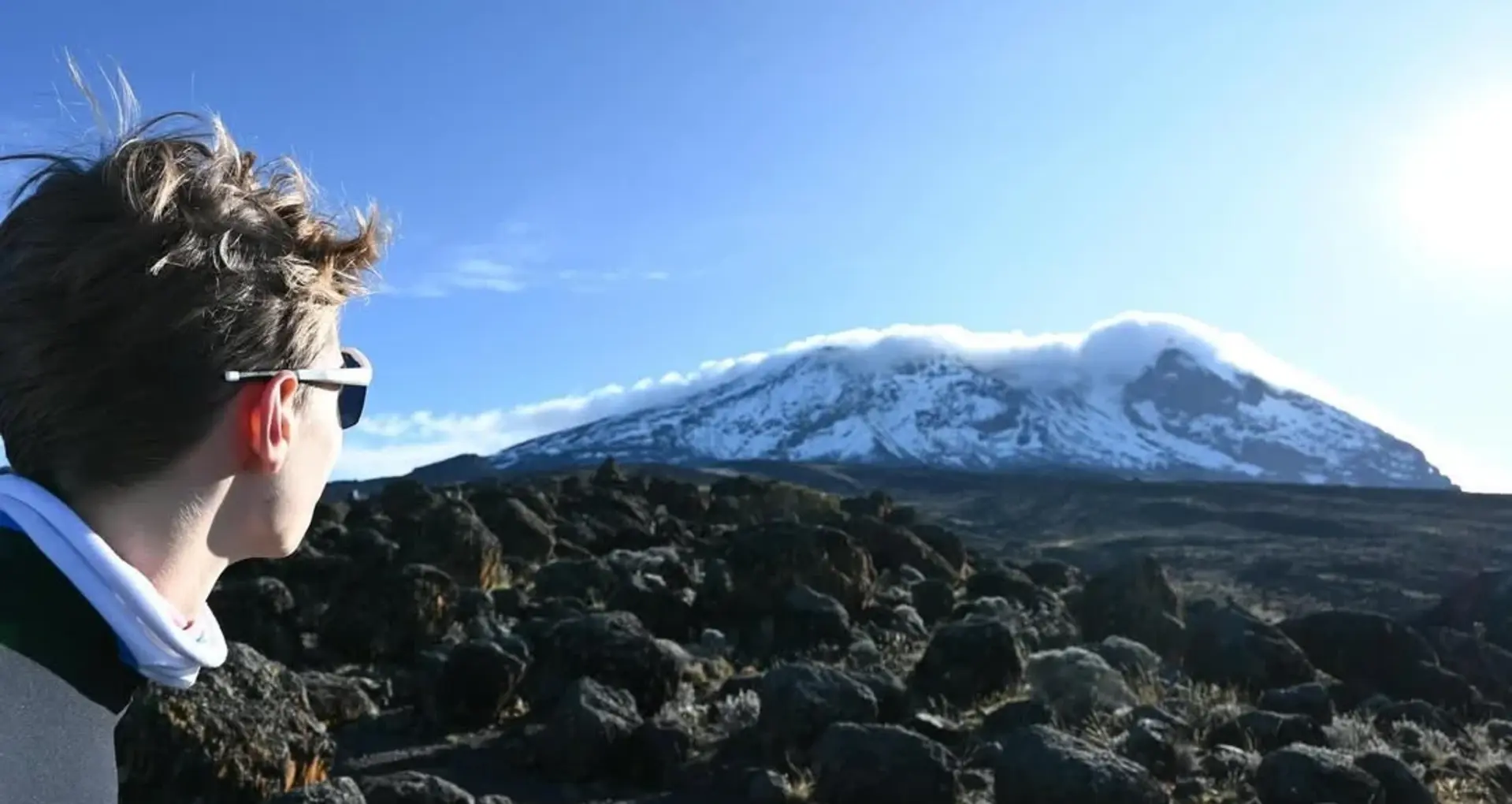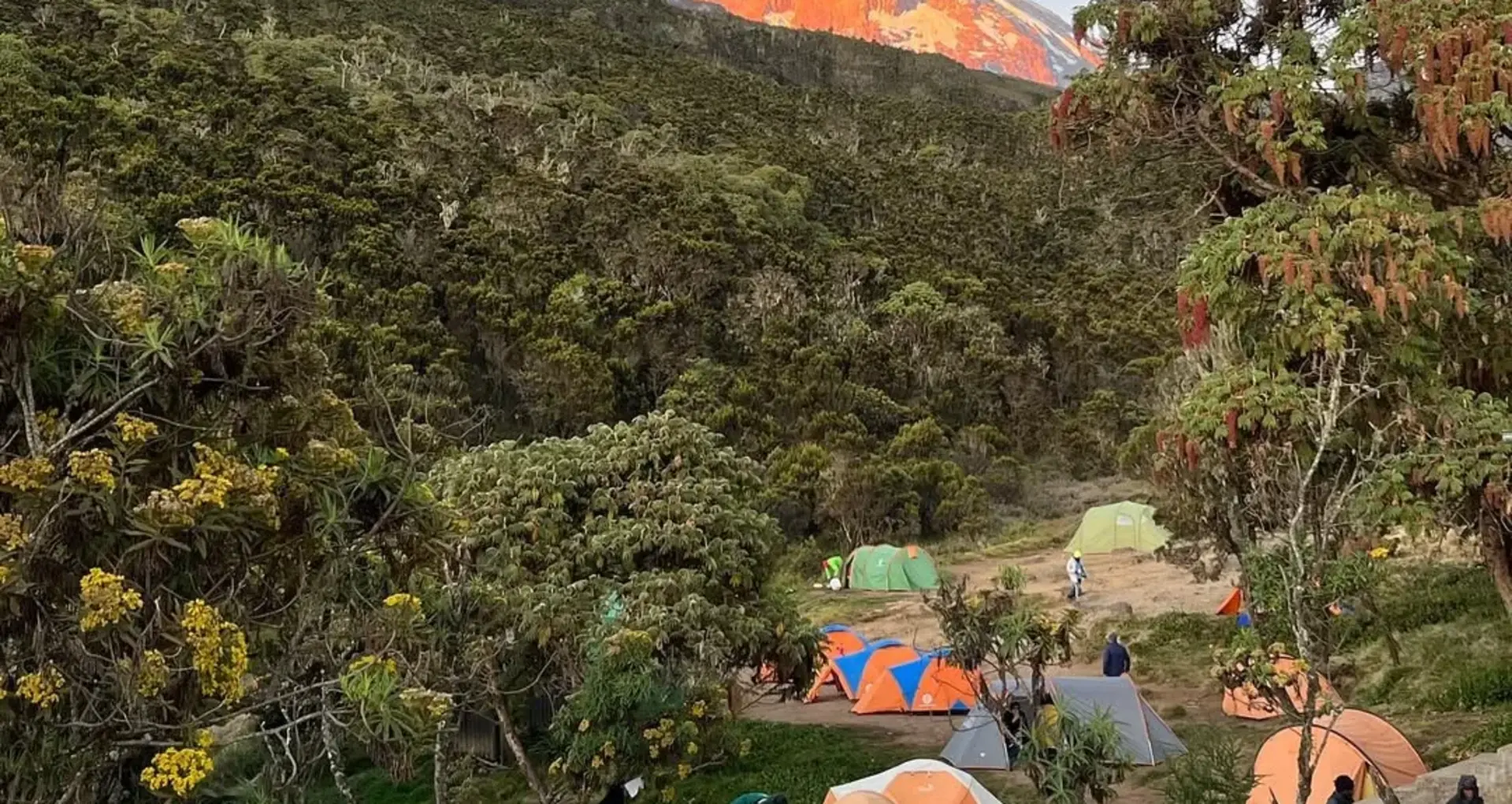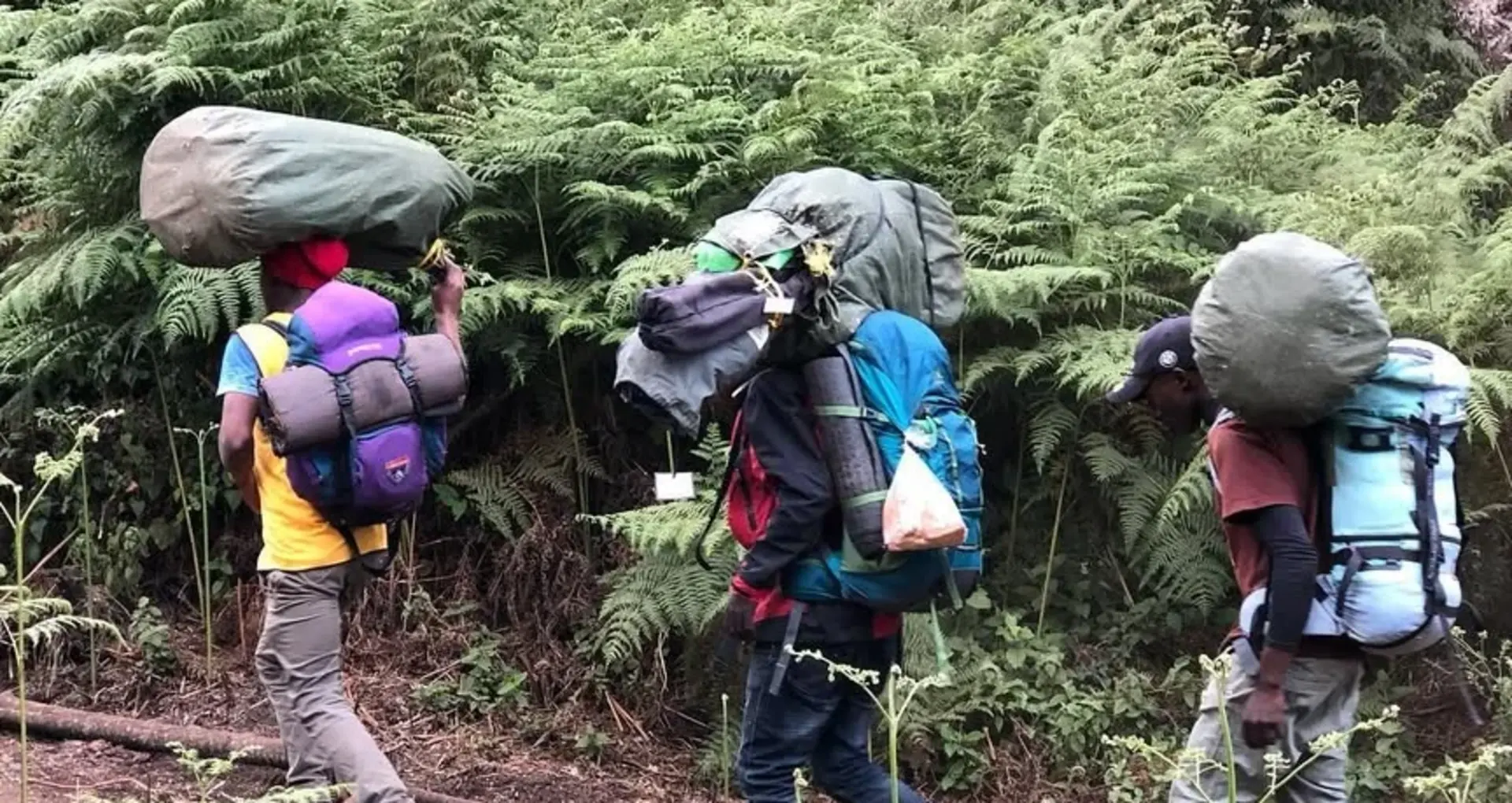
Climbing Mount Kilimanjaro is an unforgettable adventure, but behind the stunning scenery and personal achievement lies a critical ethical concern: How can travellers ensure their journey doesn't support the exploitation of local porters? At Kilisherpas Travel, we believe responsible tourism is essential. Ensuring fair wages, proper gear, and safe working conditions for porters is not just a moral obligation—it’s fundamental to sustainable, respectful climbing. Here’s what you need to know to make an ethical choice and support fair treatment of the mountain’s hard-working porters.
The Hidden Cost of Cheap Kilimanjaro Tours
How Some Operators Exploit Porters to Cut Costs
Many budget operators lower their prices by neglecting essential safety and welfare standards for porters. This often results in tragic consequences, including preventable deaths. Key exploitative practices include:
Inadequate Gear and Clothing: Many porters are sent on the mountain with worn-out shoes, inadequate clothing, or even barefoot in extreme conditions. Some trek in flip-flops or jeans, risking hypothermia and injury.
Poor Nutrition: Some companies provide minimal, low-calorie meals—often only ugali and rice—without meat or vegetables, leaving porters undernourished and vulnerable at high altitudes.
Unfair Wages: While fair wages should be at least $10–12 per day, many companies pay porters as little as $3–6 or delay payments, forcing them to continue working in exhaustion. Some are not paid at all if they fall ill or must descend early.
Lack of Medical Support: Several operators do not provide regular health checks or emergency medical care, increasing the risk of serious health issues or fatalities on the mountain.
Why Do Porters Accept These Conditions?
Local economic challenges mean that many porters view this work as their only option for earning a livelihood. It’s often their best chance to support their families, learn English, or eventually become guides earning higher wages. Despite the hardships, many accept unfair wages because they lack alternatives and see climbing as a vital source of income.
The Human Toll and Ethical Concerns
The Risks and Tragedies
Porters work under extreme physical and mental stress, often pushing past their limits. Many suffer from altitude sickness, hypothermia, or other health issues because their wages do not cover proper gear or medical care. Tragically, dozens of porters lose their lives each year due to preventable causes such as hypothermia and altitude-related illnesses.
The Moral Responsibility of Climbing Companies and Tourists
Supporting companies that cut costs at the expense of porters’ well-being perpetuates a cycle of exploitation. Tourists must be vigilant and choose operators committed to fair wages, proper gear, and ethical treatment to avoid unintentionally endorsing these harmful practices.
How to Climb Kilimanjaro Ethically and Safely
1. Prioritize Fair Wages and Respectful Treatment
Choose tour operators known for paying fair wages—ideally $10–12 per day—and providing comprehensive safety gear. Properly equipped porters are healthier, safer, and more motivated, which enhances your safety and experience.
2. Avoid Extremely Low-Cost Offers
A responsible, safe Kilimanjaro climb costs around $2,900–$3,200 for a 7-day trek, including permits, guides, porters, and gear. Offers significantly below this range often indicate cutting corners on wages, gear, or safety protocols. Remember: You often get what you pay for.
3. Verify the Legitimacy of Your Operator
Ensure your chosen company is transparent about wages, gear, and safety practices. Reputable operators invest in high-quality gear, regular staff training, and medical support to ensure your safety and theirs.
4. Support Companies That Contribute to the Local Economy
Opt for operators that pay taxes and contribute to community development, which helps sustain local livelihoods beyond the mountain and promotes responsible tourism.
Why Ethical Climbing Matters
Supporting Sustainable Communities
Choosing responsible operators ensures that your adventure benefits local communities through fair wages, safe working conditions, and community support programmes, fostering long-term economic sustainability.
Preserving the Mountain’s Integrity
Responsible companies follow environmental and cultural guidelines, ensuring Kilimanjaro remains pristine and respecting local traditions—preserving this natural wonder for future generations.
Final Thoughts: Your Role in Responsible Tourism
Climbing Kilimanjaro is an extraordinary achievement—one that should be celebrated with integrity. By selecting a responsible, ethically-minded operator who prioritises fair wages and safety, you contribute to a more sustainable, respectful adventure. Your choice makes a difference—supporting the hard-working porters and ensuring the mountain’s beauty endures.