In an effort to protect Tanzania’s pristine environment and promote sustainable tourism, the government implemented a comprehensive ban on plastic bags starting June 1, 2019. This regulation aims to reduce plastic pollution, safeguard wildlife, and preserve Tanzania’s natural beauty—one of the country’s most valuable assets for travellers. If you're planning a trip to Tanzania with Kilisherpas Travel, understanding this ban is essential for a smooth and eco-friendly journey.
1. Overview of the Plastic Bag Ban Legislation
What Does the Ban Cover?
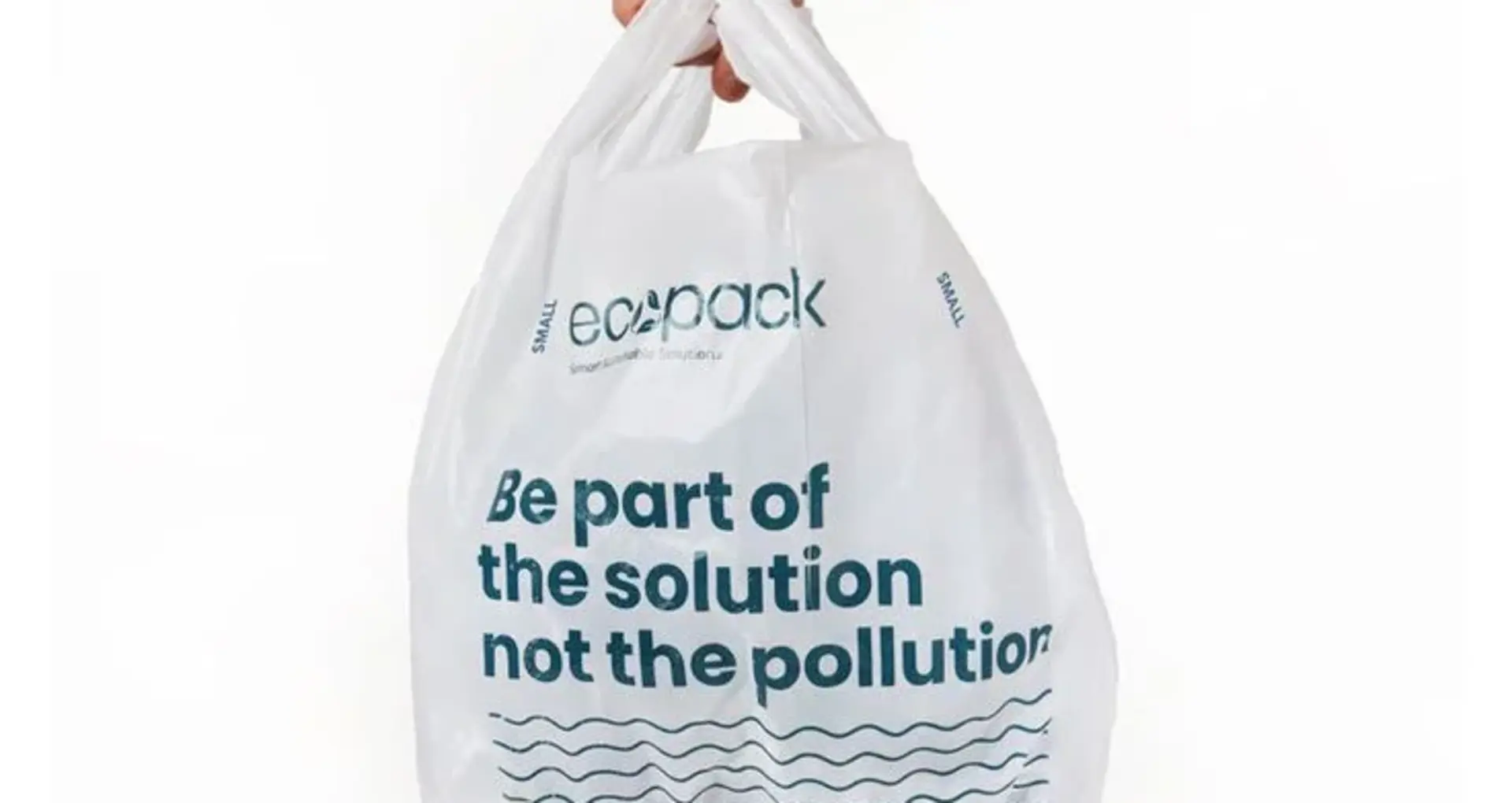
Effective June 1, 2019, the Plastic Bags Ban Act prohibits the use, importation, manufacture, sale, and distribution of all types of plastic bags across Tanzania. This includes:
All plastic bags regardless of thickness, including cling film and plastic wraps.
Plastic packaging materials that do not preserve the quality of medicines or other sensitive items.
Zip-lock bags used for personal hygiene kits or documents, provided they are not discarded within Tanzanian territory.
Exceptions to the Ban
While the law is strict, certain exceptions are permitted:
Plastic bags used solely for medicines.
Plastic packages that maintain the quality of medical supplies.
Zip-lock bags used for personal hygiene or document storage, as long as they are not disposed of within Tanzania.
2. Practical Travel Tips for Tourists
Packing Tips for a Plastic-Free Trip
To avoid complications at border crossings and customs:
Check your baggage thoroughly for any plastic bags or wraps before departure.
Use eco-friendly alternatives such as paper bags, fabric tote bags, or waterproof nylon bags to pack your belongings.
Protect your luggage from moisture with durable, eco-friendly waterproof bags instead of plastic wraps.
When Traveling with Hand Luggage
Avoid packing items in plastic bags or wraps.
Opt for eco-friendly storage options to ensure compliance with local regulations.
Assistance from Kilisherpas Travel
We are dedicated to making your journey as seamless as possible. Should you encounter any issues related to the plastic ban or need guidance on eco-friendly packing, our team is ready to assist. Feel free to contact us
3. Why the Plastic Bag Ban Matters
Environmental Impact
Plastic pollution is one of the leading threats to Tanzania’s wildlife and ecosystems. Plastic bags degrade slowly, pollute waterways, threaten marine life, and damage natural habitats. The ban is a vital step toward conservation and responsible tourism.
Promoting Sustainable Tourism
By adopting eco-friendly habits and adhering to local regulations, travellers contribute to Tanzania’s environmental preservation efforts. Eco-conscious tourism not only benefits the environment but also enhances the quality of your travel experience.
Supporting Local Communities
Reducing plastic waste aligns with Tanzania’s broader sustainability goals, encouraging local communities and tourism operators to adopt environmentally friendly practices that benefit everyone.
4. Stay Informed and Responsible
As responsible travellers, it’s crucial to stay updated on local laws and regulations that impact your journey. Always check for the latest updates before your departure and follow guidelines to minimise your environmental footprint.
Conclusion:
Tanzania’s plastic bag ban underscores the country’s commitment to environmental stewardship and sustainable tourism. Travellers to Tanzania should pack responsibly, avoid plastic wraps, and embrace eco-friendly alternatives to ensure a smooth journey and contribute to preserving Tanzania’s natural beauty. At Kilisherpas Travel, we prioritise eco-conscious travel experiences—helping you explore responsibly while respecting local regulations. For any questions or support, contact our team today.