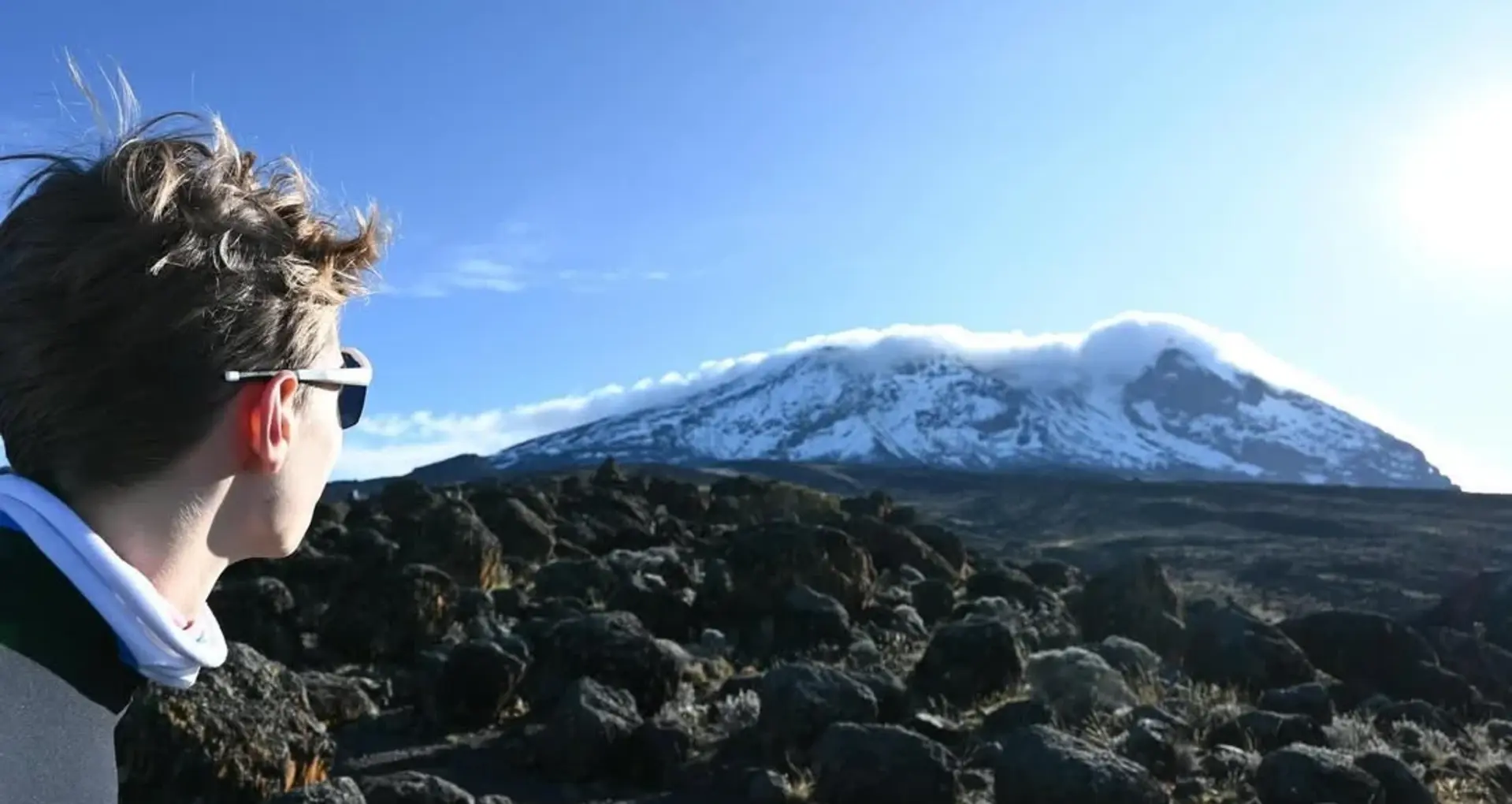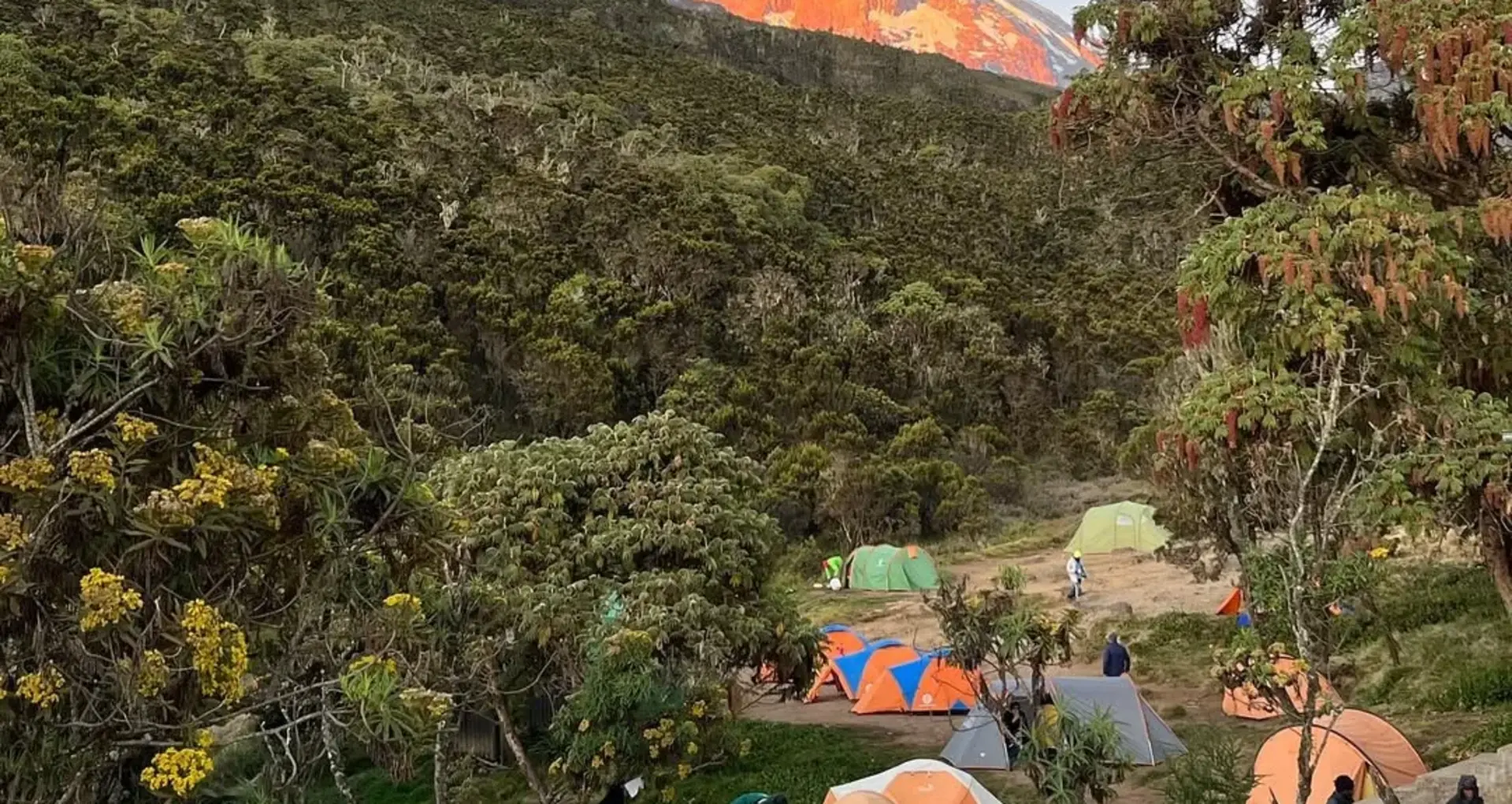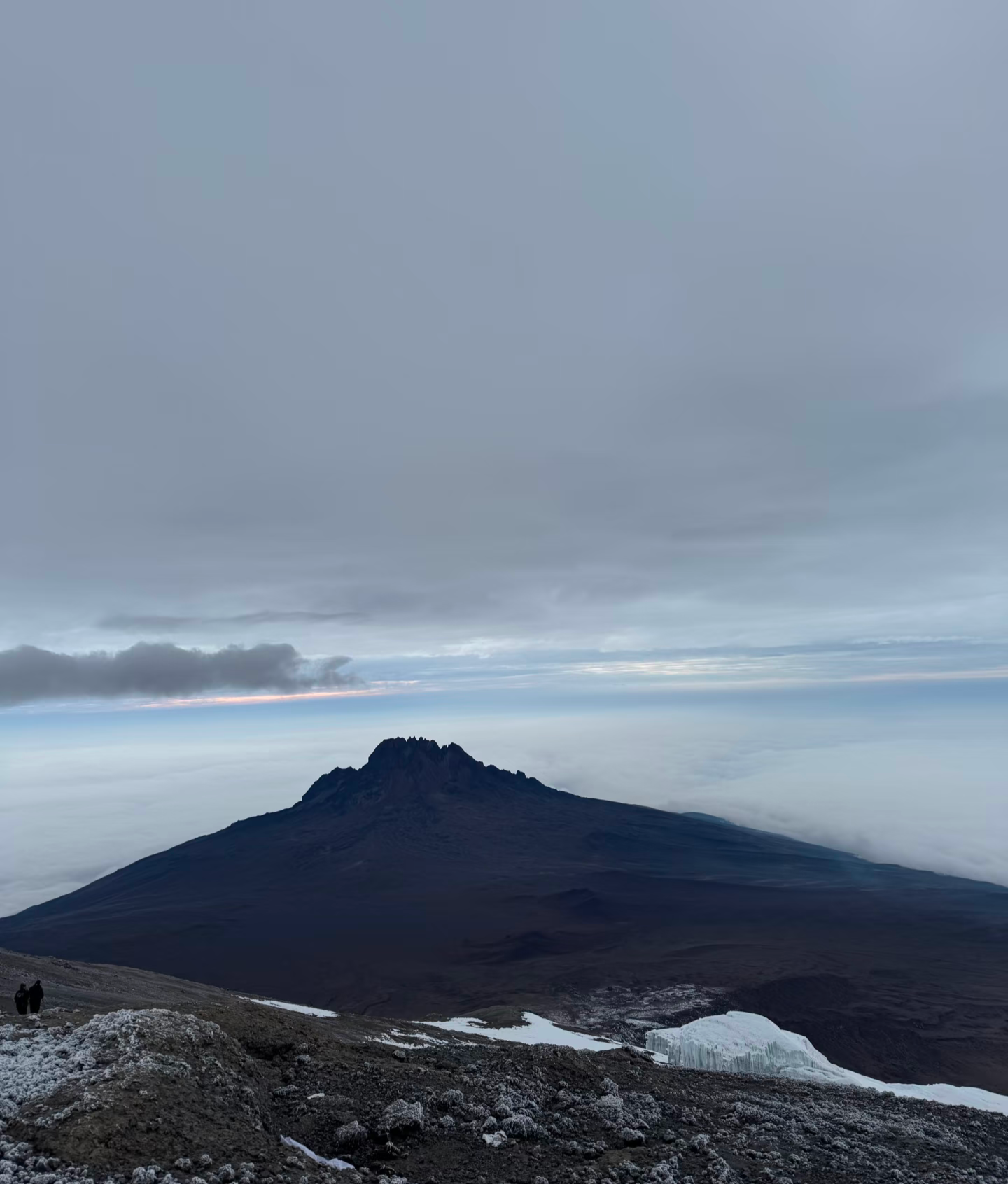
While Mount Kilimanjaro is renowned worldwide for its majestic snow-capped peak and the allure of Uhuru Peak, its lesser-known sibling—Mawenzi—remains shrouded in mystery and rugged beauty. As one of the three volcanoes that make up the Kilimanjaro massif, Mawenzi offers adventurers a glimpse into the mountain’s wild, jagged interior. Although climbing Mawenzi is reserved for experienced mountaineers, its dramatic landscapes and unique ecosystem make it a fascinating destination for those seeking an off-the-beaten-path adventure.
In this article, Kilisherpas Travel takes you on a journey to discover the location, features, history, and wildlife of Mawenzi, revealing why this summit deserves more recognition among explorers and nature lovers alike.
Where Is Mount Mawenzi Located?
Geographical Position: Mawenzi is situated approximately 340 kilometres (211 miles) south of the equator in Tanzania. Positioned within the protected boundaries of Kilimanjaro National Park, access to Mawenzi is strictly regulated to preserve its delicate environment. As part of the Kilimanjaro volcanic massif, it stands as a striking, jagged contrast to the smoother, snow-covered Kibo volcano.
Geology and Formation: Erupting around one million years ago, Mawenzi was once a towering volcano. Over time, heavy erosion and subsequent eruptions fractured its cone, leaving behind sharp peaks and rugged formations. Today, these jagged structures are composed of solidified lava and volcanic rocks, illustrating the mountain’s turbulent geological history.
Climbing Restrictions: Only highly experienced climbers with proper mountaineering gear and guides are permitted to attempt ascents of Mawenzi. The mountain’s steep ridges, loose rocks, and unpredictable weather conditions make it a challenging and potentially dangerous undertaking.
How High Is Mawenzi Peak?
Elevation: The highest point on Mawenzi is Hans Meyer Peak at 5,149 meters (16,893 feet) above sea level. While it ranks as the third-highest peak in Africa, its rugged terrain and jagged silhouette make it one of the most striking features of Kilimanjaro’s landscape.
Comparison with Other Peaks: If considered separately from Kilimanjaro, Mawenzi would sit just behind Mount Kenya at 5,199 meters as Africa’s second-highest mountain. Its jagged summits and spires dominate the surrounding landscape, challenging climbers who attempt to reach its summit.
Are There Other Peaks on Mawenzi?
Yes, Mawenzi features several notable summits and ridges, including:
Nordecke (5,136 meters / 16,850 feet) with the North East Ridge, North Spur, and North West Ridge
Purtscheller Peak (5,120 meters / 16,797 feet), named after Ludwig Purtscheller, with its West Ridge
Borchers Peak (5,115 meters / 16,780 feet), named to honor expedition sponsors
Klute Peak (5,096 meters / 16,750 feet), named after Fritz Klute, the first to ascend Mawenzi
Latham Peak (5,087 meters / 16,690 feet), honoring explorer Dr. Donald Latham
Londt Peak (4,945 meters / 16,227 feet), named after climber George Londt
Wissmann Peak (4,805 meters / 15,765 feet)
These peaks are interconnected by steep ridges, gullies, and dramatic rock formations, offering breathtaking vistas and challenging terrain for expert climbers.
What Are the Unique Features of Mawenzi?
Jagged Peaks and Rocky Terrain
Unlike the smoother cone of Kibo, Mawenzi boasts sharply pointed summits, spires, and rocky outcrops. Its jagged appearance is the result of erosion and volcanic activity, creating a rugged landscape that looks almost otherworldly.
Mawenzi Tarn
Nestled in the North Corrie near the summit, Mawenzi Tarn is a small, high-altitude lake with no outflow. Interestingly, in 1976, an informal swimming competition took place here during an expedition, with two members daring to swim in the icy waters—an extraordinary feat at such altitude.
The Tsavo River
Originating from Mawenzi’s northeastern slopes, the Tsavo River flows into Kenya’s savannahs. Historically, this river was infamous for man-eating lions during the colonial era, adding a dark chapter to Mawenzi’s natural history.
The Meaning of “Mawenzi”
Etymology and Cultural Significance: The name "Mawenzi" is derived from the Chagga language, where "kimawenze" translates to “destroyed” or "notched", reflecting the mountain’s rugged, jagged appearance. The local Chagga people have long regarded Mawenzi with respect and reverence, often associating it with traditional legends and stories.
Kibo and Kilimanjaro: The neighbouring Kibo’s name is thought to come from the Chagga word "kipoo", meaning "spotted", describing its snow-capped, patchy surface. The entire Kilimanjaro massif is called "Kilimanjaro", a Swahili word meaning “shining mountain", highlighting the snow’s reflective brilliance.
Who First Reached Mawenzi Peak?
Early Explorations and Climbing History
The first successful ascent of Kilimanjaro’s Uhuru Peak was made in 1889 by Hans Meyer and Ludwig Purtscheller. However, their attempts to summit Mawenzi were unsuccessful due to its treacherous terrain.
The First Successful Ascent of Mawenzi
It was not until 1912 that Fritz Klute and Eduard Oehler, German explorers, reached Mawenzi’s summit. Their expedition lasted over four months, during which they explored and mapped the mountain’s glaciers and ridges, producing detailed maps that remain valuable to this day.
Are Climbers Currently Scaling Mawenzi?
Climbing Mawenzi remains an extreme challenge—not a typical trekking adventure. Only experienced mountaineers with the appropriate skills and equipment are permitted to attempt ascents, usually via routes connecting to Kibo’s saddle or via the northern Rongai route.
Climbing Camps:
Mawenzi Tarn Camp (4,330 meters / 14,200 feet)
Mawenzi Hut (4,600 meters / 15,091 feet)
Ascents require careful planning, proper gear—including ropes, harnesses, crampons, and ice axes—and should only be undertaken with guides familiar with the mountain’s hazards.
Have There Been Accidents on Mawenzi?
Due to its remote location and strict regulation, fatalities on Mawenzi are rare. However, historical records mention a few incidents, including a tragic accident in the 1960s involving climbers attempting to summit via the northern route.
The most significant disaster associated with Mawenzi was the 1955 plane crash involving a Douglas DC-3, which collided with the mountain during poor visibility, killing all 20 onboard. The wreckage remains on Mawenzi’s slopes, serving as a sombre reminder of the mountain’s formidable presence.
The Remarkable Bearded Vultures of Mawenzi
Nature’s Scavengers
Mawenzi’s cliffs serve as nesting sites for the majestic Bearded Vulture (Gypaetus barbatus). These large birds, with wingspans up to 2.5 meters (8.2 feet), are expert bone-eaters, dropping bones from great heights to access the nutritious marrow inside.
Conservation and Threats
Despite their resilience, bearded vultures face threats worldwide, including poisoning from veterinary drugs and habitat loss. Their presence on Mawenzi highlights the mountain’s ecological importance as a habitat for specialised scavengers.
Conclusion
Mawenzi remains one of Africa’s most awe-inspiring yet least explored volcanic peaks. Its jagged ridges, unique ecosystems, and historical significance make it a must-see for seasoned mountaineers and adventurous travellers alike. While climbing Mawenzi requires skill and preparation, observing its natural beauty from afar or exploring its rugged slopes offers a rewarding experience for those seeking a truly offbeat adventure.
Are you ready to discover the wild, rugged side of Kilimanjaro? Join Kilisherpas Travel for expert-guided expeditions and explorations of Kilimanjaro’s hidden treasures, including the mysterious Mawenzi.