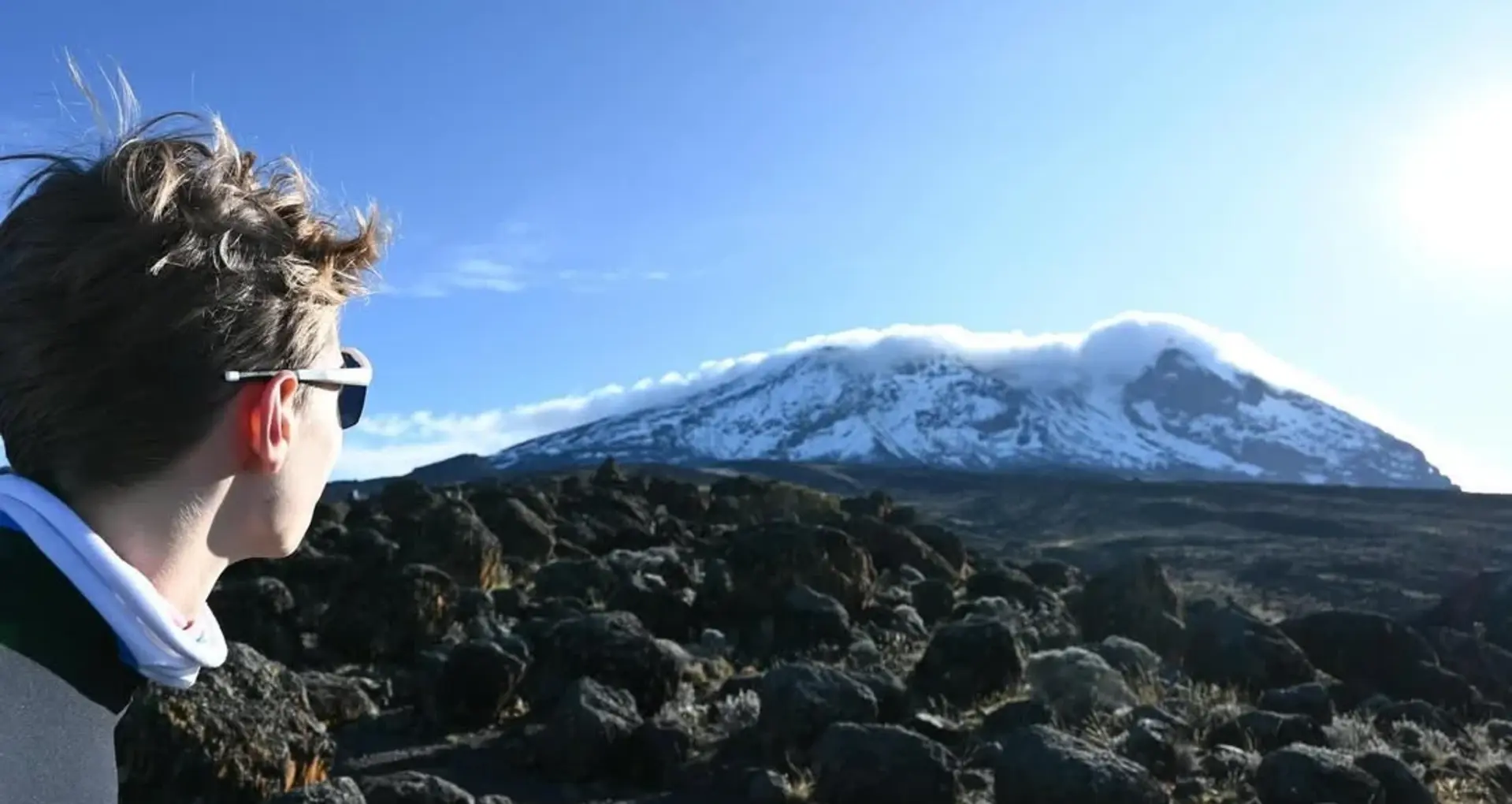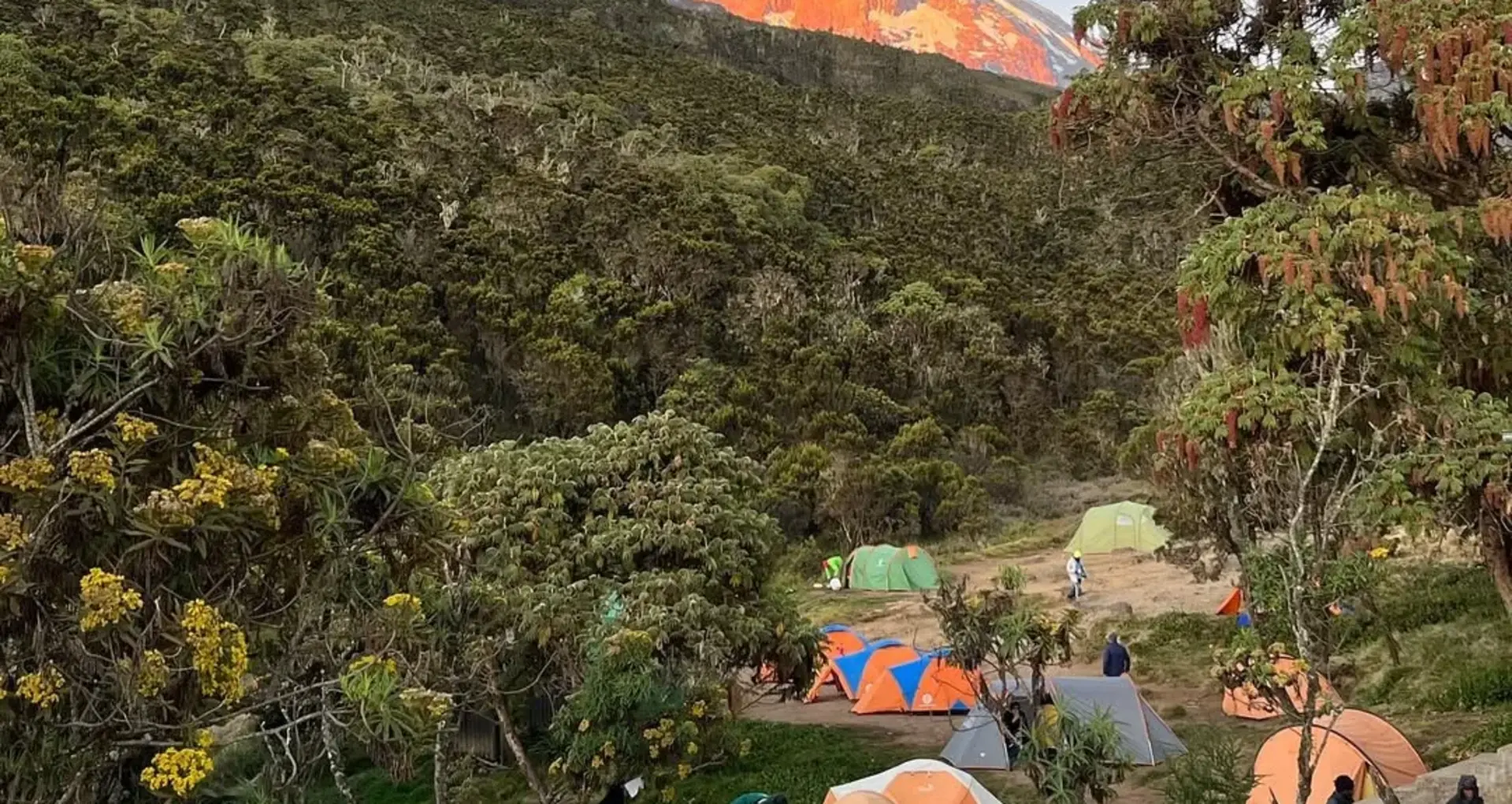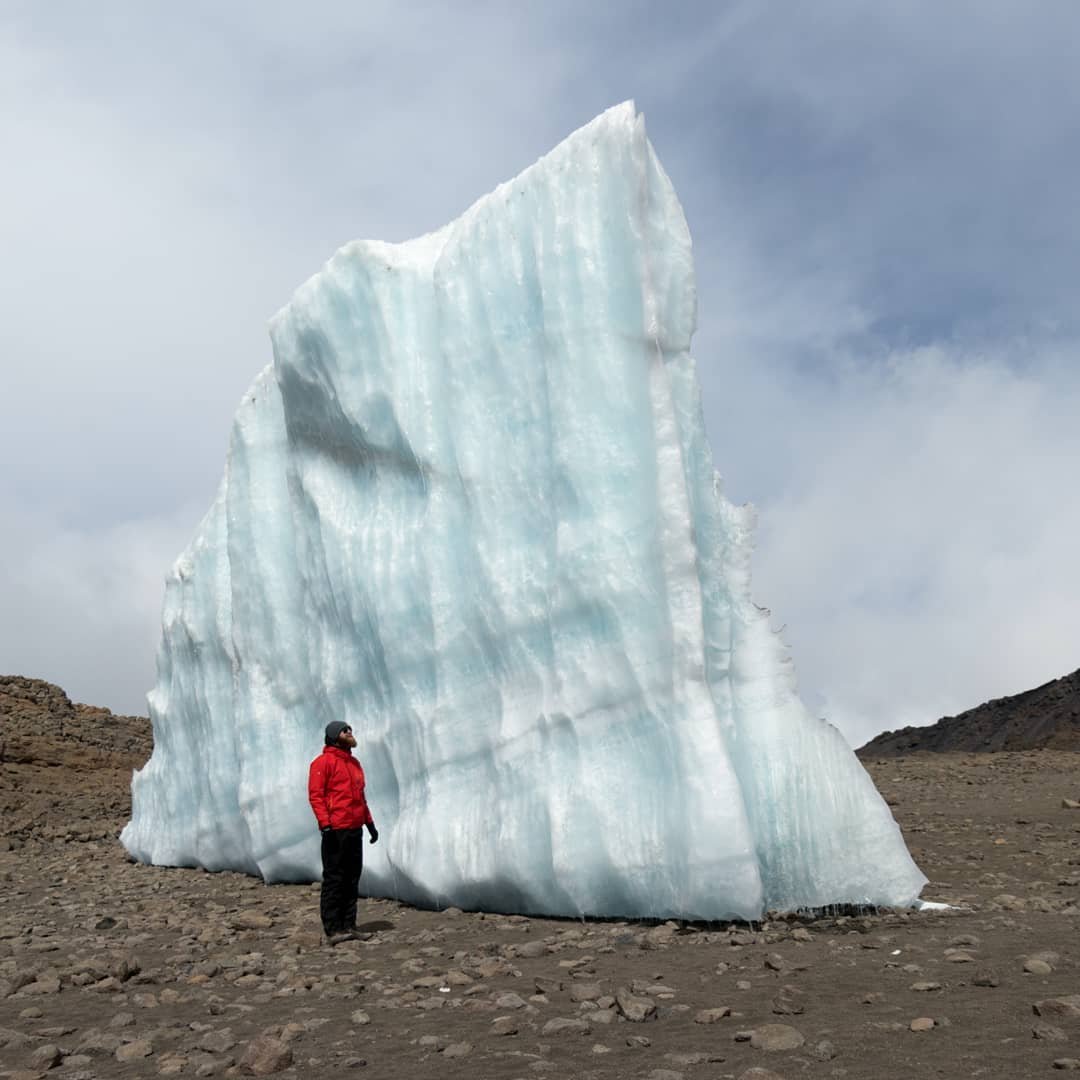
Mount Kilimanjaro’s breathtaking glaciers are among the most striking features of Africa’s tallest mountain. The Furtwängler Glacier, perched near the summit of Uhuru Peak, is the mountain’s most renowned and accessible glacier. As climate change accelerates, this ancient ice mass faces an uncertain future, drawing both adventurers and scientists eager to witness its grandeur before it disappears entirely. In this article, Kilisherpas Travel explores the history, significance, and current status of the Furtwängler Glacier—an icy relic of Kilimanjaro’s volcanic past.
Location and Historical Significance of the Furtwängler Glacier
Where Is the Furtwängler Glacier?
Nestled atop Mount Kilimanjaro in Tanzania, the Furtwängler Glacier is situated near the mountain’s main peak, Uhuru, within the summit crater of Kibo. Despite being just 340 kilometers (211 miles) from the equator, it endures as Africa’s largest tropical glacier.
A Glacial Legacy of the Past
Originally, around 11,700 years ago, Kilimanjaro was blanketed by a massive ice cap that covered nearly half of its central crater, with colossal ice flows cascading down the mountain’s sides. Over thousands of years, these glaciers melted and fragmented into smaller remnants, including the Furtwängler Glacier, which has persisted since approximately the mid-17th century.
The Glacier’s Name and Its Explorer
Named after Walter Furtwängler, a pioneering German mountaineer, the glacier commemorates his historic ascent of Kilimanjaro in 1912. Furtwängler was notable for skiing down Kilimanjaro's slopes after reaching the summit—a feat that made headlines and inspired the glacier’s name. His explorations, including ski descents on the mountain, contributed significantly to the mountain’s historical record.
Furtwängler’s Legacy
Walter Furtwängler’s expeditions to Kilimanjaro left a lasting mark. In 1912, he organized the first known snowshoe ascent and ski descent from the summit, a groundbreaking achievement in African mountaineering. Decades later, his descendants revisited Kilimanjaro and retraced his steps to honor his legacy.
Is the Furtwängler Glacier Still There?
Yes, the glacier still exists today, but it is rapidly shrinking. Satellite images, historical photographs, and scientific measurements confirm a dramatic decline over the past century.
Historical Size and Recent Changes
1929: The glacier’s approximate area was around 120,000 square meters (~30 acres).
1979: Slight decrease to about 113,000 square meters (~28 acres).
2000: The area had halved to approximately 60,000 square meters (~15 acres).
2021: Reduced further to roughly 10,400 square meters (~2.57 acres).
This rapid retreat reflects a broader pattern affecting tropical glaciers worldwide, driven predominantly by climate change.
Why Is the Glacier Melting?
The primary driver is global warming, which increases temperatures at high altitudes and reduces snowfall. Although Kilimanjaro still receives some snow, it’s insufficient to replenish the glaciers. Changes in regional climate patterns, such as decreased cloud cover and altered monsoon systems, have led to less snowfall and more sublimation—the direct transition from ice to vapor.
The Future of Kilimanjaro’s Glaciers
Most scientists agree that the Furtwängler Glacier could vanish within the next few years, likely before 2030. This impending loss has made witnessing this iconic glacier a priority for climbers and tourists. However, predictions vary due to unpredictable climate factors, and some believe that under certain conditions, increased snowfall could temporarily slow melting.
Can the Glaciers Be Saved?
Unfortunately, the answer is largely no. The ongoing effects of global warming make natural glacier regeneration unlikely. The only hope lies in global efforts to combat climate change—reducing greenhouse gases and promoting sustainable practices worldwide.
How to Experience the Furtwängler Glacier
Seeing the glacier in person is a rare and precious experience. The best way is to undertake a summit expedition that includes an overnight stay in the mountain’s crater, allowing climbers to witness the glacier’s majesty firsthand. If you wish to include a visit to the glacier in your Kilimanjaro trek, inform your travel organizer beforehand, as not all routes naturally pass by the glacier.
Conclusion
The Furtwängler Glacier stands as a poignant symbol of Africa’s changing climate and the fragility of tropical glaciers. Once a massive ice cap covering Kilimanjaro’s summit, it now faces imminent disappearance within the next few years. Witnessing this glacier before it vanishes offers a unique opportunity to connect with one of Africa’s most iconic natural wonders and reflect on the broader impacts of climate change.
Join Kilisherpas Travel for an unforgettable climb and experience the awe of Kilimanjaro’s icy crown—while it still endures.