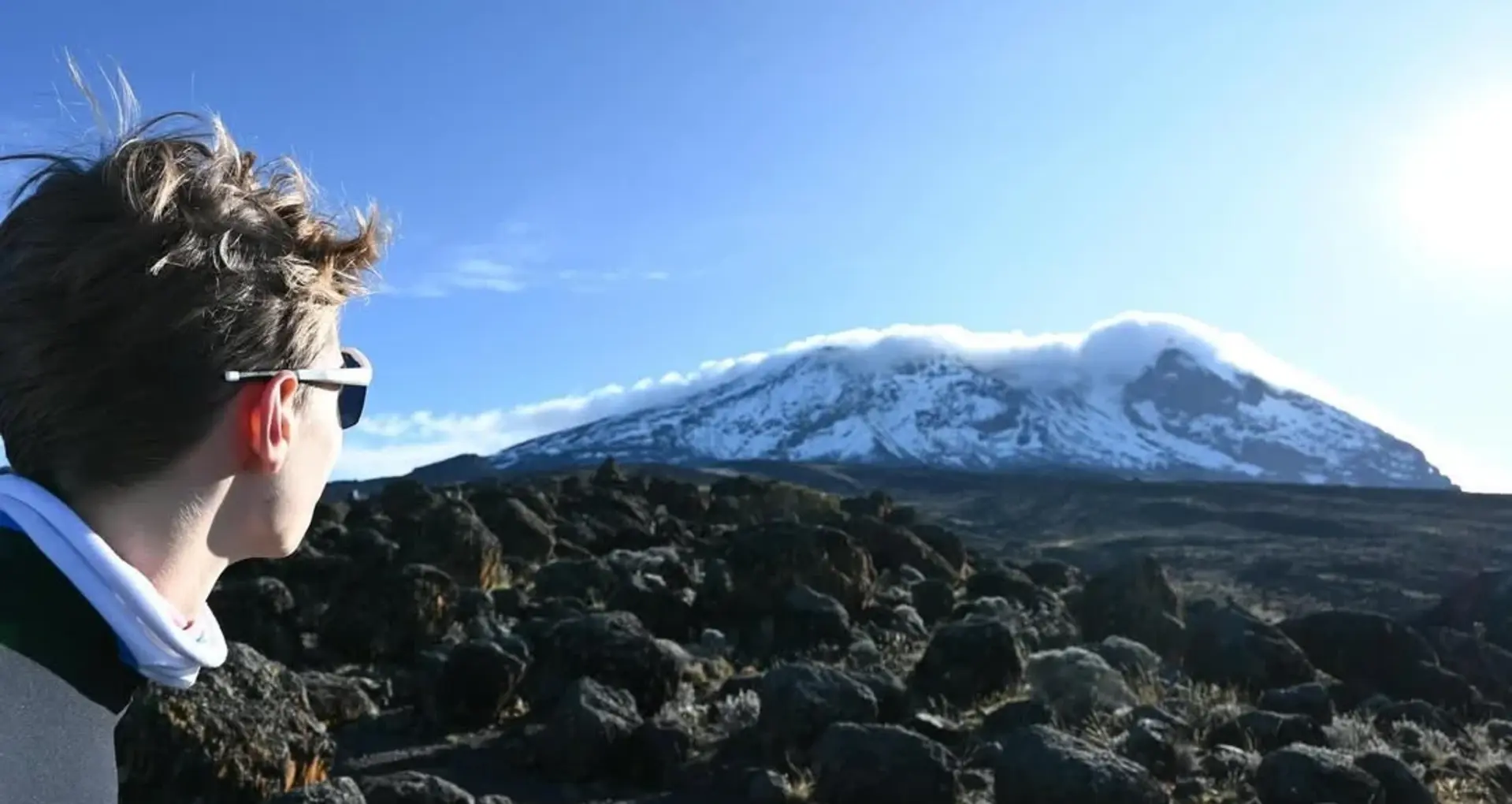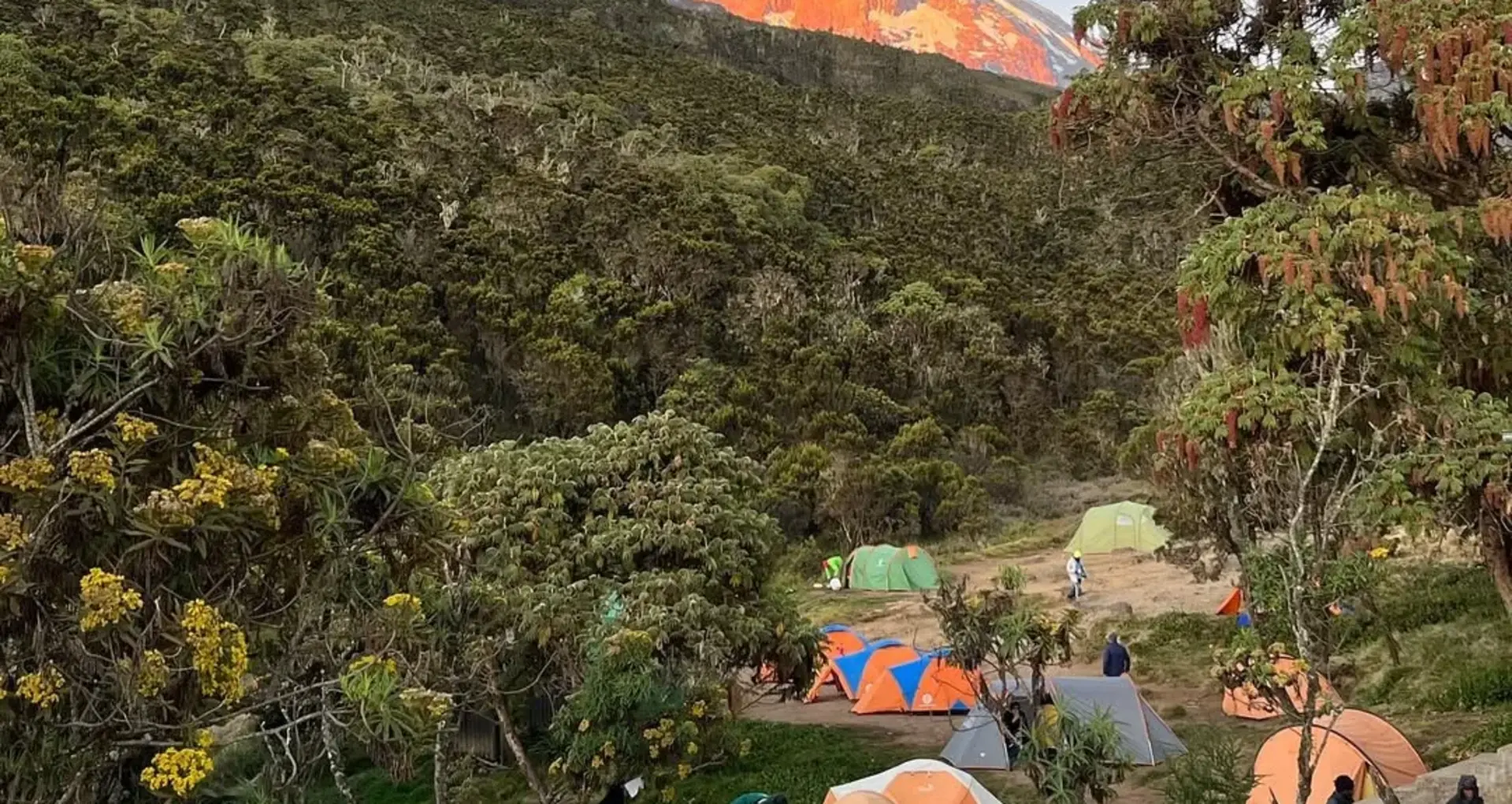
Mount Kilimanjaro is a bucket-list destination for adventurers and nature enthusiasts worldwide. Among its many iconic features, Gilman’s Point stands out as a significant milestone on the mountain’s journey to the summit. This legendary waypoint on the crater rim not only carries historical importance but also offers climbers a unique opportunity to earn a certificate of achievement. At Kilisherpas Travel, we’re passionate about sharing the stories behind Kilimanjaro’s most noteworthy points, starting with Gilman’s Point, a symbol of perseverance and exploration.
What Is Gilman’s Point?
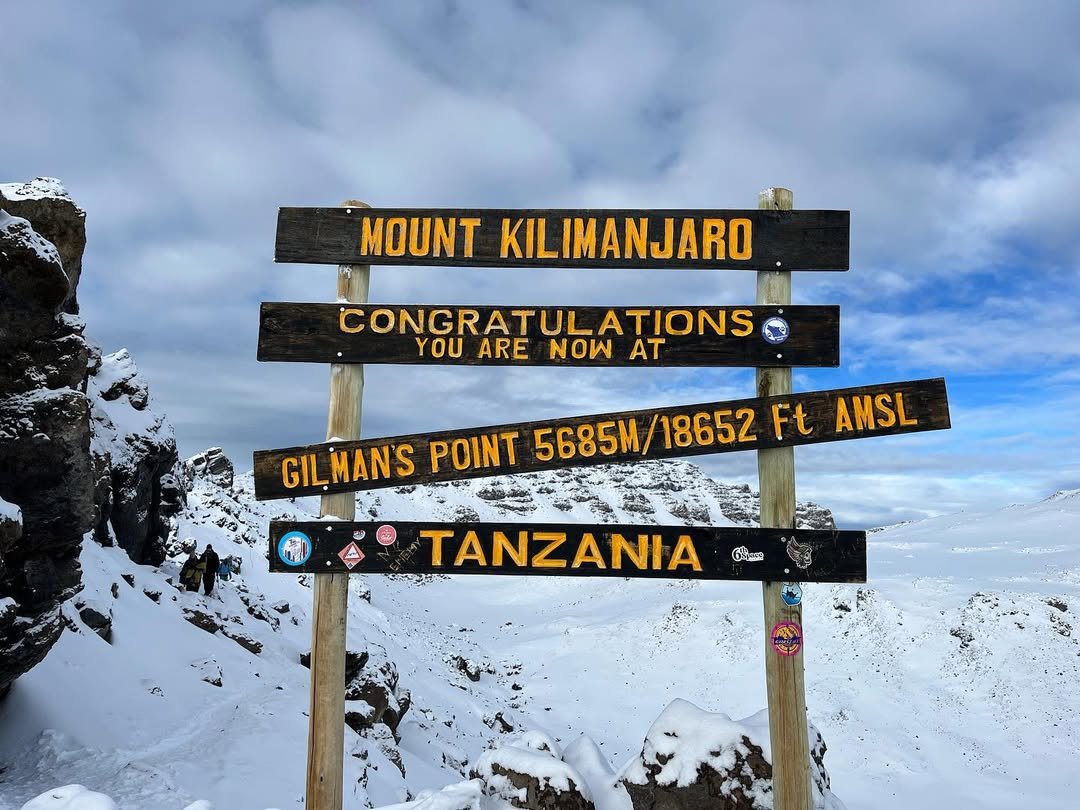
Gilman’s Point is one of the three official summit points on Mount Kilimanjaro’s crater rim, sitting at an elevation of 5,685 meters (18,652 feet) above sea level. Located near Stella Point, it marks a critical milestone for climbers aiming to reach the highest point of Africa. Reaching Gilman’s Point grants climbers an official certificate from Kilimanjaro National Park, recognising their achievement of summiting Africa’s tallest mountain.
The Significance of Gilman’s Point
Historical Importance: Named after engineer and explorer Clement Gillman, who first reached this point in 1921 and determined Kilimanjaro’s altitude using the boiling point of water.
Climbing Achievement: It’s a popular stop for climbers on their way to Uhuru Peak, the true summit, which is about a two-hour hike beyond Gilman’s Point.
Recognition: Reaching Gilman’s Point earns a bronze certificate, while continuing to Stella Point and Uhuru Peak awards higher certifications.
The Location and Altitude of Gilman’s Point
Elevation
The current official sign at Gilman’s Point indicates an altitude of 5,685 meters (18,652 feet). Interestingly, previous signs listed it as 5,681 meters (18,638 feet), which is considered the historically accurate altitude for this point.
Geographical Position
Gilman’s Point is situated just below Stella Point on the crater rim, accessible via several popular routes, including:
Marangu Route: The most travelled trail, featuring huts for overnight stays.
Rongai Route: Known for its dry climate and remote starting point.
Northern Circuit: The longest and least crowded route, offering stunning vistas.
Visual Map
On Kilimanjaro’s map, Gilman’s Point is located near Stella Point, both of which sit along the edge of Kibo’s crater rim. Reaching either of these points signifies a significant milestone in the ascent.
The Three Summit Points of Kilimanjaro
Kilimanjaro’s summit is technically the edge of its crater, with three notable points:
Gilman’s Point: 5,685 meters (18,652 feet)
Stella Point: 5,756 meters (18,885 feet)
Uhuru Peak: 5,895 meters (19,341 feet)
The difference between Gilman’s Point and Uhuru Peak is approximately 210 meters (689 feet), representing the final stretch to the highest point of Africa.
Why Do Some Climbers Fail to Reach Uhuru Peak?
Reaching Uhuru Peak is a challenge, especially on the night-time summit push starting around midnight. Many climbers experience fatigue, altitude sickness, and exhaustion, which can cause them to stop at Gilman’s or Stella Point.
Important facts:
Certificates:
Bronze: Reach Gilman’s Point
Silver: Reach Stella Point
Gold: Reach Uhuru Peak (the actual summit)
Common Challenges: Altitude sickness, fatigue, and weather conditions often prevent climbers from reaching the highest point.
The History Behind Gilman’s Point
Who Was Clement Gillman?
Clement Gillman was a pioneering British engineer and explorer who first reached this point in 1921 during a major expedition. His achievement was particularly remarkable because, at that time, Kilimanjaro was covered with glaciers and snow, making the ascent more difficult.
The Significance of His Contribution
Altitude Measurement: Gillman was the first to measure Kilimanjaro’s altitude using the boiling point of water, a method still referenced today.
Exploration Milestone: His successful ascent established Gilman’s Point as an important waypoint on the mountain.
Legacy: The point bears his name, although many signs spell it as "Gilman’s Point", with a double "l", a common misspelling.
The British Expeditions of 1921
The 1921 British expedition was a milestone, marking the first time a European reached the Kibo crater rim. Gillman’s ascent was a symbol of exploration and scientific achievement in East Africa.
Notable Facts and Misconceptions
Name Spelling: The official signs and most references spell it "Gilman’s Point", but the explorer’s surname is actually "Gillman".
Altitude Sign: The sign at Gilman’s Point has historically listed the altitude as 5,681 meters, but the current official figure is 5,685 meters.
Famous Explorations: Gillman’s work extended beyond mountaineering; he contributed significantly to engineering and geographical research in Tanganyika (modern-day Tanzania).
Why Visit Gilman’s Point?
Reaching Gilman’s Point offers a sense of achievement and a chance to enjoy spectacular views of Kilimanjaro’s glaciers and crater rim. It also serves as a key milestone on the way to Stella Point and Uhuru Peak, inspiring climbers with its rich history and breathtaking scenery.
Tips for Climbers
Acclimatise Properly: Proper acclimatisation increases chances of reaching Uhuru Peak.
Start Early: The summit push begins around midnight; be prepared for cold and fatigue.
Take Photos: Gilman’s Point offers incredible photo opportunities with panoramic views of the crater rim.
Conclusion
Gilman’s Point is more than just a waypoint; it's a symbol of exploration, achievement, and the enduring human spirit of adventure. Named after a pioneering explorer, this historic point on Kilimanjaro’s crater rim continues to inspire climbers from around the world. Whether you're aiming for the full summit or simply want to celebrate a significant milestone, Gilman’s Point is a must-visit on your Kilimanjaro journey.
At Kilisherpas Travel, we’re dedicated to guiding you safely to this historic spot and helping you create unforgettable memories on Africa’s highest peak. Ready to take the next step? Contact us today and start planning your Kilimanjaro adventure.