Protecting your eyes is essential when climbing Mount Kilimanjaro or Mount Meru. At high altitudes, ultraviolet (UV) radiation increases significantly, and snow or ice near the summit can reflect up to 90% of UV rays, doubling exposure. While snow blindness is rare on these mountains compared to the Himalayas, proper eye protection prevents discomfort, temporary vision issues, and long-term damage.
At Kilisherpas Travel, we equip all our climbers with clear guidance on eyewear. Whether you wear prescription glasses, contact lenses, or have perfect vision, this 2026/2027 guide covers everything you need to know about choosing, using, and maintaining eye protection for a safe and comfortable climb.
Why Eye Protection Matters on Kilimanjaro & Mount Meru
UV intensity rises roughly 25–30% at 4,000 m (13,100 ft) compared to sea level.
Snow and glaciers near the summit reflect intense UV light.
Cold, dry air and wind increase the risk of dry eyes and irritation.
Sudden weather changes (bright sun to overcast) require versatile protection.
Good eyewear prevents corneal damage, reduces glare, and keeps your vision clear during the critical summit night and descent.
Choosing the Right Glasses for Kilimanjaro & Mount Meru
Lens Categories (Protection Levels):
Category 3: Suitable for bright sun in lower and mid altitudes.
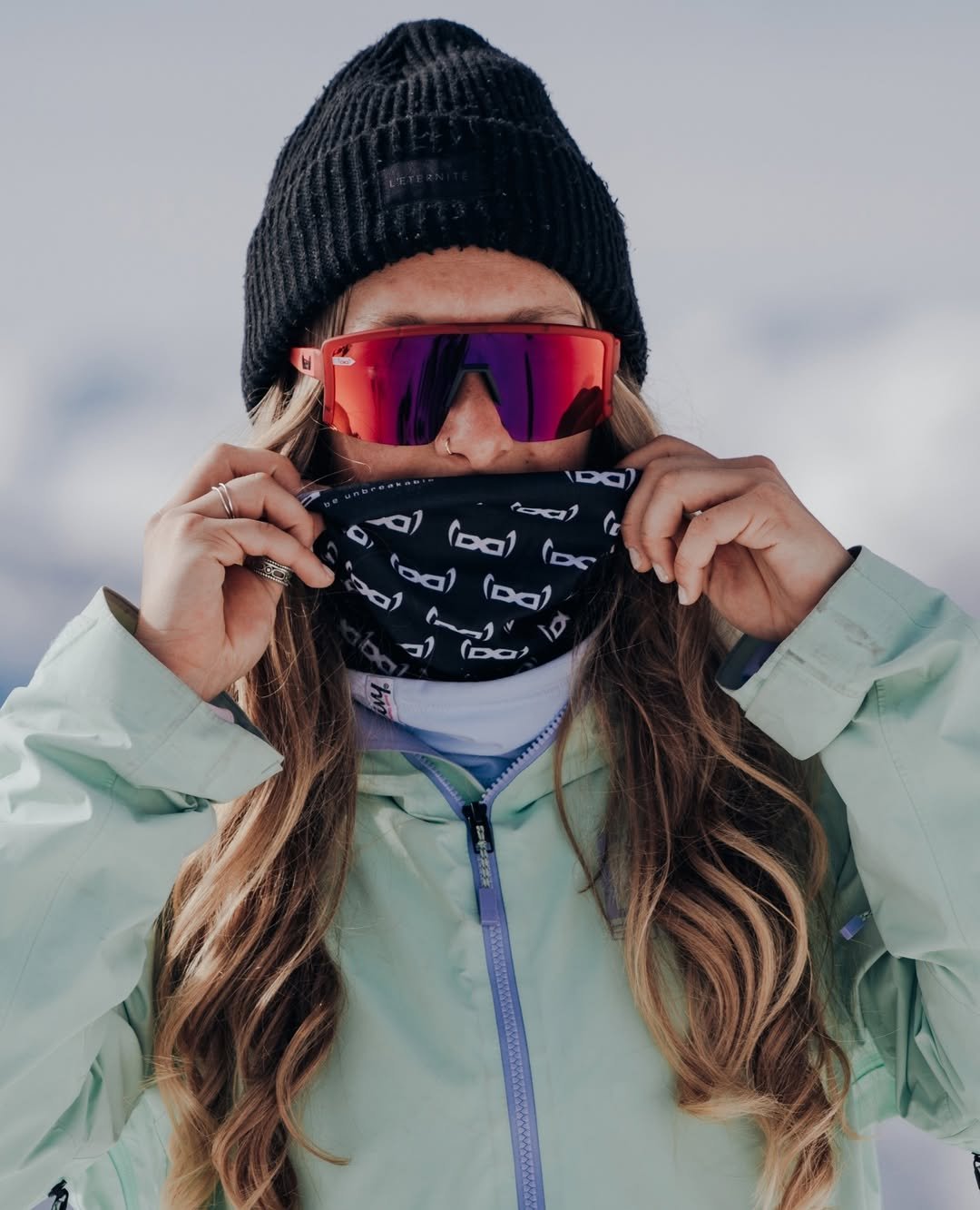
Category 4: Very dark lenses — essential for the summit zone and glacial areas. These block the highest level of visible light and UV.
Key Requirement: Look for UV400 marking — this guarantees 100% protection against UVA and UVB rays.
Recommended Solutions for Climbers with Vision Problems:
Over-Glasses (OTG) — Special mountain goggles worn over your regular prescription glasses.
Pros: Affordable and simple.
Cons: Can feel bulky and may fog more easily.
RX Inserts (Prescription Inserts) — Small corrective lenses fitted inside sports/mountain glasses.
Pros: Convenient, allows swapping outer lenses (Cat. 4, photochromic, or yellow for low light).
Cons: Slightly more expensive than basic options.
Custom Prescription Mountaineering Glasses — Made to order with built-in corrective lenses.
Pros: Most comfortable and effective.
Cons: Higher cost and longer production time.
Best Brands:
Julbo (excellent RX insert systems and glacier glasses)
Oakley, Adidas Terrex, Smith Optics (sports models compatible with inserts)
Cébé and Bollé (reliable alpine lines)
Anti-Fog Solutions: Bring anti-fog wipes or spray. Fogging is common in cold conditions or during high exertion.
Photochromic (Transition) Lenses: Convenient but often not dark enough (max Cat. 3) for the summit zone. Use them as backup, not primary protection.
Contact Lenses on Kilimanjaro & Mount Meru
Contact lenses offer clear vision and comfort under a balaclava, but high-altitude conditions present challenges:
Pros:
No fogging
Wide field of view
Comfortable with helmets and hats
Cons & Risks:
Dry air at altitude causes faster tear evaporation → discomfort and higher infection risk
Hygiene is difficult during multi-day climbs
Lenses with UV filters only protect the cornea, not the entire eye
Best Practice:
Use daily disposable lenses (put in fresh pair each morning, discard at night)
Bring preservative-free artificial tears (single-use vials) to combat dryness
Always wear Category 4 glacier glasses over lenses for full UV and glare protection
Carry a spare pair of regular glasses in case of lens issues
Avoid:
Extended-wear or continuous-wear lenses (higher infection risk at altitude)
Sleeping in lenses during the climb
Recommended Combination: Daily disposable contact lenses + high-quality Cat. 4 mountain glasses + backup prescription glasses.
Checklist: Eye Protection Gear for Kilimanjaro & Mount Meru
Glasses:
Primary: Category 4 glacier sunglasses with UV400 protection
Backup: Category 3 sunglasses for lower altitudes
Spare prescription glasses in a hard case
If Using Contact Lenses:
Daily disposable lenses (full trip duration + 2–3 extra pairs)
Preservative-free artificial tears (single-use vials)
Additional Essentials:
Anti-fog wipes or spray
Hard case + soft pouch for glasses
Wet wipes for hand hygiene before handling lenses
Practical Tips from Kilisherpas Travel
Test your eyewear during training hikes before the expedition.
Practice putting in/removing contact lenses quickly in cold conditions.
Keep spare glasses and lenses easily accessible in your daypack.
On the summit night, prioritise clear vision and glare protection over style.
If you experience any eye discomfort (redness, pain, blurred vision), descend immediately and inform your guide.
Final Advice
Proper eye protection is non-negotiable for a safe and enjoyable climb. Good-quality Category 4 glacier glasses (with UV400) combined with daily disposable contact lenses (if needed) and a backup pair of prescription glasses will keep your eyes healthy and your vision clear from rainforest to summit.
At Kilisherpas Travel, we provide detailed gear briefings and can help arrange quality eyewear recommendations or rentals if required. Your safety and comfort are our priority.
Ready for your Kilimanjaro or Mount Meru climb?
Contact Kilisherpas Travel today to plan your 2026/2027 expedition with full gear guidance, including expert advice on eye protection.