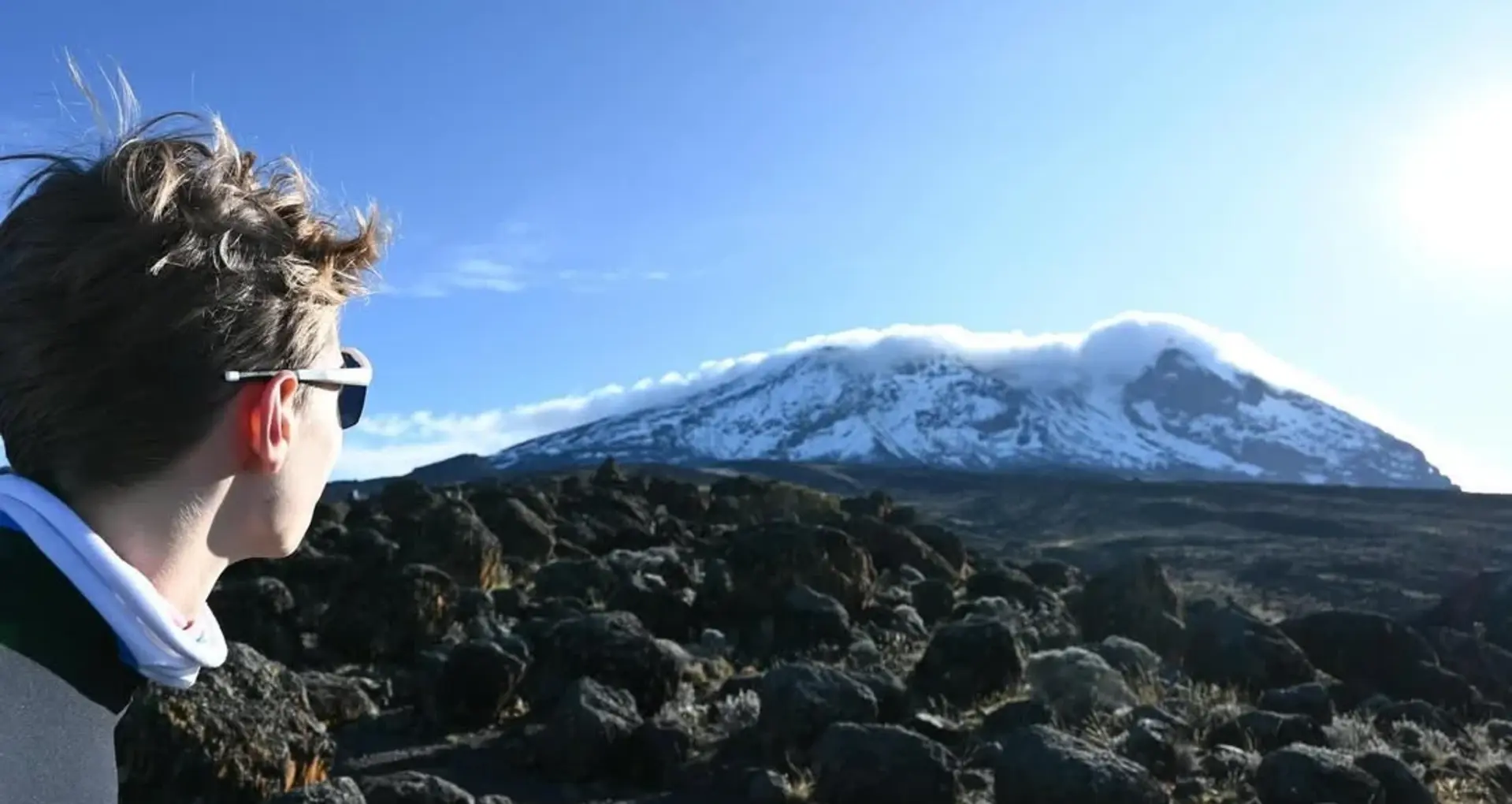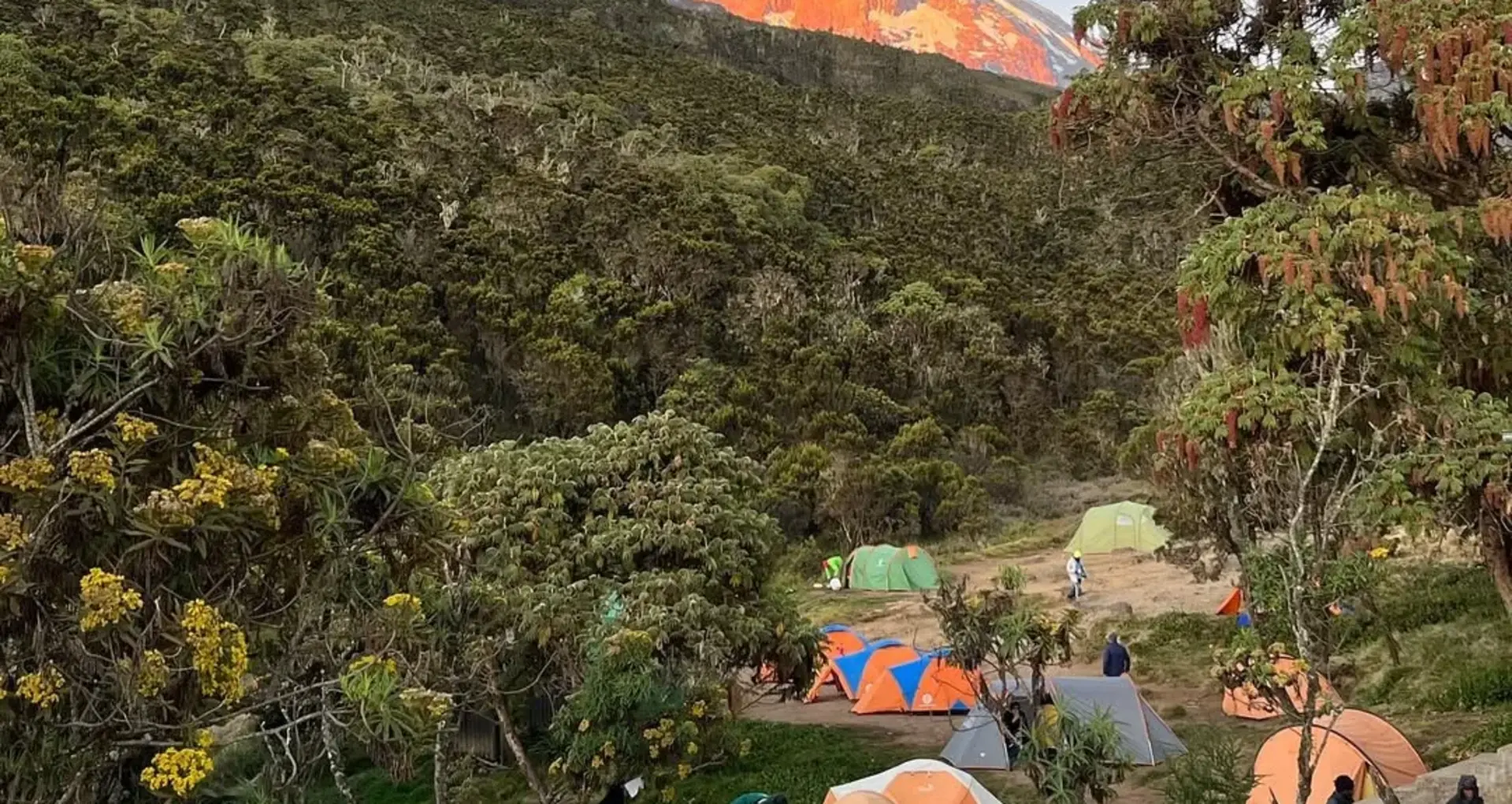
Every year, approximately 50,000 adventurers set out to conquer Mount Kilimanjaro, Africa’s highest mountain. Known as the “Roof of Africa", Kilimanjaro offers a unique combination of breathtaking landscapes, a sense of achievement, and a chance to stand on the continent’s highest point. But just how tall is this iconic mountain? In this comprehensive guide, Kilisherpas Travel takes you through the history of Kilimanjaro’s measurements, the most accurate current data, and what makes this mountain an extraordinary natural wonder.
The Official Height of Kilimanjaro
Historical Measurements
1952 British Survey: The most widely recognised official height of Kilimanjaro is 19,364 feet (5,895 meters), as recorded by British cartographers. This figure appears on signs at the summit and is used by most sources worldwide.
Hans Meyer’s Estimate (Early 20th Century): The first person to reach Uhuru Peak, Hans Meyer, estimated the mountain’s height at 6,045 meters (19,830 feet) during his pioneering climb in 1889. Although less accurate by today’s standards, this estimate influenced early perceptions of Kilimanjaro’s size.
Modern Re-measurements
1999 Survey: A team used GPS technology to measure Kilimanjaro at approximately 5,892.55 meters (19,308 feet), confirming the mountain’s height with increased precision.
2008 Survey: The most recent and accurate measurement, combining GPS and gravimeter techniques, determined Kilimanjaro’s height at 5,891.8 meters (19,341 feet). This figure is considered the most reliable to date.
Does Kilimanjaro Really Shrink?
While some speculate that Kilimanjaro might be shrinking due to climate change and glacier retreat, current data suggest the mountain’s height has remained relatively stable, within the margin of measurement error. The slight variations are mainly due to measurement technology improvements rather than significant geological change.
Kilimanjaro: The Tallest Free-Standing Mountain in the World
Unlike most towering peaks that are part of mountain ranges, Kilimanjaro is a free-standing volcano standing isolated on the African plains. This makes it the highest mountain in Africa and the tallest free-standing mountain in the world.
Geographic Features
Location: Rising majestically over the Tanzanian savannah, Kilimanjaro is approximately 100 km from Mount Meru, its closest neighbouring peak.
Distinctive Volcanic Cones: Kilimanjaro comprises three volcanic cones—Kibo, Mawenzi, and Shira (which has been eroded and flattened into the Lemosho Glades).
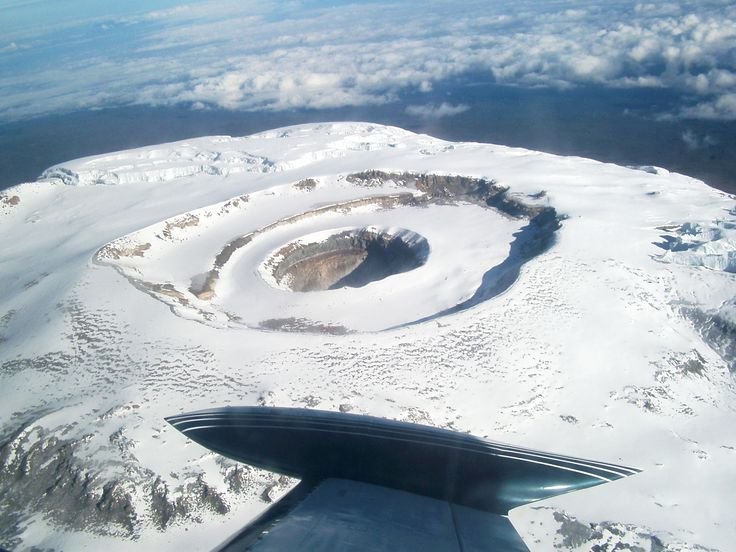
Kibo Peak: The highest point, crowned by Uhuru Peak, stands at 19,340 feet / 5,895 meters. It’s the focal point of most climbers’ ambitions.
Key Peaks of Kilimanjaro
1. Kibo Peak
The summit of Kilimanjaro, known as Uhuru Peak, is the highest point of the mountain. It features glaciers and the famous Ash Pit crater.
Climbing to the summit involves traversing the glaciered crater area, a truly surreal experience.
2. Mawenzi Peak
Standing at 5,148 meters (16,893 feet), Mawenzi is the second-highest peak and located on the mountain’s eastern side.
Climbing Mawenzi requires advanced mountaineering skills, including the use of ropes and specialised equipment. It’s accessible only with a special permit and technical expertise.
3. Shira Peak
Initially a volcanic cone, Shira was destroyed by erosion, leaving the flat plateau now known as the Lemosho Glades.
It offers stunning panoramic views and is part of the routes that approach Kilimanjaro from the west.
Understanding Kilimanjaro’s Elevation Gain
While the mountain’s summit is at 5,895 meters, the actual elevation gain for climbers depends on the starting point of the trek.
Lemosho Gate: Starting at 2,360 meters (7,740 feet), the total ascent is approximately 3,535 meters (11,580 feet).
Marangu Gate: Starting at 2,700 meters (8,858 feet), the ascent is around 3,195 meters (10,480 feet).
Machame Gate: Starting at 1,740 meters (5,708 feet), the ascent is approximately 4,155 meters (13,620 feet).
Rongai Gate: Starting at 1,950 meters (6,400 feet), the ascent is roughly 3,945 meters (12,940 feet).
Note: The regional elevation of the starting points means that climbers do not ascend the full height from sea level, which makes proper acclimatisation vital for a successful summit.
Comparing Kilimanjaro to Other Mountains
The Second Highest Mountain in Tanzania
Mount Meru: Located 70 km west of Kilimanjaro, Mount Meru rises to 4,566 meters (14,968 feet).
It’s a popular trekking option for acclimatisation and adventure, featuring a walking safari and wildlife encounters with buffalo, zebra, giraffes, and diverse bird species.
Is Kilimanjaro the Tallest Mountain in the World?
No. Mount Everest, at 8,849 meters (29,031 feet), holds that title.
However, Kilimanjaro is the tallest free-standing mountain globally, standing alone on the plains and offering a unique, accessible challenge for climbers.
Conclusion
Kilimanjaro’s impressive height and majestic presence make it an iconic symbol of adventure and achievement. Whether you’re captivated by its glaciers or inspired by its volcanic history, understanding the mountain’s true height adds to the awe of this natural wonder. At Kilisherpas Travel, we guide passionate explorers through every step of this incredible journey. Ready to take on Africa’s roof? Contact us today to start planning your Kilimanjaro expedition.