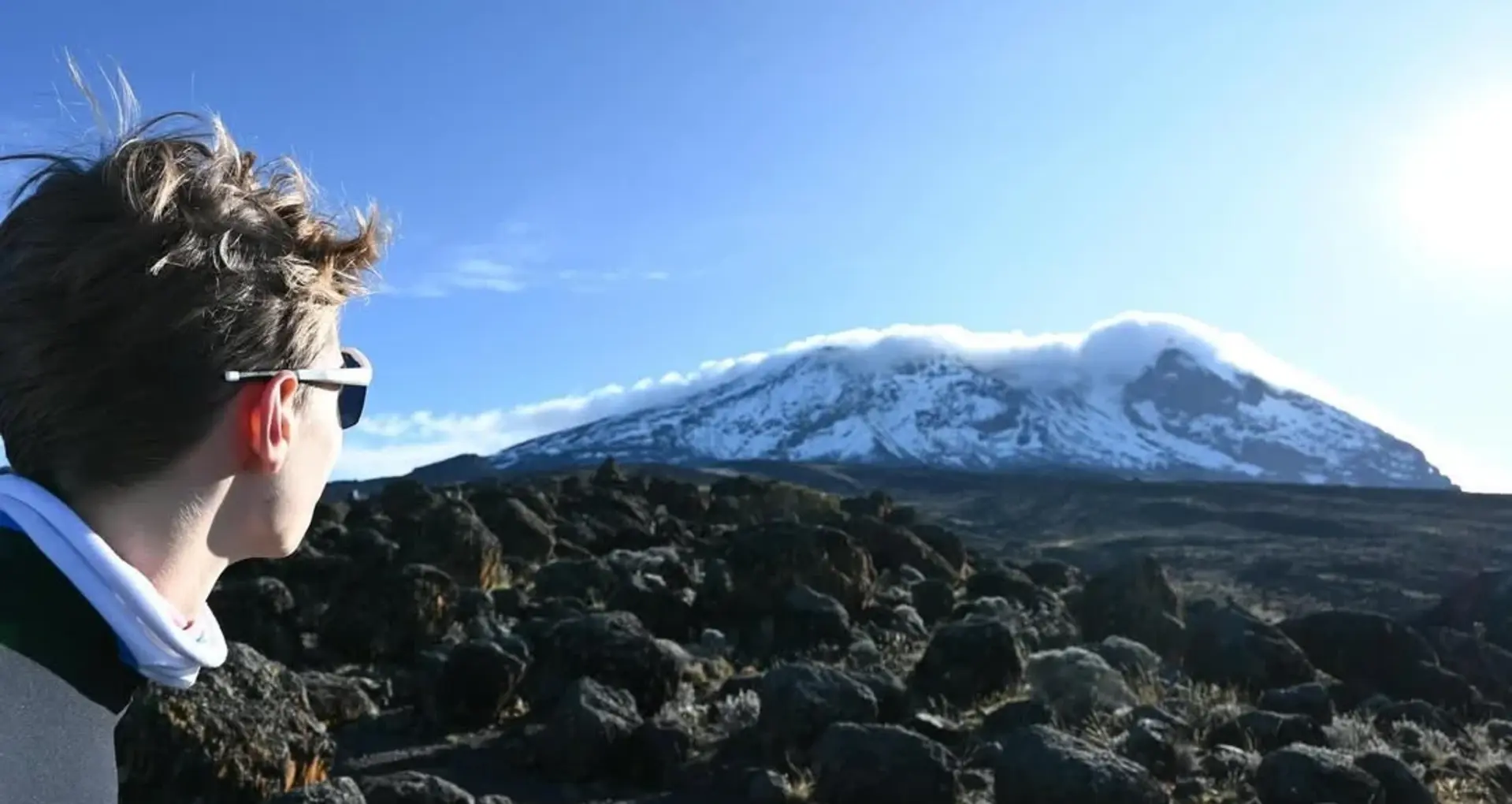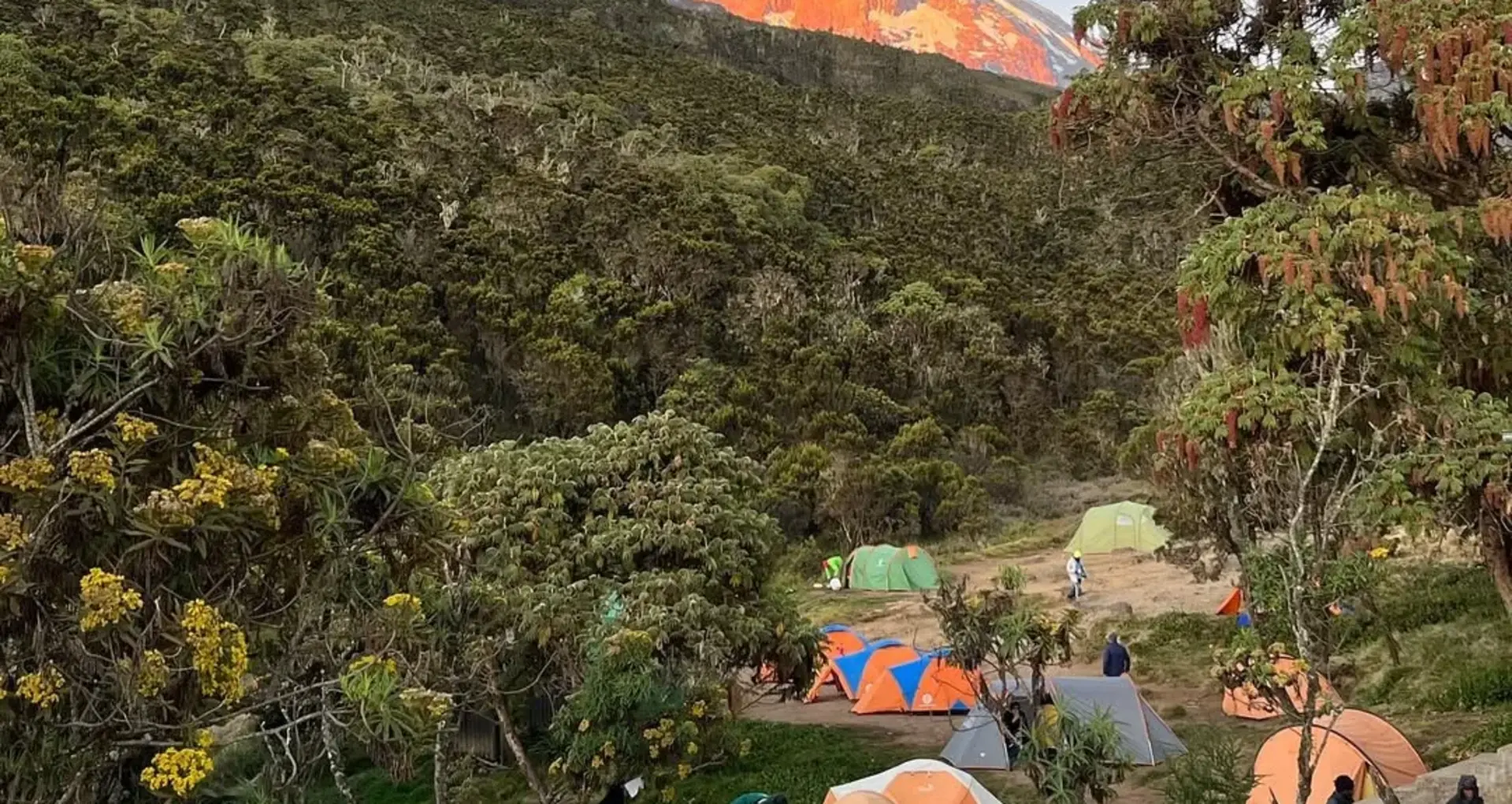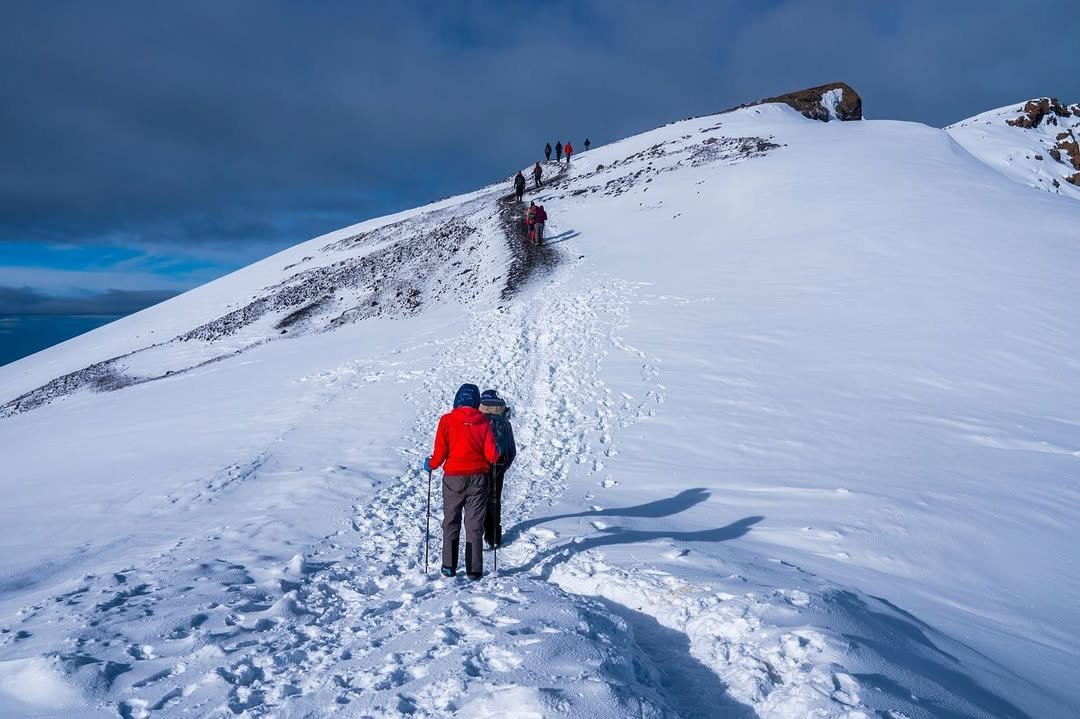
Embarking on a journey to conquer Africa’s highest peak, Mount Kilimanjaro, is an extraordinary adventure that attracts thrill-seekers and nature lovers from around the world. Known for its breathtaking landscapes, diverse ecosystems, and iconic summit, Kilimanjaro offers an accessible yet challenging experience. But how safe is climbing Kilimanjaro? At Kilisherpas Travel, we believe that with proper preparation, informed decision-making, and expert guidance, your Kilimanjaro ascent can be both safe and unforgettable. In this comprehensive guide, we’ll explore the risks involved, safety measures, and essential tips to ensure your adventure remains secure and enjoyable.
Understanding the Risks of Climbing Kilimanjaro
While Kilimanjaro is often regarded as one of the less technically demanding high-altitude climbs, it still presents inherent dangers that require awareness and preparation. The main risks include altitude sickness, accidents, unpredictable weather, and rockfalls. Let’s delve into each to understand how they impact your safety.
1. Altitude Sickness: The Biggest Challenge
Why It Matters:
Altitude sickness is the leading cause of climbers turning back before reaching the summit. On Kilimanjaro, at 19,341 feet (5,895 meters), the thin air means less oxygen, which can affect anyone regardless of fitness level.
Key Facts & Prevention Tips:
Approximately two out of three climbers experience some form of altitude sickness.
The most common symptom is acute mountain sickness (AMS), characterised by headaches, dizziness, and shortness of breath.
Severe cases can lead to high-altitude cerebral oedema (HACE) or high-altitude pulmonary oedema (HAPE), both potentially fatal if not addressed promptly.
Preparation & Safety Measures:
Prioritise acclimatisation:
Choose routes that take at least eight days, allowing gradual ascent and "hiking high, sleeping low".
Consult your doctor about altitude training and medications like Diamox to aid acclimatisation.
Follow the guidance of experienced, certified mountain guides who monitor your health daily using pulse oximeters and symptom checklists.
Recognise early warning signs and communicate with your guides immediately if symptoms worsen.
2. Accidents & Emergency Situations
Potential Hazards:
Twisted ankles or falls on uneven terrain.
Medical emergencies such as heart attacks or dehydration.
In remote areas, quick access to medical facilities can be limited.
Safety Protocols:
Always trek with reputable tour operators like Kilisherpas Travel, which emphasise safety standards.
Carry comprehensive trekker’s insurance covering high-altitude rescue and helicopter evacuations.
Follow all safety instructions from your guides, especially on technical sections like the Barranco Wall or Western Breach routes.
3. Weather & Environmental Challenges
Unpredictable Conditions:
Kilimanjaro’s microclimates can bring sudden temperature drops, strong winds, snow, and rain, sometimes without warning.
Gear & Clothing Tips:
Dress in layers:
moisture-wicking base layers, insulating mid-layers, and waterproof outer shells.
Protect yourself from frostbite and hypothermia with gloves, warm socks, and face coverings.
Use sunscreen and sunglasses to shield against UV rays reflected by snow and ice.
4. Rockfalls & Trail Hazards
Risks & Routes:
While Kilimanjaro lacks the dangerous crevasses of glaciers, certain routes like the Western Breach pose rockfall risks.
Safety Tips:
Stick to well-established paths and avoid routes with known hazards.
Always listen to your guides’ instructions and avoid risky scrambling or off-trail wandering.
Be cautious around drop-offs and unstable terrain.
Additional Safety Considerations
Health & Hygiene:
Maintain good hygiene to prevent stomach bugs, which can be debilitating on the mountain.
Avoid risky foods and contaminated water sources before and during your trek.
Ensure your vaccinations are up-to-date, and consider malaria prophylaxis if traveling in surrounding regions.
Travel Insurance & Emergency Support:
Verify that your insurance covers high-altitude trekking and helicopter rescue.
Kilisherpas Travel works with trusted rescue partners to provide swift evacuation if necessary.
Conclusion: Is Climbing Kilimanjaro Dangerous?
In summary, climbing Kilimanjaro is relatively safe when proper precautions are taken. The death rate remains low, at approximately 10 fatalities per year, mostly due to altitude-related issues that are preventable with careful planning and expert guidance. The key to a safe ascent lies in choosing reputable tour operators, preparing physically and mentally, listening closely to your guides, and respecting the mountain’s conditions.
At Kilisherpas Travel, we are committed to providing experienced guides, comprehensive safety protocols, and personalised support to ensure your Kilimanjaro adventure is not only magical but also secure. Ready to take on the challenge? Contact our friendly team today and start planning your life-changing journey to Africa’s rooftop.