10 Fascinating Facts About Mount Kilimanjaro: Africa’s Highest Peak
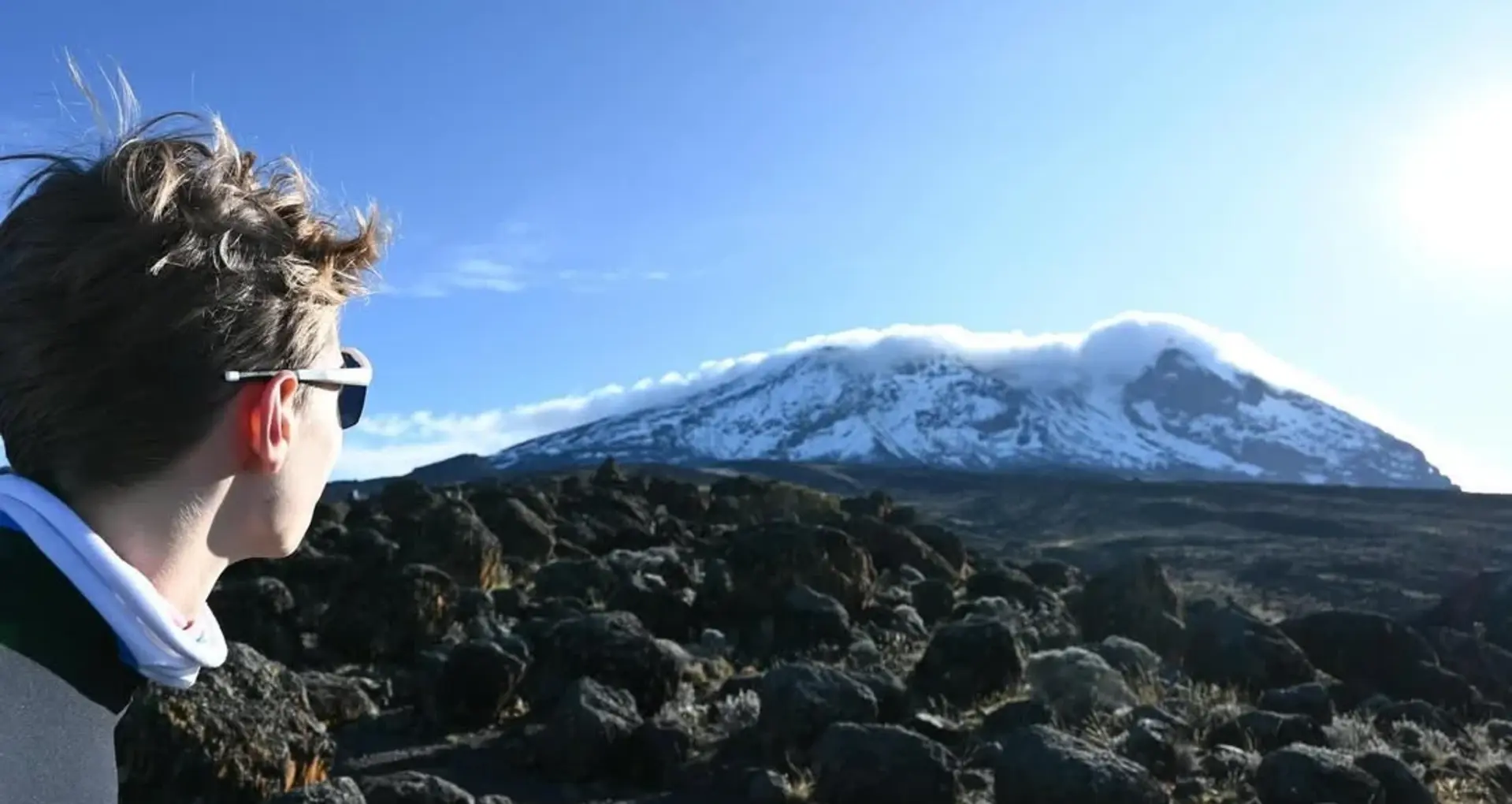
Mount Kilimanjaro, often called Africa’s “Roof of Africa", is a marvel of nature and a bucket-list destination for adventurers worldwide. As the highest free-standing mountain in the world, Kilimanjaro offers a unique blend of geological wonder, rich biodiversity, and cultural history. Whether you’re an avid climber or a curious traveller, discovering intriguing facts about Kilimanjaro enhances your appreciation for this iconic mountain. Join us at Kilisherpas Travel as we explore ten captivating facts about Mount Kilimanjaro that will inspire your next adventure.
Fact 1: Kilimanjaro Is One of the Seven Summits
The Seven Summits are the highest mountains on each continent, representing the ultimate challenge for mountaineers. Kilimanjaro holds the title as Africa’s tallest peak and is part of this elite list. Interestingly, the list often includes nine mountains due to varying definitions of continental boundaries—such as Mount Elbrus in Europe and Mount Kosciuszko in Australia. Key Point: Kilimanjaro is the tallest mountain in Africa at 5,895 meters (19,341 feet) and a coveted goal for climbers aiming to complete the Seven Summits.
Fact 2: Kilimanjaro Is a Triple Volcano
Many assume Kilimanjaro is a single mountain, but it’s actually a massive volcanic massif formed by three active and dormant volcanoes: Kibo, Mawenzi, and Shira. Formation Process:
Shira: The oldest, over 2 million years old, now a collapsed caldera known as the Shira Plateau.
Mawenzi: About 1 million years old, with jagged peaks that require technical climbing skills.
Kibo: The youngest and highest, formed just over 500,000 years ago, and home to Uhuru Peak, the summit.
Tip: The complex volcanic history is part of what makes Kilimanjaro so geologically fascinating.
Fact 3: Multiple Routes Lead to the Summit
Climbers have several routes to choose from when ascending Kilimanjaro, each offering a unique experience. The most popular routes include the following:
Lemosho: Scenic, less crowded, excellent for acclimatisation.
Marangu: Known as the “Coca-Cola Route", with hut accommodations.
Machame: The "Whisky Route", famous for its diversity of landscapes.
Rongai: The only route from the northern side, offering dry and rain-free weather.
Northern Traverse: The longest, encircling the mountain’s northern slopes.
Umbwe: The shortest and steepest, suited for experienced climbers.
Pro Tip: Longer routes increase acclimatisation success, boosting your chances of reaching the summit.
Fact 4: Kilimanjaro Is the Tallest Freestanding Mountain in the World
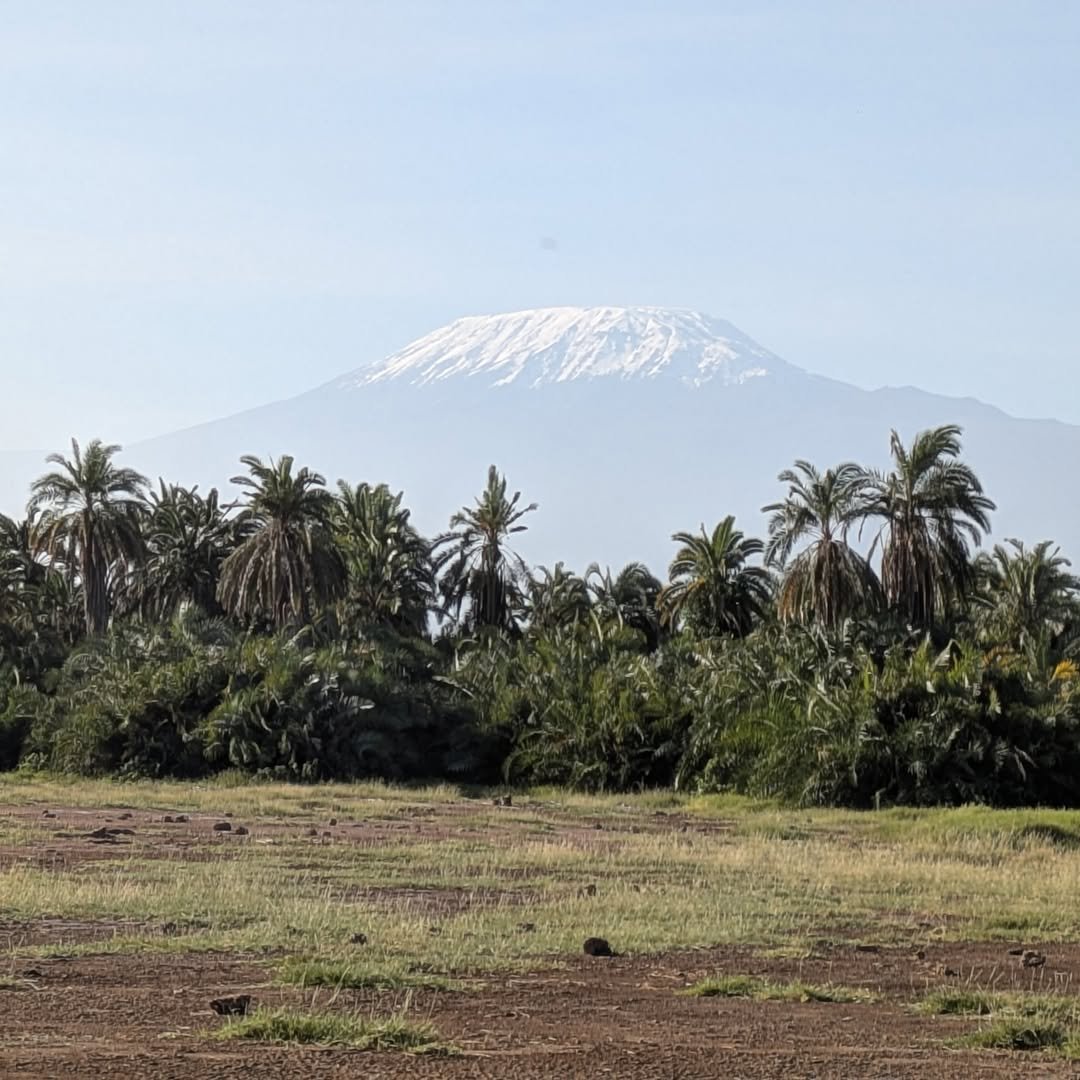
Standing at 5,895 meters, Kilimanjaro's massif is the tallest free-standing mountain globally, meaning it isn’t part of a mountain range.
Comparison:
The Hawaiian Mauna Kea, when measured from its base, exceeds Kilimanjaro’s height but is underwater for part of its length.
Kilimanjaro’s impressive height makes it a symbol of Africa’s natural grandeur and a popular challenge for climbers.
Fact 5: The Name “Kilimanjaro” Remains a Mystery
The origin of the name “Kilimanjaro” is uncertain, with various theories:
Swahili origin: Often translated as “Shining Mountain", referring to its snow-capped summit.
Local languages: Some suggest it derives from words meaning “impossible for a bird” or “the mountain of greatness" in Chaga or Maasai languages.
Historical ambiguity: European explorers in the 19th century struggled to understand the true meaning, adding to the mystery. Insight: Despite the uncertainties, Kilimanjaro’s name evokes awe and wonder.
Fact 6: No Special Mountaineering Gear Is Needed to Climb
Unlike technical peaks like Everest or Denali, Kilimanjaro does not require specialised mountaineering equipment. What You Need:
Proper hiking boots
Warm clothing layers
Trekking poles (optional but recommended)
Personal gear like water bottles, snacks, and a headlamp Organisational Support: Reputable operators like Kilisherpas Travel provide rental equipment, simplifying your preparations. Key Point: With determination and proper acclimatisation, most healthy individuals can reach the summit without technical climbing gear.
Fact 7: The Duration of Climbing Affects Success Rates
The longer your trek, the higher your chances of reaching Uhuru Peak.
Statistics:
7-day routes: ~64% success rate (according to older data).
8-day routes: Up to 85% success rate.Recent Data: Our experience at Kilisherpas Travel shows a success rate of over 93.9% on the 7-day Lemosho route, thanks to better acclimatization, expert guides, and quality support.Tip: Allocate sufficient days for a gradual ascent—your body will thank you!
Fact 8: Record-Breaking Ascent Times
The fastest ascent of Kilimanjaro was achieved in just under 5 hours by Karl Egloff in 2014, using the Umbwe route and running from start to summit.
Other Notable Records:
Simon Mtuy: Completed a round trip in 9 hours and 19 minutes in 2006.
Fastest female: Anne-Marie Flammersfeld reached the top in 8 hours and 32 minutes in 2015. Remark: Speed records are impressive but require exceptional fitness and experience.
Fact 9: The Mountain’s Record-Breaking Elder Climber
In 2015, Angela Vorobyeva, aged 86, summited Kilimanjaro, becoming one of the oldest women to do so.
Additional Record:
Anne Lorimor: Reached the summit at age 89 in 2019, also with supplemental oxygen. Inspiration: These extraordinary stories highlight that age is just a number when it comes to adventure.
Fact 10: Kilimanjaro Is a Sanctuary for Unique Plants
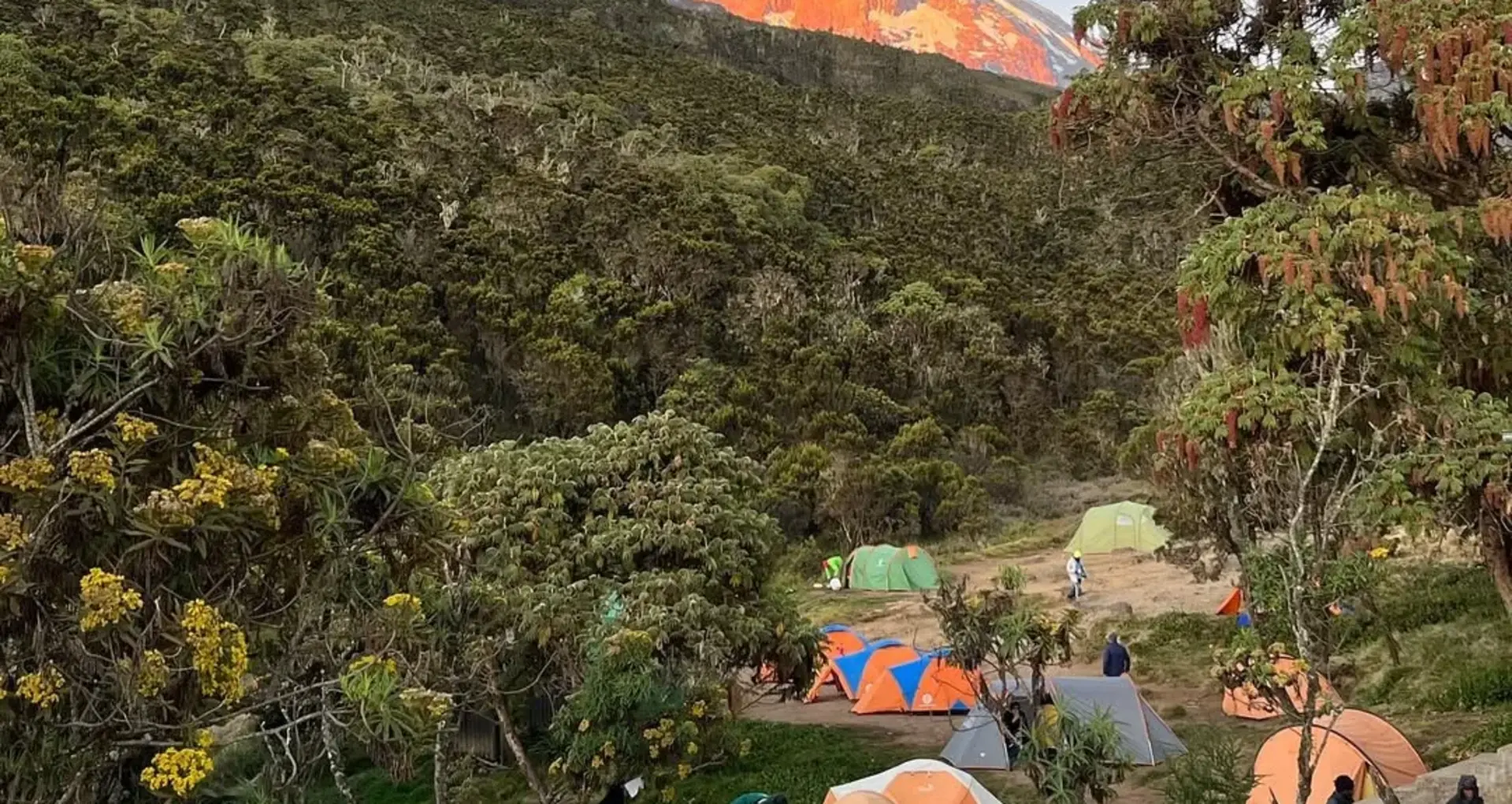
Kilimanjaro hosts over 2,500 plant species, many endemic to the region. Notable Flora:
The Dendrosenecio kilimanjari, a giant groundsel resembling a “giant candelabra", growing up to 10 meters tall.
Other endemic species are found at high elevations, adapted to survive extreme conditions, such as frost and drought. Ecological Importance: These plants are vital for local biodiversity and act as indicators of climate change impacts.
Conclusion
Mount Kilimanjaro is more than just Africa’s highest peak; it’s a symbol of natural beauty, geological complexity, and human resilience. Its diverse routes, fascinating history, and unique ecosystems make it a must-visit destination for adventurers and nature lovers alike. Whether you aim for a record-breaking speed ascent or a slow, acclimatised journey, Kilimanjaro promises an experience of a lifetime.
At Kilisherpas Travel, we’re passionate about helping you conquer this majestic mountain responsibly, sustainably, and safely. Ready to start your Kilimanjaro adventure? Contact us today and let’s make it happen!