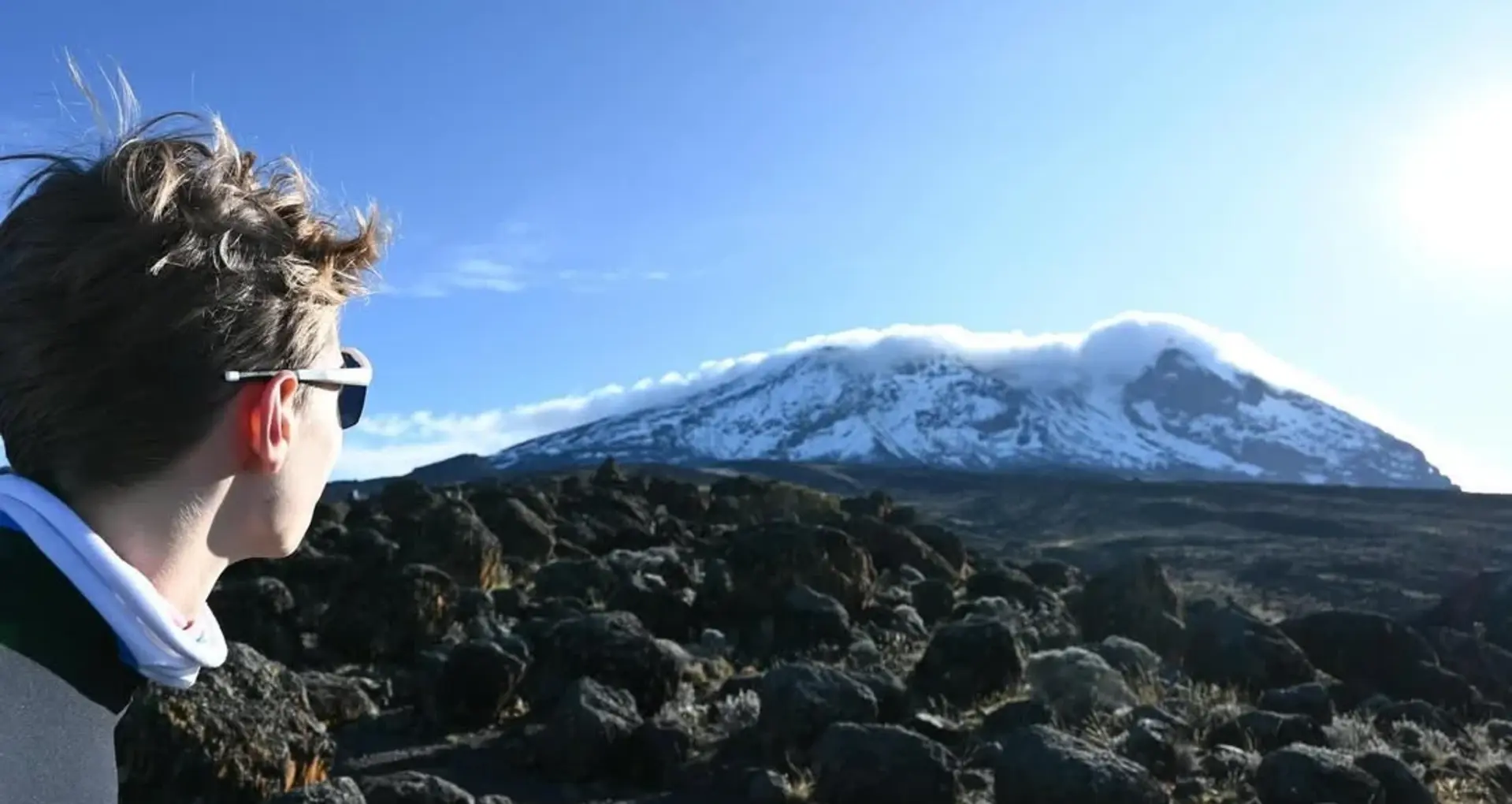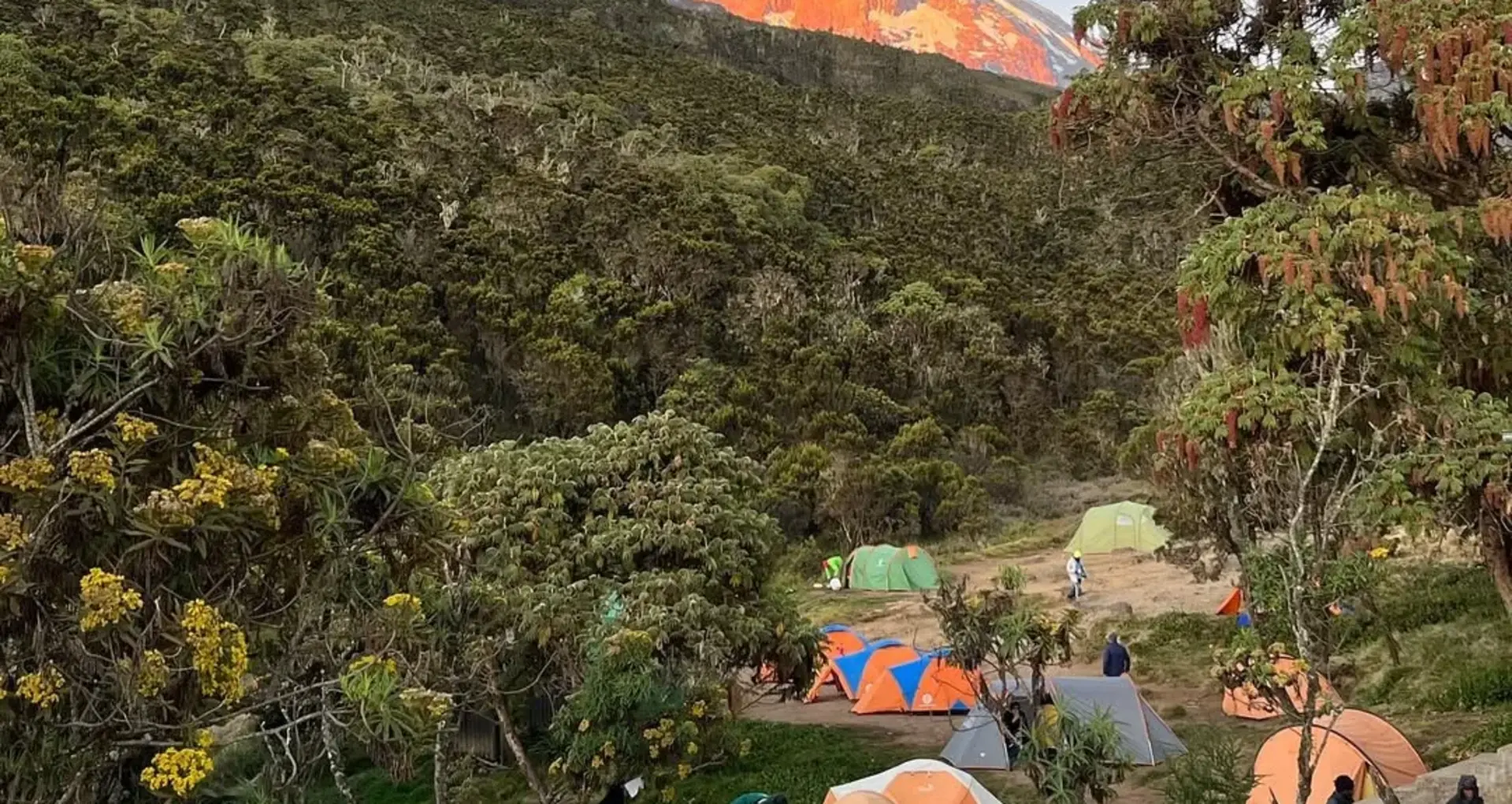
Climbing Mount Kilimanjaro is an extraordinary adventure, but safety remains our top priority at Kilisherpas Travel. With nearly a decade of experience leading successful expeditions, we go above and beyond to ensure every climber’s well-being. Central to our safety protocols are our meticulously prepared first aid kits, equipped with everything needed to handle emergencies in the mountain’s challenging environment. In this article, we reveal the behind-the-scenes efforts, safety standards, and expert procedures that make Kilisherpas Travel a leader in mountain expedition safety.
Commitment to Safety on Kilimanjaro
Why Safety Is Non-Negotiable
At Kilisherpas Travel, safety isn’t just a priority—it’s our core value. With extensive experience organising Kilimanjaro expeditions, we’ve developed rigorous safety procedures tailored to climbers of all ages and health conditions, including those with special needs. Over the years, we’re proud to report not a single serious emergency, thanks to our proactive safety measures.
Expert Medical Staff and Training
Our team comprises licensed mountain guides trained in mountain medicine, with Wilderness First Responder certifications. They undergo regular first aid training and assessments to stay current with the latest protocols. Each guide is equipped to handle common mountain emergencies, including altitude sickness, injuries, and other health issues.
Essential Equipment and Oxygen Systems
A strict rule at Kilisherpas Travel is that every expedition must carry fully stocked oxygen systems and first aid kits. These are checked and restocked days before departure, ensuring readiness for any unforeseen situation.
Inside Our First Aid Kits
Dedicated Medical Oversight
A specialised medical professional oversees all preparations, verifying medication supplies and managing oxygen systems. Each kit is thoroughly inspected, restocked, and sealed, with expiration dates checked to guarantee medication efficacy.
Types of First Aid Kits
Our guides carry two types of kits:
Camping First Aid Kit:
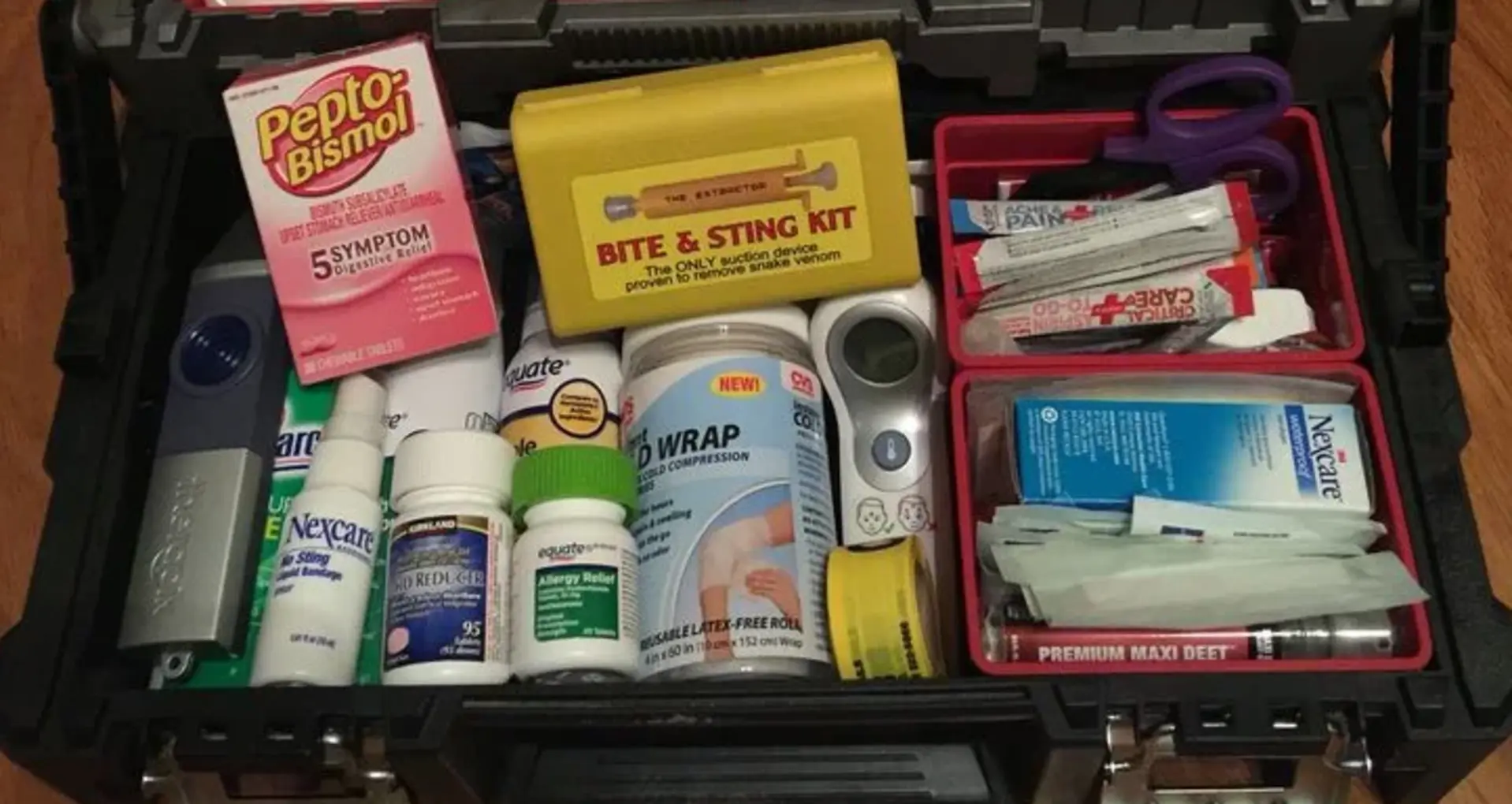
A comprehensive, stationary kit stored at the camp, used during daily medical checks and as a backup. It functions as a portable medical station, containing a wide array of medications and equipment for immediate response to injuries or health issues affecting any group member or staff.
Tactical First Aid Kit:
A smaller, portable kit carried by each guide. It contains essential medications and supplies for emergencies during hikes or remote segments, ensuring rapid response on the trail.
Contents of Our First Aid Kits
The Camping First Aid Kit
Our extensive camping kit is designed to handle most emergencies, with items including:
Tourniquet for severe bleeding control
Medical scissors, gloves, and bandage scissors
Hemostatic dressings for superficial bleeding
Sterile gauze, cotton swabs, disinfectant swabs, and adhesive tapes
Elastic bandages and splints for immobilisation
Hydrogen peroxide, iodine solution, and antibacterial plasters
Blood pressure monitor (sphygmomanometer)
Foot protection: moleskins and blister pads
Additional critical items:
Pulse oximeters to measure blood oxygen saturation levels
Stethoscope for pulse and heart rate monitoring
Portable oxygen cylinders for hypoxia management
Ambu bag for artificial ventilation
Medications for altitude sickness and emergencies, including:
Nifedipine (for pulmonary oedema)
Dexamethasone (for cerebral oedema)
Acetazolamide (Diamox) for altitude sickness prevention and treatment
The Tactical First Aid Kit
The smaller, guide-carried kit includes essential medications for immediate emergencies:
Gloves, tourniquets, gauze, and scissors
Medications for high-altitude pulmonary and cerebral edema (Nifedipine, dexamethasone)
Pain relievers (Ibuprofen, paracetamol)
Antibiotics (Doxycycline)
Emergency oxygen and ventilation equipment
An adrenaline auto-injector (EpiPen) for allergic reactions
Additional medications like anti-inflammatory creams and anti-diarrheal drugs
Medications for High-Altitude Emergencies
Our first aid kits include key medications recommended by the Centers for Disease Control and Prevention (CDC):
Nifedipine: Treats high-altitude pulmonary edema (HAPE)
Dexamethasone: Addresses high-altitude cerebral edema (HACE) and severe mountain sickness
Acetazolamide (Diamox): Prevents and treats altitude sickness
We strongly recommend climbers consider taking Diamox as a preventive measure, following expert guidance. Our guides are trained to administer these medications appropriately, ensuring rapid response to altitude-related health issues.
Our Proven Safety Record
With nearly 7 years of organising Kilimanjaro expeditions, our meticulous preparation, experienced guides, and comprehensive first aid protocols have resulted in a remarkably high safety record. Serious health issues are rare, and our proactive approach helps prevent emergencies before they escalate.
Our Commitment to Continuous Improvement
We regularly review and update our safety procedures, conduct training sessions, and inspect all medical equipment to ensure optimal performance. Our goal is to create a safe, enjoyable experience for every climber.
Your Responsibility and Our Promise
While we provide top-tier medical support, climbers are also responsible for their health. We advise all participants to disclose any medical conditions and follow our safety guidelines strictly. Remember, high-altitude trekking involves inherent risks, and sometimes the safest decision is to descend if your health is compromised.
Trust Kilisherpas Travel
When you choose Kilisherpas Travel, you place your safety in the hands of professionals committed to your well-being. Our comprehensive medical preparedness is unmatched, ensuring you can focus on conquering the mountain with confidence.
Conclusion:
Safety is the foundation of every Kilisherpas Travel expedition. From our meticulously stocked first aid kits to our highly trained guides, we prioritise your health and peace of mind. Prepare responsibly, trust our expertise, and enjoy a safe journey to the summit of Kilimanjaro.