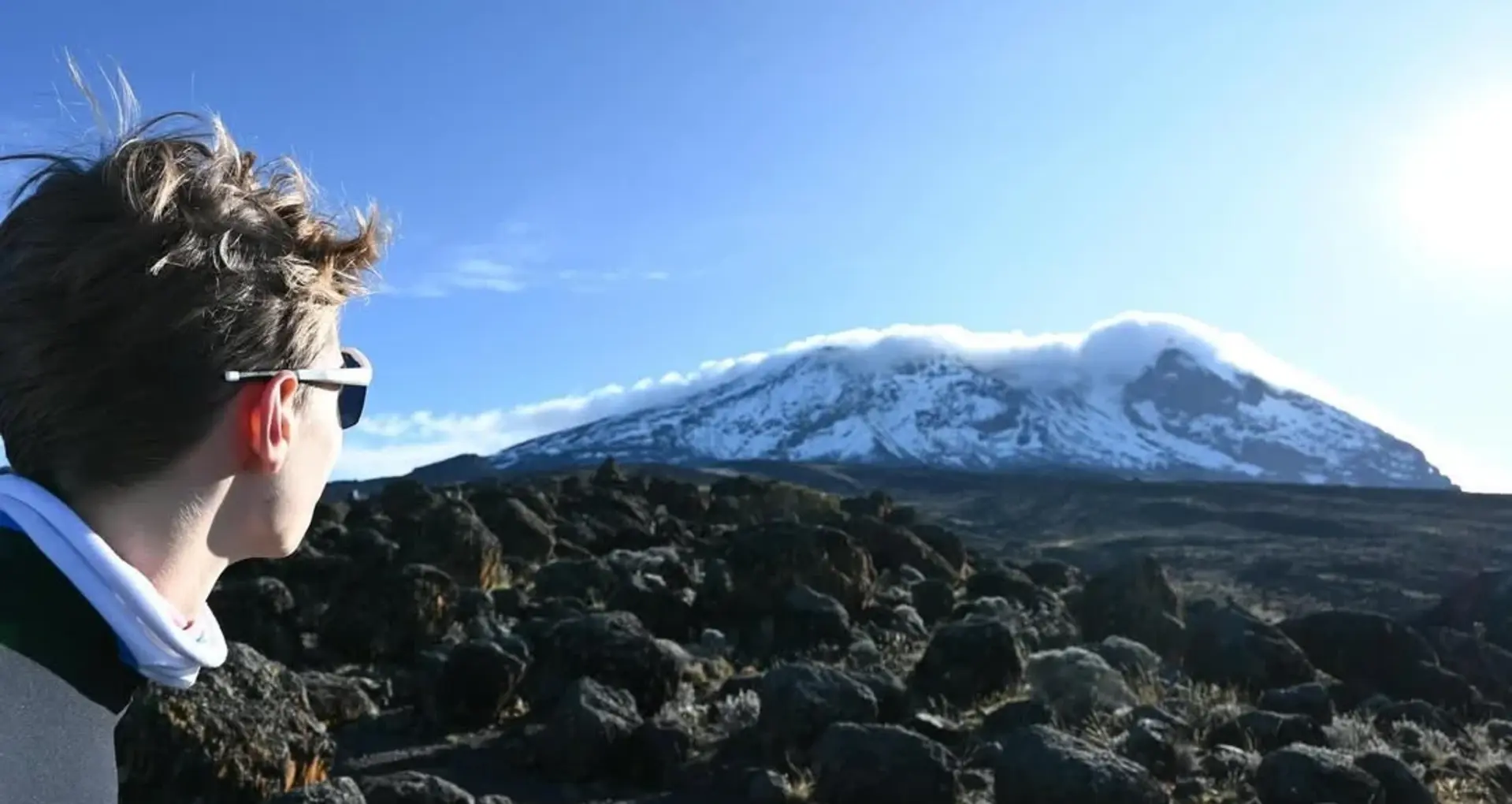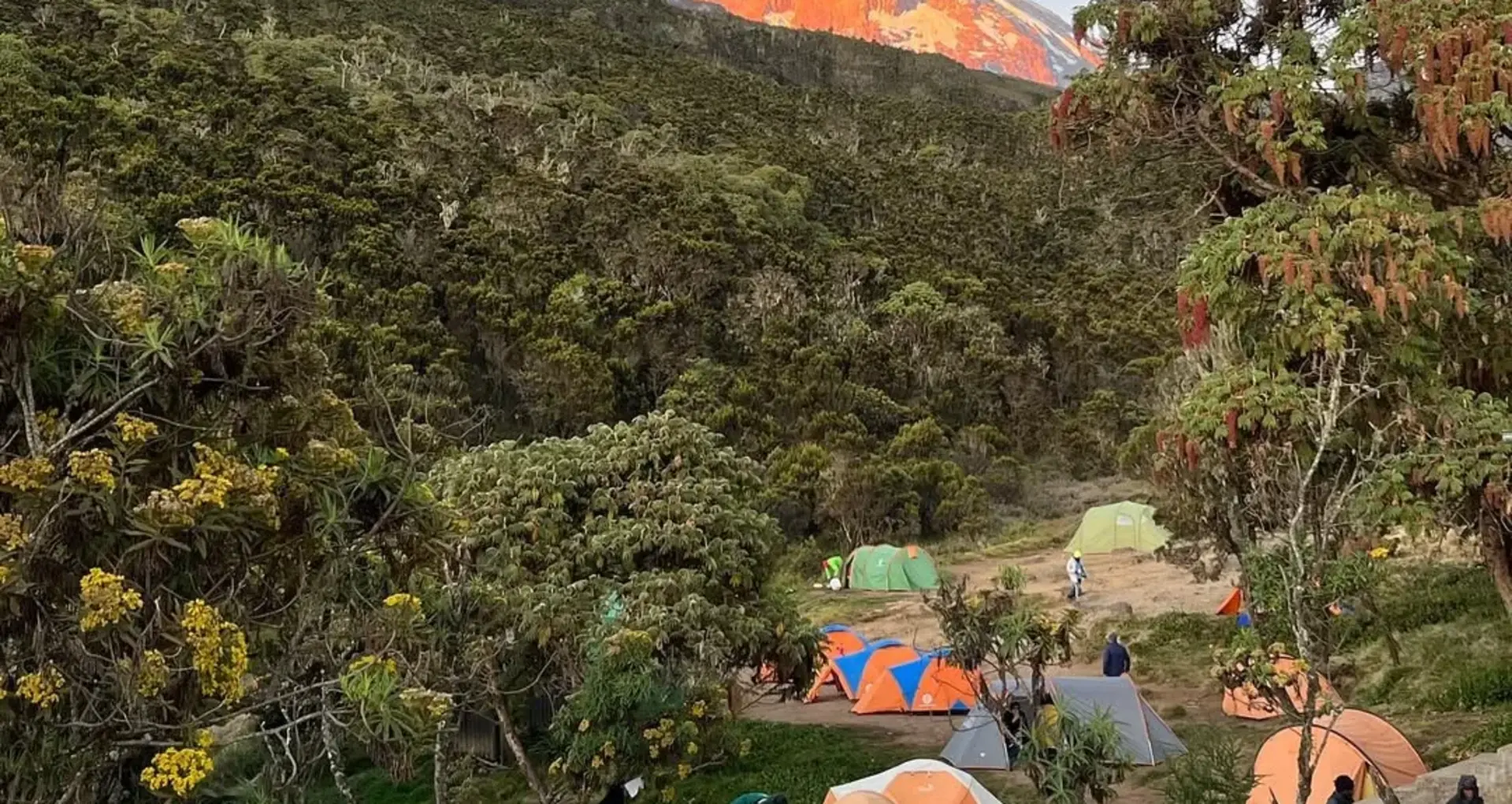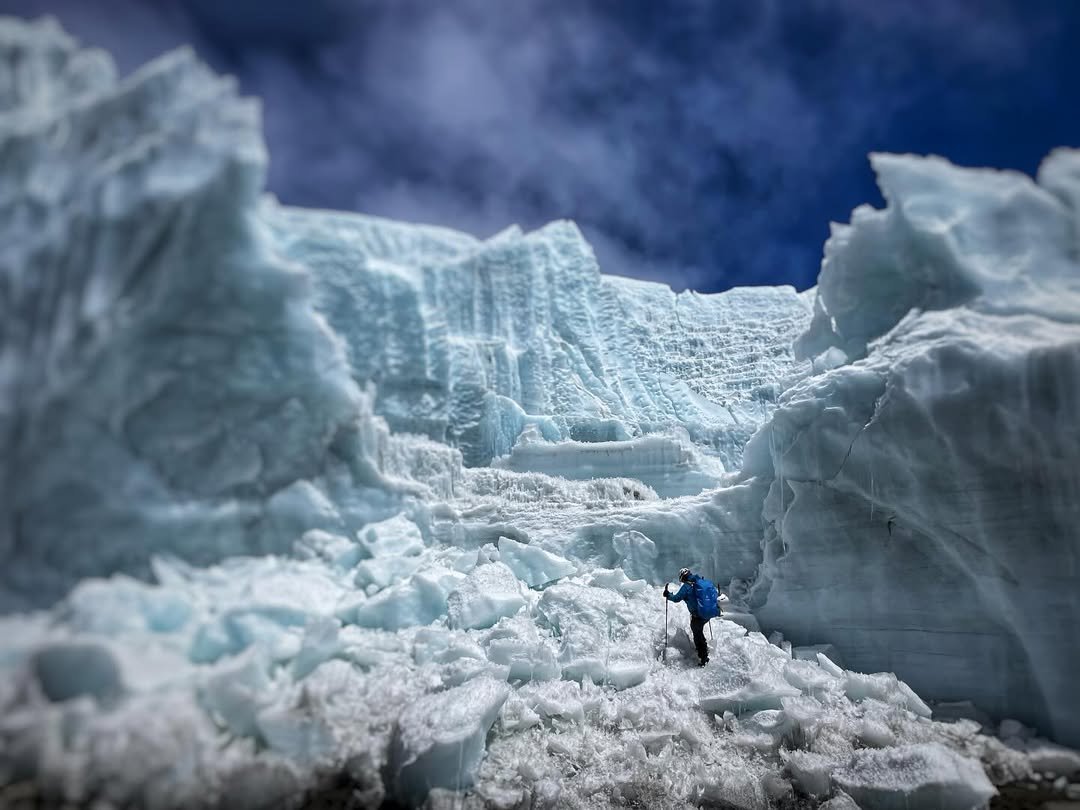
Mount Kilimanjaro, Africa’s highest peak, is renowned not only for its breathtaking summit but also for its unique tropical glaciers, an extraordinary phenomenon at the equator. These glaciers, including the famed Furtwängler Glacier, are a fragile and fleeting part of Kilimanjaro’s natural beauty. Unfortunately, due to climate change, these ancient ice formations are rapidly disappearing, serving as a stark reminder of our planet’s warming trends.
At Kilisherpas Travel, we believe in raising awareness about the importance of preserving these natural wonders. Join us as we explore Kilimanjaro’s glaciers: what they are, their alarming decline, and why they matter to the world.
What Are Kilimanjaro’s Glaciers?
Glaciers are large masses of ice formed over thousands of years through the accumulation and compaction of snow. While most think of polar regions, some glaciers exist in tropical mountain environments; they are known as 'tropical glaciers'. Kilimanjaro is home to the largest and most numerous tropical glaciers in Africa, perched high on the mountain’s summit region.
Key Facts
Estimated age: Approximately 11,700 years old, based on studies of the Northern Ice Field.
Vulnerable zones: Some areas have experienced melting and refreezing, estimated to be around 800 years old.
Size over time:
1976: The Furtwängler Glacier covered about 113,000 square meters (1,220,000 sq ft).
2000: Reduced to roughly 11,000 square meters (120,000 sq ft).
2011: Estimated that 85% of Furtwängler Glacier had melted.
Since 1912, over 80% of Kilimanjaro’s ice cover has vanished, with projections suggesting that all glaciers could disappear between 2030 and 2060.
The Melting of Kilimanjaro’s Glaciers: The Evidence
Mapping and satellite data have chronologically documented the rapid retreat of Kilimanjaro’s glaciers:
Early 1900s: Glaciers covered significant areas atop the mountain.
1912-1953: Ice cover decreased at an average rate of about 1% annually.
1989-2007: The rate of melting accelerated to approximately 2.5% per year.
Recent data: Satellite images confirm that over 85% of the ice has disappeared since 1912, with over 90% loss since 2003.
NASA’s Earth Observatory highlights that "all ice bodies on Kilimanjaro have retreated drastically" over the past century, with no sign of slowing down.
Why Are Kilimanjaro’s Glaciers Disappearing?
Kilimanjaro’s glaciers are a natural anomaly, tropical glaciers sustained over millennia by the mountain’s elevation and local climatic conditions. However, their vulnerability stems from several factors:
High Solar Radiation: Being near the equator, Kilimanjaro’s glaciers are exposed to intense sunlight, accelerating sublimation, the direct transition of ice into vapour.
Climate Change: Rising global temperatures lead to increased sublimation and melting, disrupting the glaciers’ delicate balance.
Changing Weather Patterns: Reduced snowfall and increased dry periods prevent glacier replenishment, hastening their decline.
Sublimation vs. Melting: Unlike polar glaciers, Kilimanjaro’s ice often sublimates directly into vapour, making recovery virtually impossible.
The rapid rate of ice loss in recent decades is primarily attributed to anthropogenic climate change, emphasising the urgent need for global action.
The Future of Kilimanjaro’s Glaciers
The consensus among scientists is sobering: Kilimanjaro’s glaciers are on track for complete disappearance within the next few decades. The projected timeline ranges from 2030 to 2060, with some estimates even predicting earlier extinction.
This loss not only diminishes the mountain’s majestic landscape but also impacts local ecosystems, water sources, and tourism. For many local guides and communities, Kilimanjaro’s glaciers are part of their cultural and environmental heritage.
Why It Matters for Travelers
Climbers and tourists visiting Kilimanjaro today have a rare opportunity to witness these glaciers, soon to be a thing of the past. Sharing photographs and raising awareness can contribute to the global conversation on climate change and environmental preservation.
The Call to Action
At Kilisherpas Travel, we encourage responsible tourism. Our commitment extends beyond providing unforgettable experiences; we aim to promote sustainable practices that protect Tanzania’s natural environment. We urge visitors to:
Respect the mountain’s fragile ecosystem.
Share their glacier photos to raise awareness.
Support tour operators committed to eco-friendly practices.
Advocate for global climate action to preserve Kilimanjaro’s glaciers.
Conclusion
The glaciers of Kilimanjaro are a testament to the mountain’s ancient history and fragile beauty. Their rapid melting, driven by climate change, underscores the urgent need for global environmental responsibility. While we cannot halt the inevitable disappearance of these glaciers, we can inspire change through awareness, responsible tourism, and conservation efforts.
Experience the majesty of Kilimanjaro’s glaciers now – before they are gone forever. Join Kilisherpas Travel in witnessing these natural wonders and understanding their significance in our shared planet’s future.