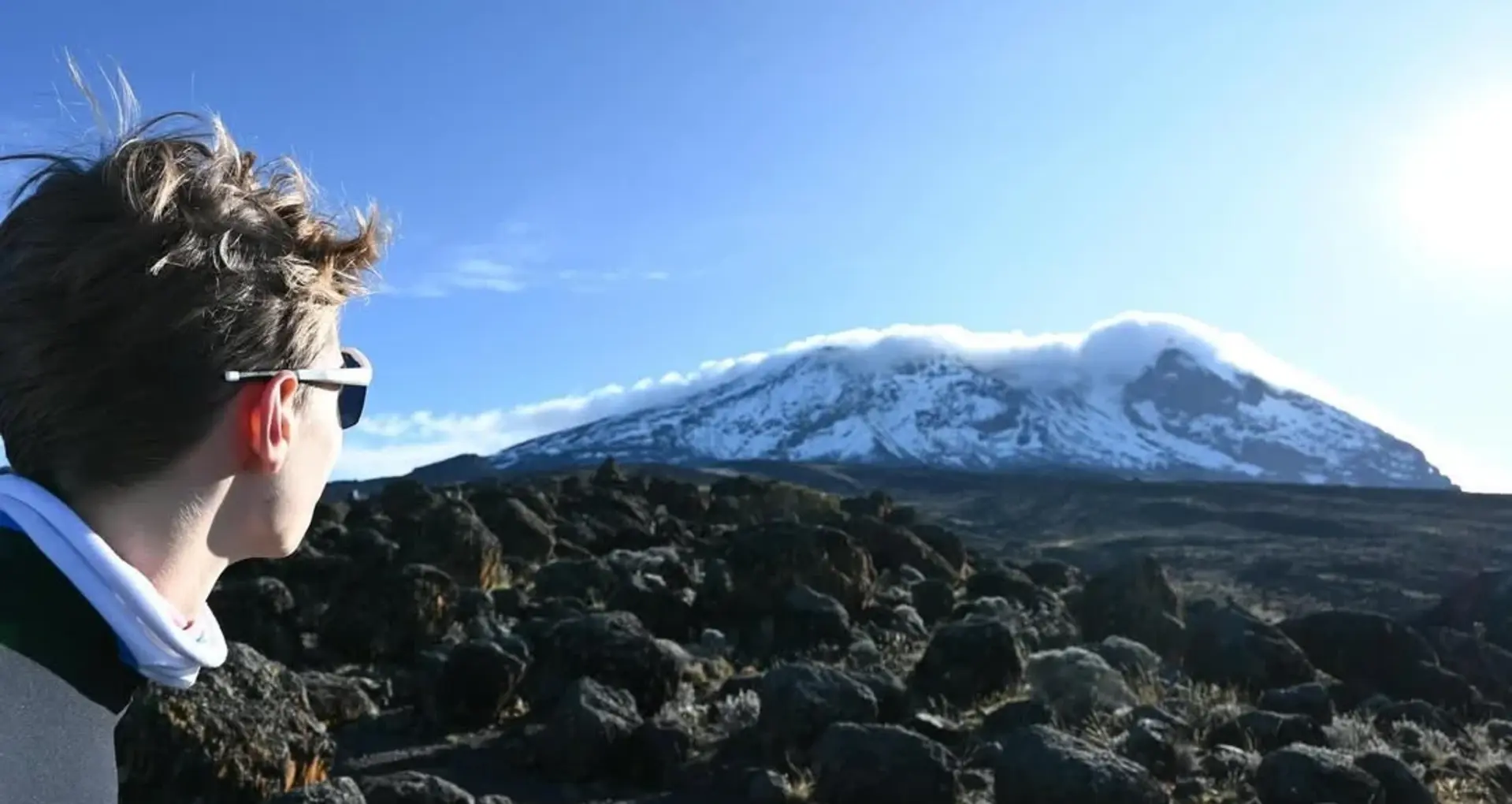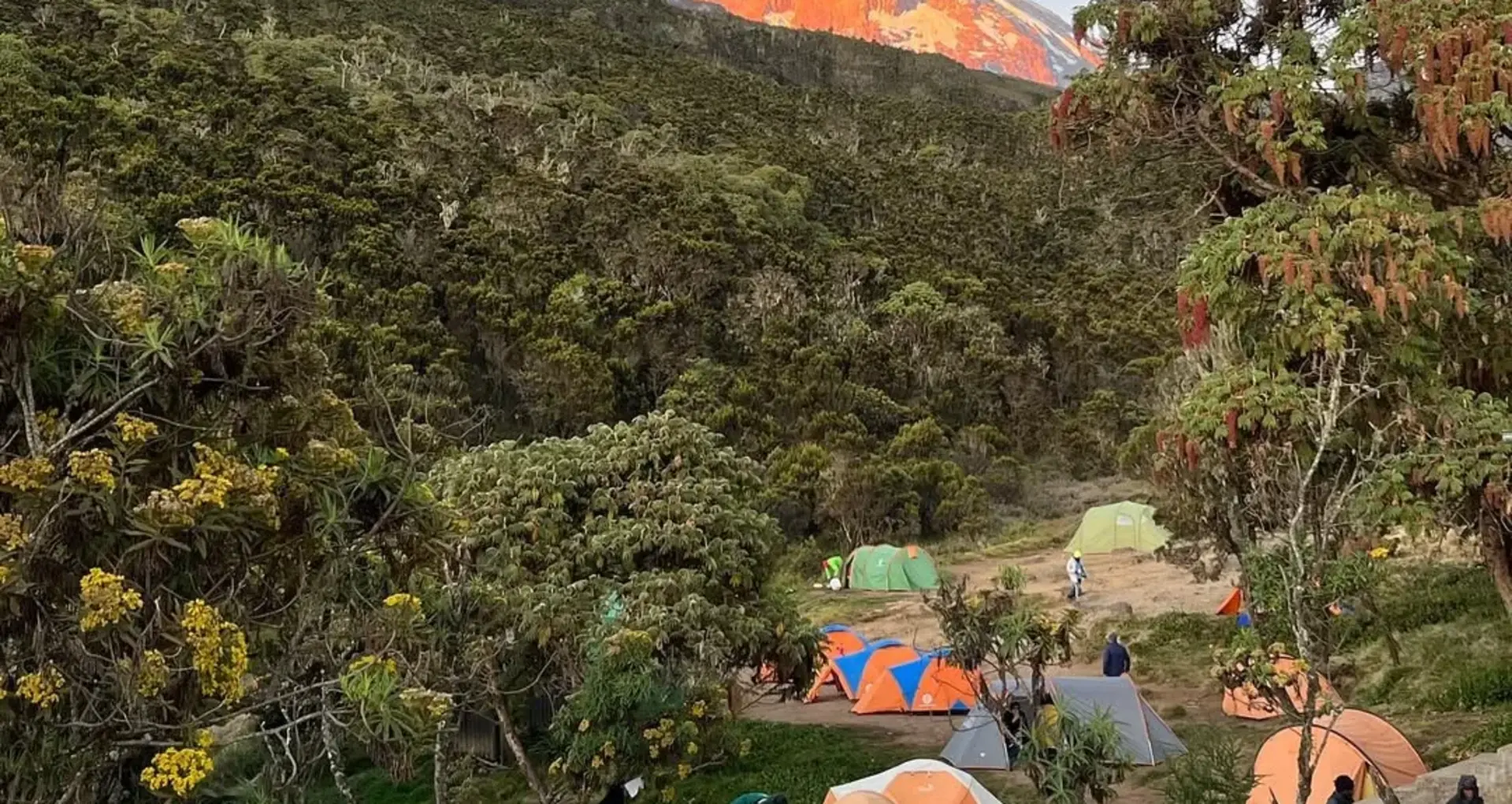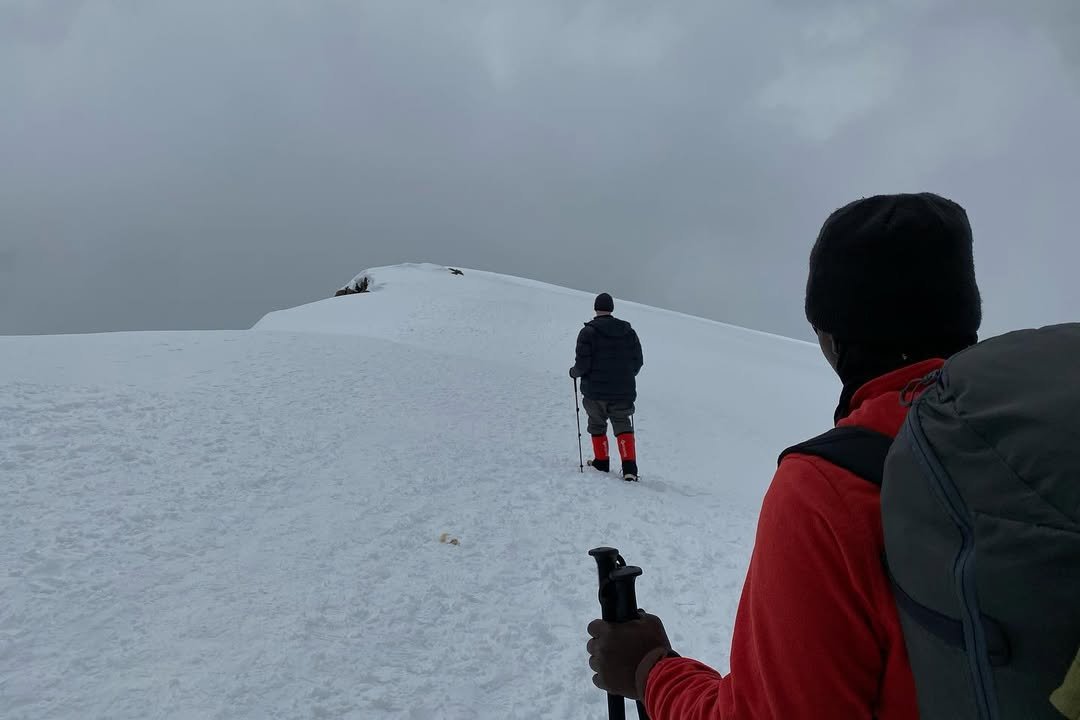
Kilimanjaro’s majestic, snow-capped peak has long been a symbol of awe, adventure, and mystery in the hearts of travellers and writers alike. One of the most iconic literary works inspired by this mountain is Ernest Hemingway’s short story, “The Snows of Kilimanjaro". This compelling narrative delves into themes of regret, lost opportunities, and the fleeting nature of life, set against the backdrop of Africa’s highest mountain. At Kilisherpas Travel, we invite you to explore the deeper meanings behind Hemingway’s story, the spiritual significance of Kilimanjaro’s snow, and what this legendary peak represents for adventurers and dreamers worldwide.
The Story Behind “The Snows of Kilimanjaro”
Published in 1936, Hemingway’s “The Snows of Kilimanjaro” narrates the final moments of a dying writer, Harry, who reflects on his life, missed opportunities, and unfulfilled potential. As Harry lies in the African wilderness, he dreams of reaching the summit of Kilimanjaro, a symbol of aspiration and achievement. The mountain’s snow, in this context, embodies purity, hope, and the possibility of transcendence amid life's hardships.
Themes and Symbols
Fate and Regret: Harry’s regrets mirror the universal human experience of missed chances and unfulfilled dreams.
The Mountain’s Snow: Represents both a literal and metaphorical pinnacle, an ultimate goal or enlightenment remaining elusive for Harry.
African Beauty: Hemingway captures the breathtaking landscape of Tanzania, emphasising how the mountain’s majestic views can cleanse the mind, inspire reflection, and evoke a sense of life's fleeting beauty.
Kilimanjaro’s Snow: More Than a Natural Wonder
Kilimanjaro’s snow-capped summit is one of the most striking features of Africa’s highest peak. Usually visible from miles away, the snow symbolises purity, resilience, and the enduring spirit of adventure. Its presence in Hemingway’s story elevates the mountain from a mere geographic feature to a timeless icon of aspiration.
The Spiritual and Cultural Significance
A Natural Wonder in a Hot Continent: Kilimanjaro’s glaciers and snowfields are a rare sight in Africa, making them a symbol of contrasting cold amidst heat and snow in the heart of the tropics.
A Symbol of Achievement: For climbers, reaching Kilimanjaro’s summit is a personal triumph, embodying perseverance against physical and mental barriers.
Environmental Concerns: In recent decades, climate change has caused significant glacier retreat, turning Kilimanjaro’s snowfields into a poignant reminder of environmental fragility and the urgent need for conservation.
Tips for Travelers
Best Time to Visit: Dry seasons from June to October and December to March offer optimal conditions.
Experiencing the Snow: Even if you don’t climb, viewing Kilimanjaro’s summit from nearby lodges or safaris offers unforgettable vistas.
Respect and Preservation: Support sustainable tourism initiatives to help preserve Kilimanjaro’s natural beauty for future generations.
Why Kilimanjaro Inspires Writers and Adventurers
The mountain’s symbolic power extends beyond Hemingway’s literary masterpiece. It has inspired countless explorers, climbers, and artists to seek their own summits, whether literal or metaphorical. Kilimanjaro’s snow remains a beacon of hope and resilience, encouraging us to pursue our dreams despite obstacles.
Insights for Aspiring Climbers
Prepare Thoroughly: Kilimanjaro’s diverse routes and varying difficulty levels require proper planning and physical conditioning.
Respect Local Cultures: Engage with the Chagga tribe and local guides to enrich your experience and support community-based tourism.
Embrace the Journey: The ascent is a metaphor for life – challenging but rewarding, with moments of awe that stay with you forever.
Conclusion
Kilimanjaro’s snow is much more than a striking natural feature; it’s a symbol of aspiration, purity, and the fleeting beauty of life. Hemingway’s “The Snows of Kilimanjaro” captures this essence perfectly, reminding us of the mountain’s profound significance in both literature and the human spirit. Whether you seek adventure or introspection, Kilimanjaro’s majestic peak invites you to reflect on your own journey and the timeless allure of reaching the summit.