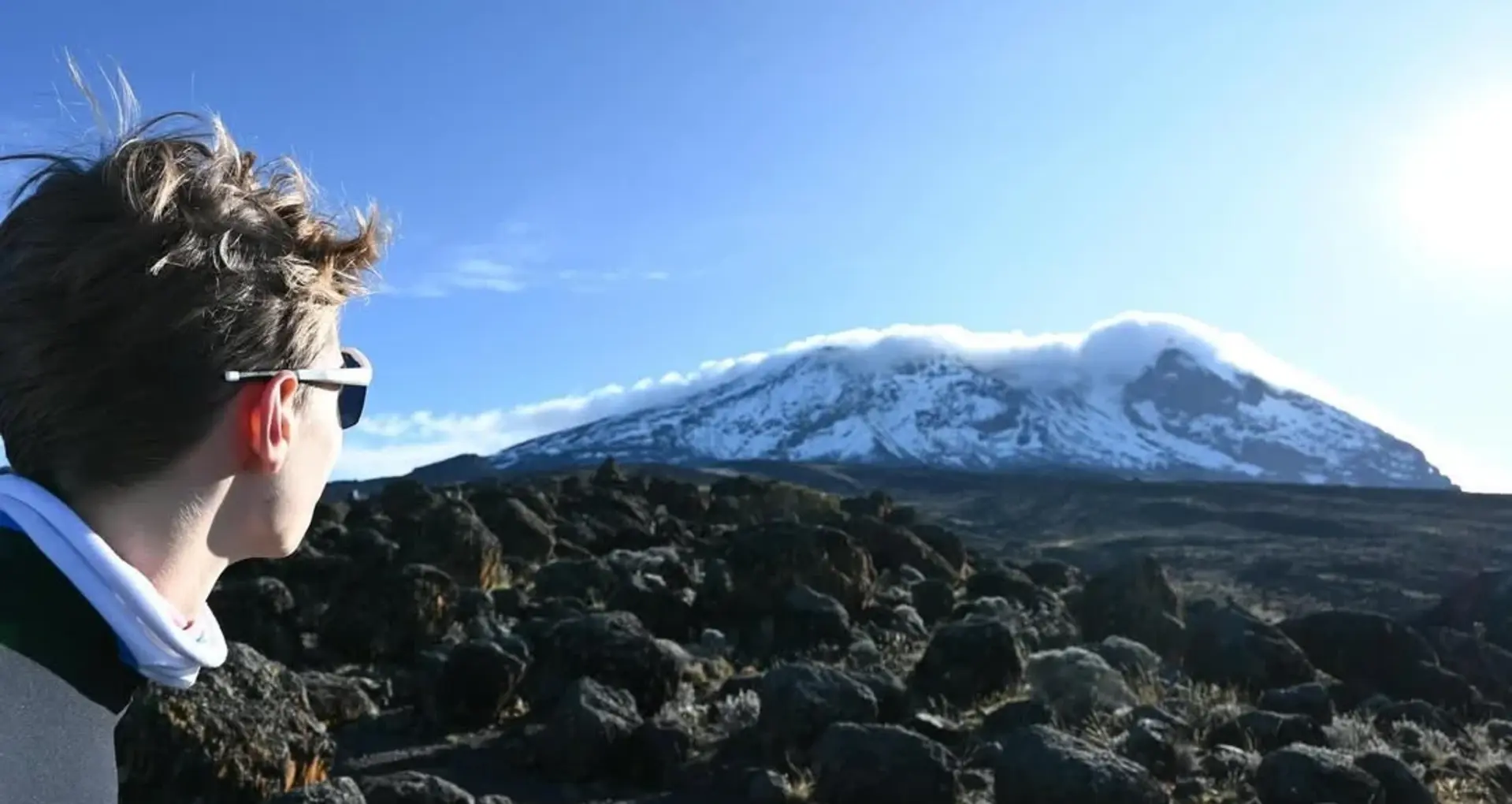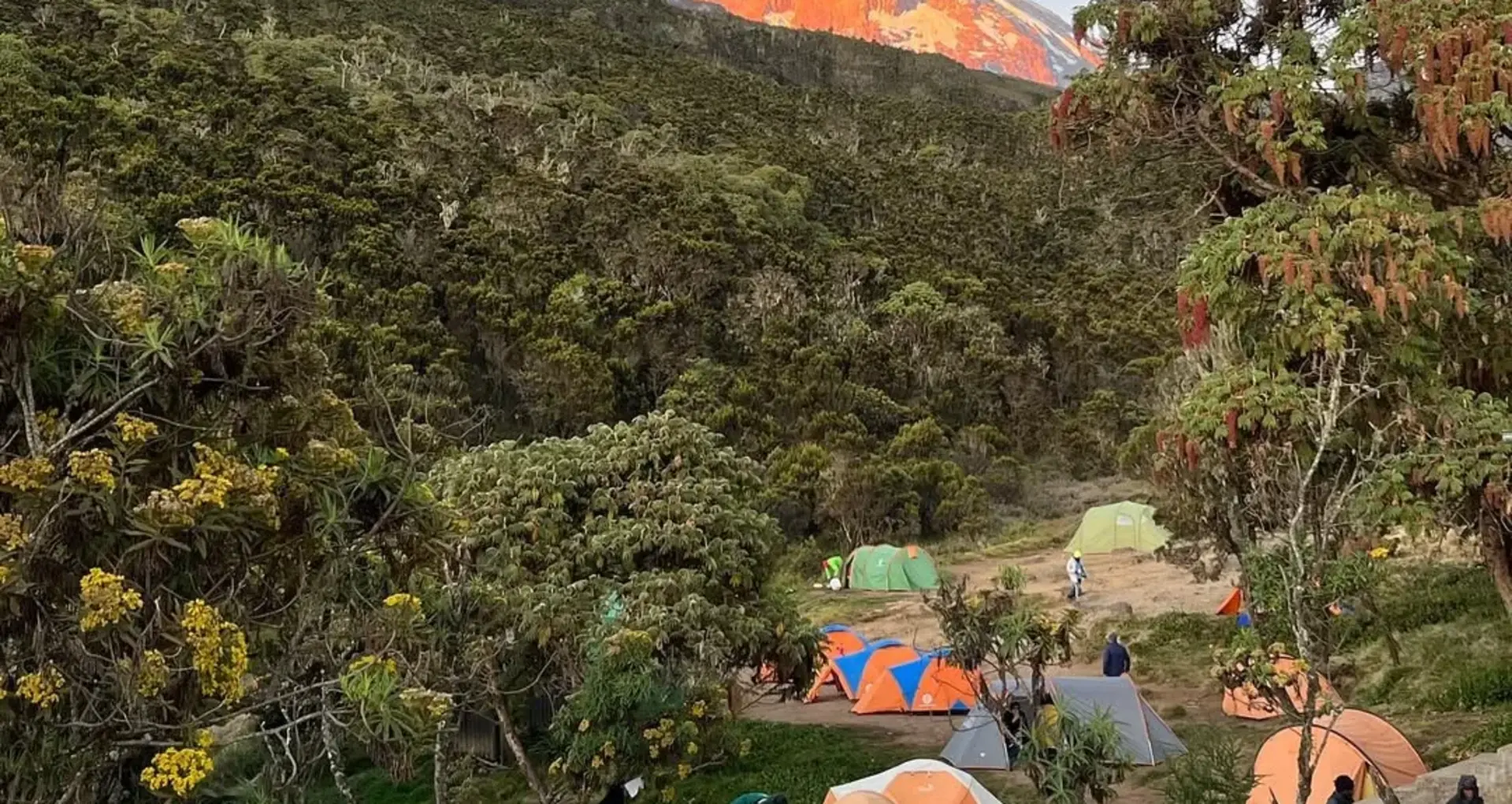
Climbing Mount Kilimanjaro is an extraordinary adventure unlike any other, taking you through a dramatic journey across four distinct climate zones from lush rainforest to icy summit conditions. At 5,895 meters (19,341 feet), Kilimanjaro’s rapid elevation gain exposes trekkers to a wide range of temperatures, weather patterns, and environmental challenges.
At Kilisherpas Travel, we understand the importance of proper preparation, especially when it comes to understanding the mountain’s temperature fluctuations. This comprehensive guide covers everything you need to know about Kilimanjaro’s climate, what to expect at each stage, and how to dress for success.
1. The Impact of Altitude on Temperature and Weather
Oxygen Levels and Cold Sensations
As you ascend Kilimanjaro, oxygen levels decrease significantly; at the summit, oxygen is less than 50% of sea level. Reduced oxygen affects your body's ability to generate heat, often making you feel colder than the actual air temperature. Many climbers report feeling chilled even when the thermometer reads just above freezing. Wind exacerbates this effect, making perceived temperatures feel 10–15°C colder. That’s why proper layering and windproof gear are essential for summit success.
2. Kilimanjaro’s Climate Zones and Temperature Ranges
Zone | Elevation (m) | Daytime Temperatures | Nighttime Temperatures | Conditions |
|---|---|---|---|---|
Rainforest | 1,800–3,000 | 15–27°C (60–80°F) | 7–12°C (44–54°F) | Warm, humid, frequent rain |
Heather & Moorland | 3,000–4,000 | 10–20°C (50–68°F) | 0–5°C (32–41°F) | Cooler, open landscapes, chilly nights |
Alpine Desert | 4,000–5,000 | -2 to 18°C (28–65°F) | -7 to 3°C (20–37°F) | Dry air, strong sun, big temperature swings |
Summit (Arctic Zone) | 5,000–5,895 | -7 to 5°C (20–40°F) | -7 to -20°C (-4 to -4°F, colder windchill) | Freezing, strong winds, icy conditions |
3. How Wind Amplifies Cold Temperatures
The Windchill Effect
Wind significantly amplifies the cold on Kilimanjaro. For example, during some climbs, temperatures have plummeted to -23°C (-10°F). When strong winds—up to 40–50 km/h (25–30 mph)—sweep across exposed ridges and camps, the windchill effect can make it feel up to 20°C colder than the actual air temperature. This is why Kilisherpas Travel emphasizes high-quality, layered gear including windproof jackets and insulated clothing, especially for summit night.
4. Temperatures by Elevation Zone
Rainforest Zone (1,800–3,000 m)
Day: 15–27°C (60–80°F)
Night: 7–12°C (44–54°F)
Conditions: Humid, frequent rain, lush vegetation
Heather & Moorland (3,000–4,000 m)
Day: 10–20°C (50–68°F)
Night: 0–5°C (32–41°F)
Conditions: Cooler, open exposure, chilly nights
Alpine Desert (4,000–5,000 m)
Day: -2 to 18°C (28–65°F)
Night: -7 to 3°C (20–37°F)
Conditions: Intense sun, rapid temperature changes
Summit / Arctic Zone (5,000–5,895 m)
Day: -7 to 5°C (20–40°F)
Night: -7 to -20°C (-4 to -4°F) — windchill colder
Conditions: Icy, windy, extremely cold
5. The Effect of Wind and How to Prepare
Wind’s Role in Temperature Drop
Wind is the greatest challenge at high altitude. A calm night might feel manageable, but when wind speeds increase, the perceived temperature drops dramatically, sometimes as much as 20°C. Proper gear, including down jackets, windproof shells, and thermal layers, is non-negotiable for summit success.
Packing Tips for Cold and Wind
Down jackets and windproof shells are essential for summit night.
Always carry moisture-wicking base layers and insulating mid-layers.
Use balaclavas, warm hats, and liner gloves to protect your extremities.
Remember: layers are key—add or shed them as conditions change.
6. What to Wear on Kilimanjaro: A Layered Approach
From Rainforest to Summit
Clothing should be versatile, lightweight, and moisture-wicking:
Rainforest Zone:
Lightweight merino wool T-shirts and long-sleeve shirts
Trekking pants or shorts
Waterproof Gore-Tex shell jacket
Sun hat or cap
Heather & Moorland:
Synthetic or merino T-shirts and hoodies
Down vest or lightweight insulated jacket
Convertible trekking pants
Warm gloves and hat
Alpine Desert:
Thermal base layers (merino wool)
Lightweight fleece or down jacket
Windproof shell
Sunglasses and high-SPF sunscreen
Summit (Arctic Zone):
Heavy thermal base layers for top and bottom
Thick down vest and jacket
Insulated pants and shell pants
Wool socks, insulated boots, and face protection (buff or balaclava)
Pro Tip: Layering allows you to adapt quickly to changing conditions, especially during summit night.
7. Summiting Kilimanjaro: Temperature Expectations
Summit Night Conditions
Daytime on the summit: -7°C to -1°C (19–30°F)
Pre-dawn summit push: -7°C to -20°C (-4 to -4°F), with windchill making it feel even colder
Wind chill: Can feel as cold as -25°C (-13°F) or lower on exposed ridges
Post-Summit Warming
Once you descend below Stella Point, temperatures begin to rise gradually. The warmth of sunlight during the day makes the descent more comfortable, but proper gear remains essential for the summit push.
8. Rainfall and Best Times to Climb
Kilimanjaro’s Unique Climate
Kilimanjaro doesn’t follow traditional seasons but has wet and dry cycles:
Long rains: March–May, heavy rain, muddy trails
Short rains: November, lighter showers
Best trekking months: January–February and June–October, with clearer skies and drier conditions
Rainfall varies by zone, with the rainforest receiving 2,000–3,000 mm annually, while the summit receives less than 100 mm, mostly snow and ice.
Conclusion:
Climbing Kilimanjaro is a journey through diverse climates, emphasising everything from humid rainforests to icy summits. Understanding the temperature ranges and climatic challenges at each stage is crucial to your success and safety.
At Kilisherpas Travel, we equip you with expert gear advice and preparation tips to conquer the mountain comfortably and confidently. Proper layering, high-quality gear, and awareness of weather patterns will ensure your Kilimanjaro adventure is unforgettable.