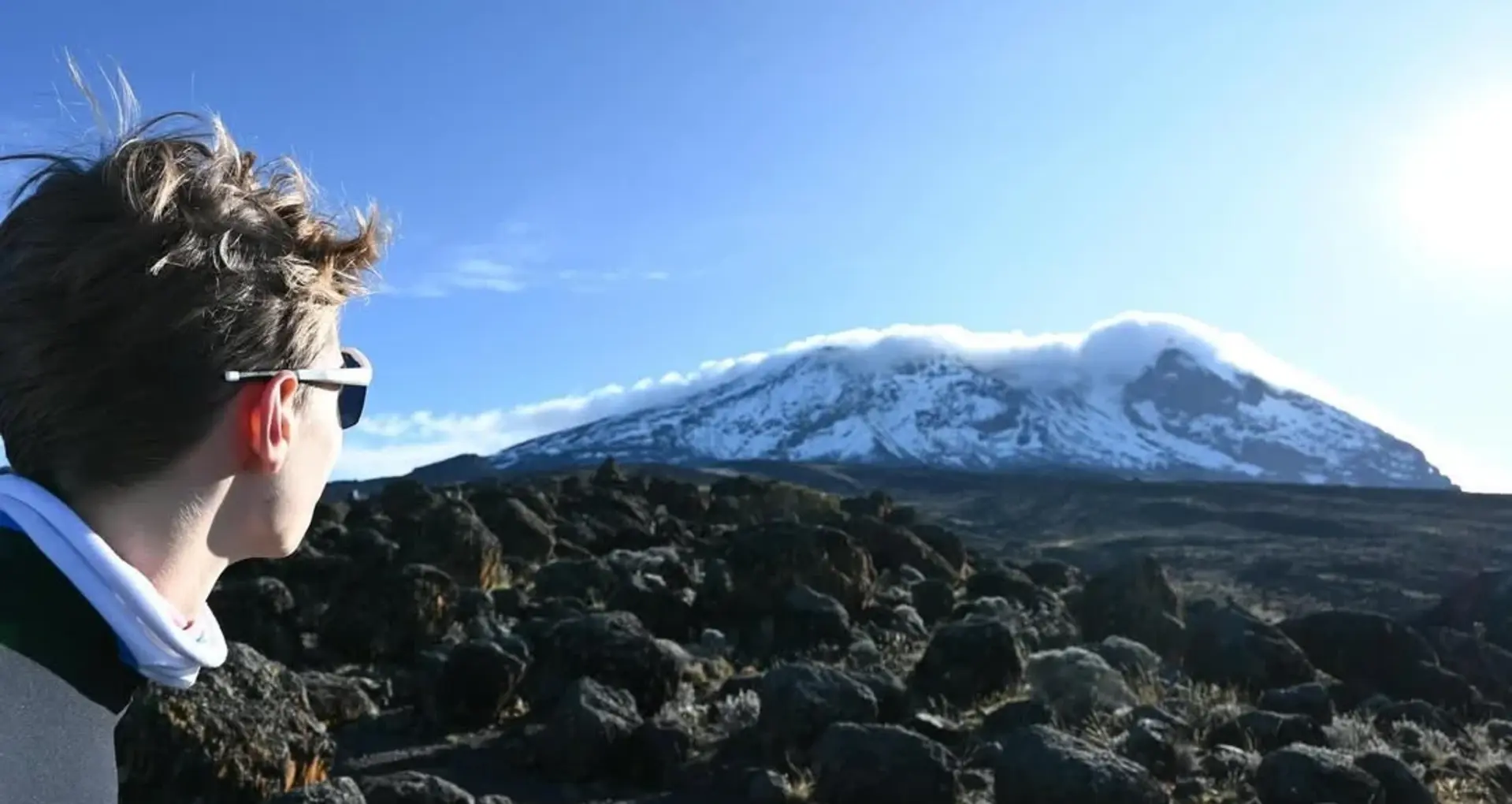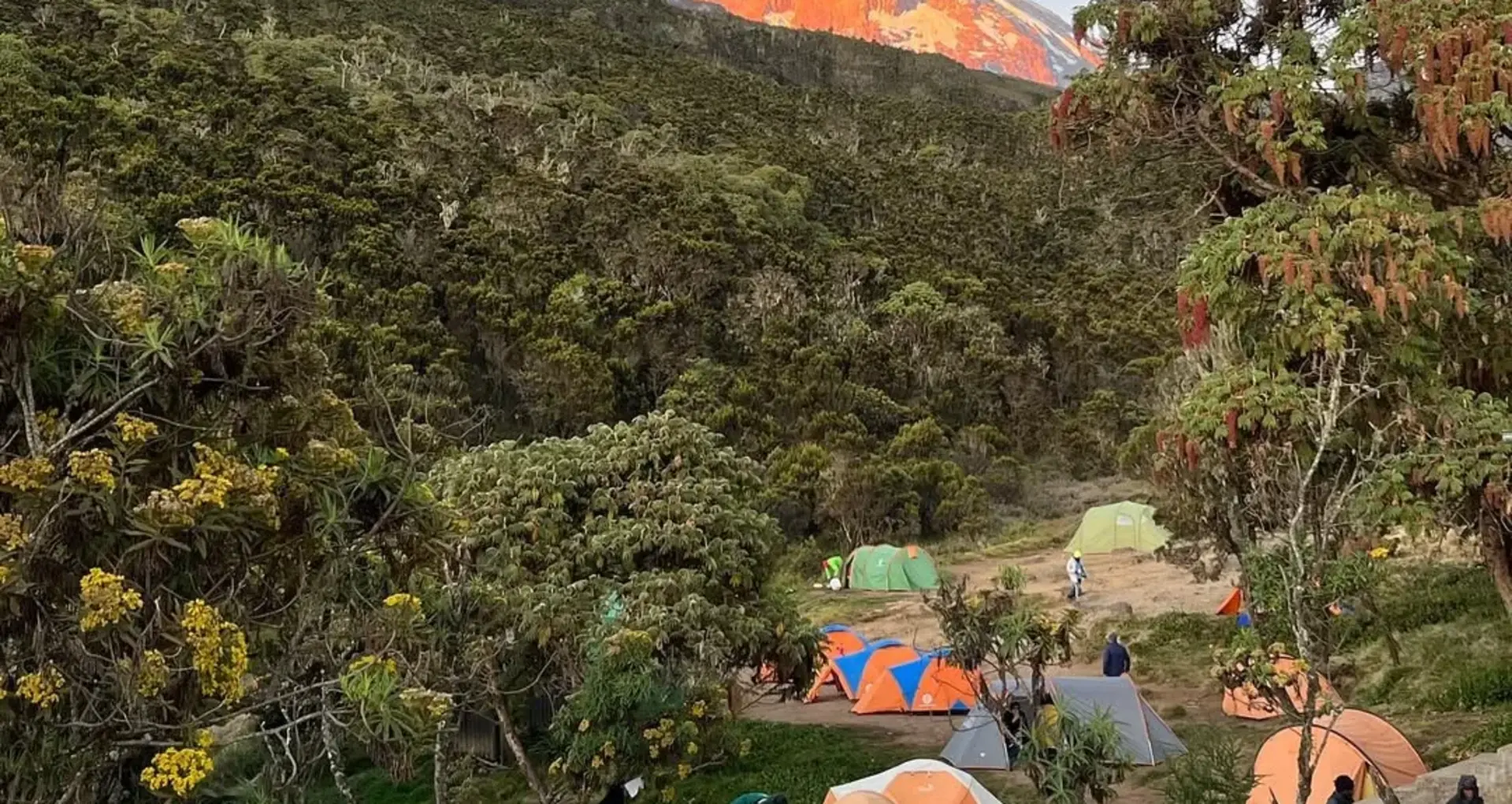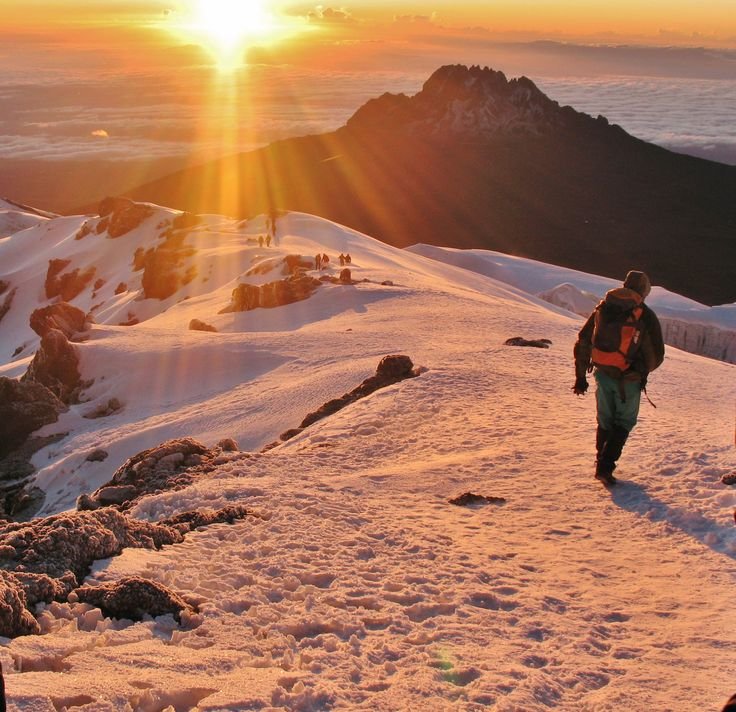
Mount Kenya and Mount Kilimanjaro are two of Africa’s most iconic peaks, captivating climbers, trekkers, and adventure seekers worldwide. While Kilimanjaro is celebrated as the world's highest free-standing mountain and a proud member of the “Seven Summits", Mount Kenya is renowned for its stunning landscapes, diverse ecosystems, and cultural significance. But what truly sets these giants apart? In this article, we explore their main differences—beyond just height—to help you decide which mountain aligns better with your travel aspirations.
Mount Kenya: The Equatorial Mountain with Rugged Beauty
Location & Geology Often mistaken for Kilimanjaro due to its striking views from the Kenyan side, Mount Kenya is actually about 300 kilometres (186 miles) away in central Kenya, directly along the equator. It is an extinct stratovolcano with multiple peaks, declared a national park in 1949 and a UNESCO World Heritage Site in 1997. Its rugged, glacier-covered summits and lush, forested slopes make it one of the most remarkable landscapes in East Africa.
Major Peaks
Batian (5,199 m / 17,057 ft): The highest peak, requiring technical climbing skills.
Nelion (5,188 m / 17,021 ft): Also a technical climb, often paired with Batian.
Point Lenana (4,985 m / 16,355 ft): The accessible “trekking peak” for non-technical climbers, offering a rewarding summit experience.
Climbing Experience & Routes Mount Kenya presents a more technical challenge at its highest elevations, especially if aiming for Batian or Nelion. However, Point Lenana is accessible via scenic trekking routes suitable for most fit hikers. The main routes—Naro Moru, Sirimon, and Chogoria—offer varying levels of difficulty and scenery, from lush rainforests to alpine meadows and glacial valleys.
Best Time & Cost: Dry seasons (June to October and January to March) are optimal for climbing. Costs vary, with four-day expeditions starting around US $700–800, depending on logistics and support.
Visibility of Kilimanjaro from Mount Kenya On exceptionally clear days, it is possible—though rare—to glimpse Kilimanjaro from Mount Kenya’s summit, approximately 320 km away. Such sightings depend heavily on weather conditions and atmospheric clarity.
Mount Kilimanjaro: The “Roof of Africa”
Location & Significance Standing tall at 5,895 metres (19,341 feet), Kilimanjaro is the highest mountain in Africa and the tallest free-standing peak in the world. Located entirely in Tanzania’s Kilimanjaro National Park, it’s a symbol of adventure and a bucket-list achievement for many climbers.
Volcanic Composition: Kilimanjaro is a volcanic massif comprising three cones:
Shira: The oldest, partially collapsed, with peaks like Johnsell Point (3,962 m).
Mawenzi: The conical, extinct volcano with Point Hans Meyer at 5,148 m.
Kibo: The largest and youngest, home to Uhuru Peak, the summit.
Climbing Routes & Experience Kilimanjaro’s routes traverse multiple climate zones—from lush rainforests at the base to arctic glaciers at the summit. The ascent is a non-technical trek, but altitude and acclimatisation are the main challenges. Popular routes include Lemosho, Machame, Marangu, and Rongai, each offering a different experience.
Best Time & Cost The ideal climbing seasons are June to September and December to March. The cost in 2025 averages around $2,700, covering permits, guides, and support staff. Safety and success depend heavily on professional guiding and proper acclimatisation.
Climbing Kilimanjaro vs. Mount Kenya Kilimanjaro is generally regarded as more accessible for beginners, as it requires no technical climbing skills. Mount Kenya, especially for Batian and Nelion, demands mountaineering expertise. While Kilimanjaro is a popular “bucket list” goal, Mount Kenya offers a more solitary and wilderness experience, with stunning scenery and fewer trekkers.
Comparing the Two Giants
Aspect | Mount Kenya | Mount Kilimanjaro |
|---|---|---|
Height | 5,199 meters (17,057 ft) | 5,895 meters (19,341 ft) |
Location | Central Kenya, on the equator | Northeastern Tanzania |
Type | Extinct stratovolcano | Dormant volcanic massif |
Climbing Difficulty | Technical for Batian/Nelion, accessible for Point Lenana | Non-technical, altitude challenge |
Best for | Scenic landscapes, wildlife, mountaineering | Iconic summit, beginner-friendly trekking |
Wildlife & Nature | Dense forests, abundant wildlife, migration corridors | Unique ecosystems and wildlife in parks but not on routes |
Visibility of Kilimanjaro | Rarely visible from summit, 320 km away | Visible from nearby parks, iconic view |
Final Thoughts: Which One Should You Choose?
If you're seeking a challenging climb with technical elements and stunning alpine scenery, Mount Kenya’s higher peaks—Batian and Nelion—are the ultimate goal. For a more accessible adventure with a focus on wildlife, landscapes, and the iconic “Roof of Africa", Kilimanjaro is unmatched. Both mountains offer incredible experiences, but your choice ultimately depends on your skill level, adventure preferences, and whether you want to combine your climb with wildlife safaris or cultural tours.
Whether you conquer Mount Kenya’s rugged peaks or stand atop Kilimanjaro’s snow-capped summit, both adventures promise unforgettable memories and a profound connection with Africa’s breathtaking landscapes.