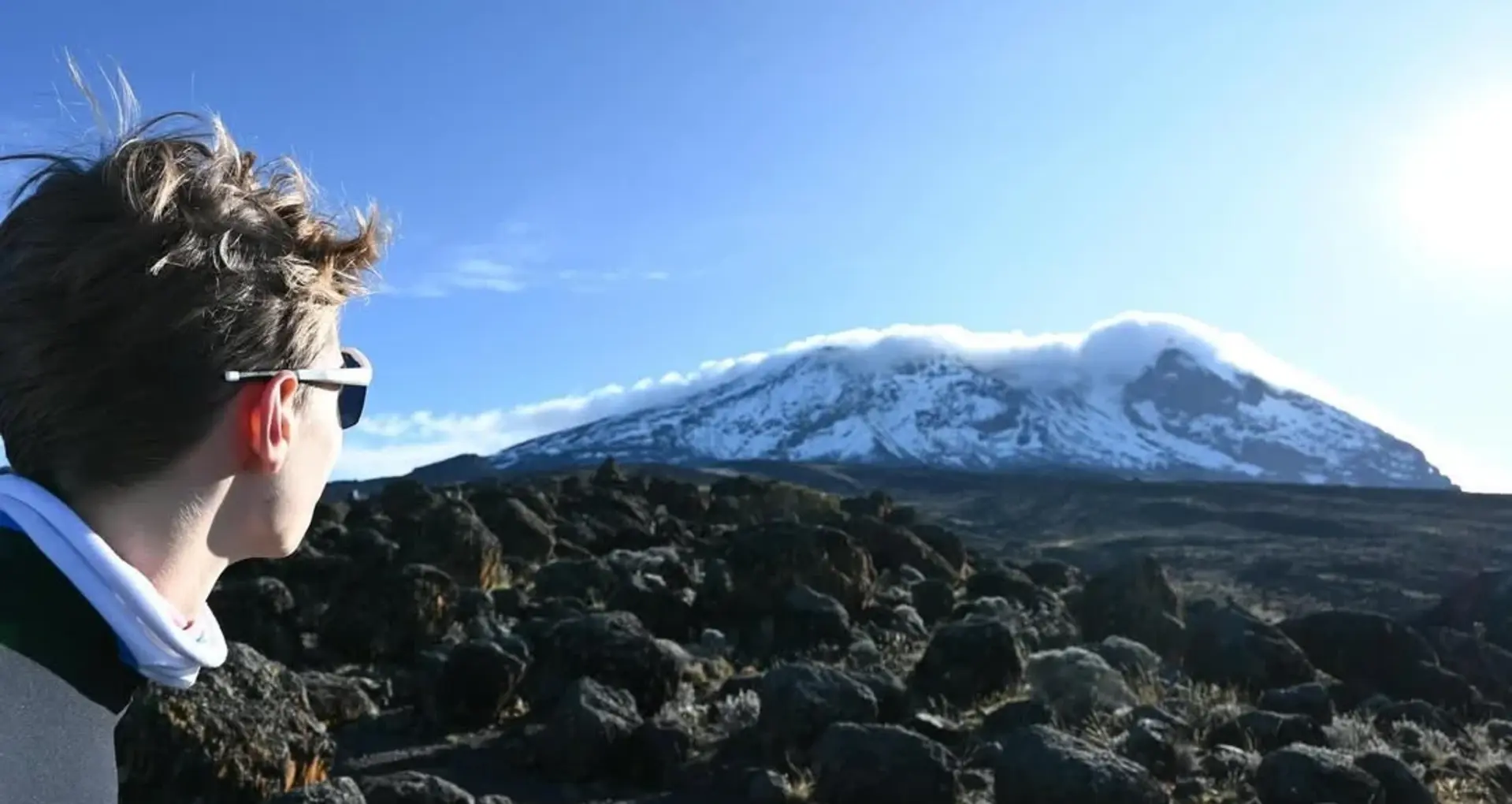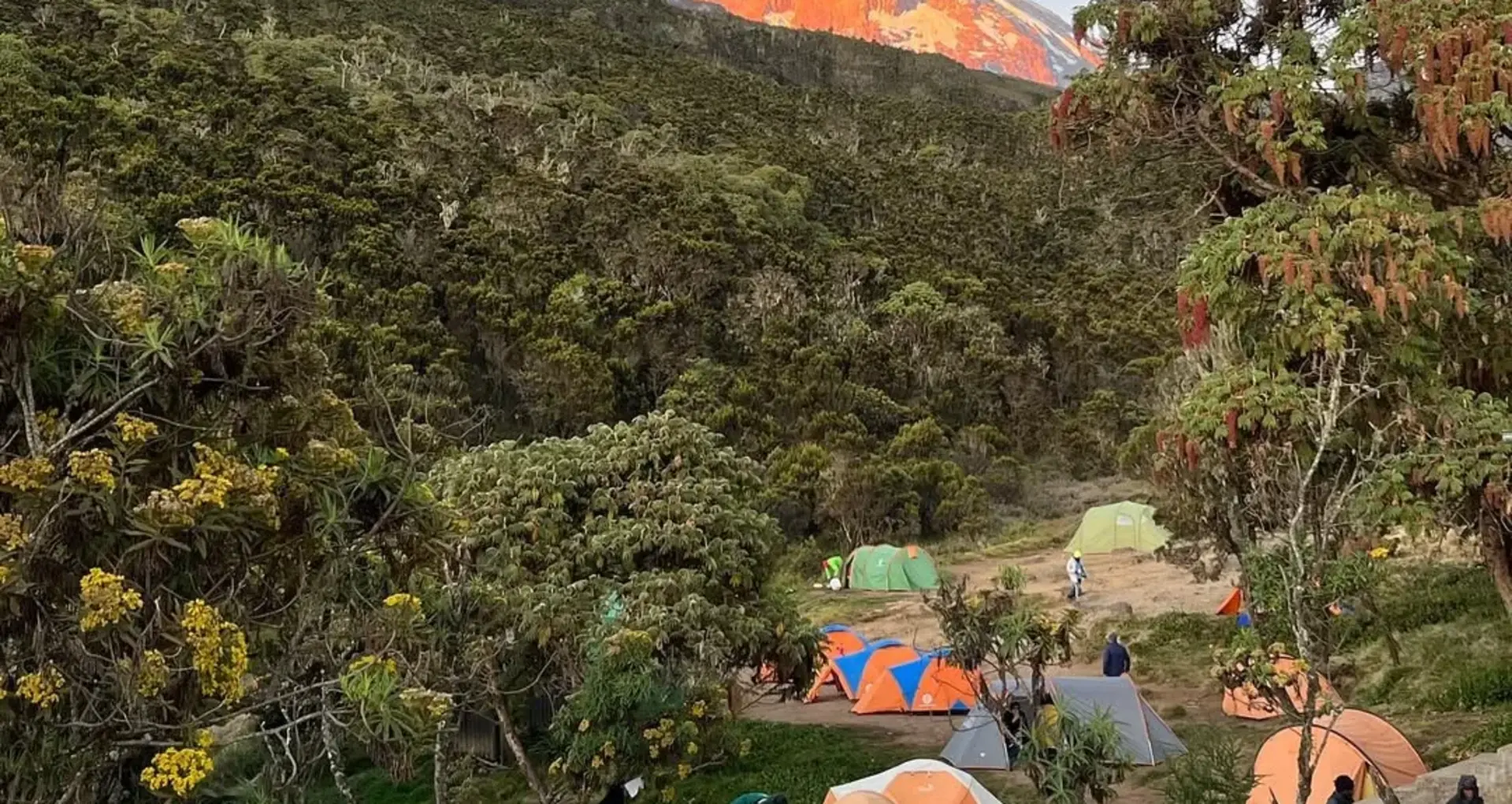
Mount Kilimanjaro, Africa’s highest peak and the tallest free-standing mountain in the world, stands majestically at 5,895 meters (19,341 feet) above sea level. Beyond its breathtaking summit and iconic glaciers, Kilimanjaro is a dormant volcano with a rich and complex volcanic history. Many travellers wonder: when is the next eruption expected? Is Kilimanjaro active, dormant, or extinct? In this article, Kilisherpas Travel delves into the volcanic origins, current status, and future risks associated with this legendary mountain.
The Volcanoes of Kilimanjaro: An Overview
The Triple Volcano Formation
Kilimanjaro is not just a single mountain but a volcanic massif composed of three distinct cones:
Kibo: The central, highest, and currently dormant volcano.
Mawenzi: An impressive, jagged peak that is now extinct.
Shira: The oldest of the three, now collapsed into a high-altitude plateau and considered extinct.
The Volcanic Past
The formation of Kilimanjaro began over 2.5 million years ago. The earliest activity involved the palaeo-volcano Kilema, which laid the groundwork for the current mountain structure. Over countless eruptions, the three cones emerged, each with its own evolutionary history.
The Eruption Timeline of Kilimanjaro
The Formation of Kilimanjaro
More than 2.5 million years ago: Magma from deep within the Earth broke through the crust on the eastern edge of the Great Rift Valley, creating the first volcanic structures.
Shira Volcano: The earliest cone, reaching approximately 5,000 meters before collapsing and forming the Shira Plateau.
Mawenzi: Formed around one million years ago, characterised by sharp peaks and jagged terrain, which reflect its violent eruptions and subsequent erosion.
Kibo: The youngest and most prominent cone, emerged about 500,000 years ago, with multiple eruptions that shaped its current structure.
The Last Eruption
Kibo’s most recent known eruption occurred approximately 150,000 to 200,000 years ago. While some sources suggest a minor eruption as recently as 200 years ago, scientific evidence does not support this. Instead, what is observed are fumaroles—vents releasing volcanic gases—indicating ongoing, but minimal, activity.
Is Kilimanjaro Active, Dormant, or Extinct?
Kilimanjaro is classified as a dormant volcano. Its last significant eruption was hundreds of thousands of years ago, and it currently shows no signs of active volcanic activity. The presence of fumaroles and the release of volcanic gases are natural and minimal, typical of dormant volcanoes.
Monitoring Kilimanjaro’s Volcanic Activity
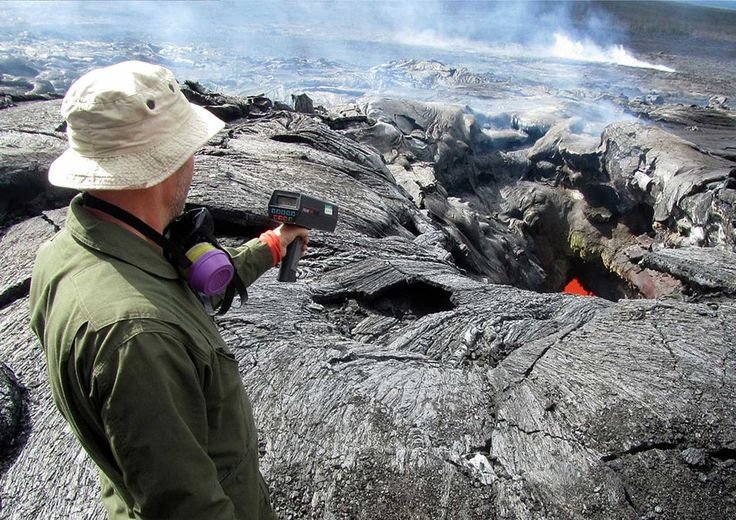
Scientists use various methods—seismic monitoring, gas emissions analysis, and ground deformation detection—to track potential signs of activity. Today, Kilimanjaro exhibits the following:
Slight volcanic gas emissions from fumaroles on the mountain’s slopes.
Elevated temperatures within the crater, but nothing indicating imminent eruption.
No significant seismic activity or ground movement that would suggest magma rising.
Expert consensus: There are no indications of an eruption in the foreseeable future. Kilimanjaro remains a safe destination for climbers and tourists, with no immediate volcanic threat.
How Do Scientists Track Future Eruption Risks?
Detecting early signs of volcanic activity involves monitoring the following:
Magma accumulation: Changes in earth surface elevation, bulges, or depressions.
Earthquakes: Small tremors indicating magma movement.
Gravitational anomalies: Using satellite data to detect underground shifts.
Gas emissions: Increased sulphur dioxide or carbon dioxide levels.
Surface temperature: Rising temperatures in the crater or fumaroles.
Currently, Kilimanjaro’s signs are stable, with no evidence of impending activity. The volcano’s silence over the past 150,000–200,000 years supports its classification as dormant, not extinct or active.
Will Kilimanjaro Erupt Again?
While the possibility of future eruptions exists in geological terms, it remains highly unlikely in the near future. The volcano’s dormant status suggests it is not poised for eruption anytime soon. Most scientists agree that Kilimanjaro is a long-dormant volcano with a very low risk of eruption in the next several thousand years.
Travel tip: For climbers and visitors, Kilimanjaro’s volcanic status is reassuring. The mountain is safe for trekking, and its dormant state poses no immediate danger.
Conclusion
Mount Kilimanjaro’s volcanic history is a fascinating tale of geological forces shaping one of Africa’s most iconic landmarks. Although it is a dormant volcano with no signs of imminent eruption, its past eruptions remind us of the dynamic Earth processes beneath our feet. For travellers, Kilimanjaro remains a safe, awe-inspiring destination, offering a unique opportunity to experience the majestic beauty of Africa’s highest peak without concern for volcanic hazards.
Ready for your Kilimanjaro adventure? Join Kilisherpas Travel for a safe, unforgettable climb and explore the stunning landscapes shaped by millions of years of volcanic activity.