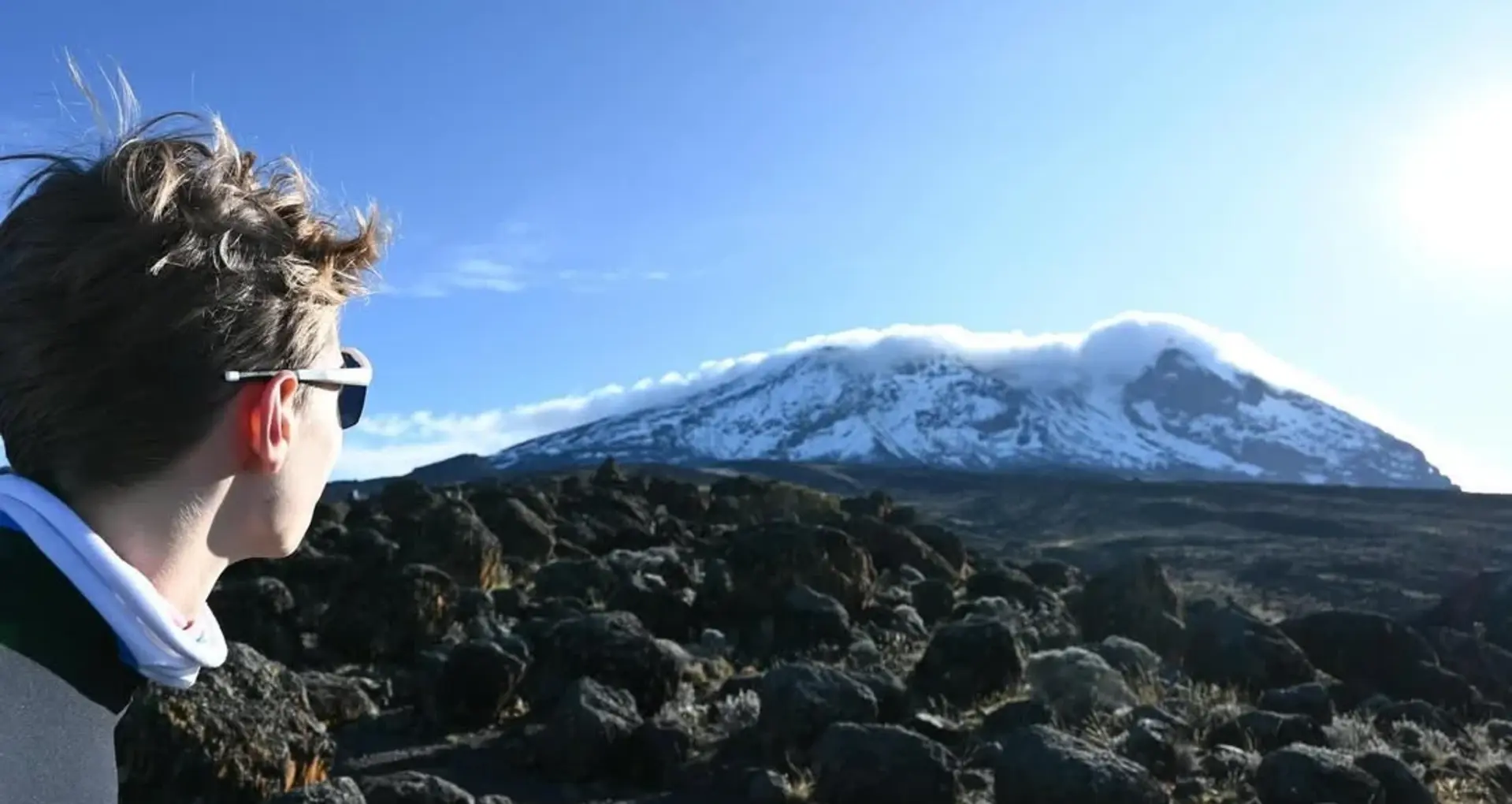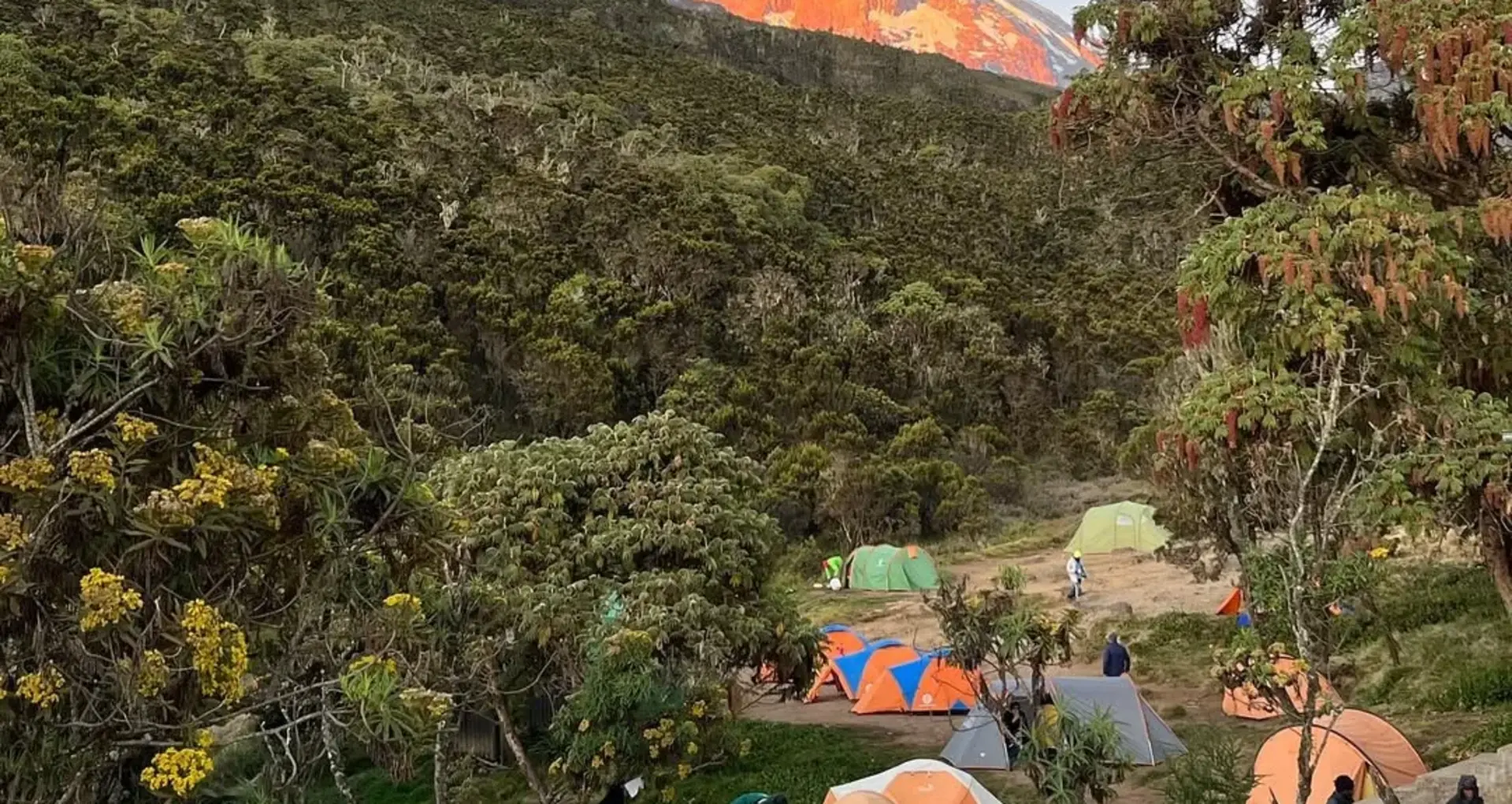
Mount Kilimanjaro, Africa’s tallest mountain, is renowned not only for its breathtaking vistas and challenging climbs but also for its significant landmarks along the ascent. Among these, Stella Point holds a special place both historically and practically as a key milestone on the journey to the summit. At Kilisherpas Travel, we’re passionate about sharing the stories behind Kilimanjaro’s most iconic points. In this article, discover the fascinating history, precise location, and practical tips for reaching Stella Point, the gateway to Africa’s highest peak.
What Is Stella Point?
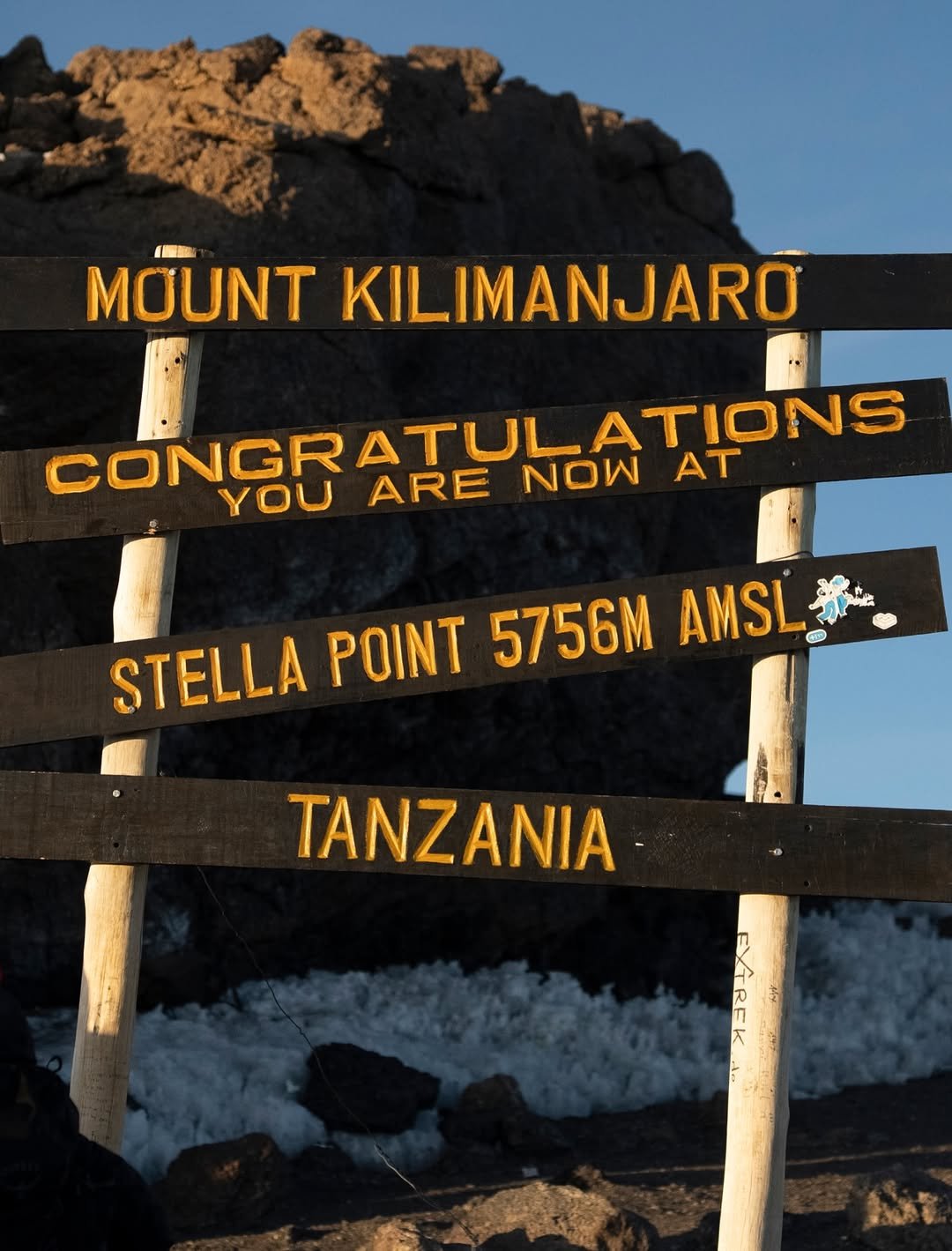
Stella Point is one of the three main summit points of Kilimanjaro, situated on the edge of the Kibo crater rim. With an elevation of 5,756 meters (18,885 feet) above sea level, it is a crucial milestone for climbers on their ascent to Uhuru Peak the mountain’s ultimate summit.
Significance of Stella Point
Historical Origin: Named after Estella Latham, who reached this point in 1925 during an early expedition.
Climbing Milestone: It is the final summit stop for many climbers before the final push to Uhuru Peak.
Recognition: Reaching Stella Point grants a certificate of “conquering” Kilimanjaro, the highest mountain in Africa.
The Location and Altitude of Stella Point
Current Official Elevation
Today, the sign at Stella Point indicates an altitude of 5,756 meters (18,885 feet). Interestingly, earlier signs listed it as slightly lower, 5,745 meters (18,848 feet), which is considered the historically accurate height.
Geographical Position
On the Crater Rim: Stella Point is located on the edge of the Kibo crater, accessible via routes such as Marangu, Lemosho, and Machame.
Visual Map: It marks the transition from the alpine desert to the glacier-covered summit zone.
How to Locate Stella Point
On Kilimanjaro’s map, Stella Point sits just below Gilman’s Point and Uhuru Peak along the crater rim. It’s marked by a prominent sign where climbers are congratulated for reaching this milestone.
The Three Main Summit Points of Kilimanjaro
Kilimanjaro’s summit isn’t a single peak but a massif with three notable points:
Gilman’s Point: 5,685 meters (18,652 feet)
Stella Point: 5,756 meters (18,885 feet)
Uhuru Peak: 5,895 meters (19,341 feet)
While Stella Point is often mistaken for the highest point, Uhuru Peak remains the true summit. The difference in elevation between Stella and Uhuru is approximately 139 meters (456 feet).
Why do climbers aim for these points? Reaching any of these earns an official certificate from Kilimanjaro National Park, recognising the achievement of summiting Africa’s tallest mountain.
Why Do Some Climbers Stop at Stella Point?
Many climbers choose to end their ascent at Stella Point due to factors such as fatigue, altitude sickness, or adverse weather conditions. The night-time climb from Stella to Uhuru Peak is strenuous and often affected by blizzards or snowstorms.
Common reasons for ending at Stella Point:
Exhaustion after several days of ascent
Altitude sickness impairing physical ability
Severe weather conditions, such as blizzards or snowstorms
Notable Historical Events
In 2018, heavy snowfall temporarily made it impossible for expeditions to proceed beyond Stella Point. Only after clearing the path could climbers reach Uhuru Peak, highlighting the unpredictable nature of high-altitude mountaineering.
The Origin of the Name Stella Point
In July 1925, the Latham expedition, led by Kingsley and Estella Latham, first reached this point. The couple had to contend with extreme cold, altitude sickness, and difficult terrain.
The naming story:
Kingsley Latham proposed naming the point after his wife, Estella (Stella), in honour of her bravery and support during the ascent.
The expedition was cut short due to illness, but the name Stella Point has persisted as a tribute to her courage.
The Latham Expedition
First ascent: July 13, 1925, reaching the crater’s edge.
Historical significance: Estella Latham was one of the earliest women to reach the main crater of Kilimanjaro, breaking gender barriers at the time.
Legacy: The story of Stella Latham exemplifies perseverance and pioneering spirit in mountain exploration.
How to Reach Stella Point
Embark on a Kilimanjaro expedition with Kilisherpas Travel, choosing from various routes such as Marangu, Lemosho, or Machame. For a safer, more rewarding experience, we recommend a 7- to 8-day itinerary that allows proper acclimatisation.
Tips for Reaching Stella Point
Start early: The ascent from Stella to Uhuru Peak begins around midnight.
Prepare for cold: Temperatures can drop significantly at high altitudes.
Ascend gradually: Proper pacing and acclimatisation increase success rates.
Bring your camera: Stella Point offers incredible panoramic views and photo opportunities.
Conclusion
Stella Point is not just a scenic milestone on Kilimanjaro; it’s a symbol of human resilience and exploration. Named after an early pioneer, it marks a significant achievement for any climber on the way to Africa’s roof. Whether you choose to stop there or push onwards to Uhuru Peak, reaching Stella Point is an experience that will stay with you forever.
At Kilisherpas Travel, we’re dedicated to guiding you safely through this historic journey. Ready to conquer Kilimanjaro’s legendary peaks? Contact us today and let’s make your mountain adventure a reality.