When travelling to Tanzania, a small but essential detail is ensuring your electronic devices can charge safely and conveniently. From smartphones and cameras to laptops and power banks, understanding local electricity standards helps avoid frustration during your adventure.
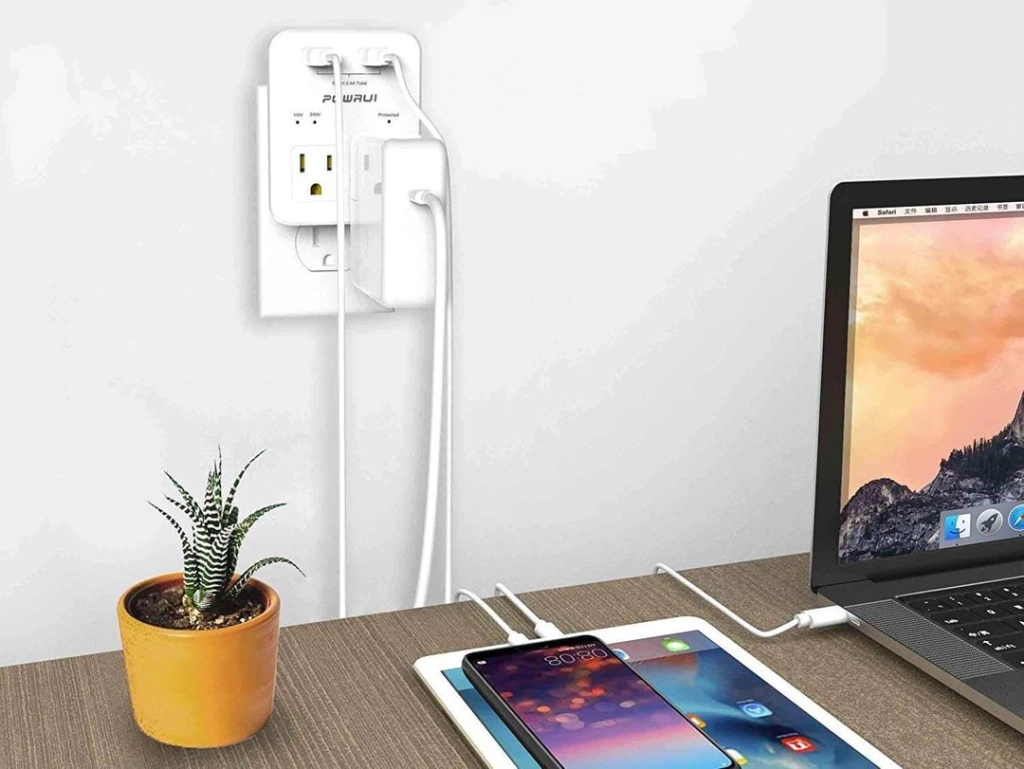
In your Tanzania travels you might need a power plug adapter.
This comprehensive 2026 guide from Kilisherpas Travel covers everything you need to know about plugs, voltage, adapters, and practical charging tips for your trip whether you’re summiting Mount Kilimanjaro, exploring the Serengeti on safari, or relaxing in Zanzibar.
What Type of Plug is Used in Tanzania?
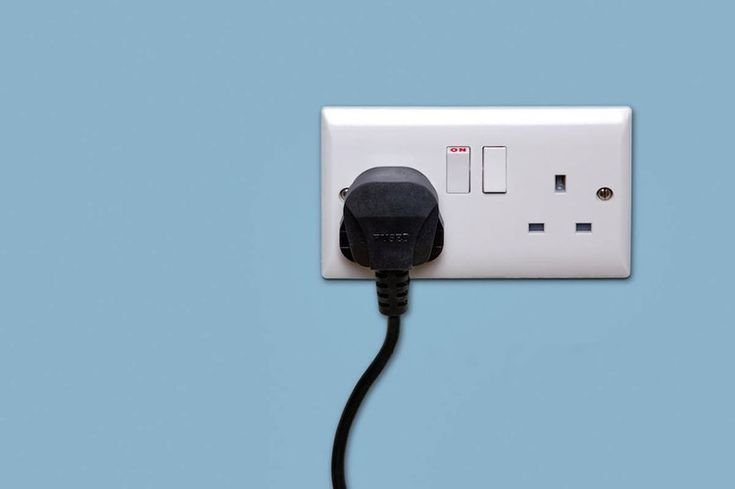
Tanzania primarily uses Type G outlets — the same British-style sockets found in the United Kingdom.
Type G Features:
Three rectangular pins in a triangular formation (two horizontal, one vertical grounding pin)
Rated for 220–250V
Not compatible with US, European (Type C/F), or most Asian plugs without an adapter
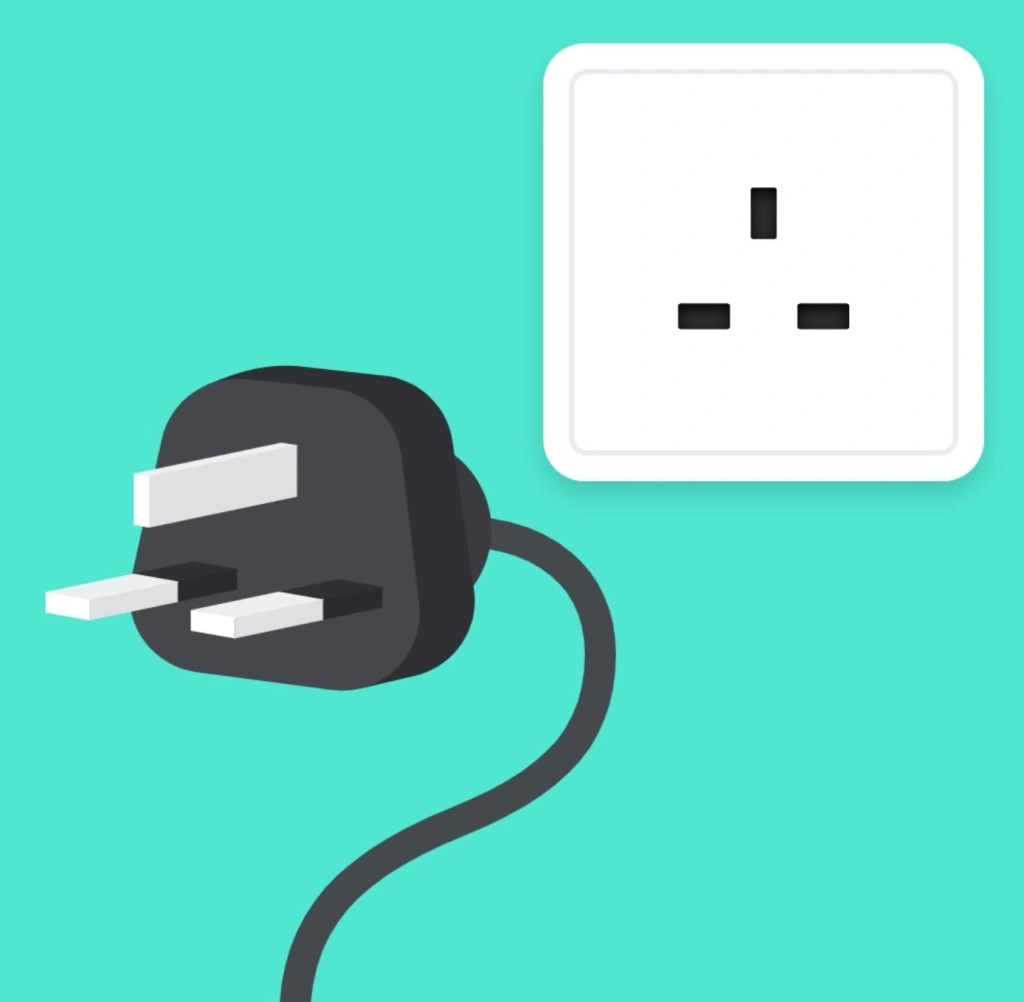
Type G socket and plug
Type D (Less Common):
Three round pins in a triangular pattern
Mostly found in older buildings and rarely used in modern hotels, lodges, or tourist facilities
You are unlikely to encounter Type D during a standard trip
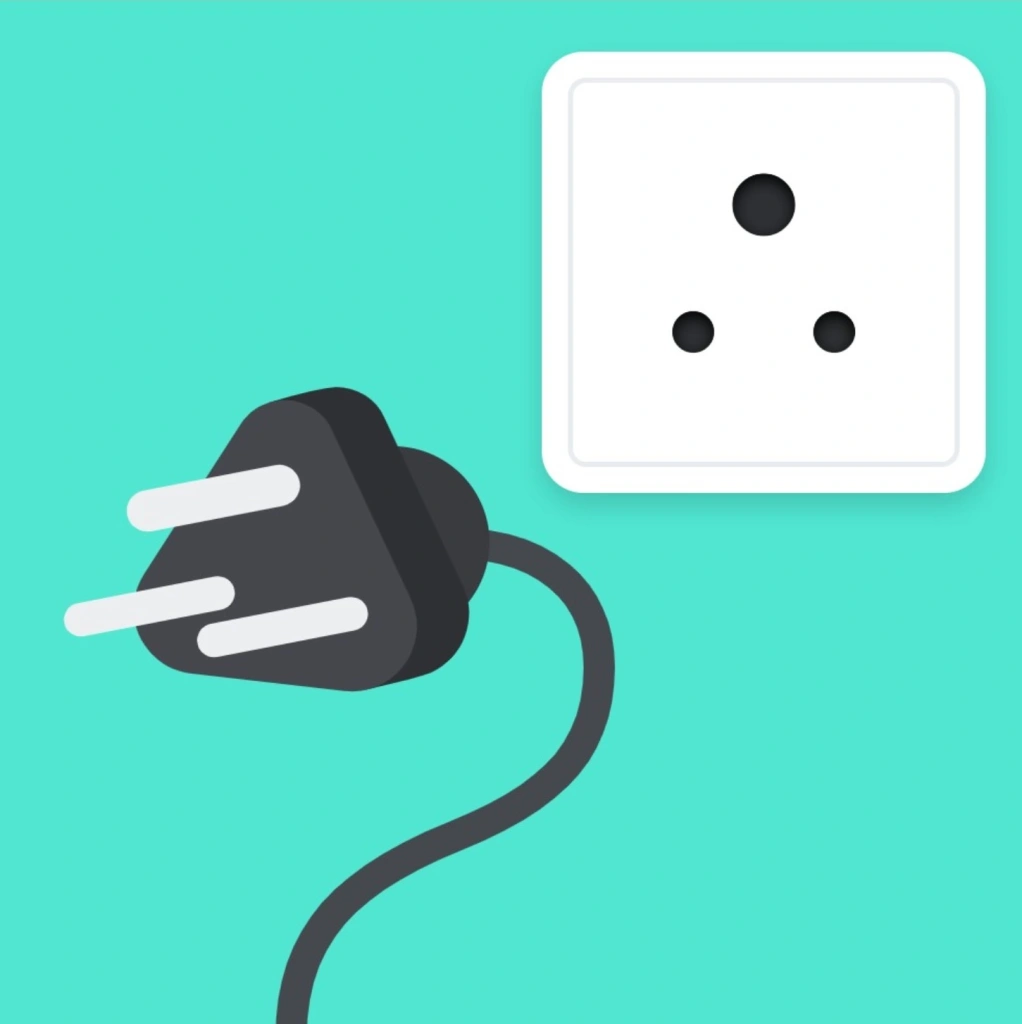
Type D plug and outlet
Universal / Multi-Plug Outlets:
Many hotels, safari lodges, and newer accommodations now provide universal sockets that accept various plug types (including US, EU, UK, and others). Some also include built-in USB charging ports, which can be very convenient.
Tip: Even with universal outlets available, always carry a reliable travel adapter as a backup — especially for remote areas or budget accommodations.
Do You Need a Plug Adapter for Tanzania?
Short answer: Yes, it is highly recommended.
Travellers from the UK, Ireland, Malaysia, and similar countries usually need no adapter.
Travellers from the USA, Canada, Japan, Australia, Europe, and most other regions will need a Type G travel adapter.
A good universal travel adapter (one that covers multiple countries) is the most practical choice for frequent travellers.
Voltage and Frequency in Tanzania
Standard voltage: 230V
Frequency: 50 Hz
This is the same as most of Europe, the UK, Australia, and many parts of Asia.
Do You Need a Voltage Converter?
It depends on your devices:
Dual-Voltage Devices (Most Modern Electronics)
Laptops, smartphones, tablets, cameras, and most chargers are labelled “100–240V” or “110–240V”.
These devices only require a plug adapter — no voltage converter needed.
Single-Voltage Devices (Be Cautious)
Devices rated for 110V or 120V only (common with some hairdryers, straighteners, electric shavers, or older appliances from the USA/Canada/Japan).
These require a voltage converter (also called a transformer) to step down from 230V to 110V. Using them without one can damage the device or create a safety hazard.
Quick Check: Look for the voltage marking on your device or its charger. If it says “100-240V”, you’re safe with just an adapter.
Adapter vs. Converter – Know the Difference
Adapter: Changes the plug shape so it fits the socket.
Converter/Transformer: Changes the voltage level.
An adapter does not convert voltage.
Practical Packing Tips
Bring a universal travel adapter with surge protection.
Pack a high-capacity power bank (at least 20,000mAh) for backup.
For sensitive electronics, choose a converter with surge protection if needed.
Check your device labels carefully before departure.
Bring a multi-port USB charger to maximise limited outlets.
Electricity in Remote Areas & on Kilimanjaro
Power supply varies significantly depending on your itinerary:
In Cities & Major Hotels (Arusha, Dar es Salaam, Zanzibar):
Reliable electricity with 24-hour power in most cases.
On Safari:
Most mid-range to luxury lodges and tented camps have electricity via solar or generators.
Charging is usually available in rooms or at designated stations, though some camps limit hours (e.g., evenings only).
On Mount Kilimanjaro:
There are no standard electrical outlets at campsites or huts.
Electricity (if any) is limited to solar panels or small generators at certain camps, often for a fee and not guaranteed.
Plan to rely on fully charged power banks and portable solar chargers.
Pro Tip from Kilisherpas Travel:
On Kilimanjaro treks, our porters and guides can sometimes assist with limited charging using vehicle batteries or camp solar setups (where available). However, we always recommend travellers bring at least two high-capacity power banks.
Final Advice
Electricity in Tanzania is generally reliable in tourist areas, but conditions become more basic in remote locations and on mountain treks. Preparing with the right adapter, understanding your devices’ voltage requirements, and carrying a good power bank will ensure you stay connected and capture every moment of your journey from the summit of Kilimanjaro to unforgettable wildlife encounters on safari.
At Kilisherpas Travel, we take care of the details so you can focus on the experience. Our team provides comprehensive pre-trip guidance, including packing advice tailored to your specific itinerary.
📩 Planning your Tanzania adventure? Contact Kilisherpas Travel today for expert assistance with Kilimanjaro climbs, safari packages, Zanzibar tours, and personalized travel tips.