On the fertile slopes of Mount Kilimanjaro, the Chagga people are an integral part of Tanzania’s cultural mosaic. With a history dating back over five centuries, this resilient and entrepreneurial ethnic group has cultivated a unique blend of ancient traditions and modern adaptations. From their expert farming techniques and vibrant cultural practices to their pivotal role in Tanzania’s economy and tourism, the Chagga tribe exemplifies the spirit of perseverance and innovation. Join us as we explore the fascinating traditions, evolving lifestyles, and contributions of the Chagga people.
Who Are the Chagga?
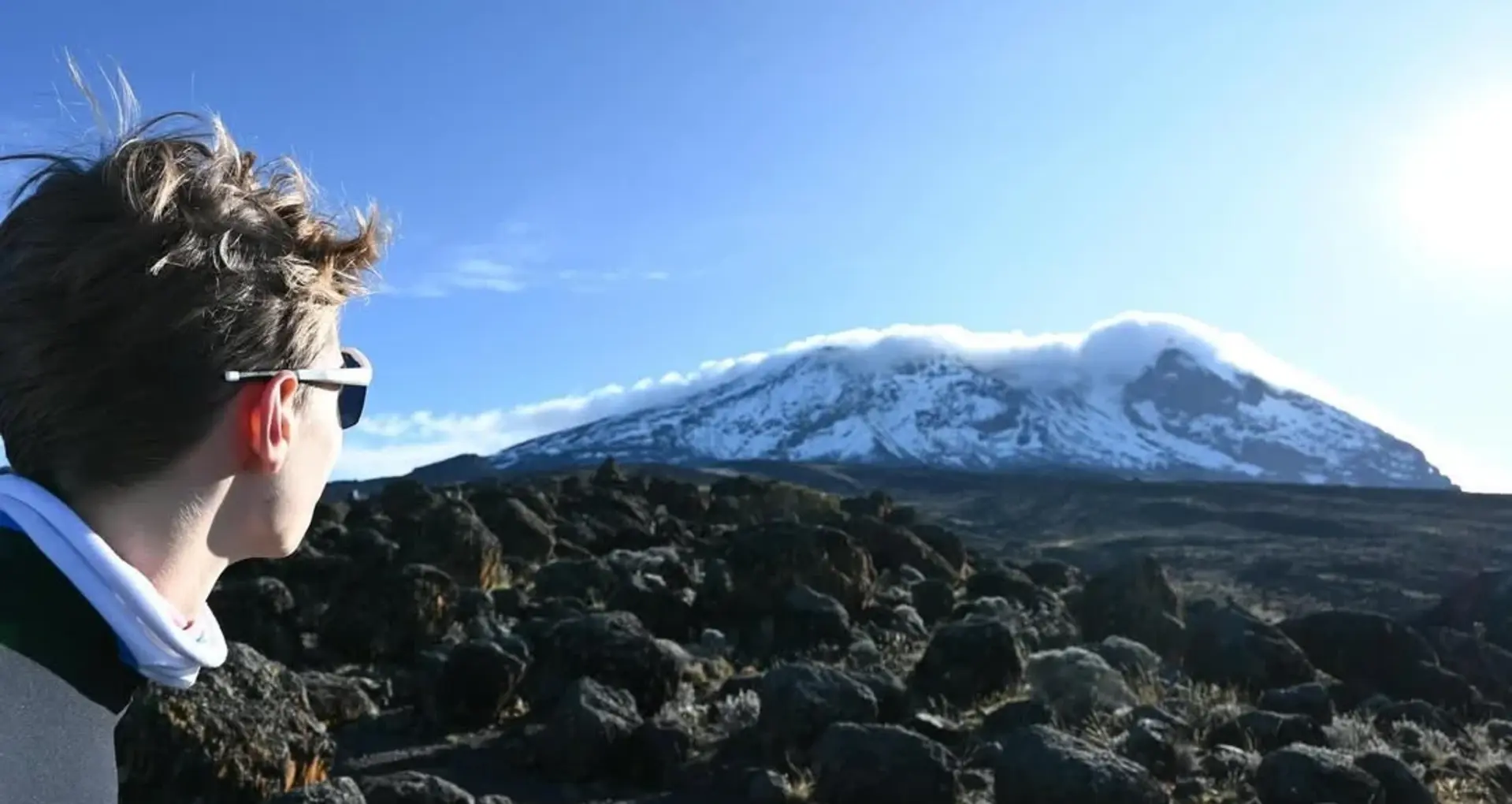
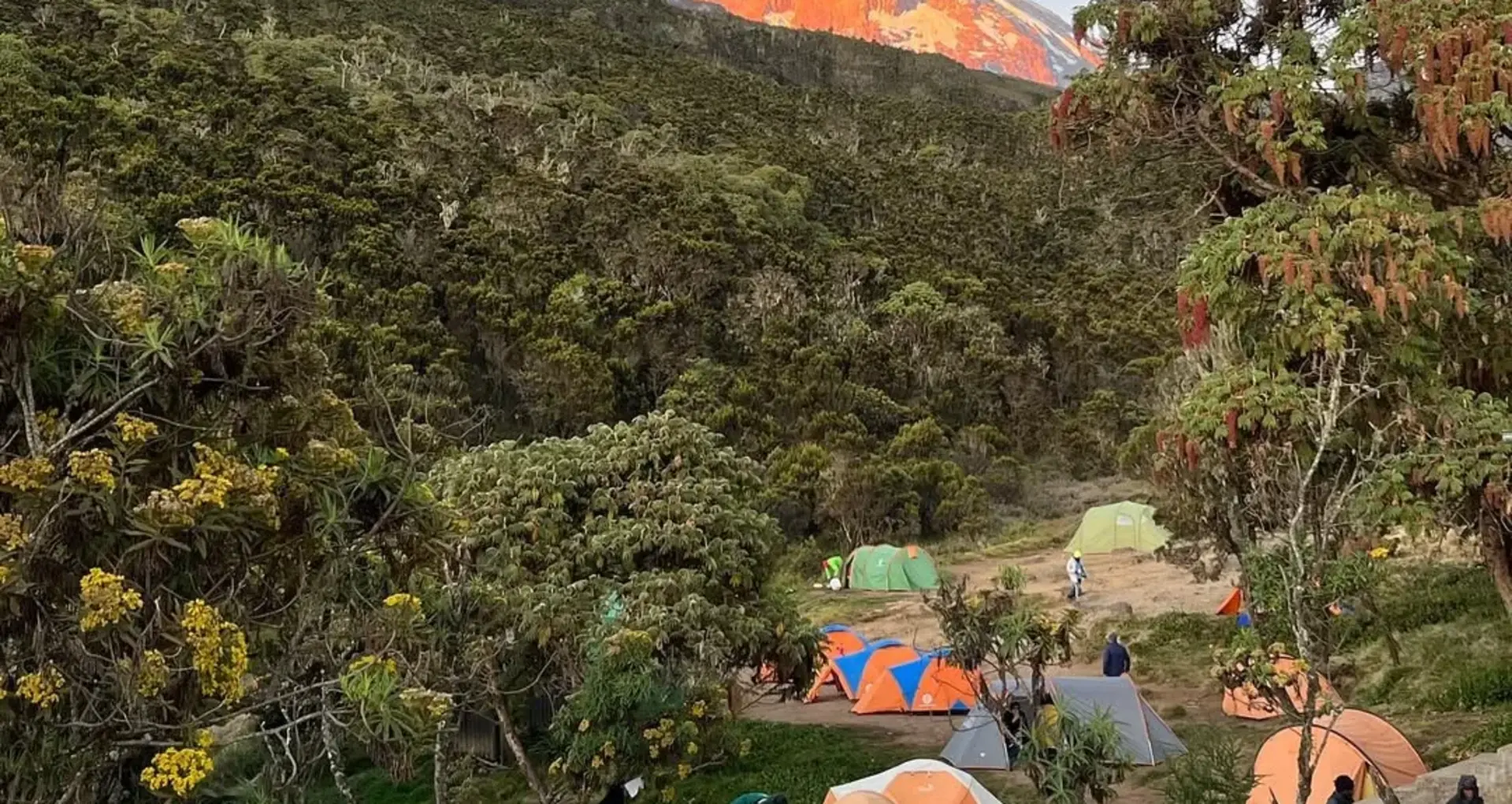
The Chagga are one of Tanzania’s largest ethnic groups, primarily inhabiting the southern and eastern slopes of Mount Kilimanjaro within the Kilimanjaro and Arusha regions. They have lived in this region since at least the 15th century, thriving on the mountain’s rich volcanic soil that supports intensive agriculture.
Names and Identity
Known by various names—including Chaga, Chagga, Jagga, and Wachagga—their identity is rooted in a shared language called Kichagga, which comprises several dialects. Despite regional differences, all Chagga understand each other, maintaining a strong sense of community.
Early Encounters and European Influence
First encountered by Europeans in the 19th century, notably by German missionary Johannes Rebmann in 1848, the Chagga became known globally through their interactions with explorers and missionaries. These contacts introduced new technologies, education, and trade practices, shaping their evolving social landscape.
Where Do the Chagga Live?
The Chagga predominantly reside along the slopes of Kilimanjaro, from Kibongoto to Usseri, extending into nearby towns like Moshi and Arusha. Traditionally, their villages focus on agriculture, with many families cultivating crops and raising livestock.
Traditional Housing and Architecture
Historically, the Chagga built beehive-shaped houses using dry grass, banana leaves, and mud—structures resembling tents that offered insulation against Kilimanjaro’s cold climate. Over time, modern influences introduced brick and concrete homes, often topped with metal roofs.
Tip for visitors: Visit the Chagga Museum in Marangu to see traditional dwellings and learn more about their architectural heritage. Many villages still preserve these unique structures, offering a glimpse into their ancestral way of life.
What are the Chagga known for?
The Chagga are celebrated for their industrious nature, agricultural mastery, and entrepreneurial spirit.
Agriculture and Cash Crops
The volcanic soils and abundant rainfall make Kilimanjaro’s slopes ideal for farming. The Chagga grow bananas, coffee, yams, millet, and a variety of vegetables. Their irrigation systems, often intricate networks of channels, are a testament to their ingenuity.
Specialities include:
Bananas: Eaten fresh, boiled, or fried and used to produce traditional banana beer called 'mbege'.
Coffee: A major cash crop since the early 20th century, Tanzanian coffee is renowned worldwide for its fruity flavor and peaberry variety.
Livestock Rearing
While not their primary livelihood, many families raise Zebu cattle and goats, which serve both practical and cultural purposes. Goats, in particular, play a vital role in rituals and ceremonies.
Trade and Education
The Chagga have a long history of commerce, aided by early European contact and missionary efforts that prioritised education. They established Tanzania’s first coffee cooperative—the Kilimanjaro Native Cooperative Union (KNCU)—and many Chagga today are successful entrepreneurs, traders, and professionals.
Pro tip: Many Chagga youth are fluent in English, opening opportunities in tourism, hospitality, and international business.
Rich Cultural Heritage
Despite modern influences, the Chagga maintain vibrant cultural traditions, including unique rituals, crafts, music, and cuisine.
Language and Oral Traditions
Kichagga, with its various dialects, is spoken widely across the community. Oral traditions—proverbs, legends, and songs—are vital for passing down history and values. For example, the proverb “He who leaves a child lives eternally” underscores the importance of lineage.
Beliefs and Rituals
Christianity is predominant today, but traditional beliefs persist. The sacred Masale plant (Dracaena fragrans) is revered for its protective qualities. Rituals such as the quick reconciliation practice—where a folded leaf of masale symbolises forgiveness—highlight their emphasis on community harmony.
Folklore and Legends
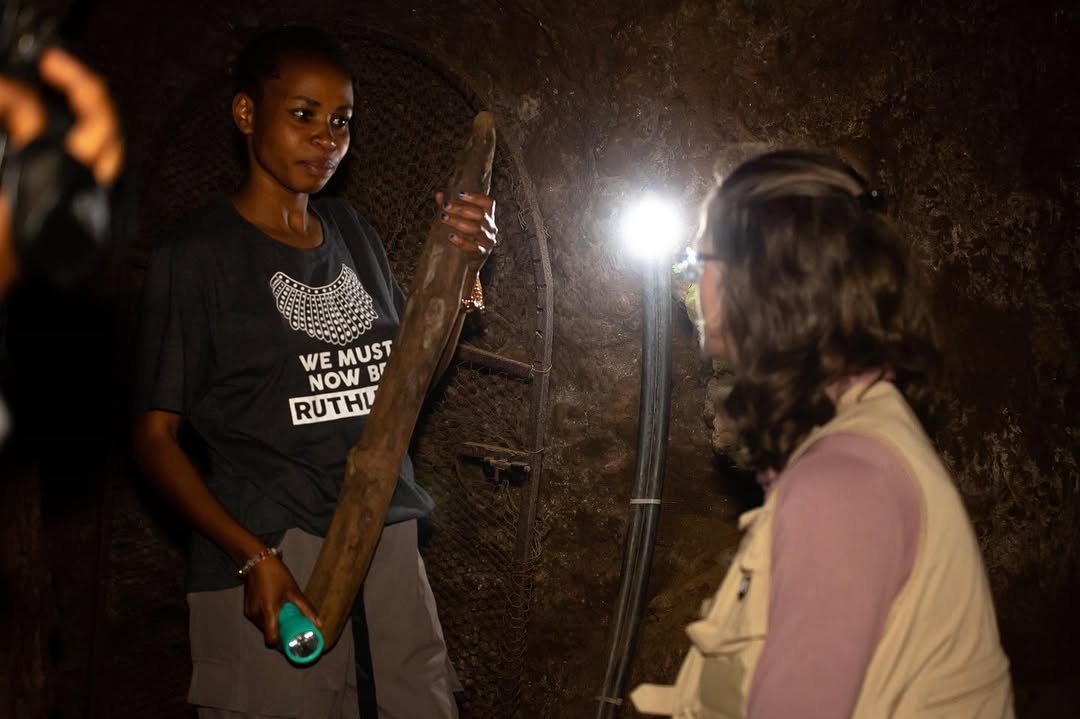
Chagga legends recount migrations to Kilimanjaro’s slopes, clan wars, and supernatural tales involving animals and ancestral spirits. Underground tunnels built for defence and ambushes still exist as part of their historical legacy.
Music, Dance, and Crafts
Music accompanies every celebration, with instruments like drums, bells, and wooden flutes. Traditional dances are performed during festivals, and artisans craft wooden utensils, beaded jewellery, woven baskets, and clothing from animal hides. Women’s clothing often features colourful fabrics called 'kitenge' and 'kanga', used for everyday wear and carrying children.
Traditional and Modern Cuisine
Food is a cornerstone of Chagga culture. Their diet revolves around bananas, which feature prominently in dishes like mtori, a hearty stew with meat and bananas. They also enjoy rice, vegetables, beans, cassava, and meats like chicken and goat.
Beverages
Mbege: A traditional banana beer enjoyed during celebrations and ceremonies.
Coffee: Kilimanjaro’s coffee is famous for its rich aroma and fruity notes.
Travel tip: Sample authentic Chagga dishes and freshly brewed Kilimanjaro coffee during your visit to Tanzania for a true cultural immersion.
Conclusion
The Chagga people embody a remarkable blend of tradition and progress, holding tightly to their cultural roots while embracing new opportunities. Their resilience, innovative farming practices, vibrant cultural expressions, and warm hospitality make them an essential part of the Kilimanjaro experience. Whether exploring their villages, learning about their crafts, or tasting their cuisine, visitors gain a deeper appreciation for this extraordinary community.
Plan your Tanzanian adventure today with Kilisherpas Travel and connect with the rich heritage of the Chagga tribe on your journey to Mount Kilimanjaro.